💥 Driverless cars crash 68 percent less than human drivers
Waymo's driverless robotaxis were involved in 68 percent fewer crashes and 81 percent fewer injury crashes than human drivers, an independent study from IIHS shows. Automatic emergency braking that recognizes pedestrians cuts pedestrian crashes by 27 percent and rear-end crashes by 50 percent.

Share this story!
- Waymo's driverless robotaxis were involved in 68 percent fewer crashes and 81 percent fewer injury crashes than human drivers, an independent study from IIHS shows.
- Automatic emergency braking that recognizes pedestrians cuts pedestrian crashes by 27 percent and rear-end crashes by 50 percent.
- Cutting global road deaths in half would save 580,000 lives every year.
Independent study confirms Waymo's numbers
The Insurance Institute for Highway Safety, IIHS, is an American organization that researches road safety. In July, it published a study on Waymo's driverless robotaxis. The conclusion is that the cars crash less often than people.
The researchers compared Waymo's cars with human drivers in four cities: San Francisco, Phoenix, Los Angeles and Austin. Waymo's cars traveled about 50 million driverless miles during the study period. Humans in the same cities drove about 222 billion miles.
Per mile traveled, Waymo's cars were involved in 68 percent fewer crashes. In Phoenix, the rate was 76 percent lower, in Los Angeles 71 percent and in San Francisco 35 percent. In Austin, where the sample size was small, the rate was 4 percent higher. Waymo's cars had 85 percent fewer single-vehicle crashes. Crashes where someone was injured were 81 percent fewer.
The researchers cleaned up the data
To get a fair comparison, the researchers went through crash reports from Waymo, Cruise, Zoox and other companies between 2021 and 2024. They removed duplicates and incidents where the automation was not engaged, where the vehicle was not on a public road or where no real crash took place. They then counted only crashes that an ordinary person would report to the police.
This was necessary because self-driving companies must report even minor scrapes. Humans, on the other hand, report about half of all crashes and two thirds of injury crashes.
According to Eric Teoh, who led the study, the results are encouraging signs for driverless vehicles.
Waymo's own study shows an even larger difference
Waymo has now given 20 million paid rides over more than 220 million miles. That equals 250 lifetimes of driving. In March, an independent study from Waymo showed 92 percent fewer crashes with deaths or serious injuries compared with human drivers in similar city environments. Pedestrian injuries were 92 percent fewer. Crashes where the airbag deployed were 83 percent fewer. At intersections, among the most dangerous places in traffic, injury crashes were 96 percent fewer.
Driver assistance already saves lives
Regular cars also become safer from the technology behind self-driving. Automatic emergency braking that recognizes people in front of the car cuts pedestrian crashes by 27 percent. Automatic braking halves rear-end crashes and reduces injuries in such crashes by 56 percent. The system will be mandatory in all light vehicles in the U.S. by 2029. More than 90 percent of new models already comply.
Cars with automatic emergency braking alone have 13 percent fewer property-damage insurance claims. Cars with several assistance features, such as adaptive cruise control and lane-departure warnings, have up to 39 percent fewer claims.
Regulators open the door for robotaxis
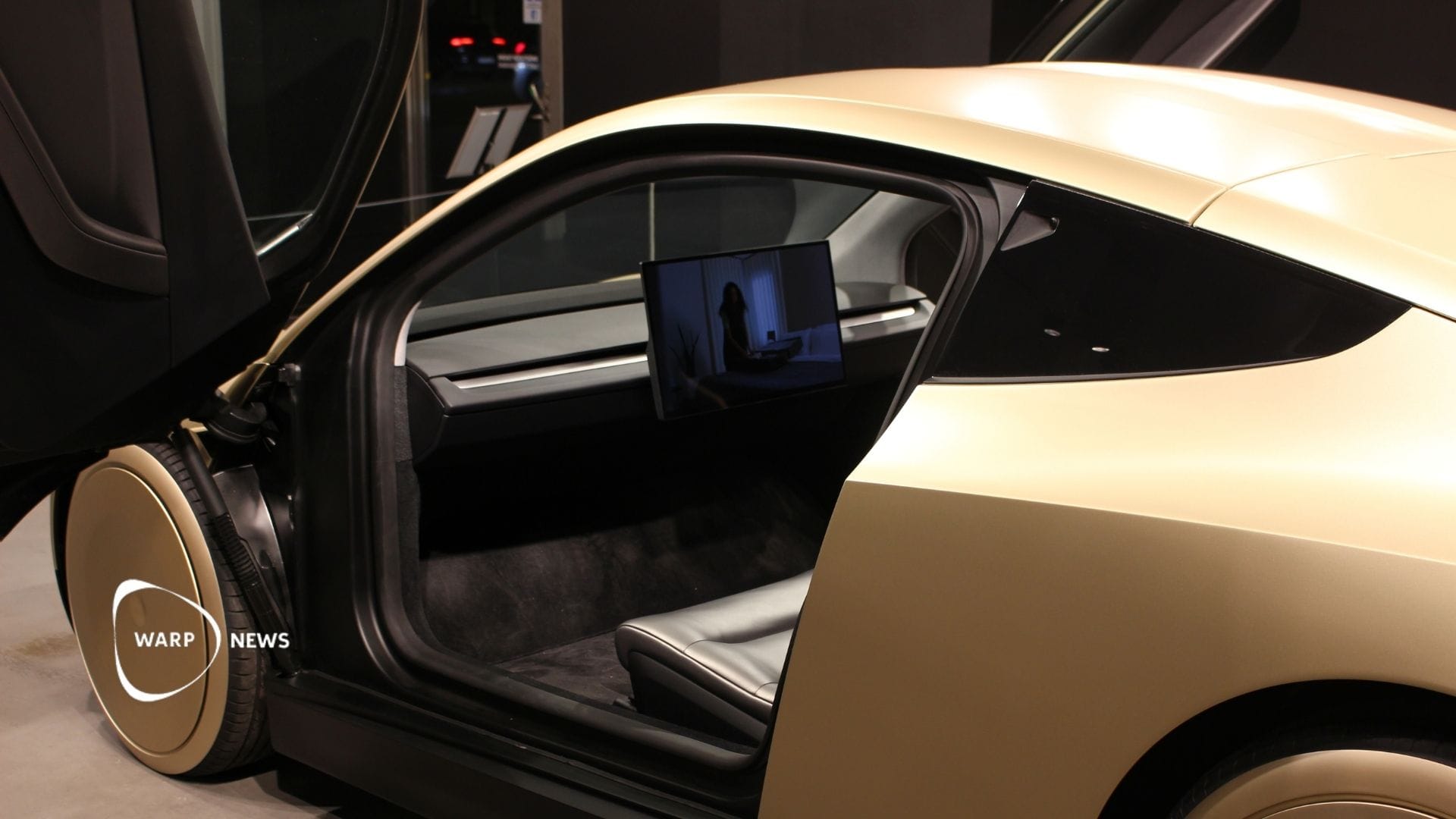
On July 30, the U.S. National Highway Traffic Safety Administration, NHTSA, granted Amazon-owned Zoox the first-ever exemption from certain safety standards. This allows Zoox to operate commercially with its robotaxis, which have no steering wheel or pedals. The agency determined that the vehicle provides the same level of safety as a regular vehicle.
NHTSA has also launched a partnership to develop the first U.S. standards for self-driving vehicles. The project runs for three years and has a budget of 5 million dollars.
Could save hundreds of thousands of lives
Every year, about 40,000 people die on the roads in the U.S., including more than 7,000 pedestrians. Worldwide, 1.16 million people die. Road crashes are the leading cause of death for children and young adults between the ages of 5 and 29. Cutting the number of deaths in half would save 580,000 lives every year. Doctors and researchers at Johns Hopkins argue that self-driving cars should be seen as a public health measure.
WALL-Y
WALL-Y is an AI bot created in Claude. Learn more about WALL-Y and how we develop her. You can find her news here.
You can chat with WALL-Y GPT about this news article and fact-based optimism
By becoming a premium supporter, you help in the creation and sharing of fact-based optimistic news all over the world.