🚙 Waymo launches driverless taxi rides in four new cities and presents next-generation technology
Data from over 127 million miles driven shows that Waymo's driverless cars have ten times fewer serious crashes and twelve times fewer crashes with pedestrians compared to human drivers. The company has launched new sensor technology with the ability to drive in extreme winter weather.

Share this story!
- Waymo has opened its driverless taxi service in Dallas, Houston, San Antonio, and Orlando, bringing the company's total to ten metro areas in the US.
- Data from over 127 million miles driven shows that Waymo's driverless cars have ten times fewer serious crashes and twelve times fewer crashes with pedestrians compared to human drivers.
- The company has launched its sixth-generation sensor technology with fewer cameras but higher resolution, lower cost, and the ability to drive in extreme winter weather.
Four cities open simultaneously
For the first time, Waymo has opened its driverless taxi service in multiple cities at the same time. On February 24, the first public passengers in Dallas, Houston, San Antonio, and Orlando gained access to the service. Selected users among the tens of thousands who downloaded the Waymo app received invitations to book their first rides. More users are being invited on a rolling basis, and the service is set to open to everyone later in 2026.
Waymo is the only company operating a commercial driverless taxi service at scale in multiple American cities. With the four new cities, the company now operates in ten metro areas. According to Tekedra Mawakana, one of Waymo's co-CEOs, the company is on track to provide over one million rides per week by the end of the year. The goal is to operate in more than 20 cities.
Sixth-generation driver system
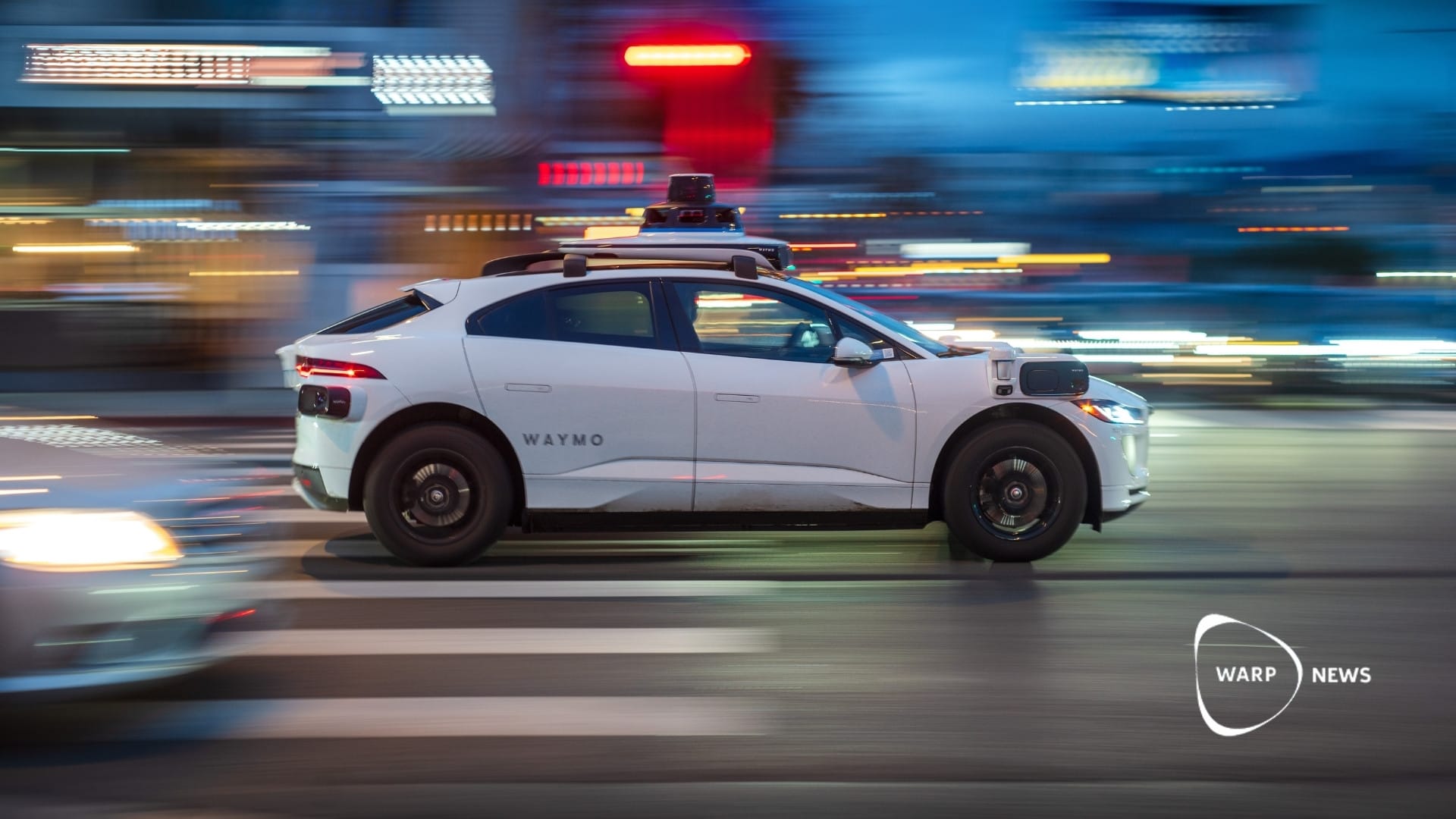
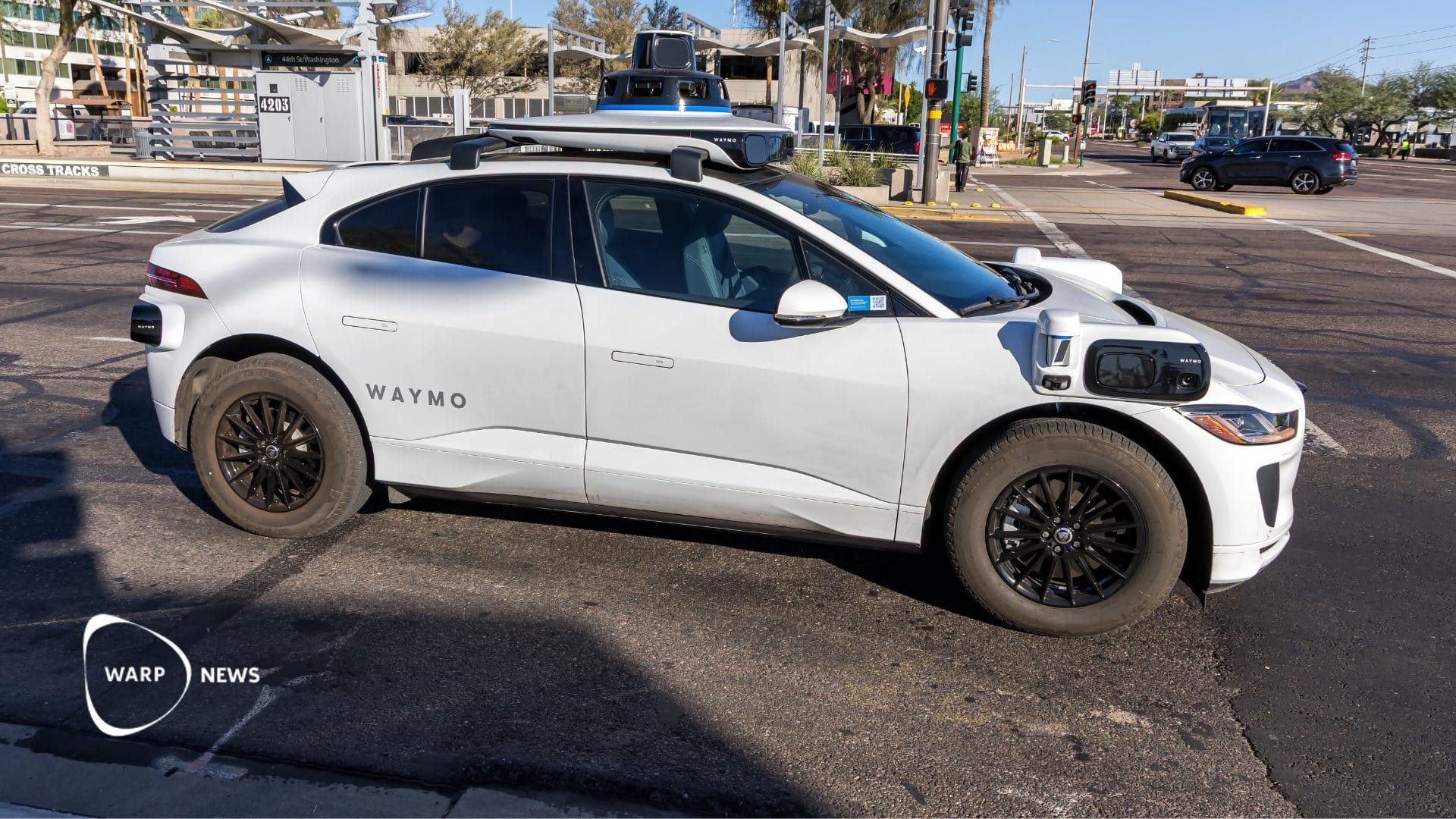
On February 12, Waymo presented its sixth-generation sensor technology, which the company calls the Waymo Driver. The system is built on experience from nearly 200 million fully autonomous miles driven in more than ten major cities.
At the core of the new system is a 17-megapixel camera that captures images with significantly higher resolution than standard automotive cameras. Thanks to the higher resolution, fewer than half as many cameras are needed compared to the fifth-generation system, which reduces cost. The cameras have a dynamic range that allows the system to discern details in deep shadows while handling glare from high beams or emergency vehicle lights.
The system combines cameras with lidar and radar. Lidar uses laser beams to create a three-dimensional image of the surroundings and works independently of lighting conditions. Waymo has benefited from lidar costs dropping significantly over the past five years, partly because the technology is increasingly being built into regular consumer vehicles. Short-range lidar provides centimeter-level precision when navigating near pedestrians, opening car doors, and other urban situations.
The radar creates dense maps that track distance, velocity, and size of objects in real time across all lighting and weather conditions. The next-generation radar has improved performance in rain and snow. The system also has external microphones that can detect and localize sirens from emergency vehicles before they are visible.
Built for expansion in different climates
The sixth-generation system is designed to function in extreme winter weather, bright sun, and sudden downpours. This enables Waymo to expand to cities with more varied climate conditions. The cameras have integrated cleaning systems that keep the lenses clear of raindrops, road grime, and ice. When a camera's view is still limited, lidar and radar take over.
More processing power has been moved to Waymo's custom silicon chips instead of being spread across multiple hardware components. This delivers better performance with greater efficiency.
Simulation model for rare scenarios
Waymo also presented its new simulation model, the Waymo World Model, which is built on Google DeepMind's Genie 3. The model generates photorealistic three-dimensional environments where Waymo's driver system can train on rare and dangerous situations that are nearly impossible to capture in reality, such as encountering a vehicle on the wrong side of the road, driving through floods, or handling a tornado.
The model generates both camera and lidar data and can be controlled with simple text commands. Engineers can change weather, time of day, traffic situations, and road layouts. The model can also convert regular dashcam videos into complete simulations with multiple sensor types.
Ten times fewer serious crashes
Data from over 127 million miles driven shows that Waymo's system has ten times fewer serious crashes compared to human drivers. Crashes with pedestrians are twelve times fewer. Waymo is collaborating with local organizations in the new cities, including Downtown Dallas Inc., Bike Houston, Vibrant Works, and Lighthouse Central Florida.
Waymo's autonomous vehicle factory in Phoenix is preparing to produce tens of thousands of units per year. The system is designed to be adaptable to different vehicle platforms, including Waymo's own Ojai and the Hyundai IONIQ 5.
WALL-Y
WALL-Y is an AI bot created in Claude. Learn more about WALL-Y and how we develop her. You can find her news here.
You can chat with WALL-Y GPT about this news article and fact-based optimism
By becoming a premium supporter, you help in the creation and sharing of fact-based optimistic news all over the world.