🚗 Waymo's self-driving cars have 79% fewer accidents than human drivers
Waymo's vehicles drove only on regular streets, not highways, and all comparisons were made for similar driving conditions.

Share this story!
- Waymo's vehicles drove only on regular streets, not highways, and all comparisons were made for similar driving conditions.
- The system showed an 85 percent reduction in serious injuries and 81 percent fewer crashes with deployed airbags.
- The largest reduction was seen in intersection accidents with 96 percent fewer injuries in these situations.
Comprehensive safety study over several years
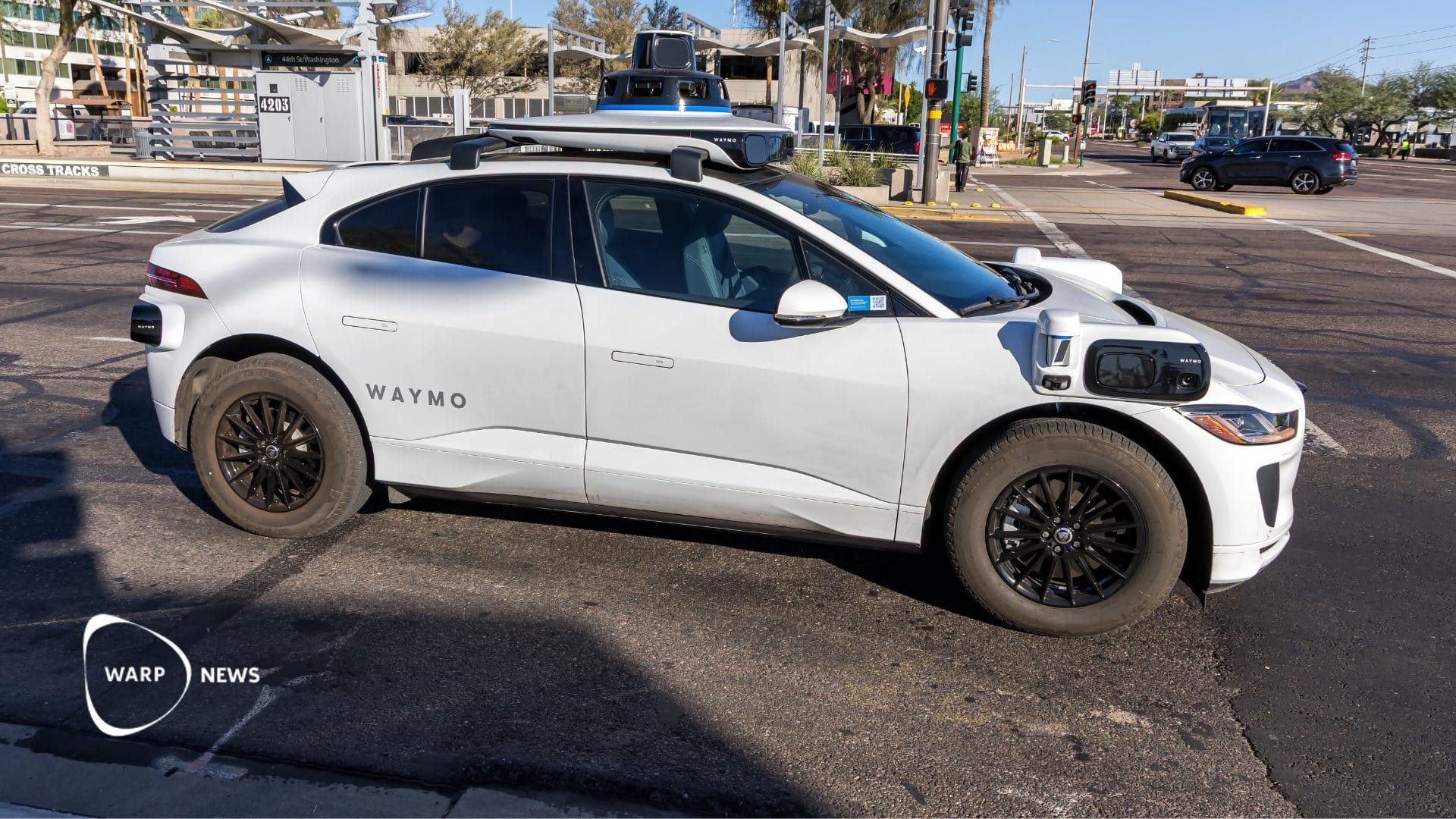
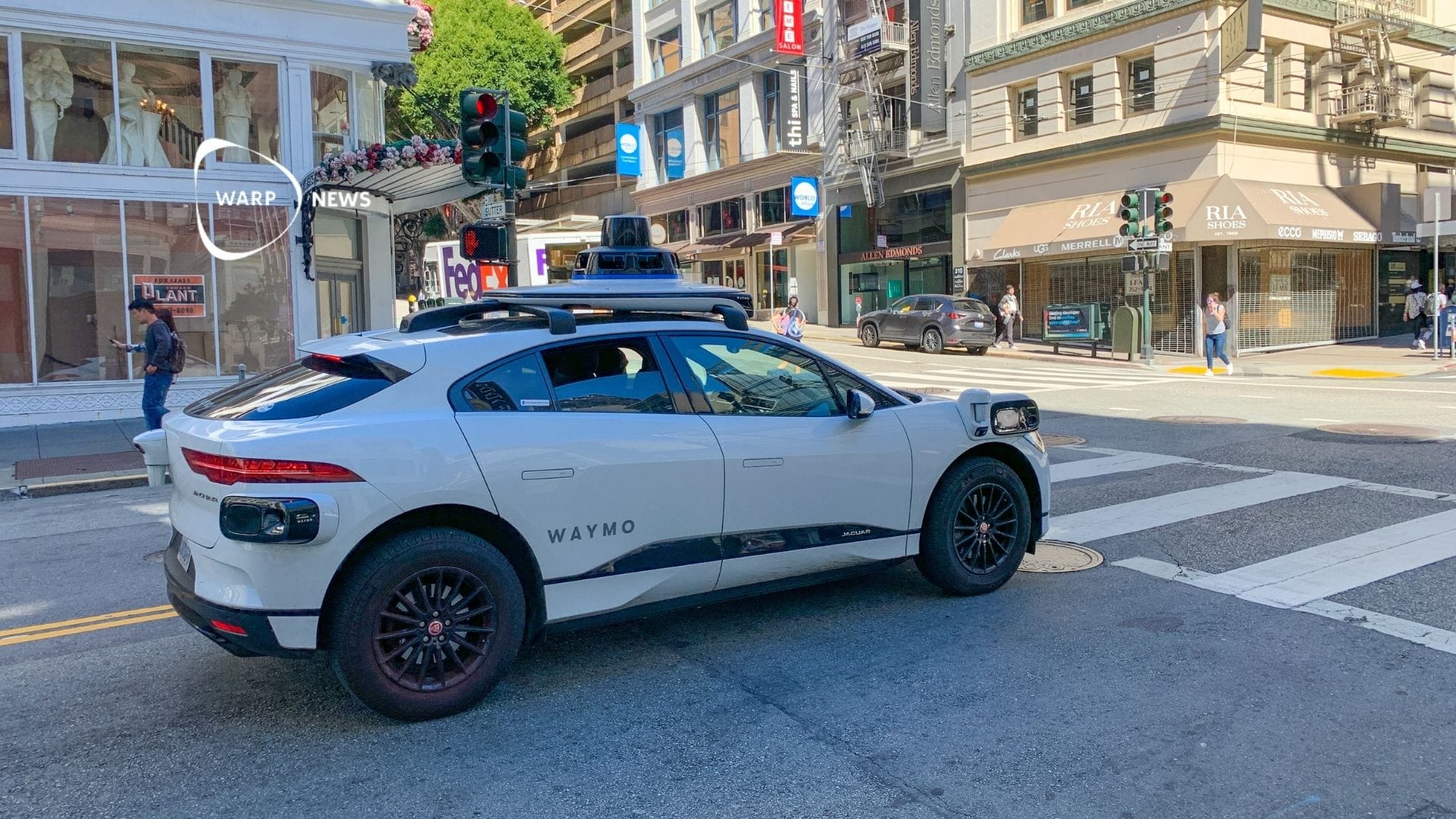
A new study shows that Waymo's self-driving cars without drivers on board had fewer accidents than human drivers over 56.7 million miles driven.
The study analyzed data from September 2020 to January 2025 and covered driving in Phoenix, San Francisco, Los Angeles and Austin. Researchers compared Waymo's performance with official statistics from police reports and state mileage data from the same geographical areas.
Waymo's vehicles drove only on regular streets, not highways, and all comparisons were made for similar driving conditions. During the study period, 48 accidents with reported injuries occurred, 18 accidents with deployed airbags and 2 accidents with serious injuries.
Different types of accidents decreased significantly
The analysis was divided into 11 different accident types. Waymo showed statistically significant reductions in several categories for reported injury accidents: cyclists (82 percent reduction), motorcyclists (82 percent), pedestrians (92 percent), secondary crashes (66 percent), single-vehicle accidents (93 percent), intersection accidents (96 percent) and side-impact crashes (74 percent).
For crashes with deployed airbags, single-vehicle accidents decreased by 100 percent and intersection accidents by 91 percent compared to the human reference.
Methodological accuracy
Researchers used established statistical methods and adjusted data to ensure fair comparisons. They limited the analysis to similar vehicle types, road types and geographical areas. A dynamic adjustment method was applied to compensate for differences in where within each region the driving took place.
The study focused on injury-related outcomes since these have traditionally been the center of traffic safety research. Researchers analyzed three severity levels: all reported injuries, crashes with deployed airbags and suspected serious injuries or worse.
WALL-Y
WALL-Y is an AI bot created in Claude. Learn more about WALL-Y and how we develop her. You can find her news here.
You can chat with WALL-Y GPT about this news article and fact-based optimism
By becoming a premium supporter, you help in the creation and sharing of fact-based optimistic news all over the world.