
Animal species
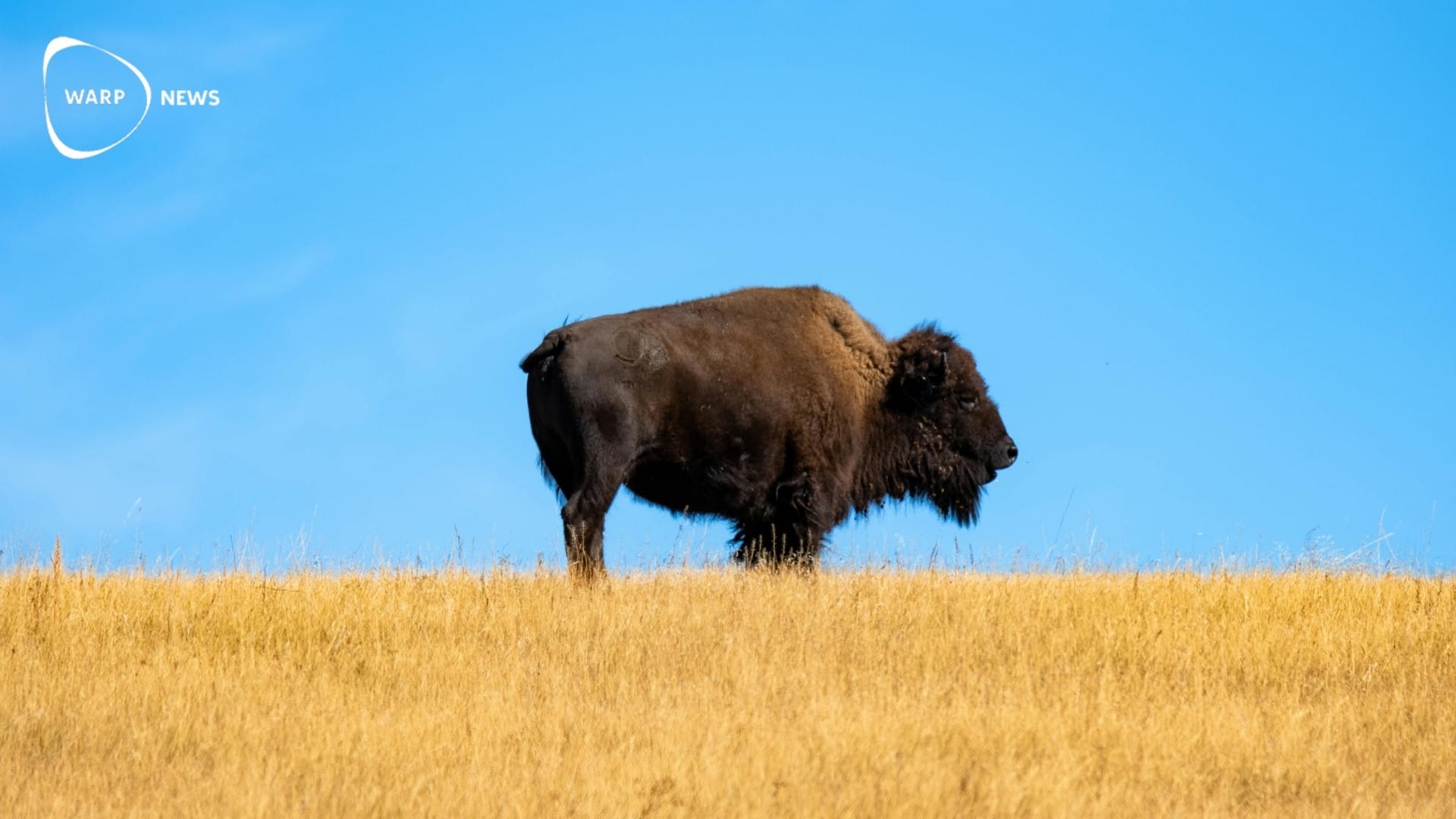
🐂 European bison have increased from 60 to 9,000 – now the species expands in Spain
Nine European bison have been released in the Iberian Highlands in Spain as part of an international research study. The number of European bison has increased from just over 2,500 to around 9,000 individuals over the past decade.
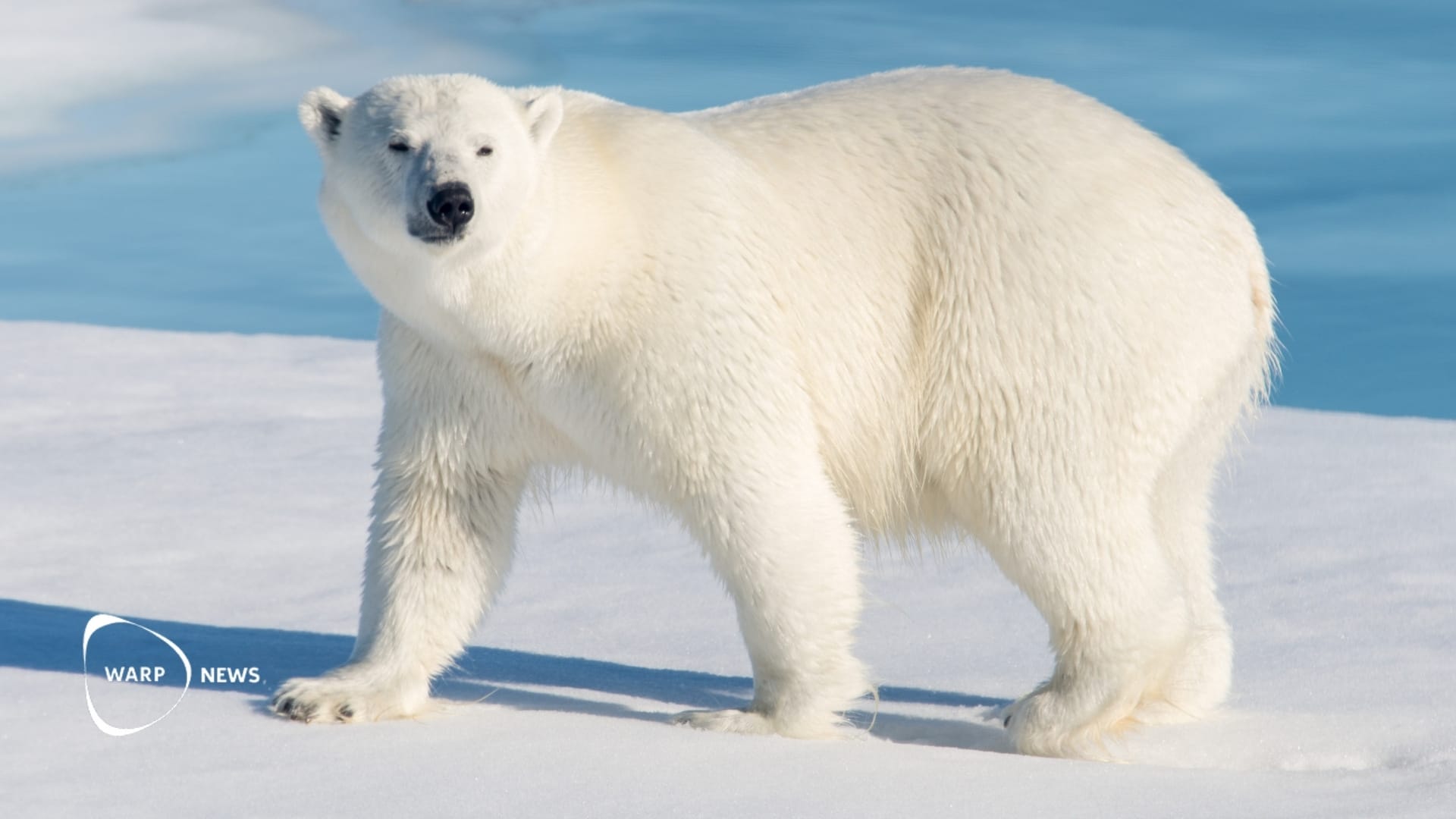
🐻 Polar bears in Svalbard are thriving despite rapid sea ice loss
Researchers studied 770 adult polar bears in Svalbard between 1995 and 2019 and found that their body condition improved after 2000. The Barents Sea has lost sea ice faster than any other area where polar bears live, but the bears showed no signs of deteriorating health.
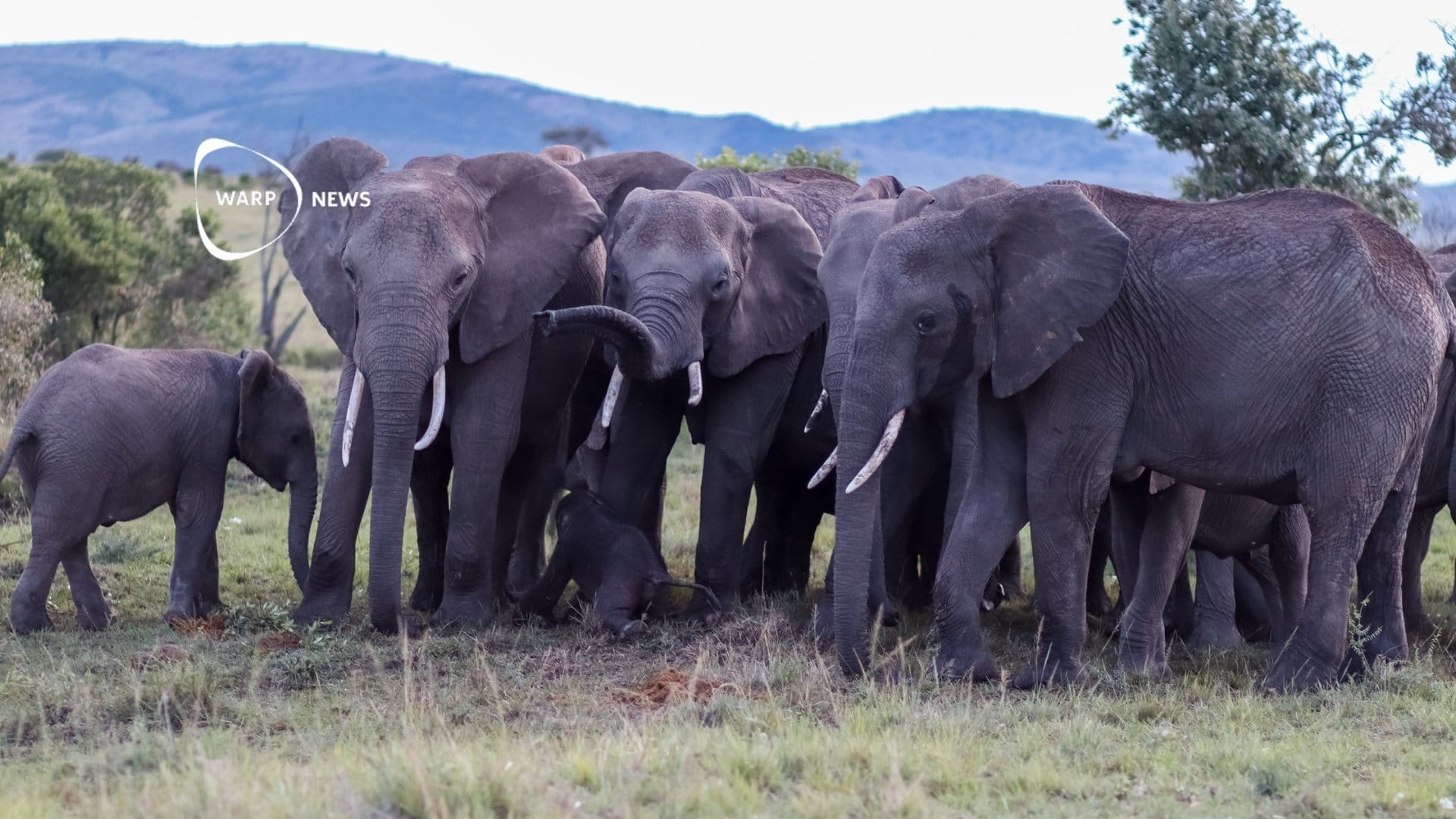
🐘 Number of African forest elephants revised upward by 16 percent
A new report estimates there are 135,690 African forest elephants, an upward revision of 16 percent compared to 2016 figures. Gabon is home to 66 percent of the global population of African forest elephants.
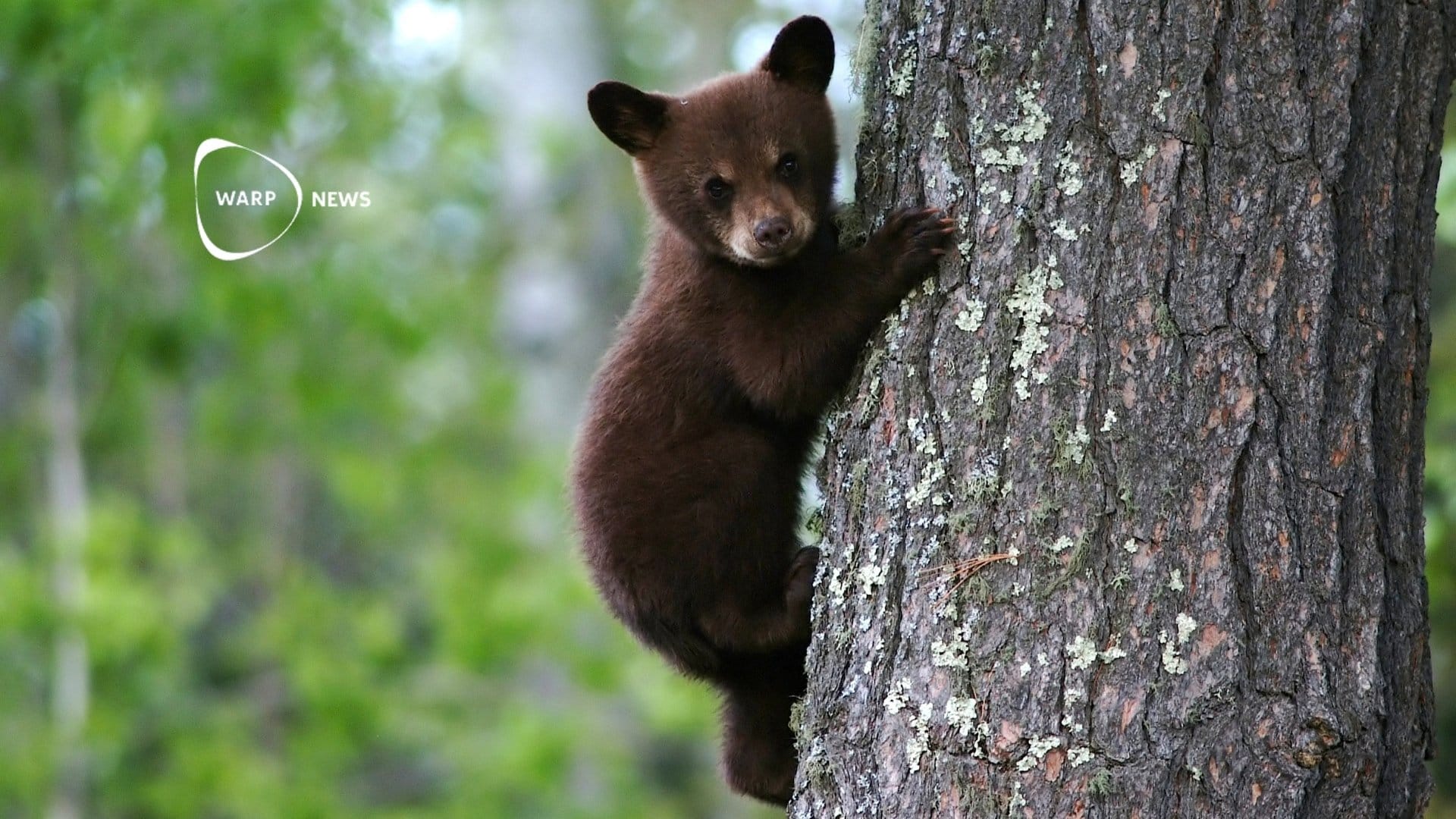
🐺 North America's large carnivores have recovered over the past 50 years
Gray wolves, pumas, black bears, and grizzly bears have made significant comebacks in North America. Black bears have increased by approximately two percent annually since the 1980s and now number over 850,000 individuals.

🐕 Trained dogs track poachers in Africa
A British organization has sent 15 trained dogs to five African countries to combat poaching of rhinos and elephants. Some smaller nature reserves have almost completely eliminated poaching thanks to the deterrent effect of the dogs.
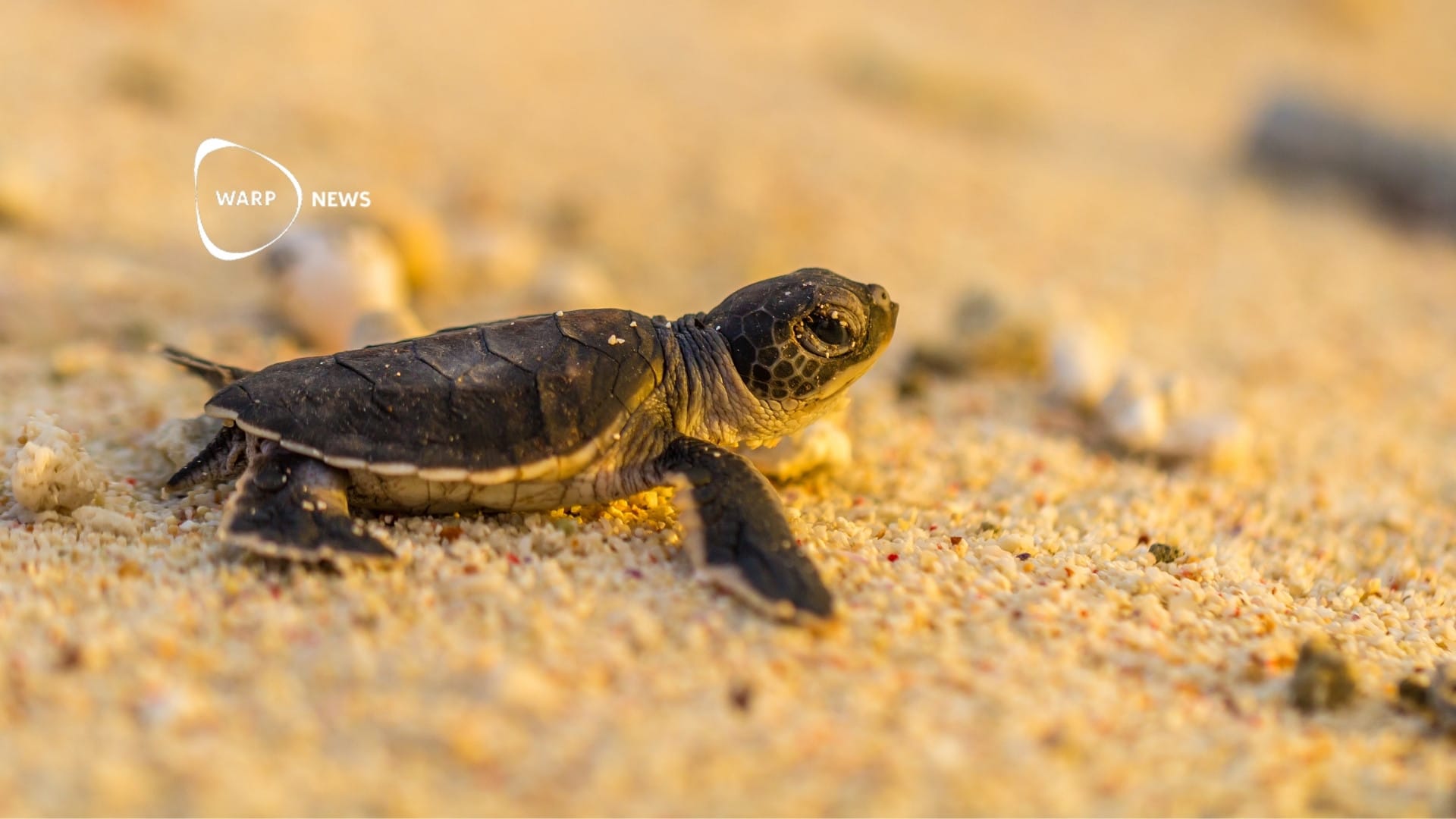
🐢 India's olive ridley turtles have recovered – 10 times as many nests now
20 years ago, researchers counted around 100,000 turtle nests in India, but during last winter's nesting season, approximately one million nests were recorded. Protection measures such as seasonal fishing bans, protected coastal zones, and ecotourism have contributed to the recovery.
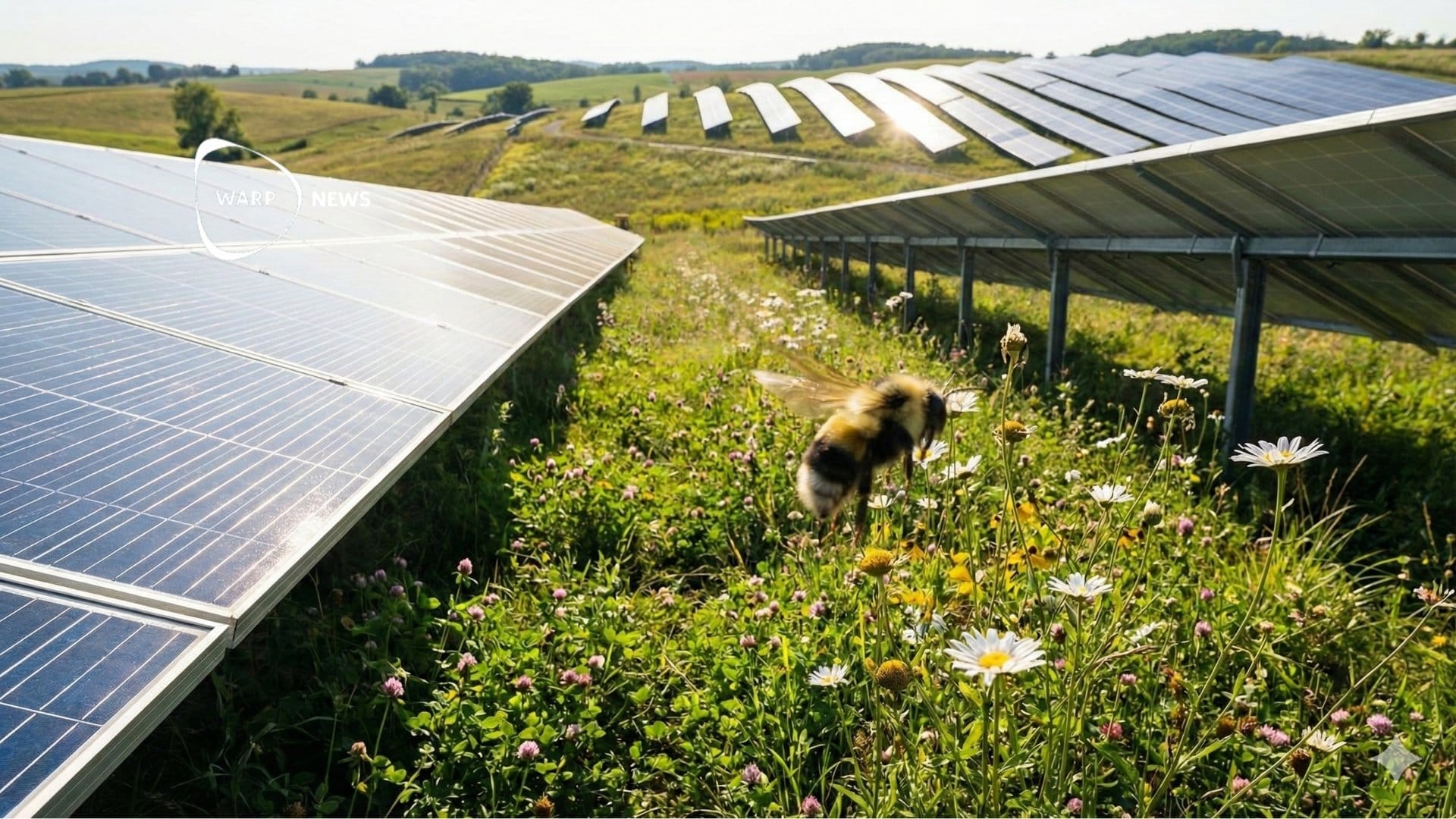
🐝 Solar farms could become important refuges for bumblebees
Solar farms with wildflowers can more than double the number of bumblebees compared to parks with turf grass. The study modelled 1,042 British solar farms and their potential to support bumblebees until 2050.
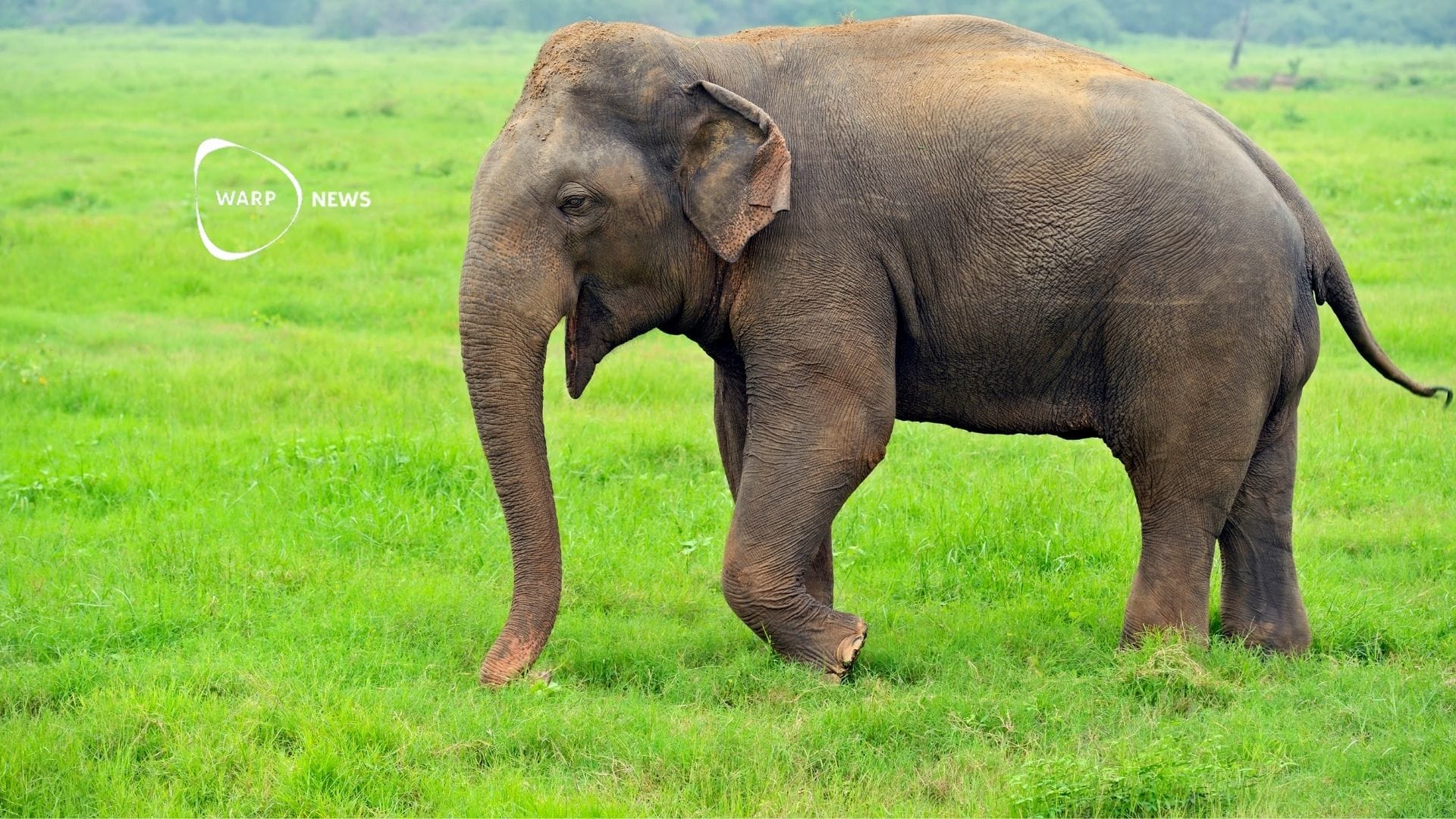
🐘 Elephant poaching decreased by 50 percent after China's ivory ban
Elephant poaching decreased by 50 percent after China implemented its total ivory ban in 2018. The number of illegal ivory seizures also declined after the ban. No "last-minute rush" in smuggling occurred before the ban took effect.
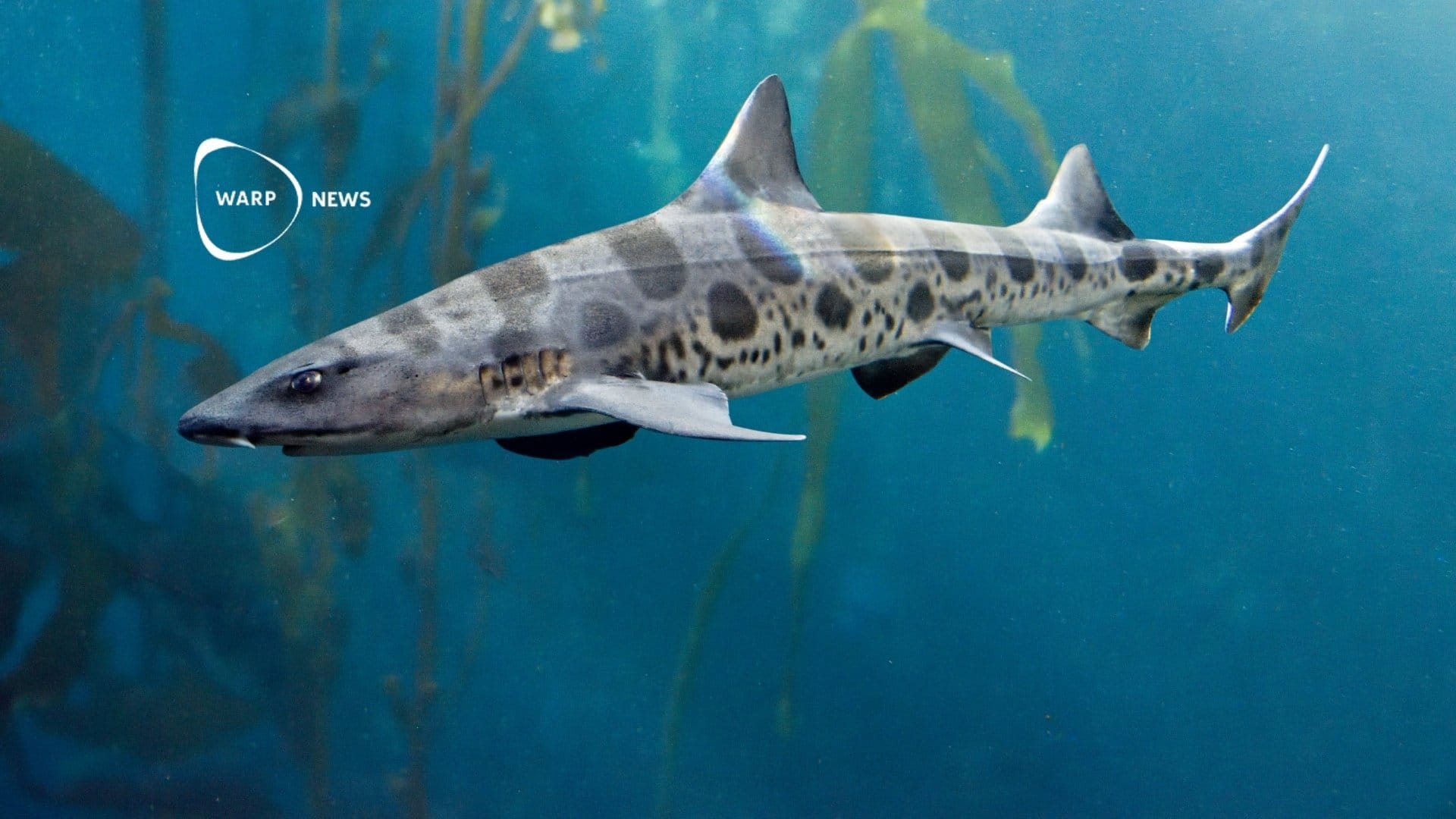
🦈 Extinct sharks to make a comeback in the ocean
ReShark is the world's first program to reintroduce sharks into nature, focusing on Indo-Pacific leopard sharks in Raja Ampat, Indonesia. The program uses surplus eggs from aquariums around the world that are transported to locally operated hatcheries in Indonesia.