
Animal species
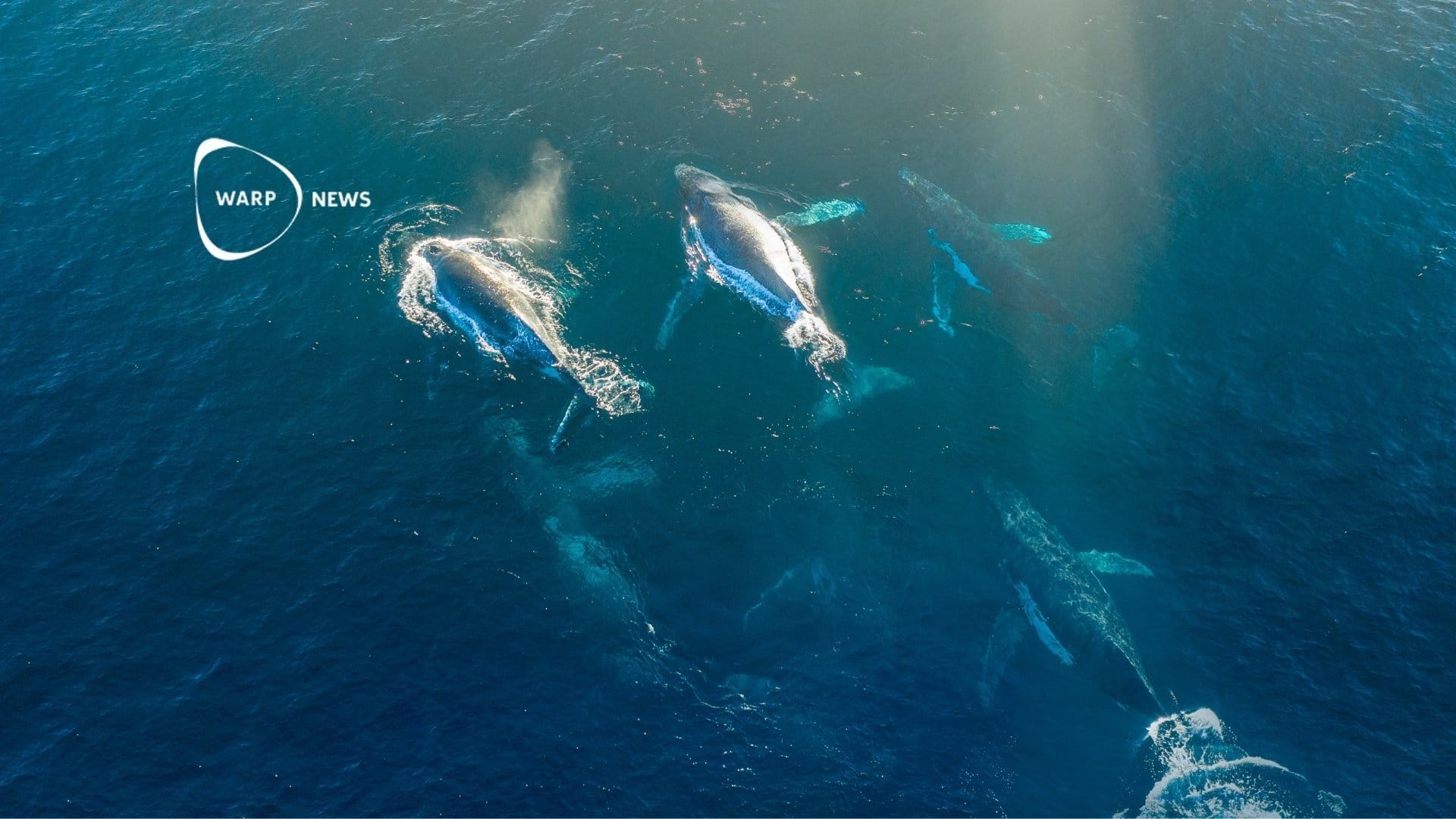
🐋 Humpback whales more numerous now than before industrial whaling began
The population of humpback whales along Australia's east coast reached over 50,000 individuals in 2024, around 20,000 more than before commercial whaling began in the early 1900s.
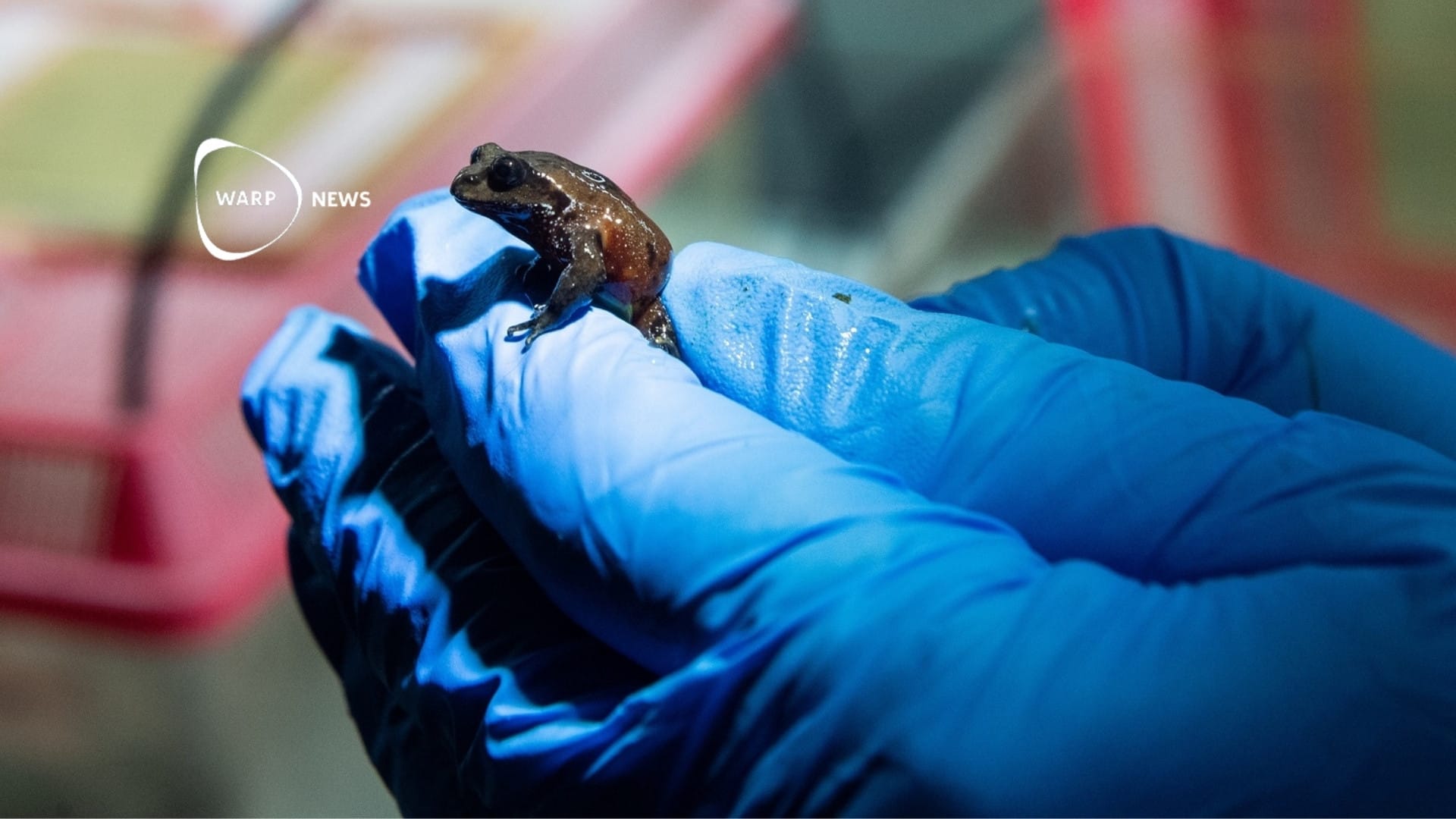
🐸 Researchers successfully breed rare mountain frogs for first time
Seven frogs have been released into the wild at Tooloom National Park as part of a conservation project. The researchers have replicated the frogs' unusual habitat with correct temperature, substrate, plants and sound to enable breeding.

🛢️ Abandoned oil refinery becomes home to 3,200 species
The site hosts almost 12 percent rare, threatened or near-threatened species out of 3,200 documented species in total.
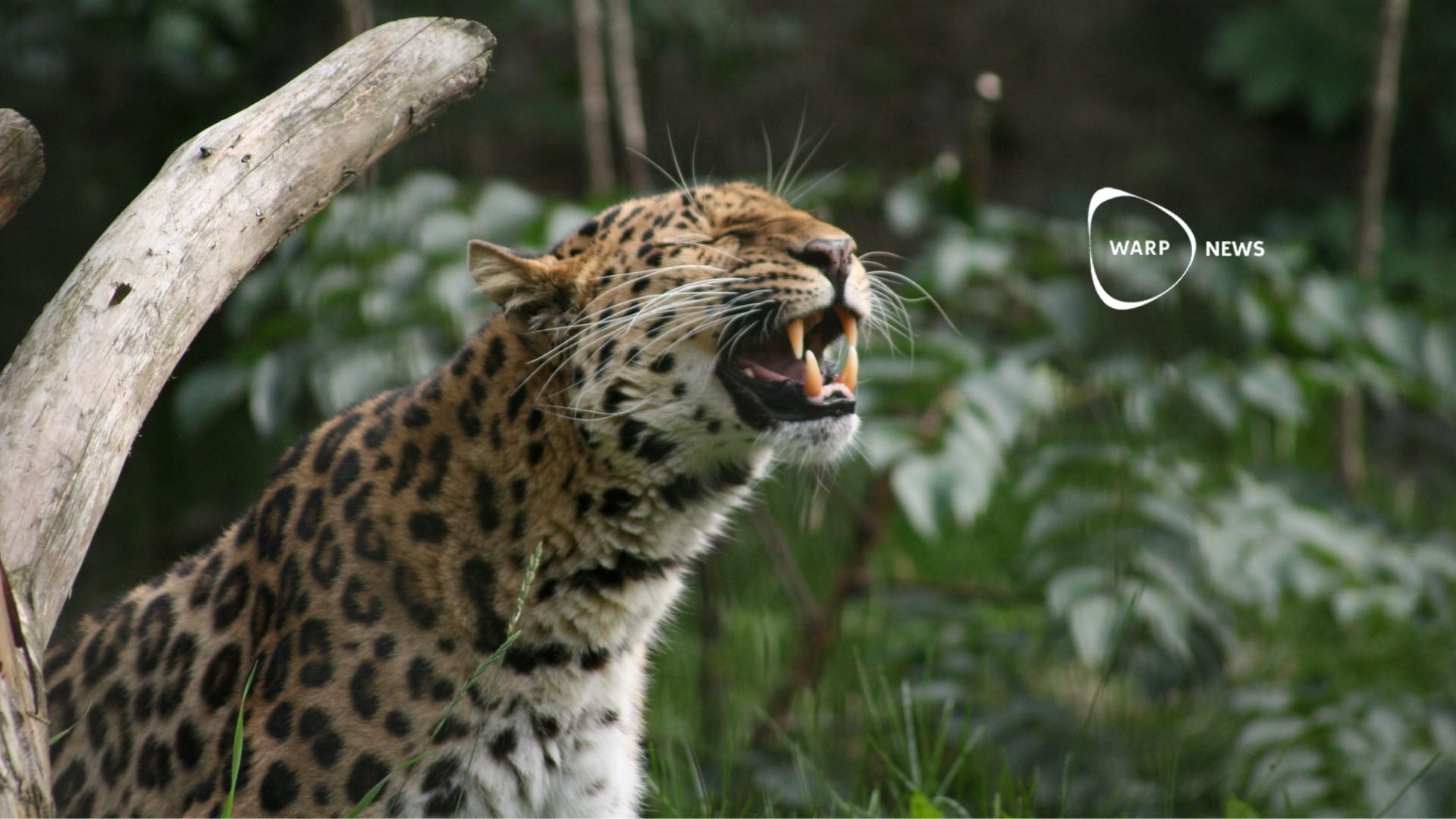
🐆 Endangered Amur leopard population increases to 130 individuals
Researchers' monitoring with over 200 camera traps shows the population is spreading across borders.

🐠 Coral believed extinct rediscovered after 24 years in Galápagos
Scientists have rediscovered over 250 healthy colonies of the coral species Rhizopsammia wellingtoni in waters around the Galápagos Islands. The coral had not been observed by researchers since 2000 and was classified as critically endangered and possibly extinct in 2007.
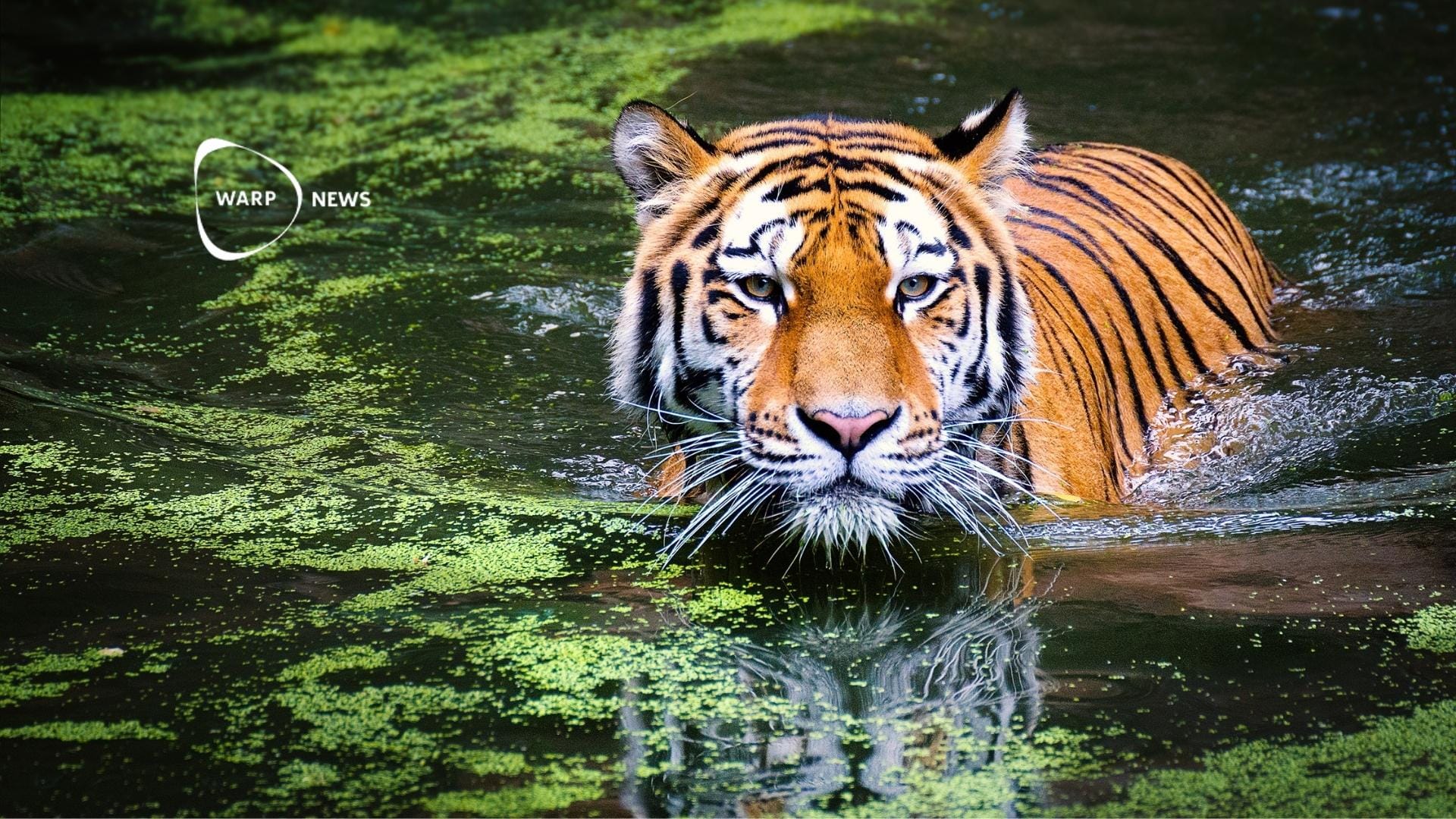
🐅 Thailand's tiger population has increased fivefold in 15 years
The tiger population in Thailand's Western Forest Complex has increased from approximately 40 individuals in 2007 to between 179 and 223 last year. WWF calls the increase extraordinary. Major tiger population recoveries have also been noted in India and Nepal.
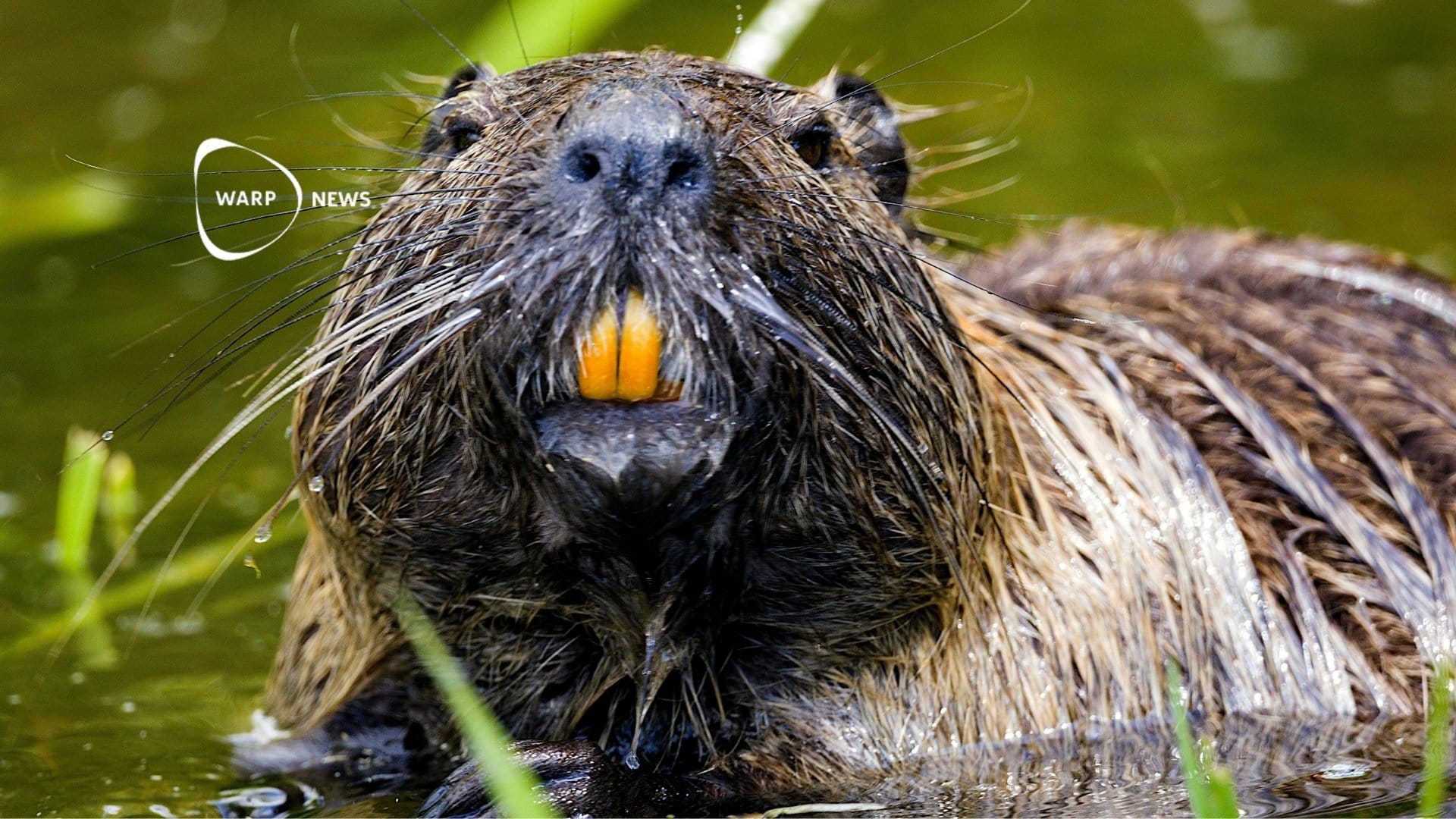
🔙 Beaver returns to Portugal after 500 years
Beaver has returned to Portugal after being extinct since the end of the 1400s, confirmed through camera traps and gnaw marks. The species functions as a natural ecosystem engineer that creates wetlands and improves water quality without human cost.
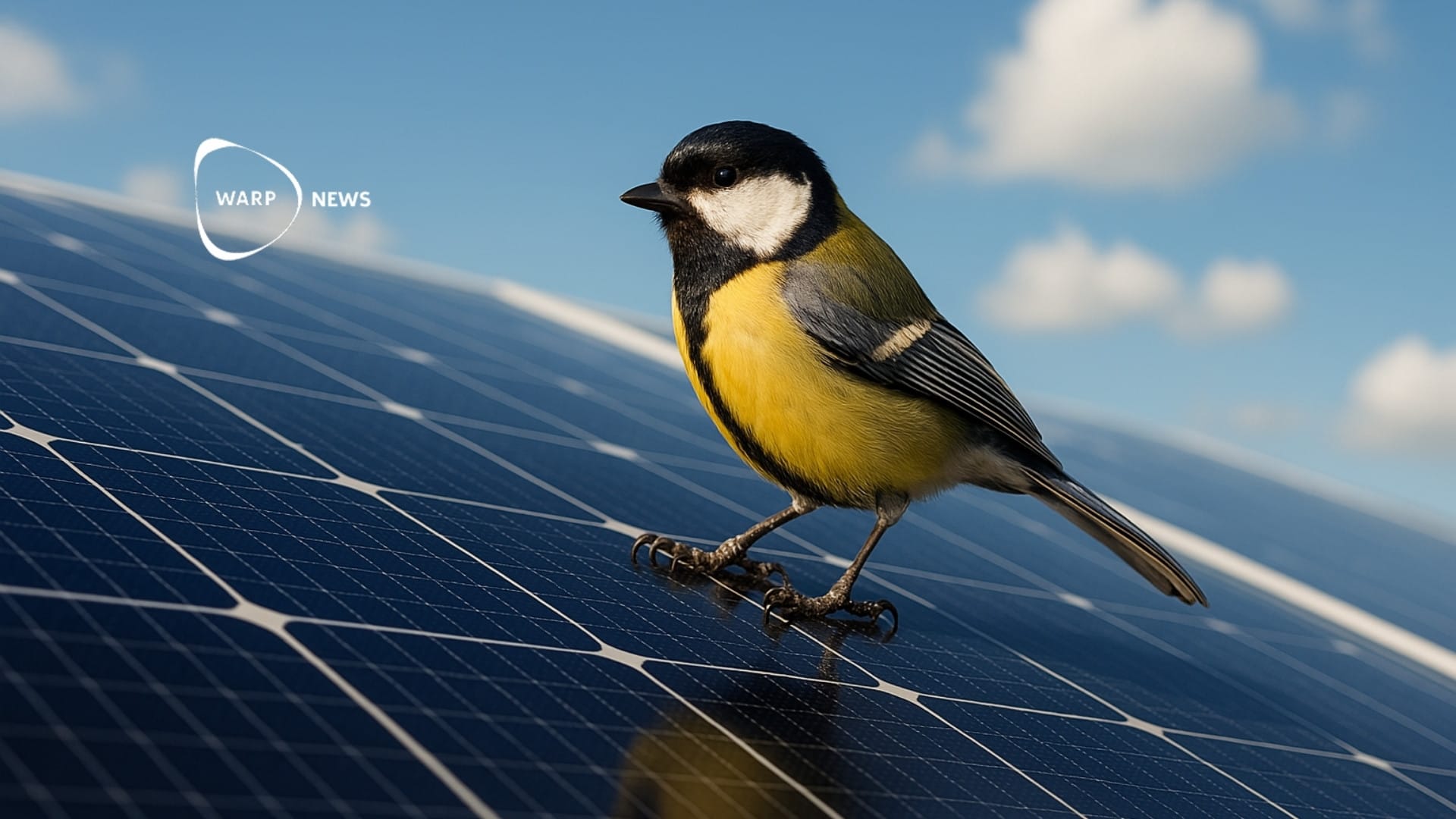
🐦 Solar farms benefit bird life more than agricultural land
Well-managed solar parks have been shown to host more bird species and individuals per hectare than surrounding farmland. Solar parks that maintain a mix of habitats, uncut grass, and preserved hedges had almost three times more birds compared to nearby farmland.
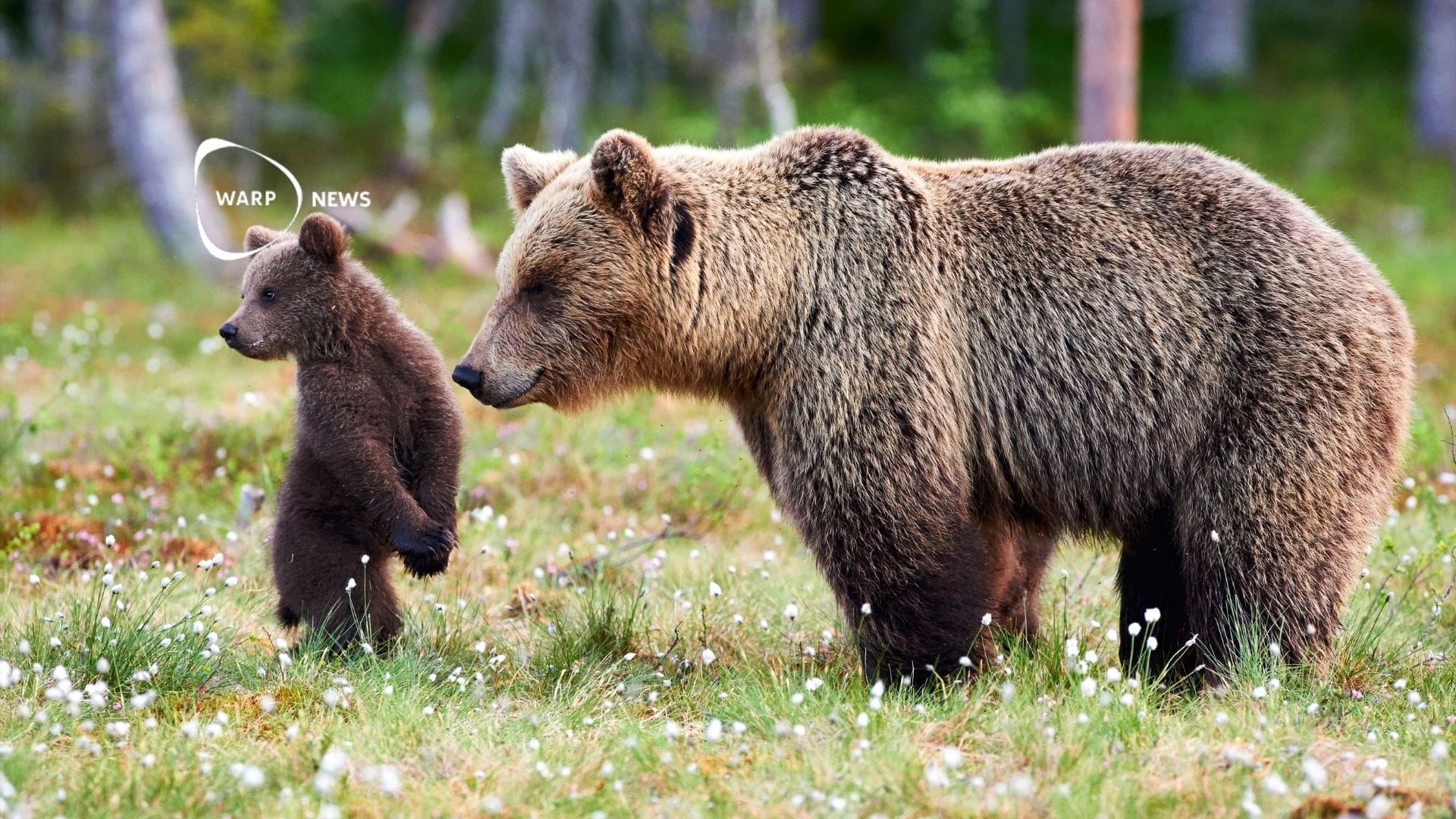
🐻 Wild predators make successful comeback in Europe
The Iberian lynx, which 25 years ago had fewer than 100 individuals left, has now recovered and its status has changed from "critically endangered" to "vulnerable." Brown bears have increased by 17% to 20,500, Eurasian lynx by 12% to 9,400, and wolverines by 16% to 1,300 since 2016.