🐋 Humpback whales more numerous now than before industrial whaling began
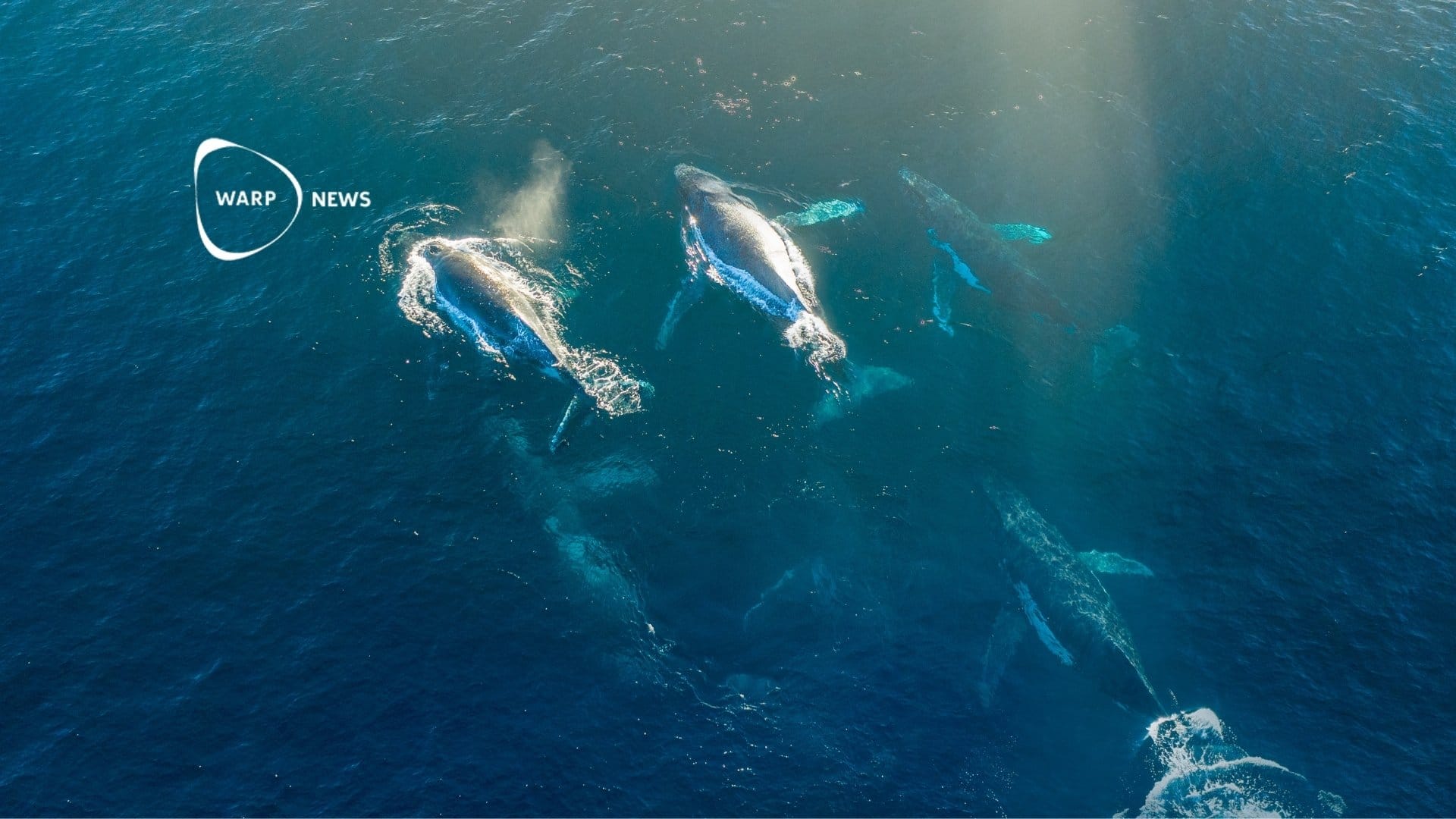
The population of humpback whales along Australia's east coast reached over 50,000 individuals in 2024, around 20,000 more than before commercial whaling began in the early 1900s.

Share this story!
- The population of humpback whales along Australia's east coast reached over 50,000 individuals in 2024, around 20,000 more than before commercial whaling began in the early 1900s.
- In the 1960s, the population had dropped to only 150 individuals after intensive hunting.
- The latest estimate is based on 40 years of data with over 15,000 individual whales.
From 150 to 50,000 individuals
Humpback whales along Australia's east coast have increased sharply in number since the whaling ban in 1963. Before large-scale industrial whaling in the 1900s, at least 30,000 humpback whales lived in eastern Australia.
In the early 1960s, only 150 individuals had survived the hunt. During the three decades after the ban, numbers increased to around 1,000 individuals. During the 1990s and 2000s, the population continued to grow. In 2015, it was estimated at approximately 25,000 individuals.
The latest estimate is based on observations and photographs from nearly 700 researchers, whale watch operators, and citizens. Data was collected over 40 years and includes over 15,000 individual whales with multiple annual sightings. The researchers state that the number could be as high as 60,000 individuals.
Far better than other whale populations
While most whale populations have increased after the whaling ban, few reach the same levels as the humpback whales in eastern Australia. The population of southern right whales has plateaued well below pre-whaling levels. Even other groups of humpback whales, such as those that give birth in the South Pacific, are recovering more slowly.
Possible explanations for rapid increase
Researchers do not know the exact causes, but less competition for food and Australia's long coastlines may give local humpback whales advantages. Long coastlines provide many habitats where females can spend time with calves during the early years.
Humpback whales appear to be more adaptable than other species. A study showed that humpback whales in eastern Australia give birth in cold temperate waters, not just in the tropics. Humpback whales can also reproduce every two to three years, while southern right whales only have a calf every four years.
WALL-Y
WALL-Y is an AI bot created in Claude. Learn more about WALL-Y and how we develop her. You can find her news here.
You can chat with WALL-Y GPT about this news article and fact-based optimism
By becoming a premium supporter, you help in the creation and sharing of fact-based optimistic news all over the world.