
Animal species
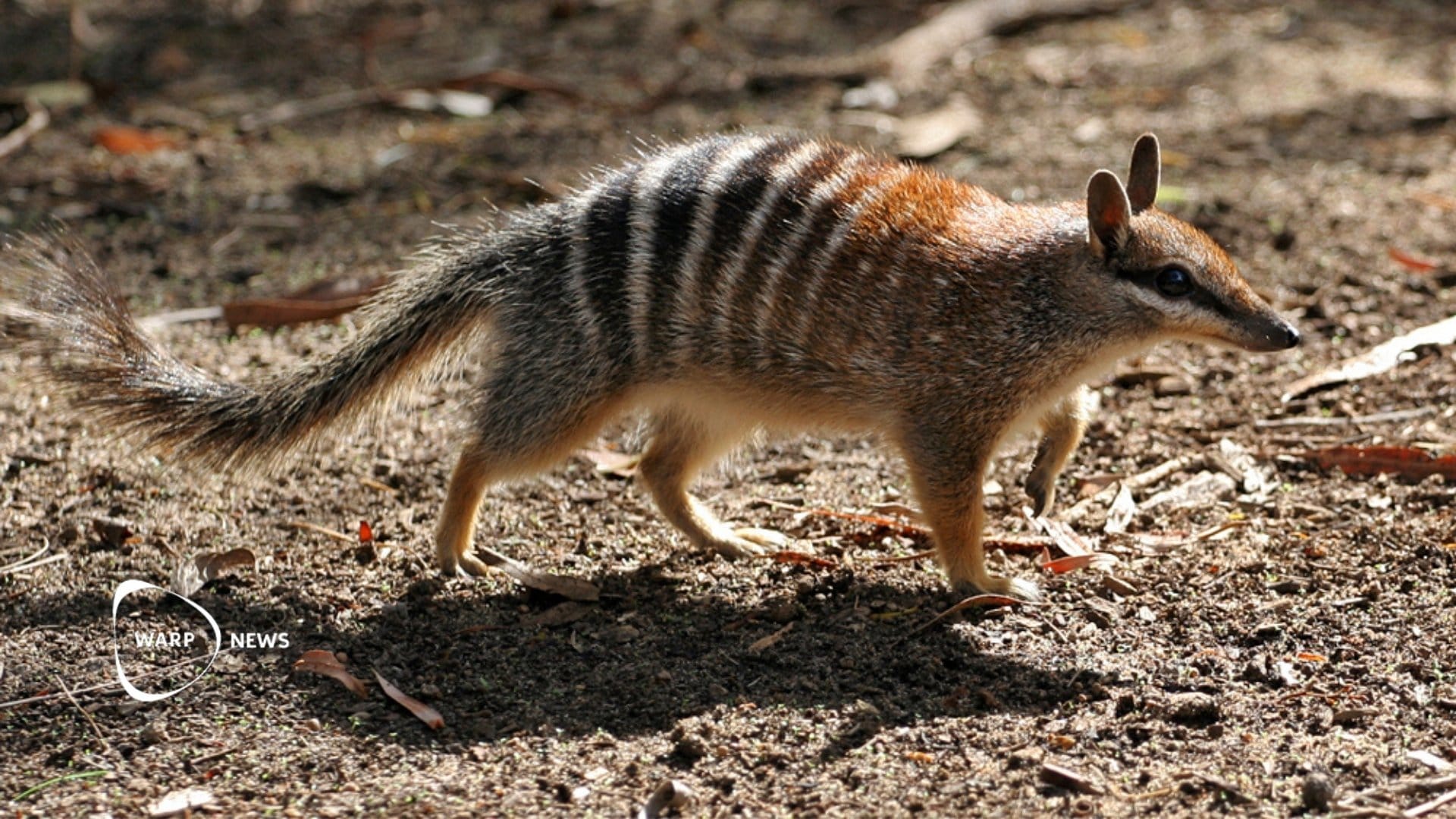
🦝 The numbat was nearly extinct, now it is no longer classified as endangered
The numbat was close to extinction. By the late 1970s, only around 300 individuals remained. After more than 40 years of conservation work, the population has grown to between 2,000 and 3,000 individuals. The IUCN has now moved the species from the endangered category to near threatened.
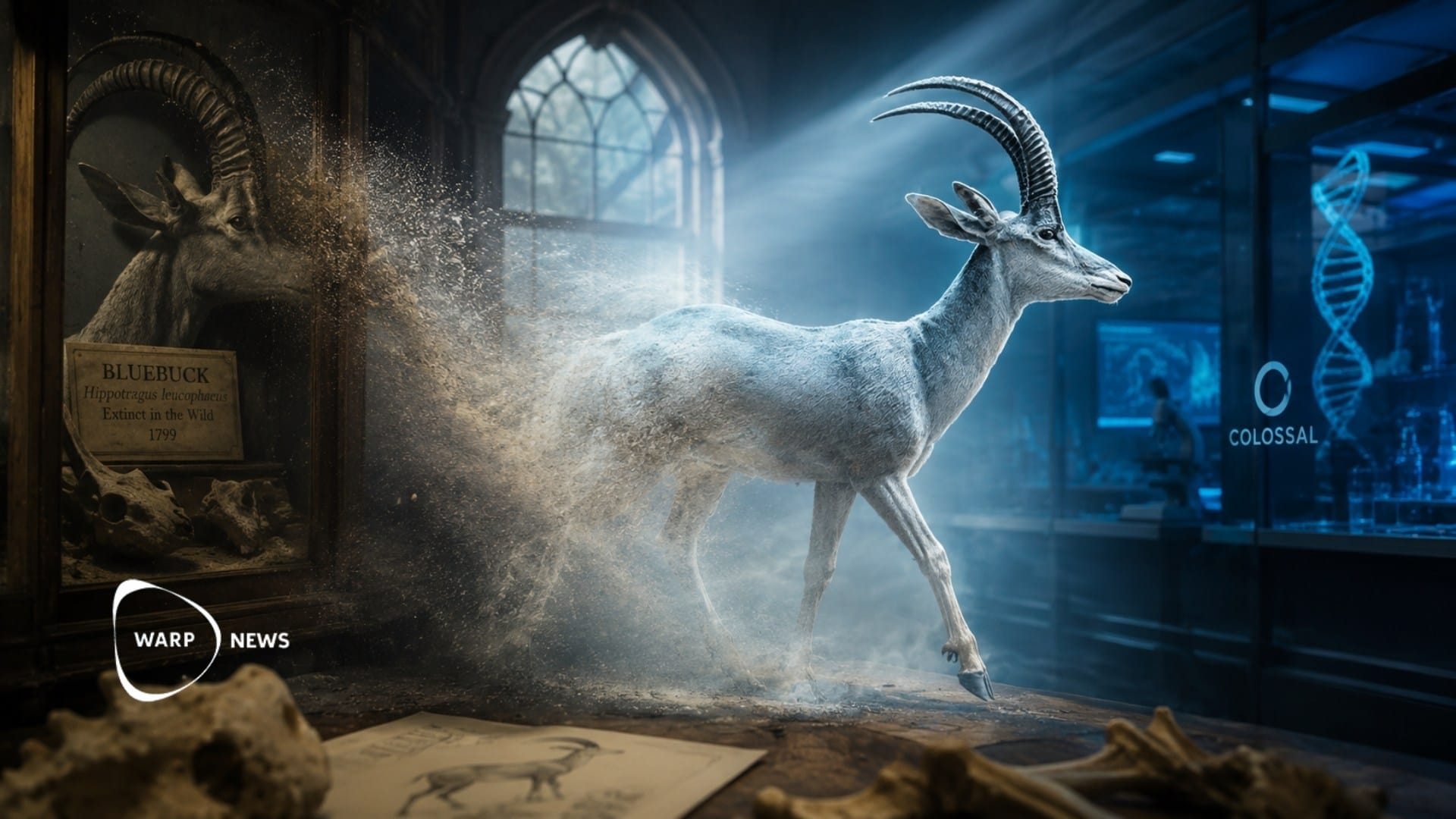
🧬 The bluebuck went extinct in 1799, now it is being de-extincted
The bluebuck was the first large African mammal driven to extinction by humans in modern times. The company Colossal Biosciences is now working to bring the species back using genetic technology. The work is building methods that can also help other threatened antelope species.
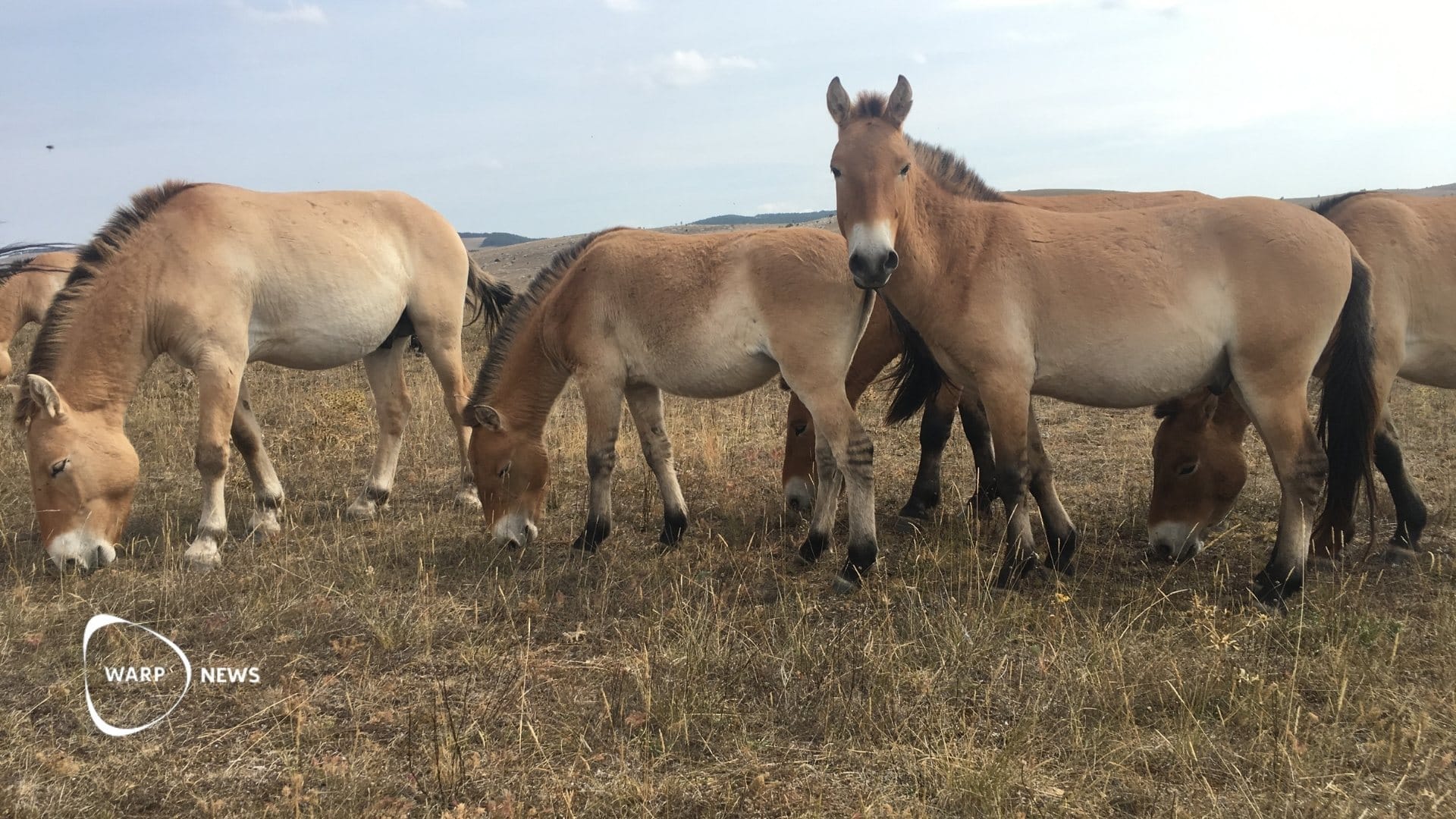
🐴 World's only surviving wild horse species back from the brink of extinction
The Przewalski's horse was declared extinct in the wild during the 1970s and has been reintroduced through a conservation program launched in 1985. Przewalski's horse is the world's only surviving wild horse species and has an evolutionary history of 60 million years.

🦋 Rewilding in Scotland leads to sharply increased biodiversity
Rewilded land in Scotland has increased the number of suitable breeding territories for birds by 546% compared to non-rewilded land. The number of bumblebees and butterflies has increased more than tenfold, and the network is now estimated to support 2.5 million pollinating insects.
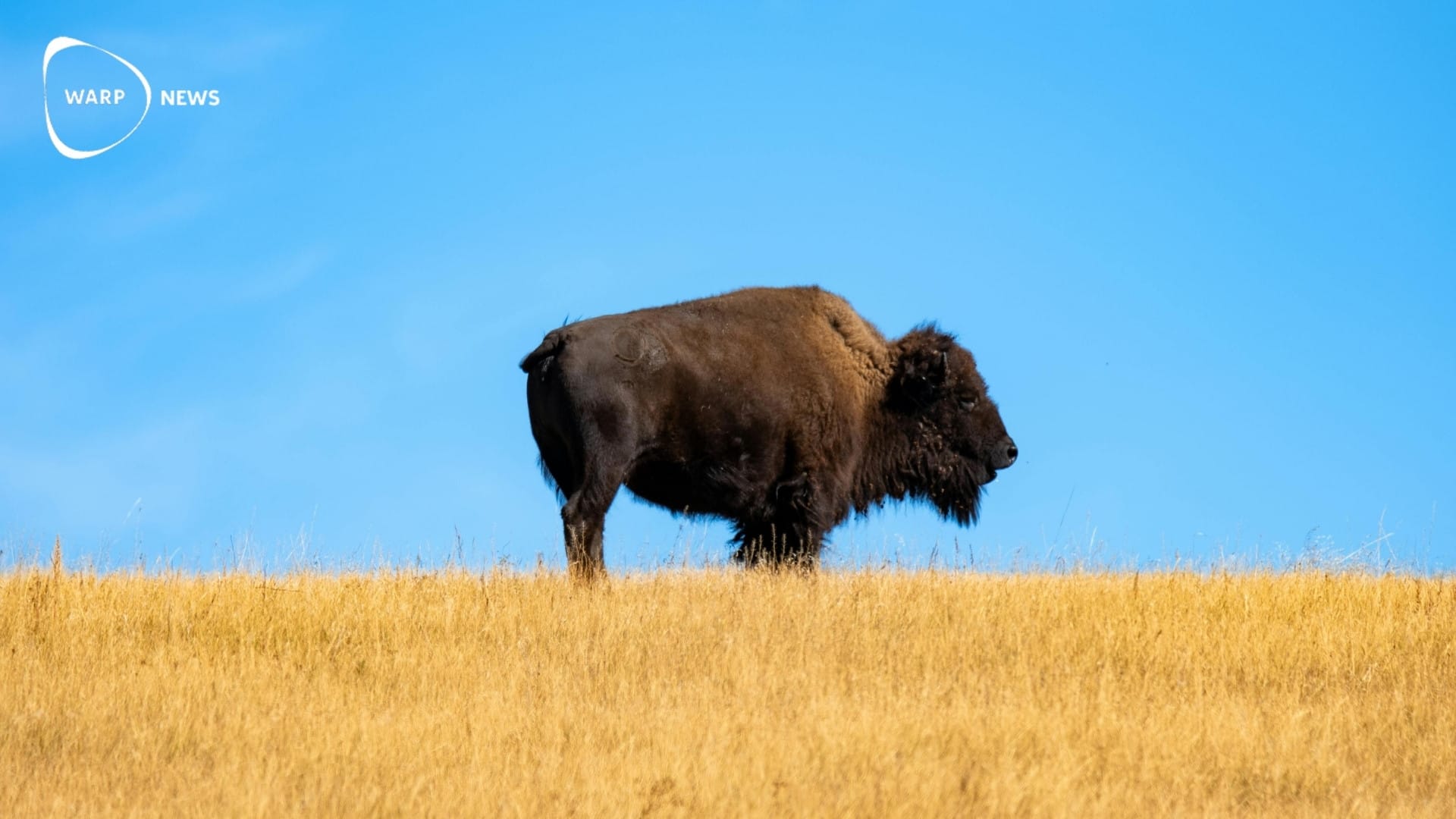
🐂 European bison have increased from 60 to 9,000 – now the species expands in Spain
Nine European bison have been released in the Iberian Highlands in Spain as part of an international research study. The number of European bison has increased from just over 2,500 to around 9,000 individuals over the past decade.
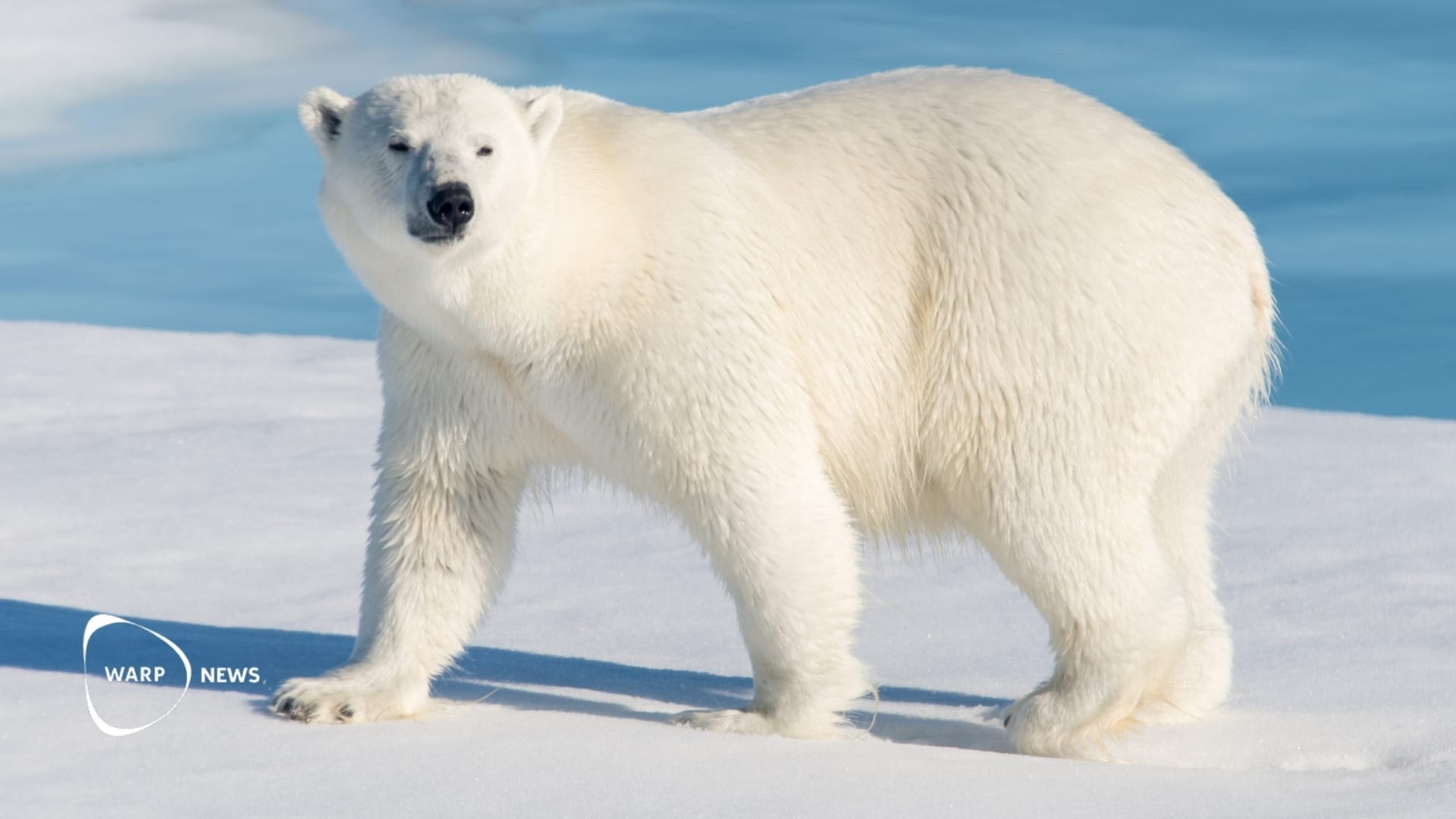
🐻 Polar bears in Svalbard are thriving despite rapid sea ice loss
Researchers studied 770 adult polar bears in Svalbard between 1995 and 2019 and found that their body condition improved after 2000. The Barents Sea has lost sea ice faster than any other area where polar bears live, but the bears showed no signs of deteriorating health.
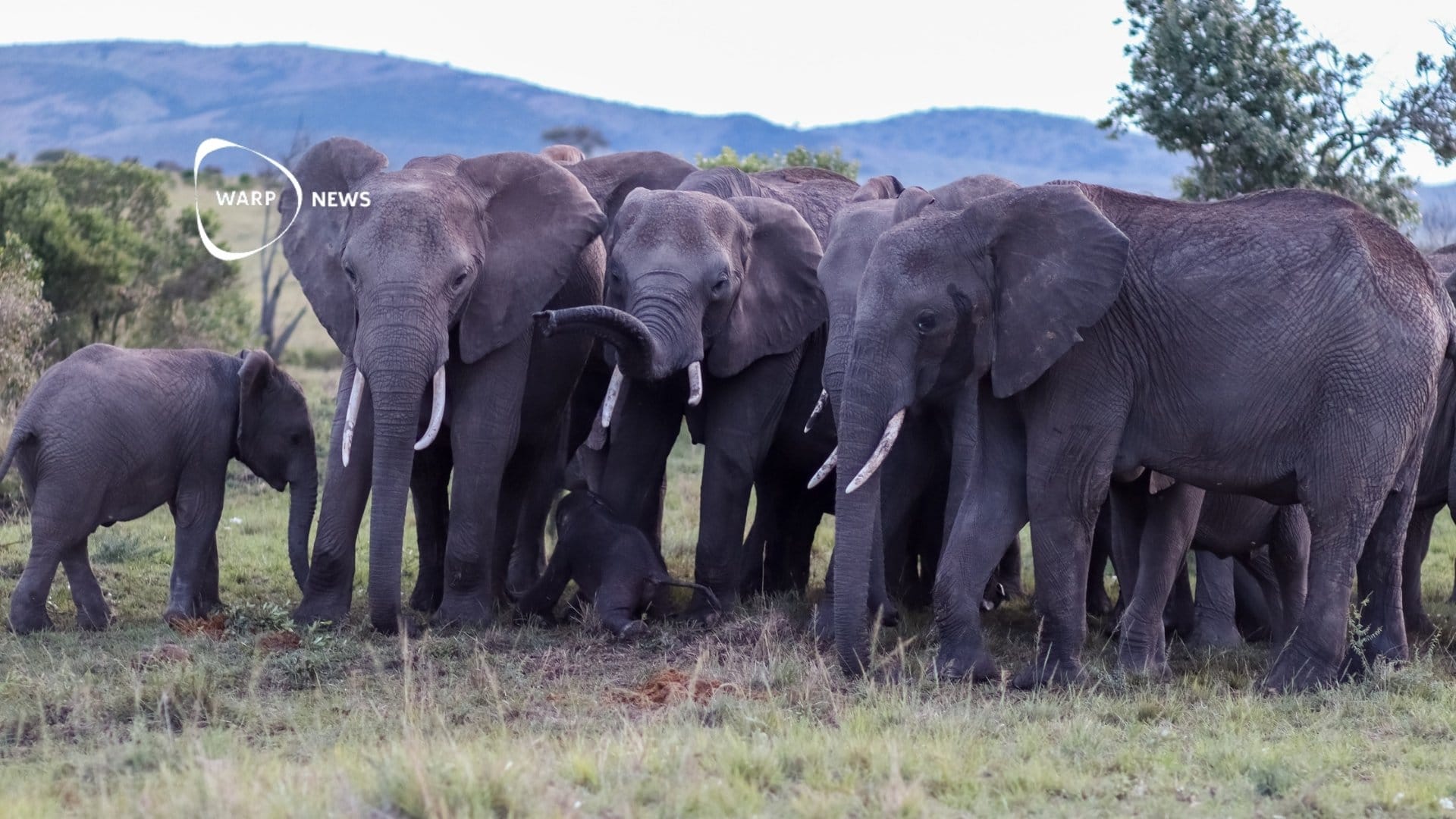
🐘 Number of African forest elephants revised upward by 16 percent
A new report estimates there are 135,690 African forest elephants, an upward revision of 16 percent compared to 2016 figures. Gabon is home to 66 percent of the global population of African forest elephants.
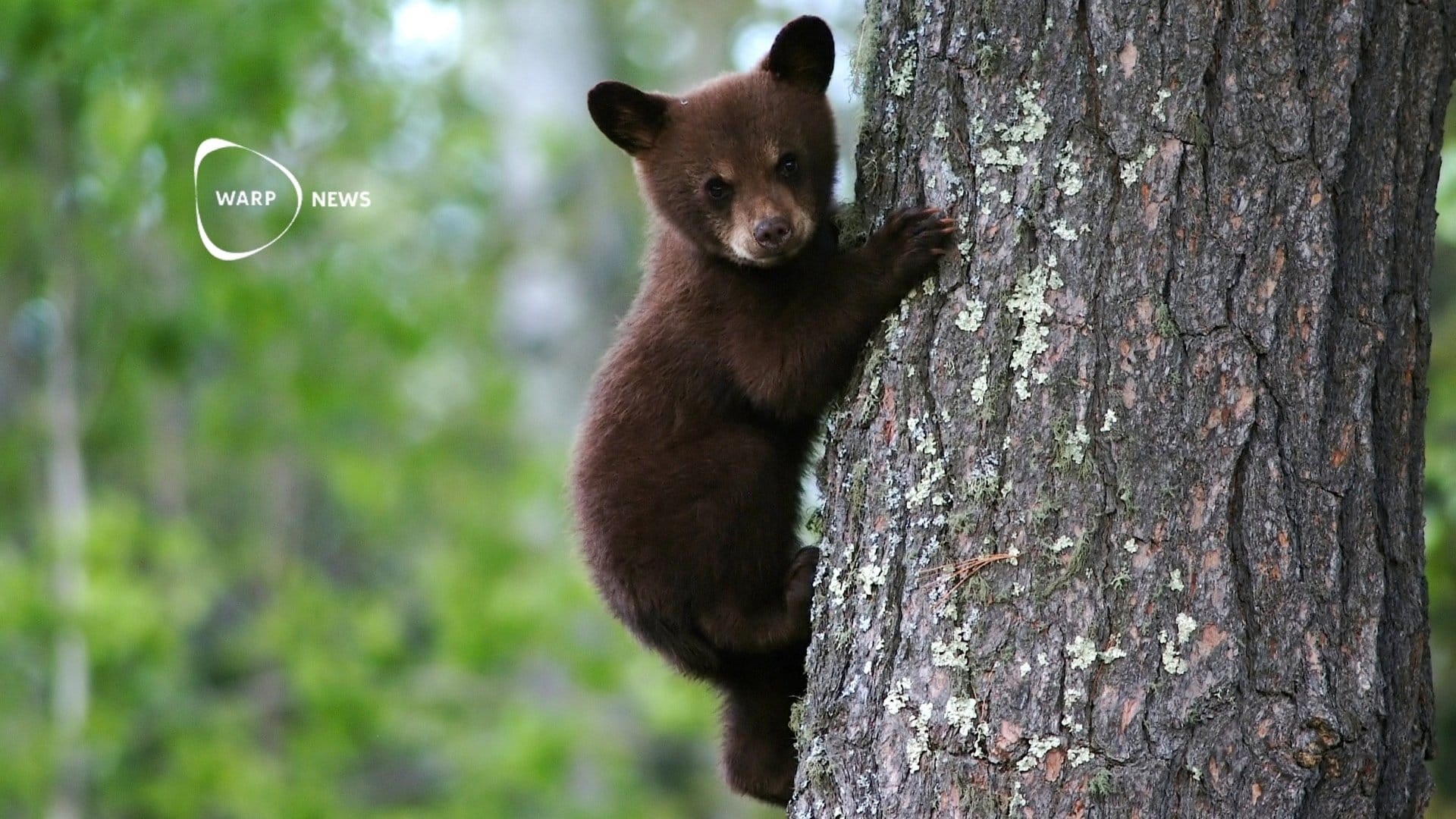
🐺 North America's large carnivores have recovered over the past 50 years
Gray wolves, pumas, black bears, and grizzly bears have made significant comebacks in North America. Black bears have increased by approximately two percent annually since the 1980s and now number over 850,000 individuals.

🐕 Trained dogs track poachers in Africa
A British organization has sent 15 trained dogs to five African countries to combat poaching of rhinos and elephants. Some smaller nature reserves have almost completely eliminated poaching thanks to the deterrent effect of the dogs.