
animals
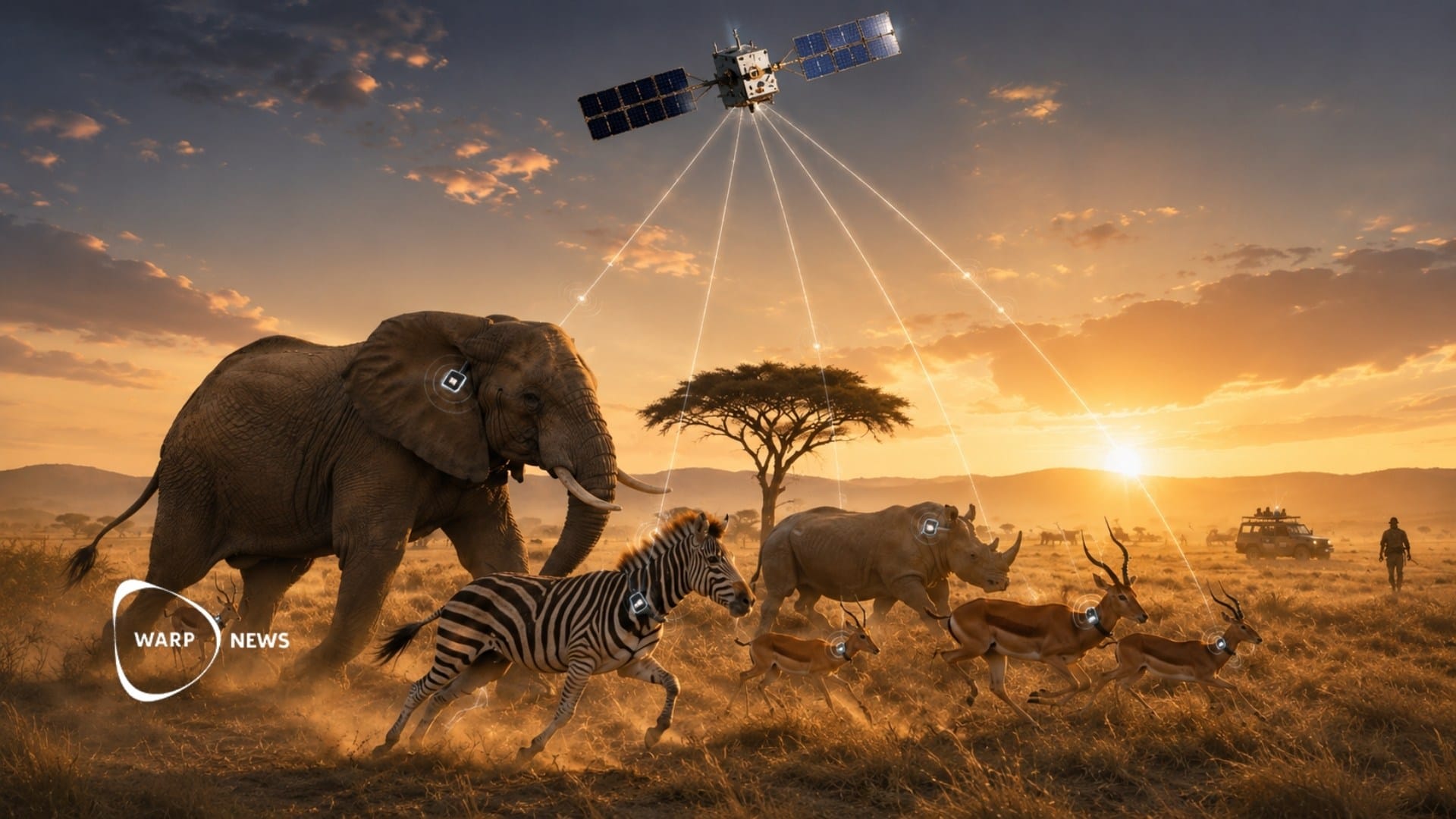
🦏 Satellites track animals from space to detect poachers in real time
When a poacher approaches, the animals flee in patterns that can be recognized, and tags on the animals pass the signal on so rangers can intervene. By 2027, six receivers in orbit will be able to receive data on animal movements in real time across the entire planet.
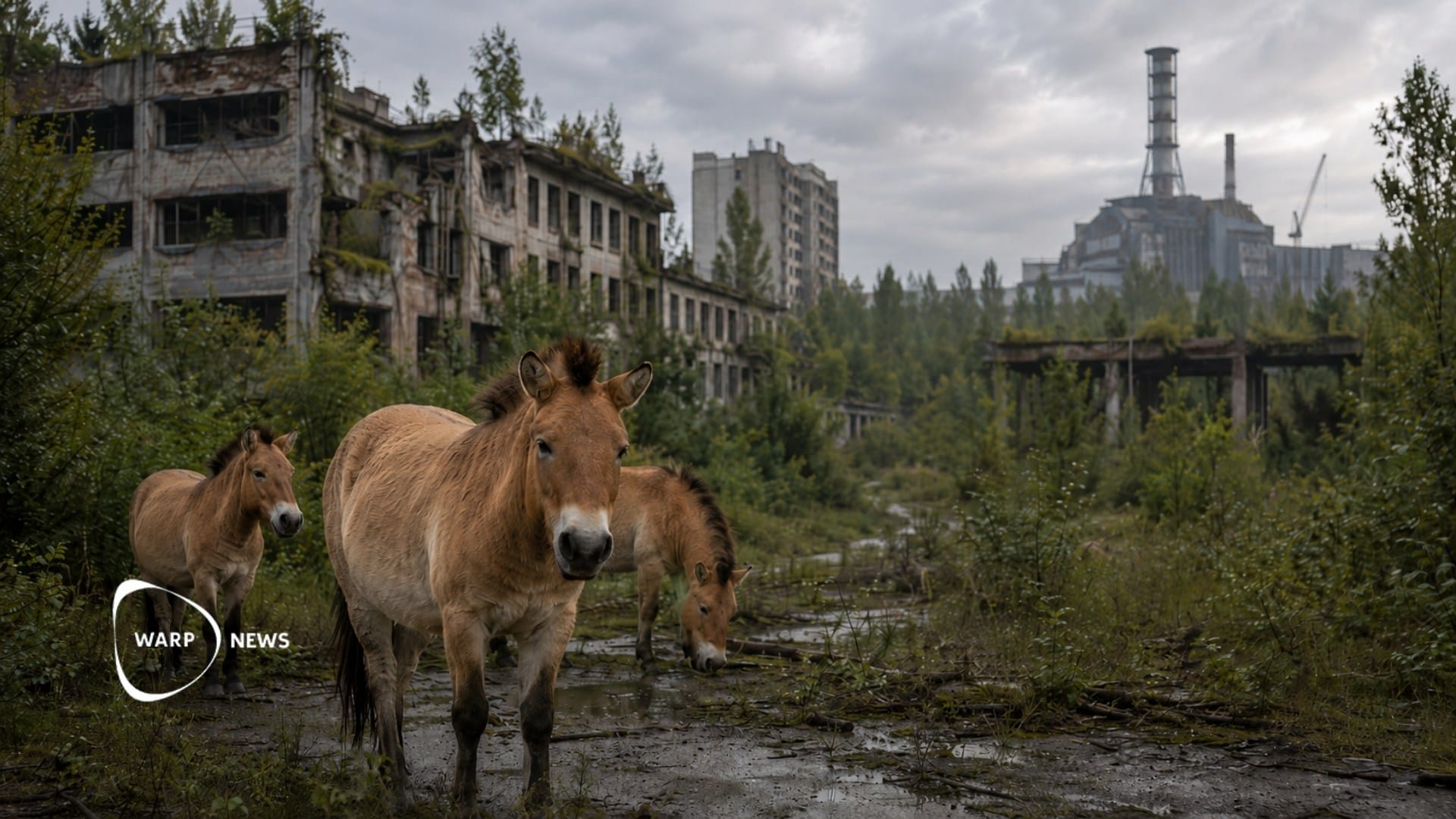
☢️ Forty years after the disaster, Chernobyl teems with wildlife
Forty years after the accident at the nuclear power plant, the area around Chernobyl remains too dangerous for human habitation. But the wildlife has moved back in. Przewalski's horses, wolves, bears, lynx, moose, and red deer roam freely in the Chernobyl zone.
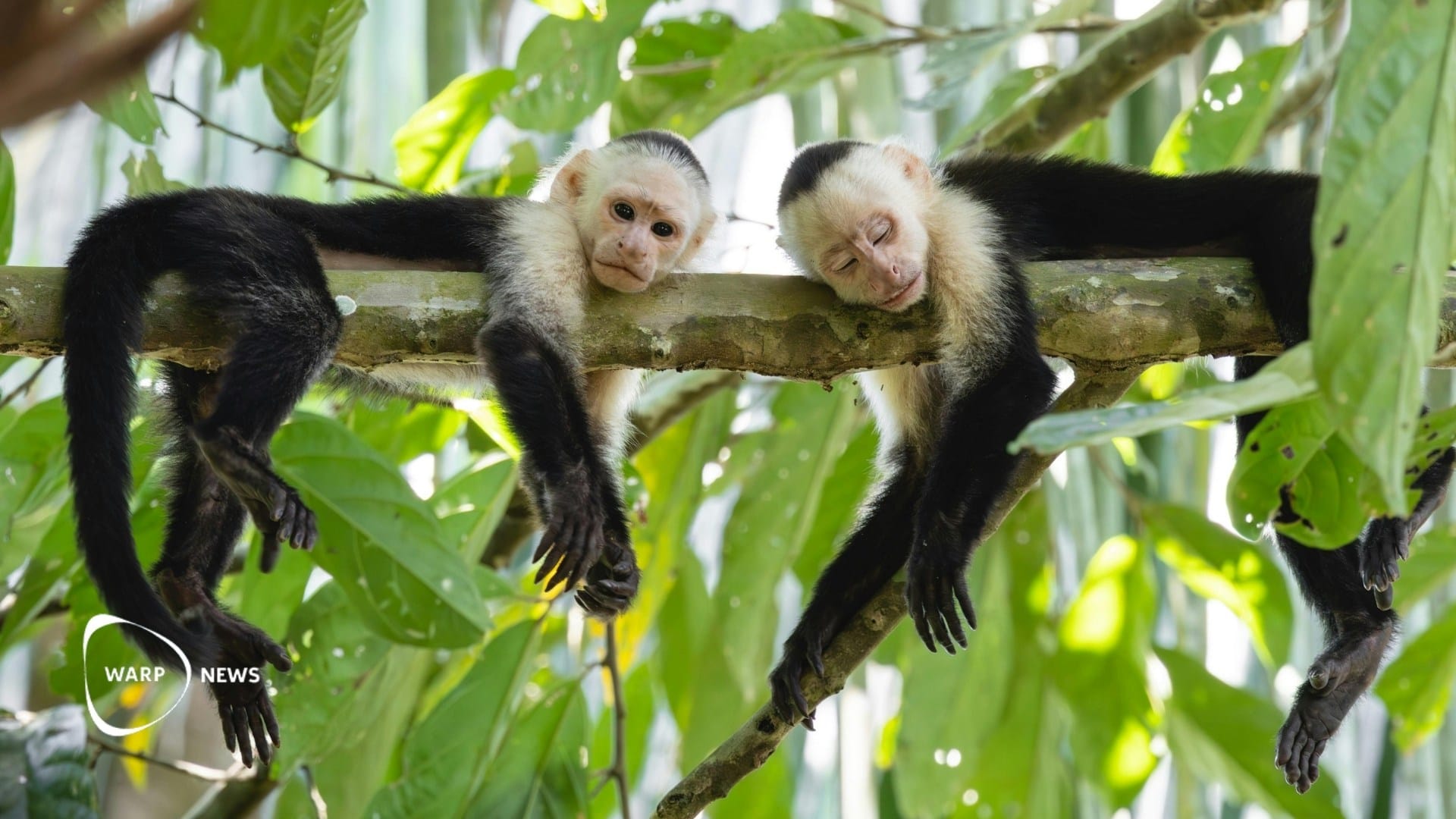
🌳 Rainforest wildlife returns to abandoned farmland within 30 years
A study from Ecuador shows that biodiversity in tropical rainforest recovers to more than 90 percent of its original level within three decades. Three-quarters of the animal and plant species typical of untouched primary forest return to abandoned agricultural land during the same period.

🌊 Montana tribes restore their rivers after historic water agreement
The Confederated Salish and Kootenai Tribes are restoring the Jocko River and other waterways in Northwestern Montana following a historic water compact with the state. Restoration work has already resulted in more bull trout returning to their native streams.
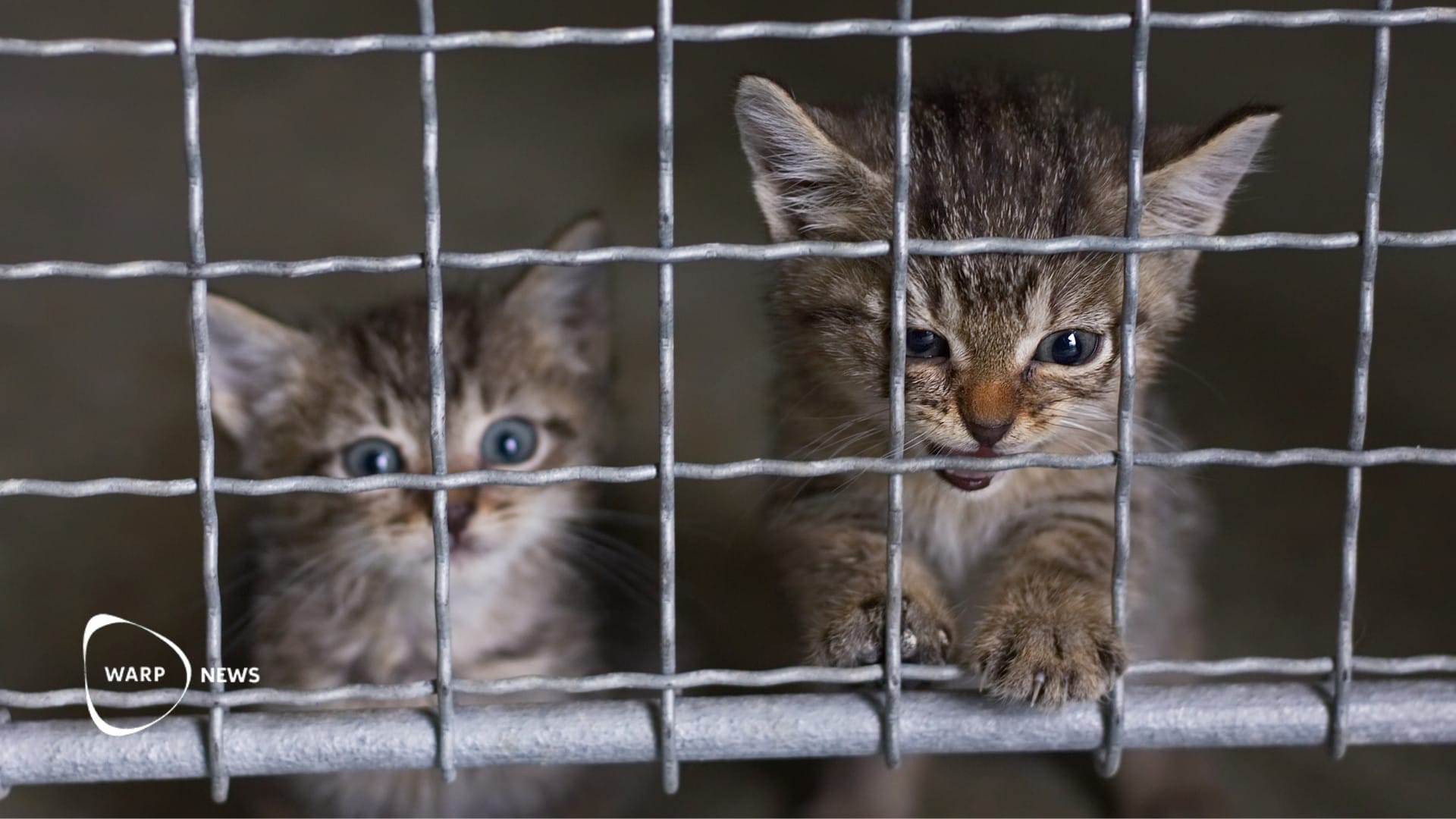
😺 The number of cats euthanized in American shelters has decreased by 75 percent in ten years
Ten years ago, the chance of a cat surviving a shelter was roughly fifty-fifty. Today, cats are being saved at record levels. The number of cat adoptions has increased by 20 percent over the past decade, and Generation Z has had the biggest impact on the increase.
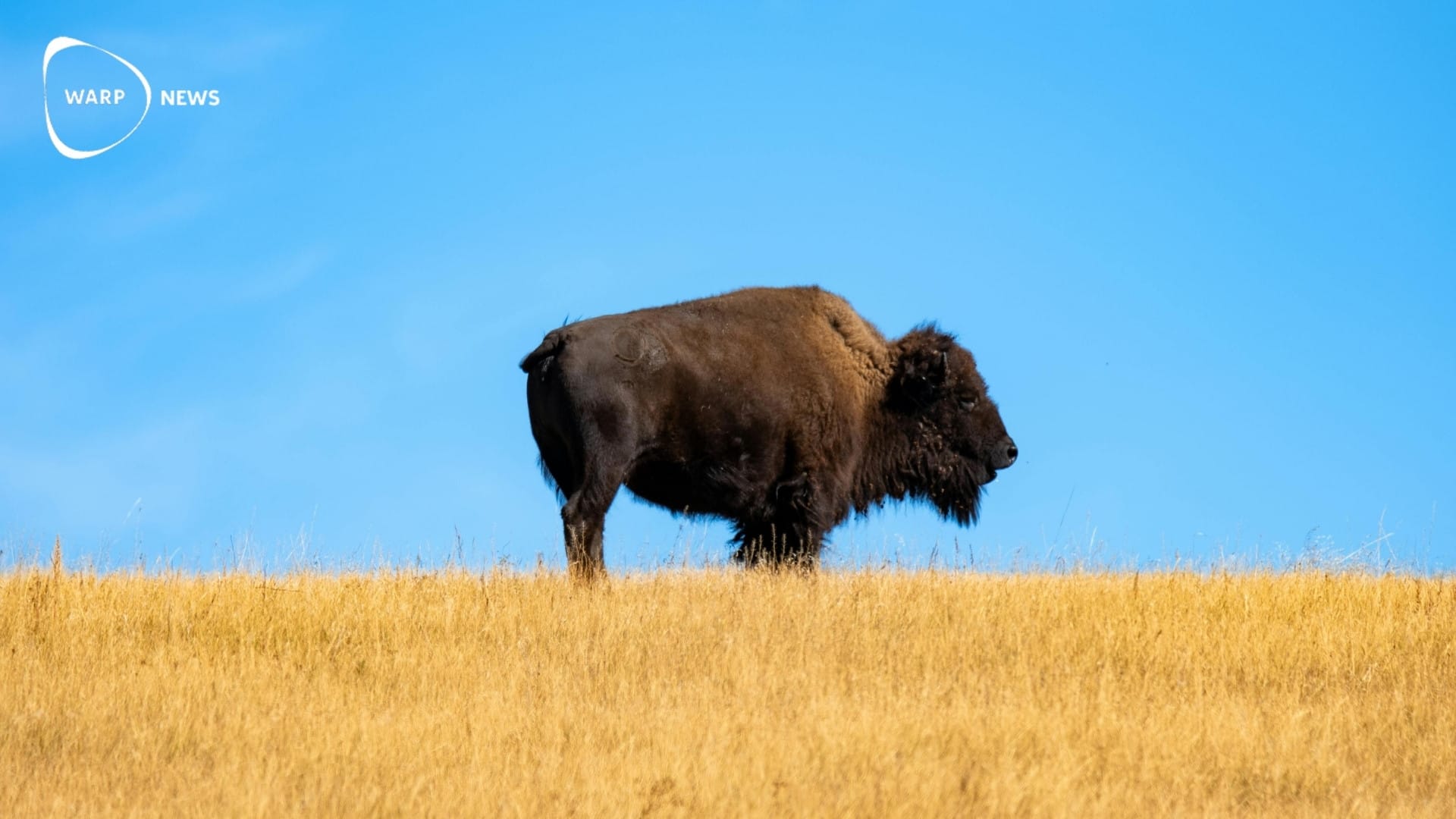
🐂 European bison have increased from 60 to 9,000 – now the species expands in Spain
Nine European bison have been released in the Iberian Highlands in Spain as part of an international research study. The number of European bison has increased from just over 2,500 to around 9,000 individuals over the past decade.
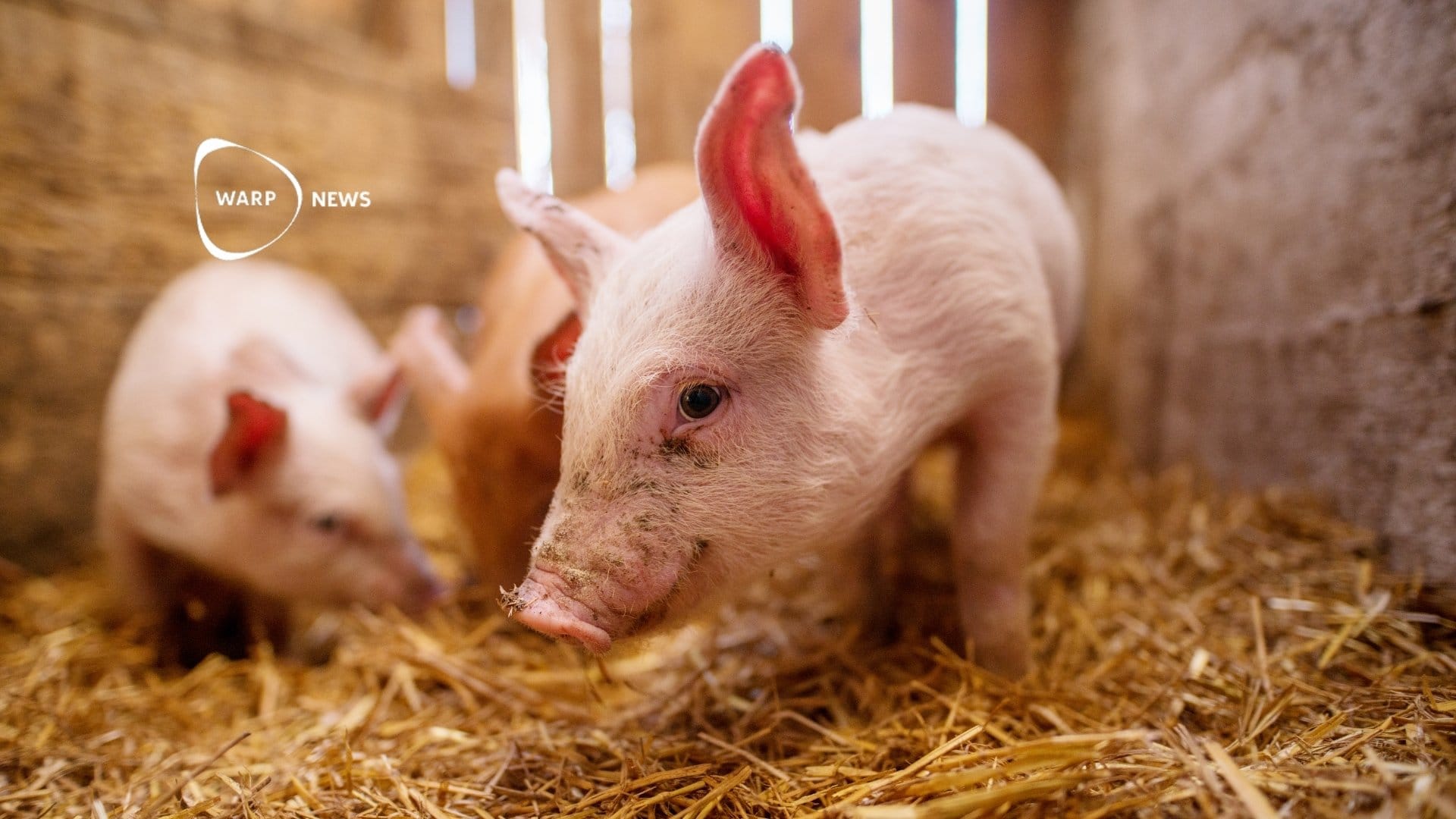
🐖 Gene-edited pigs resistant to classical swine fever
Gene-edited pigs remained healthy when exposed to the deadly classical swine fever virus. The same gene editing may provide resistance to similar viruses that infect cattle and sheep.
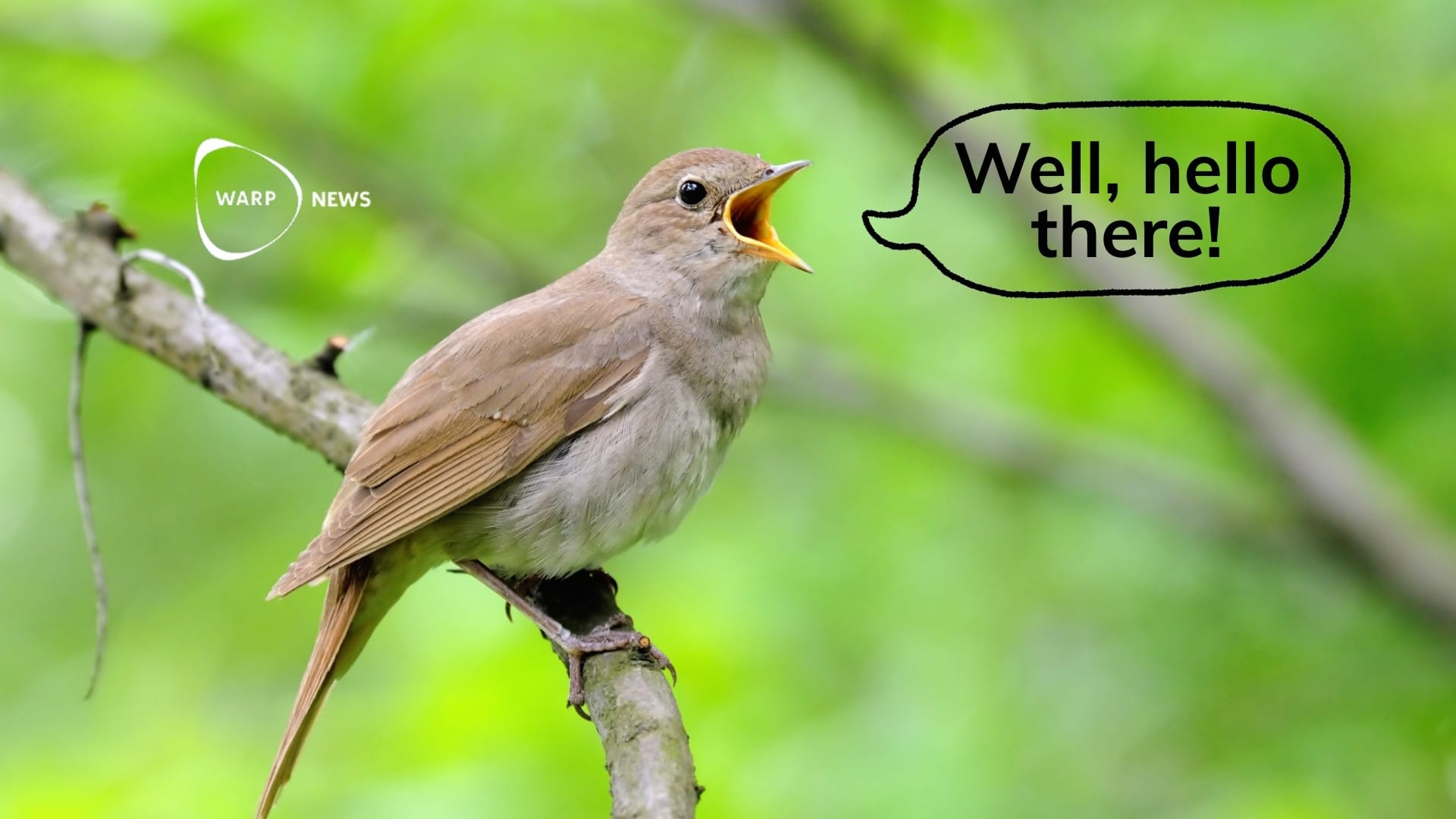
🦑 With AI we are learning to understand animal language
AI technology makes it possible to analyze large amounts of animal sounds and detect patterns that were previously impossible to identify.
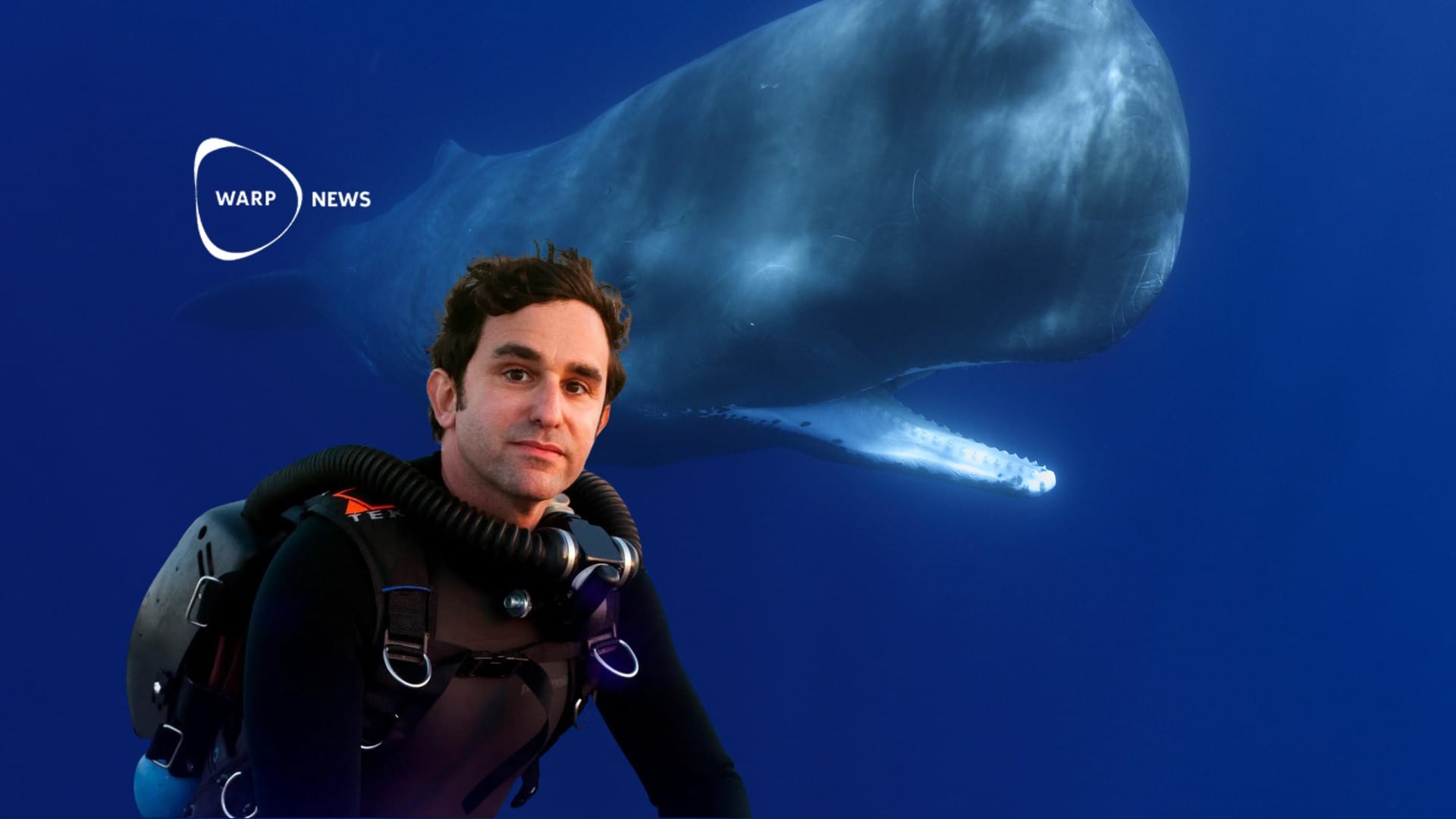
🐳 AI has been used to identify a phonetic alphabet in sperm whales
CETI is a research project aimed at understanding whale communication. Sperm whale vocalizations show a structure similar to human language. They have now discovered 156 distinct coda types instead of the previously known 21.