
🧠 Artificial Intelligence
Artificial intelligence (AI) helps doctors make better diagnoses, scientists create new materials, farmers grow crops more effectively and all of us driving cars - and millions of other applications. This topic also covers subsets of AI such as machine learning (ML), deep learning and neural networks.

💻 The biggest AI leap since ChatGPT launched
I rarely write about new AI models, but ChatGPT Astra gives those of us who are ordinary AI users several powerful and genuinely useful new capabilities.

🌫️ The pessimism fog is thick right now
The doomsday drums are beating again, and the Nobel laureate who winged it with total confidence.
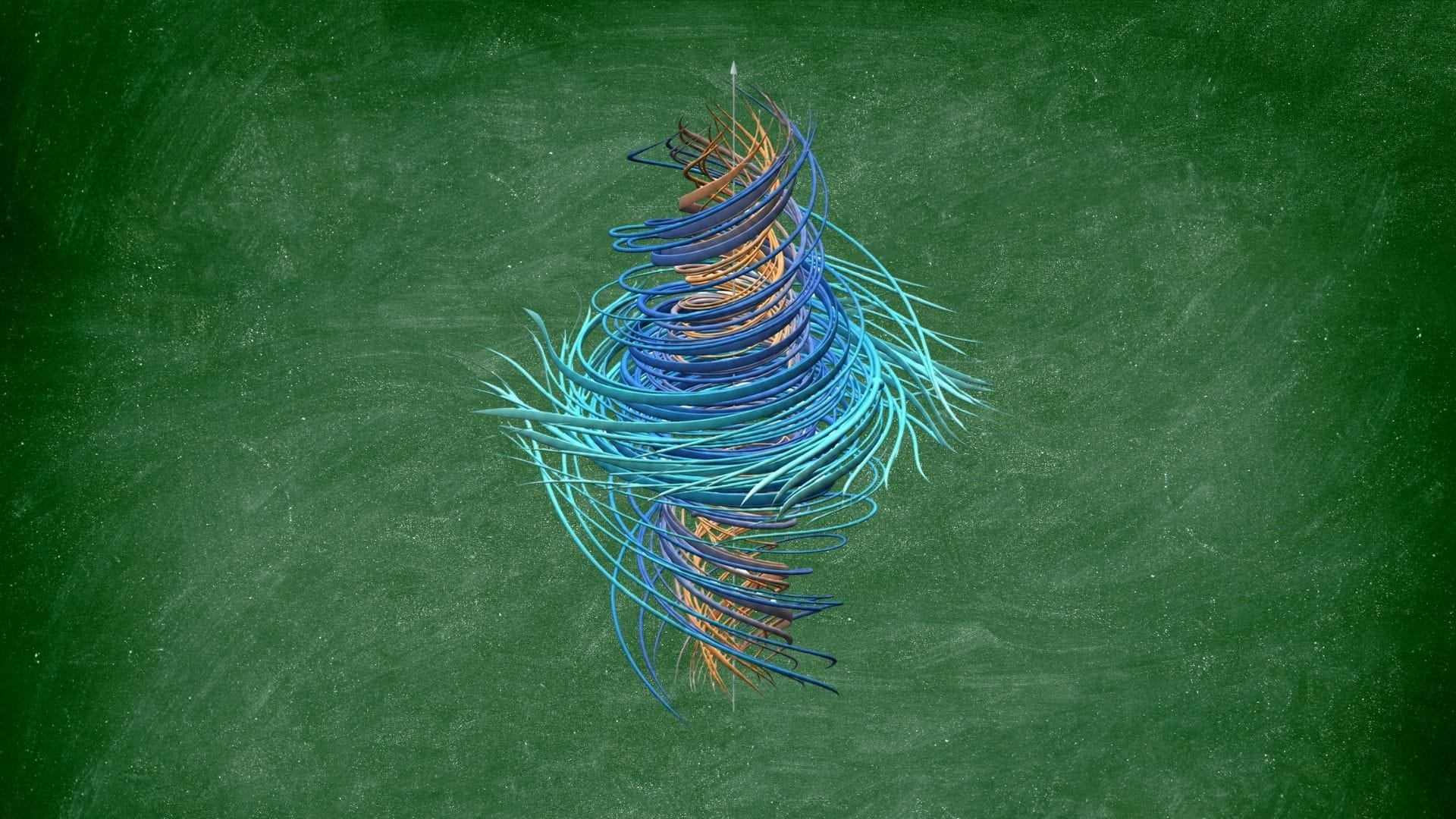
🧮 AI agents solved one of mathematics' hardest problems in 88 hours
10,000 AI agents found a solution to the Navier-Stokes problem, which mathematicians have worked on for decades. The problem is one of six Millennium Problems each carrying a prize of $1 million. If the result is confirmed, it is the first time AI has solved a major open problem in mathematics.

📊 AI has created a million new jobs in the US
AI has so far created around one million new jobs in the US, roughly five times more than the approximately 200,000 layoffs linked to the technology. Several occupations singled out as particularly exposed are growing instead. The number of paralegals rose by about 11 percent between 2023 and 2025.

🕵️ AI chatbots saw through Russian and Chinese disinformation in three out of four cases
Six chatbots and four search engines got 30 questions built on false claims spread by Russia, China and Iran. The chatbots debunked the claims on average about three times out of four. The chatbots failed less often than search engine results at challenging the false information.

🦾 AI is finally starting to help with grunt work (and my biggest fear)
There's a fear that constantly nags at the back of my mind. It makes me check and double-check, compulsively, and it never helps. Then one day it was gone.
📊 Payroll data from millions of Americans: no rise in unemployment due to AI
Since generative AI reached widespread use, many have warned that the technology would wipe out jobs on a large scale. Researchers at Stanford have analyzed payroll records for millions of Americans. Employment has grown by about 6% since late 2022, including in the occupations most exposed to AI.

🔨 I can't do carpentry, but suddenly I can build houses
I've built an entire cottage village! And you can too.

📜 Text charred in the Vesuvius eruption of 79 AD, read in full 2,000 years later
Researchers have read a complete scroll from Herculaneum. The scrolls were carbonised by the heat and are so fragile they cannot be physically unrolled without being destroyed. Instead, high-resolution scans and computational techniques are used to virtually unwrap the scrolls.