
🧠 Artificial Intelligence
Artificial intelligence (AI) helps doctors make better diagnoses, scientists create new materials, farmers grow crops more effectively and all of us driving cars - and millions of other applications. This topic also covers subsets of AI such as machine learning (ML), deep learning and neural networks.
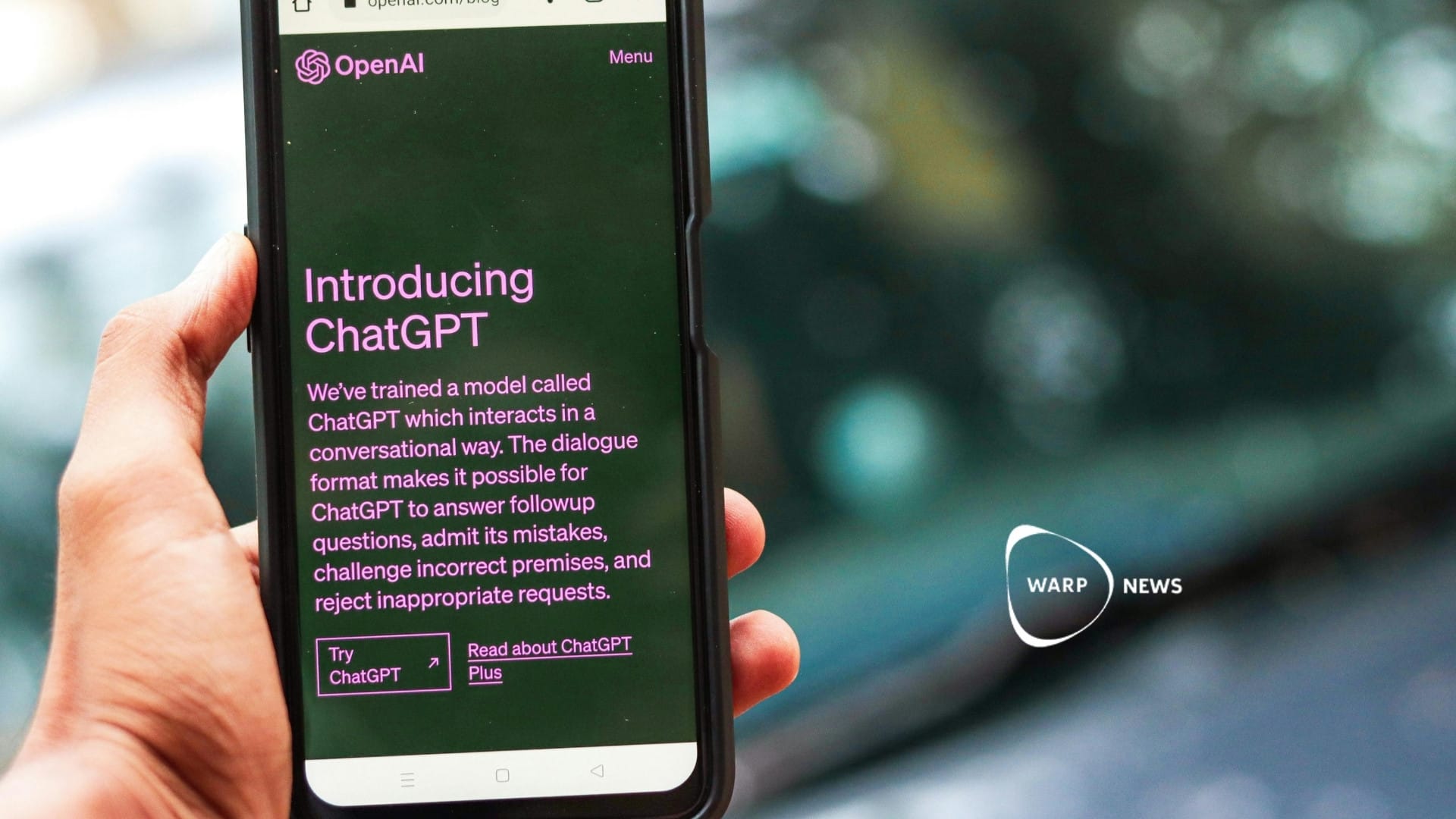
👩💻 Almost ten percent of the world's population uses ChatGPT
ChatGPT had 700 million users per week in July 2025 The gender gap has disappeared – from 80 percent male users to 48 percent in June 2025
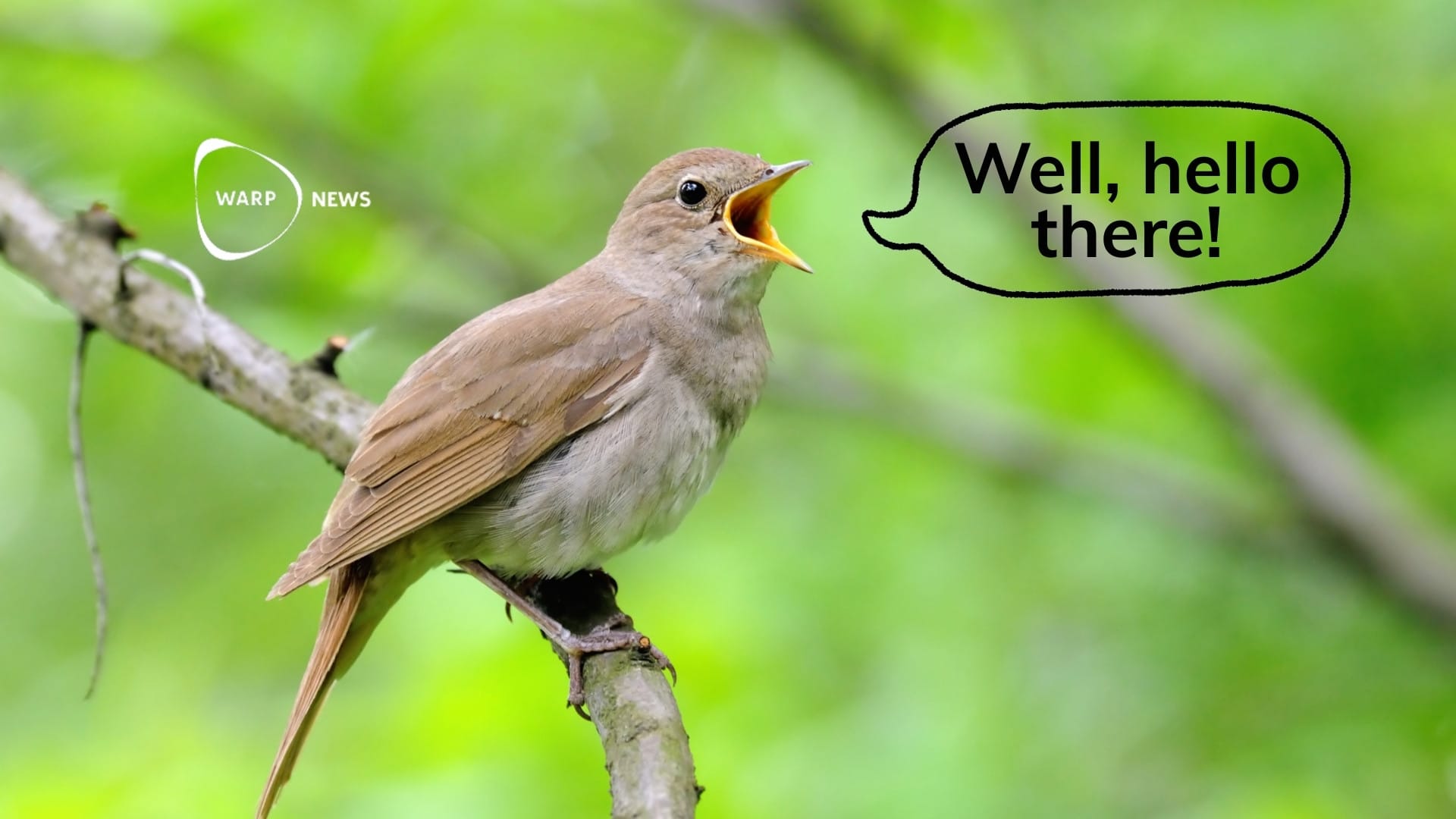
🦑 With AI we are learning to understand animal language
AI technology makes it possible to analyze large amounts of animal sounds and detect patterns that were previously impossible to identify.
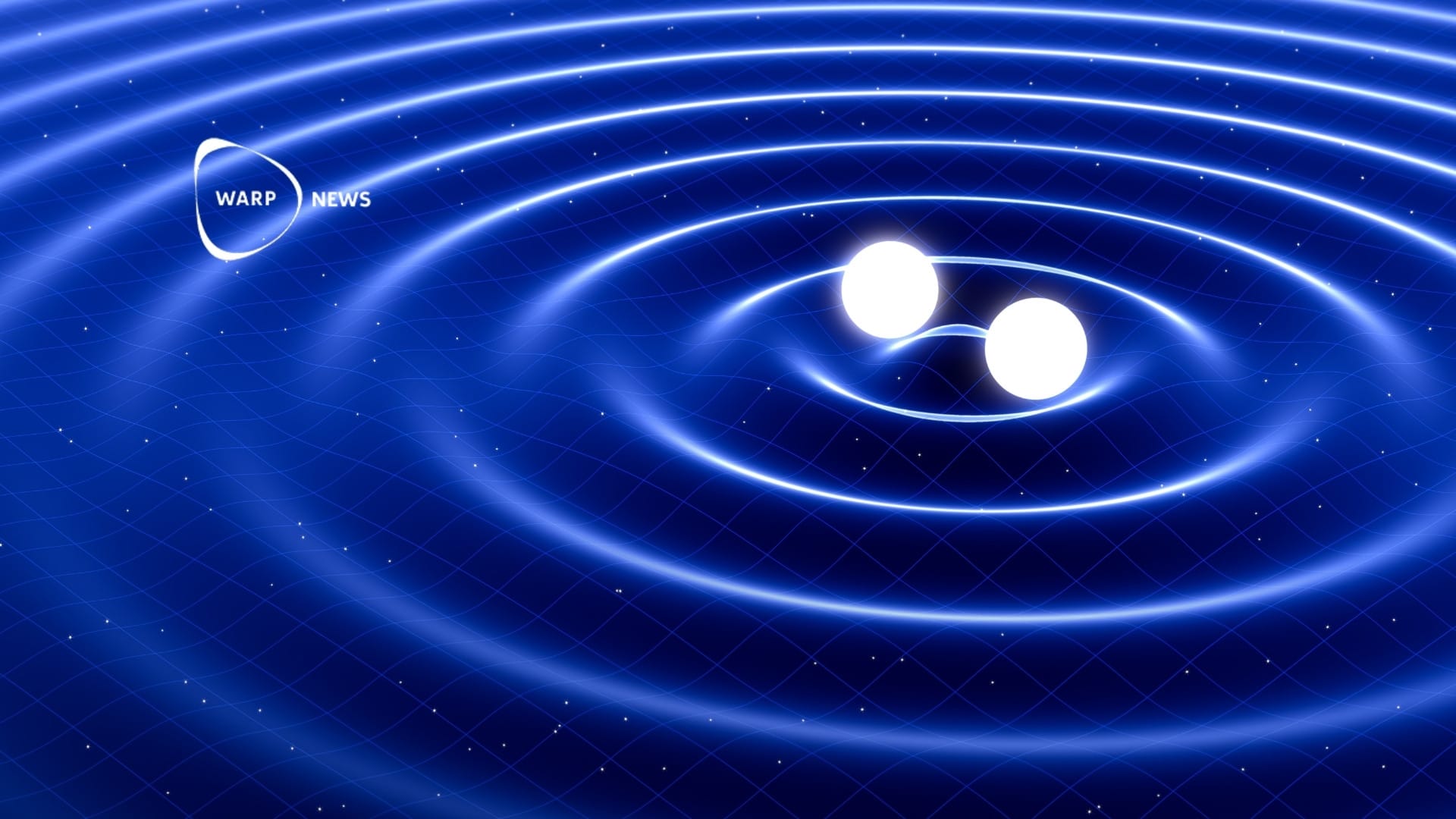
🌌 AI improves gravitational wave measurements
The method can help astronomers detect hundreds more collisions between black holes and neutron stars per year.

🦾 AI shows faster development than experts predicted
Researchers greatly underestimated AI progress in mathematics and language understanding. Those who were accurate in the short term did not share the same views on existential risks through 2100.
⚕️ AI develops two new antibiotics against drug-resistant gonorrhoea and MRSA
AI analyzed 36 million chemical structures and created molecules atom by atom and killed the superbugs in laboratory tests and animal trials.

🤦♂️ Embarrassing criticism of the Prime Minister’s AI use (but justified against the Deputy PM)
I read their criticism with the same mix of shame and amusement as when someone drunkenly grabs the karaoke mic and belts out off-key—yet with full confidence.
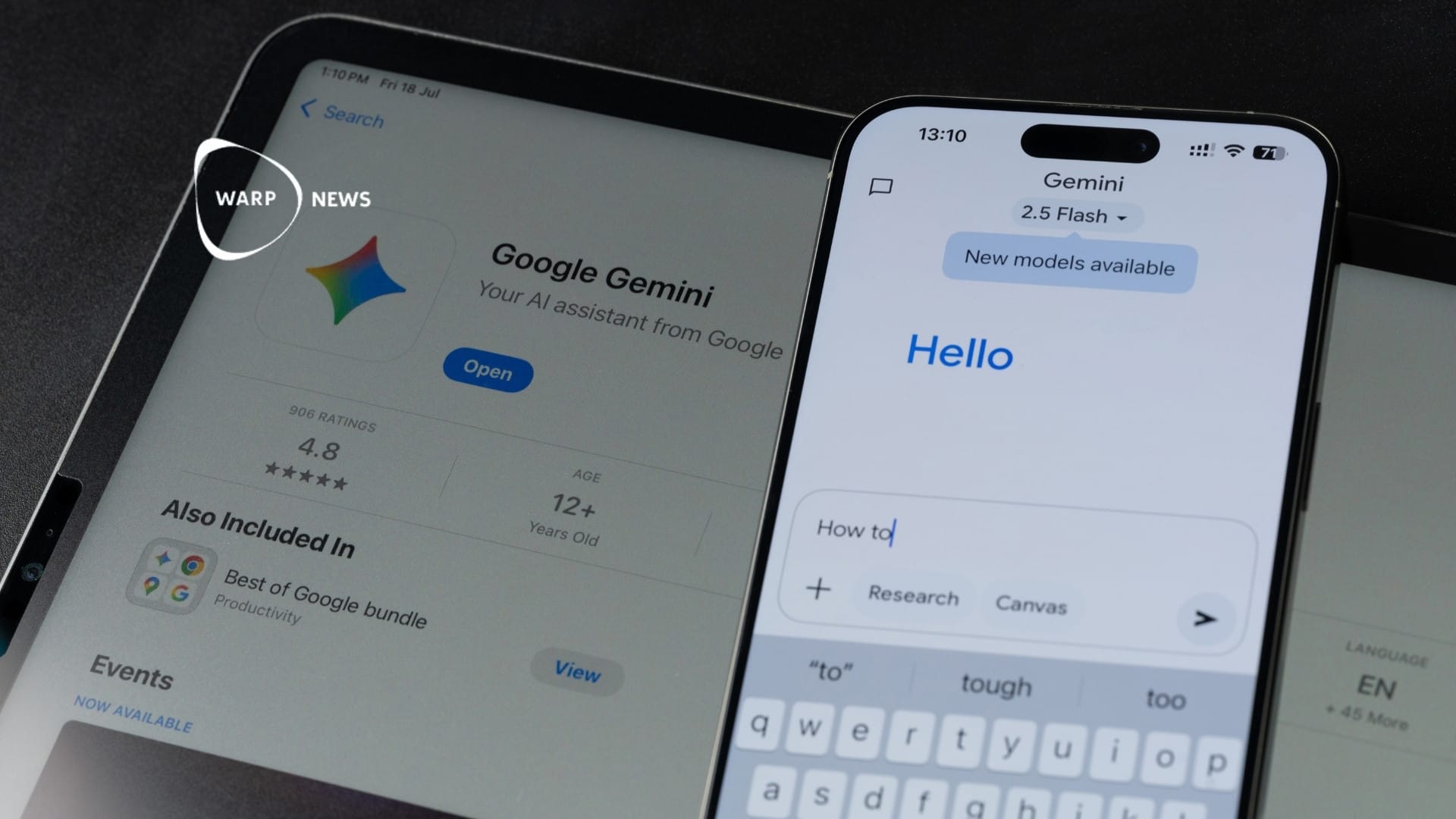
📉 An AI prompt uses less energy than nine seconds of TV – 33-fold reduction in one year
Google's AI infrastructure has reduced energy consumption by 33 times and carbon footprint by 44 times over one year.

🔁 AI-trained poet creates infinite poem that rewrites itself every hour
Artist Sasha Stiles has created an infinite poem generated by artificial intelligence that rewrites itself every 60 minutes. The project A LIVING POEM uses a language model trained on artworks from MoMA's collections to continuously create new texts.
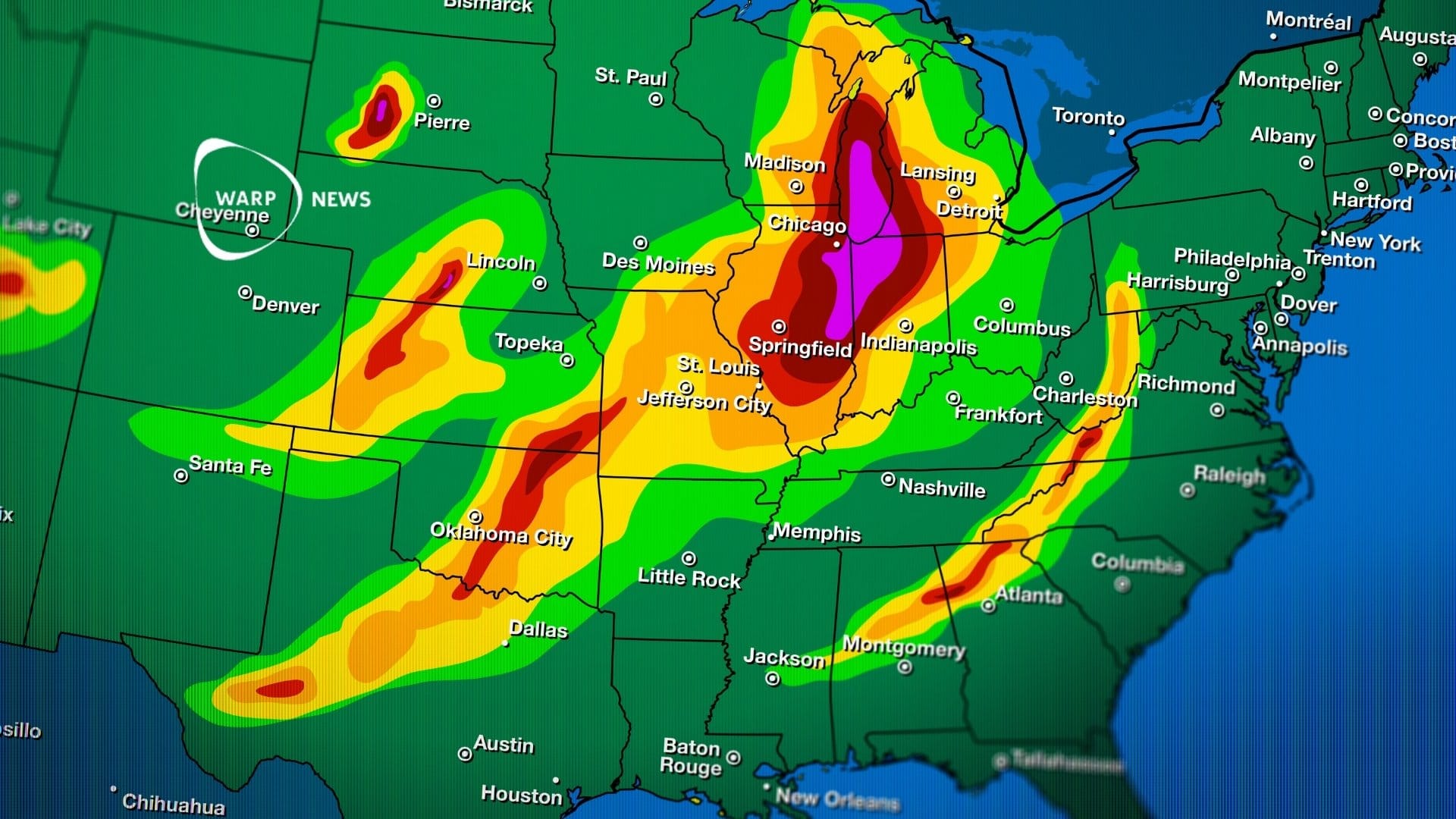
🌨️ AI systems make weather forecasts 20% more accurate while using much less energy.
New AI can generate 51 different weather forecasts simultaneously to show all possible scenarios. The system creates forecasts over 10 times faster than physics-based systems while reducing energy consumption by approximately 1,000 times.