
🧠 Artificial Intelligence
Artificial intelligence (AI) helps doctors make better diagnoses, scientists create new materials, farmers grow crops more effectively and all of us driving cars - and millions of other applications. This topic also covers subsets of AI such as machine learning (ML), deep learning and neural networks.
🔋 AI creates new battery materials that could revolutionize energy storage
The AI models identified five new porous transition metal oxide structures with large open channels ideal for ion transport. The technique combines two AI tools that together can explore thousands of crystal structures significantly faster than traditional laboratory experiments.

🩺 AI system diagnoses patients four times better than experienced doctors
The AI tool correctly diagnosed 85.5 percent of cases compared to doctors' 20 percent. The system ordered fewer scans and tests to reach the correct diagnosis than human doctors.
👩🏫 AI tools give teachers six weeks of extra time per year
Teachers who use AI weekly save 5.9 hours per week, equivalent to six weeks per school year. Most teachers who use AI tools say the tools improve the quality of their classroom work.
🧬 DeepMind's new AI identifies the gene variants most likely to cause disease
AlphaGenome can predict how individual DNA changes affect gene expression and protein production across the entire human genome. The tool outperformed 22 of 24 other computer models in identifying specific features in DNA sequences.
🧬 New AI model predicts cellular responses to drugs and treatments
Arc releases State, a virtual cell model trained on data from nearly 170 million cells to predict how different cell types react to drugs and genetic perturbations.
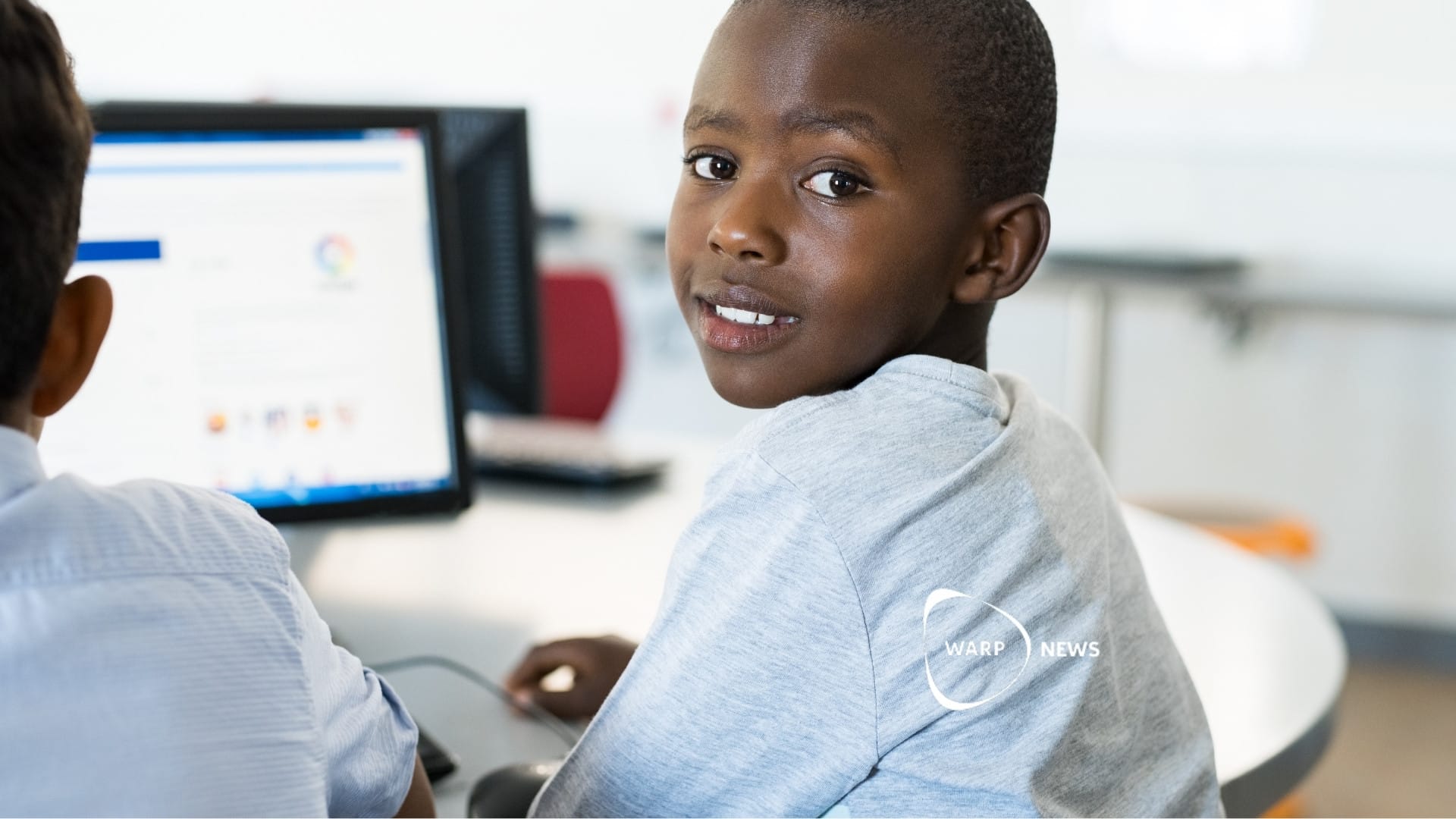
👩🏫 AI teachers provide major academic progress in Nigeria
Students who used the AI teacher ChatGPT-4 improved their test results by 0.31 standard deviations, equivalent to 1.5 to 2 years of regular schooling. The program cost only $48 per student for six weeks and proved to be highly cost-effective compared to other educational interventions.
⚡ An AI query uses as little energy as a microwave for one-tenth of a second
A simple text query to AI uses only 114 joules - equivalent to running a microwave for one-tenth of a second. Generating a high-quality image requires 2,282 joules, which corresponds to five and a half seconds in the microwave.
💡 Musings of the Angry Optimist: Untrue established truths
The discussion is full of pessimistic knee-jerk reactions regarding AI.
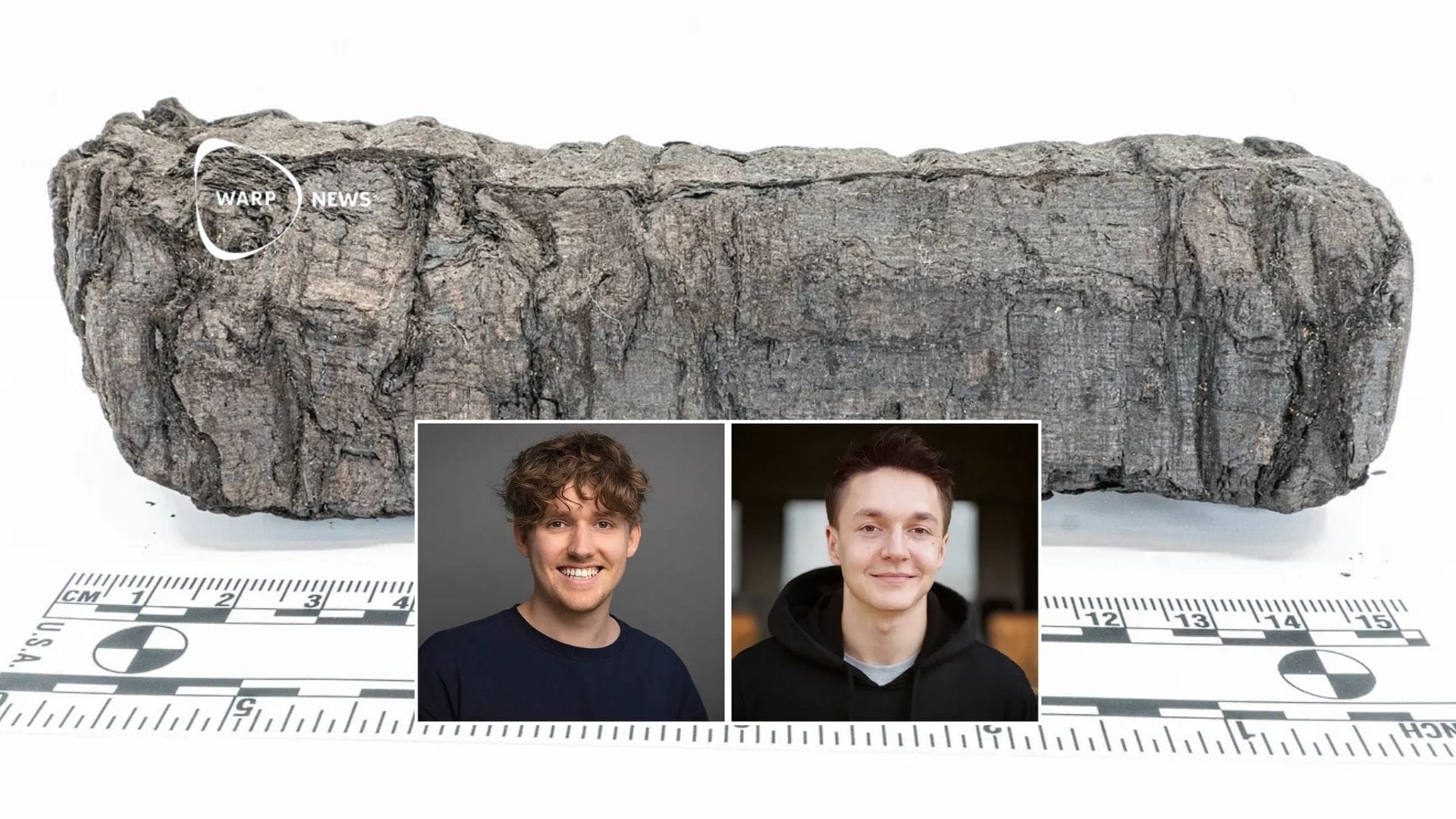
📜 They have succeeded in reading the title in the rolled 2000-year-old papyrus scroll - wins $60,000
The title "On Vices" by philosopher Philodemus has been recovered from a carbonized papyrus scroll from Herculaneum without unrolling it. Two research teams discovered the title independently using image analysis and improved ink detection methods.