

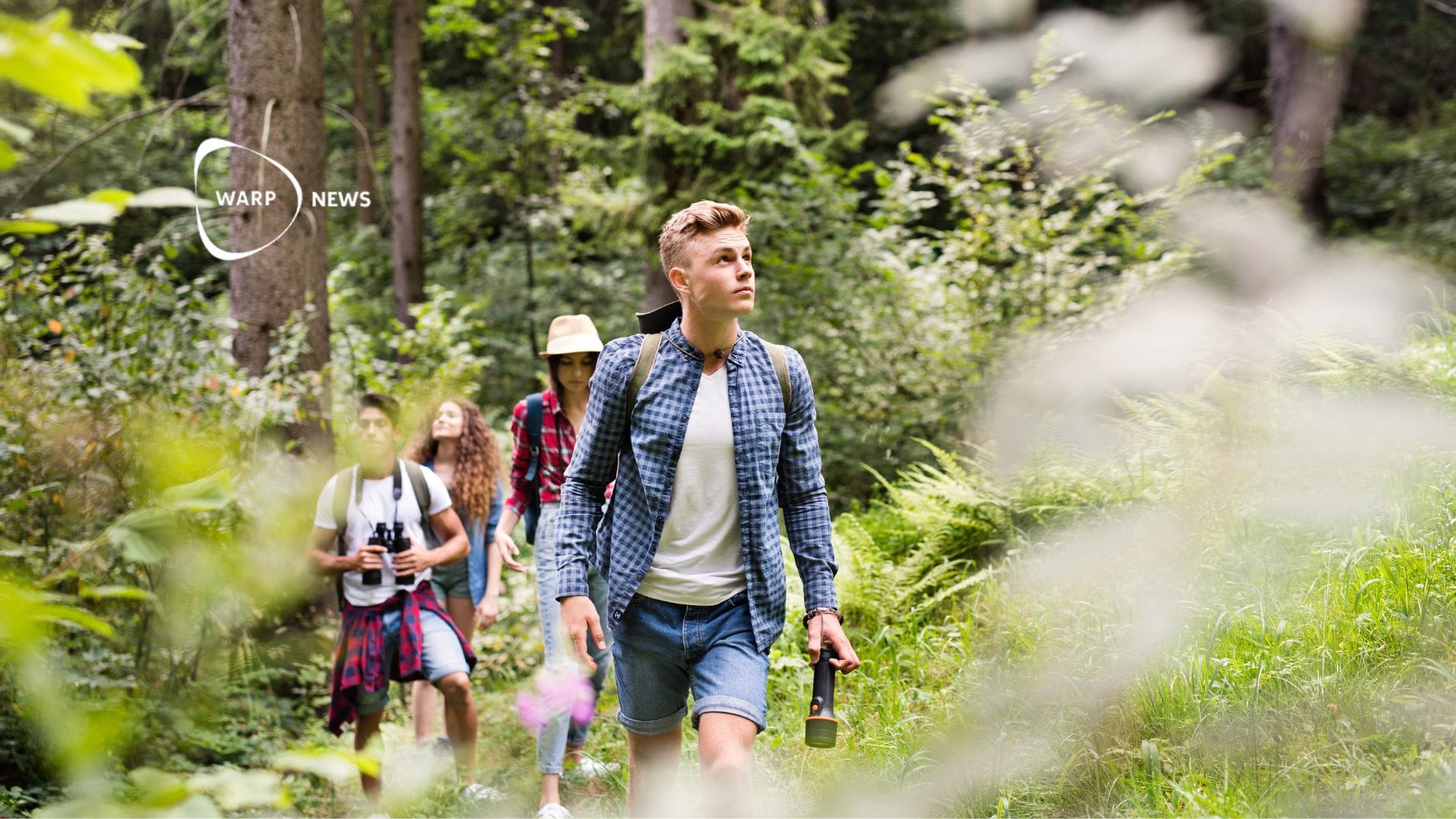
📈 Long-term study: Swedish young people spend more time in nature, trust researchers and have strong confidence in institutions
Three out of four young people exercise at least once a week and many spend time in nature regularly. A large majority of young people have high confidence in researchers and Swedish public authorities. Book reading is stable over time and audiobook listening has increased.
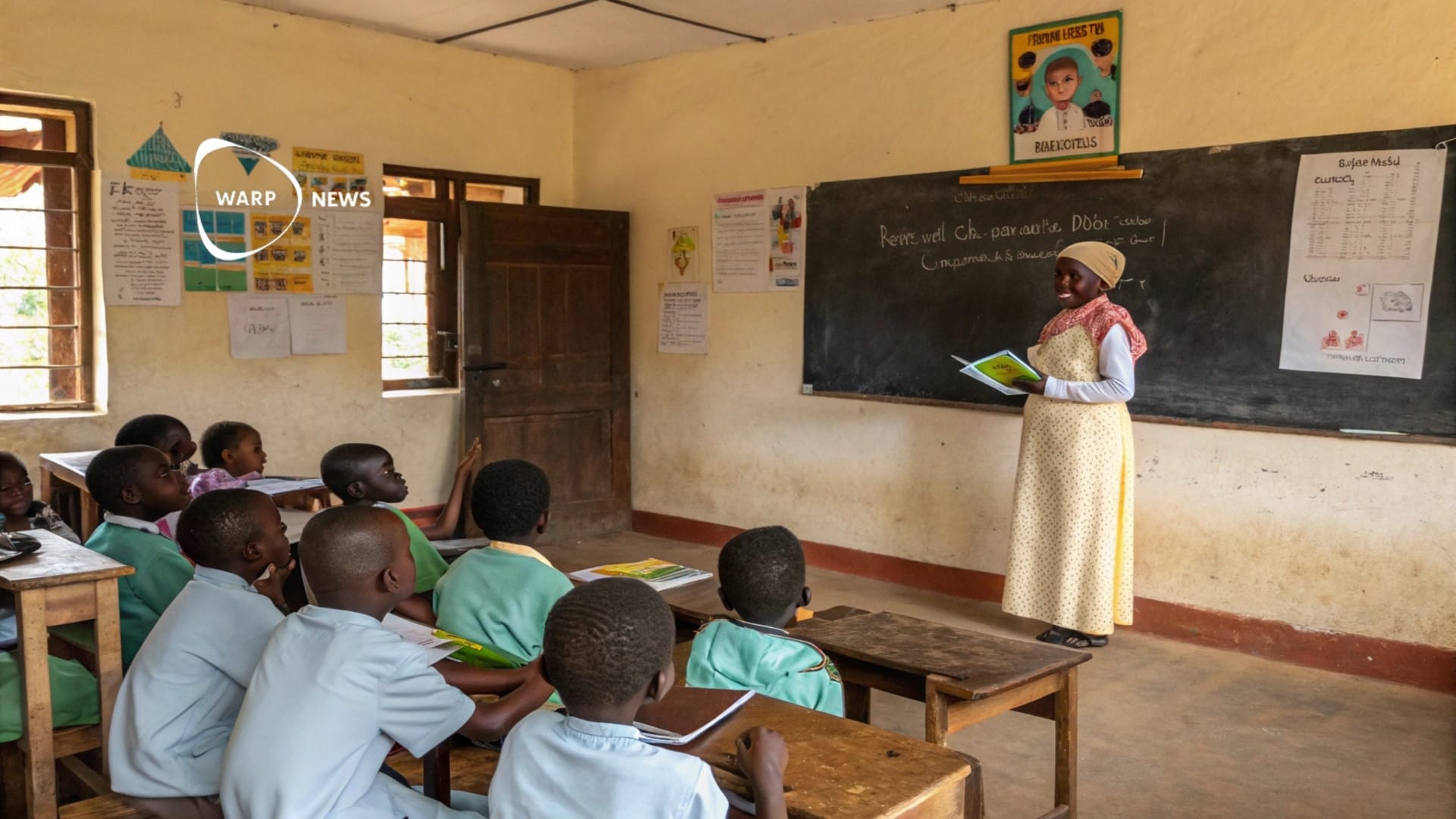
👩🏫 Nine out of ten children in the world now attend primary school
In 1900, only 31% of boys and 23% of girls of primary school age attended school globally. In 2023, 91% of boys and 89% of girls are enrolled in primary school. The gender gap in school enrollment has decreased from 8 percentage points to 2 percentage points in just over a hundred years.
⚰️ Lithuania has more than halved its suicide rate
Lithuania's suicide rate has dropped from 44 to 19.5 per 100,000 residents since 2004. Free psychological help is now available in all 60 municipalities and reaches over 30,000 people annually. Approximately 10,000 people have been trained to identify and help people with suicidal thoughts.

👮 London has fewer murders than in over 20 years
London recorded 70 murders during the first nine months of 2025, the lowest number since monthly measurements began in 2003. Knife crime decreased by seven percent. Hospital admissions for knife injuries among people under 25 fell by 10 percent over 12 months to June 2025.
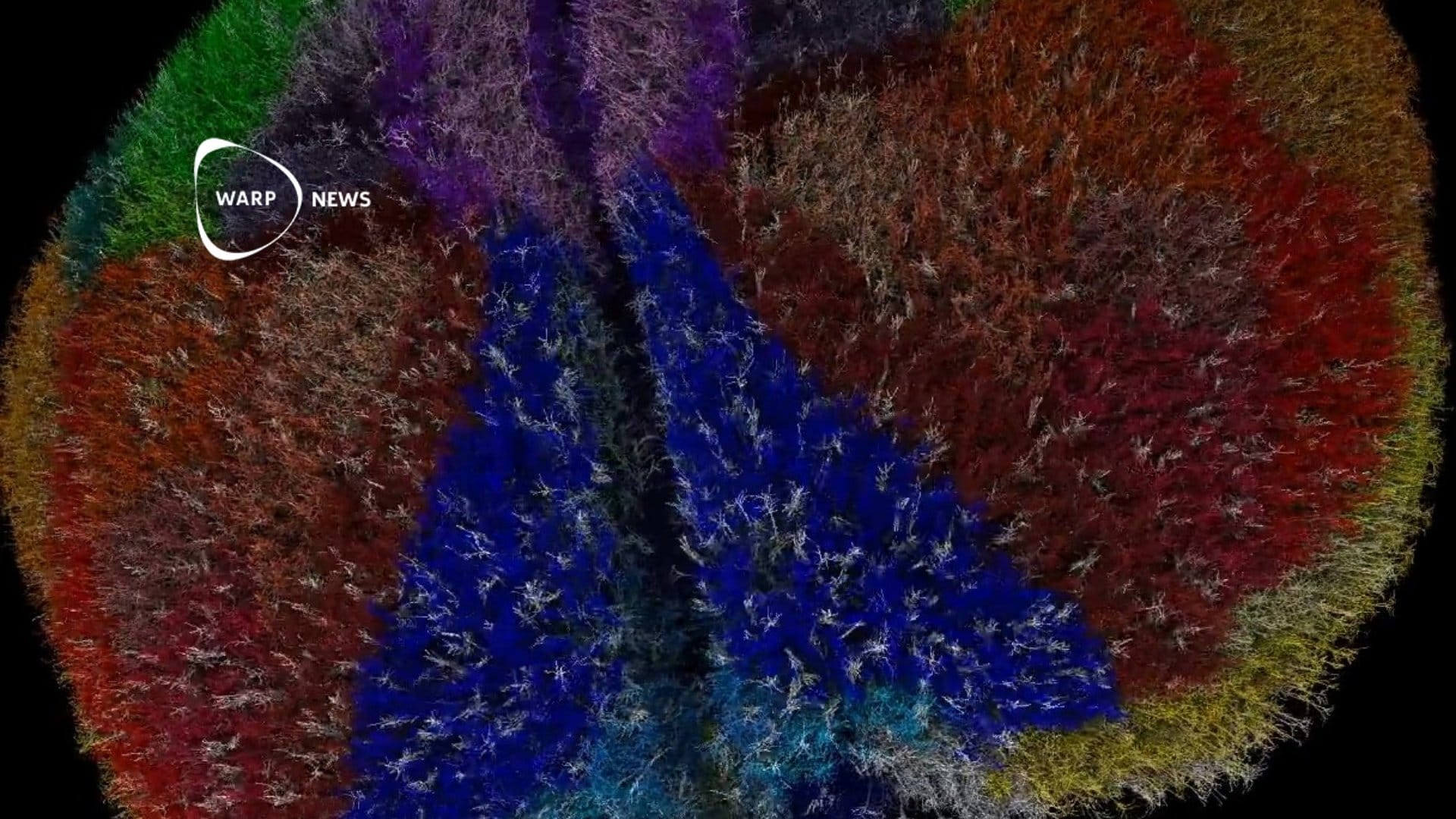
🐭 Researchers simulate entire mouse brain with nine million neurons
The supercomputer Fugaku has created one of the world's largest and most detailed simulations of a brain, with nine million neurons and 26 billion synapses from the entire mouse cortex. The simulation can be used to study diseases like Alzheimer's and epilepsy in a virtual environment.
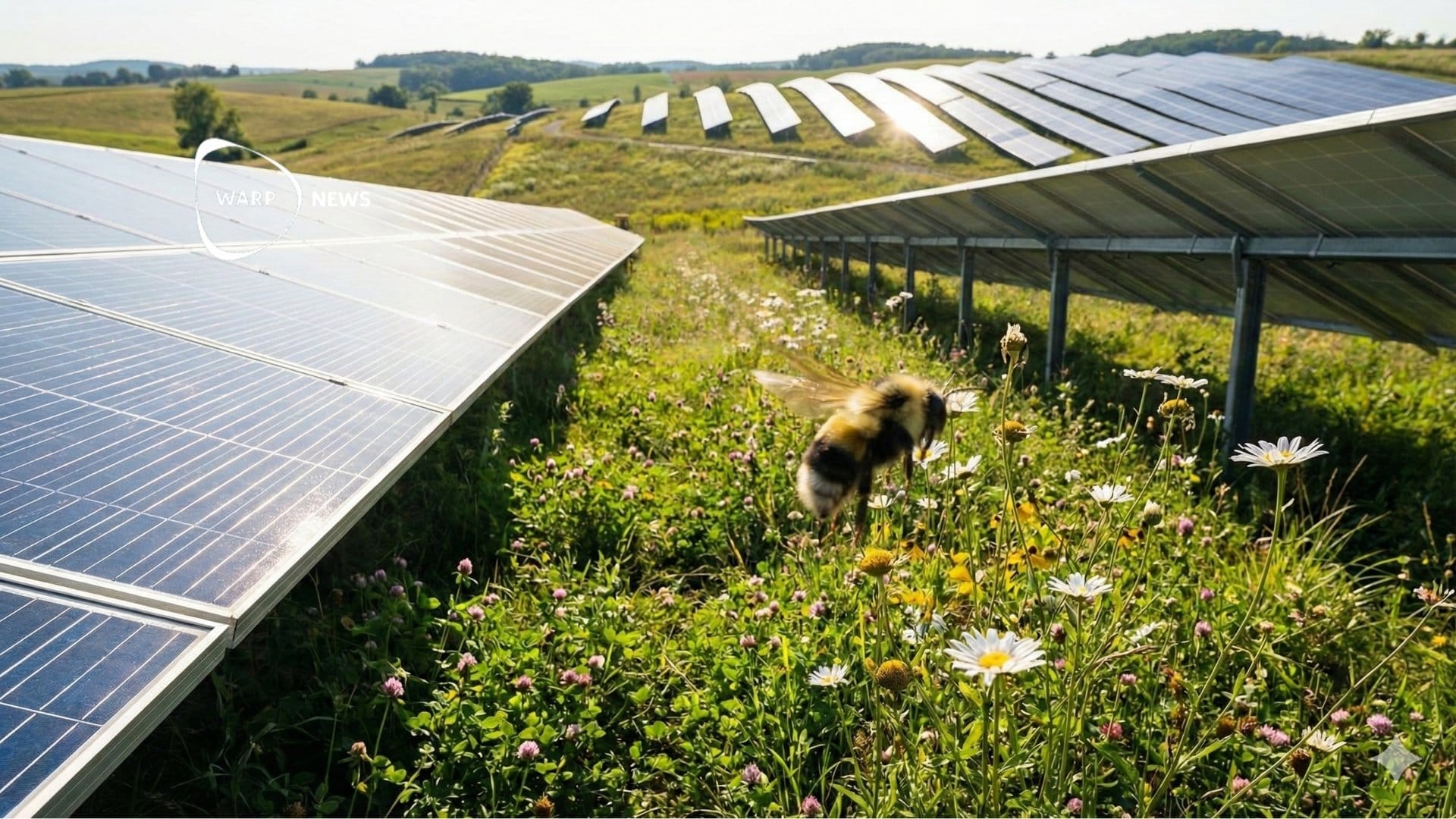
🐝 Solar farms could become important refuges for bumblebees
Solar farms with wildflowers can more than double the number of bumblebees compared to parks with turf grass. The study modelled 1,042 British solar farms and their potential to support bumblebees until 2050.

🚰 Israel tops up Sea of Galilee with desalinated seawater
Israel has begun channeling desalinated seawater into the Sea of Galilee, marking the first time anywhere in the world that a freshwater lake is topped up with processed seawater. The water level in the lake is expected to rise by approximately 0.5 centimeters per month through the project.
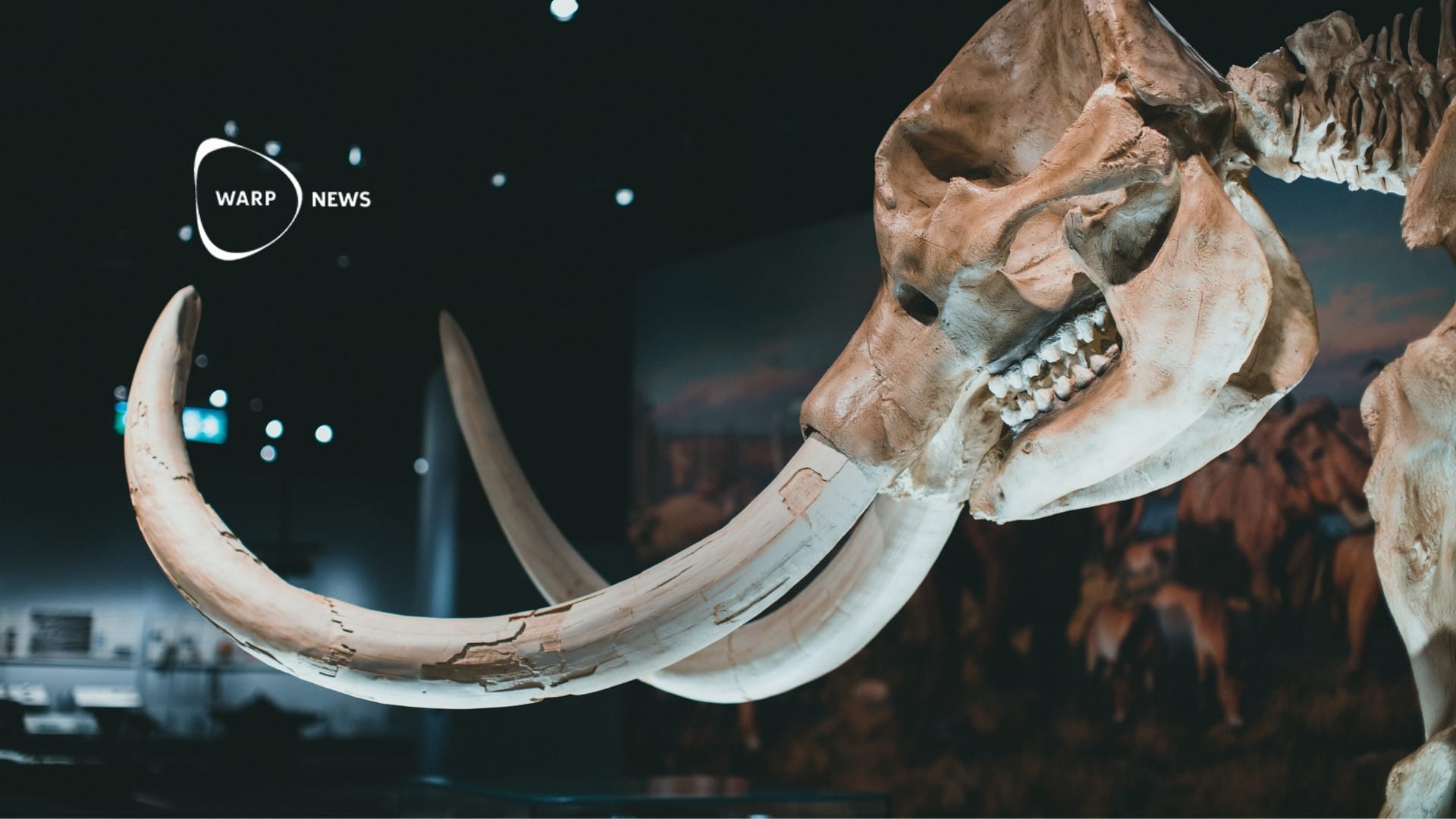
🧬 Scientists have for the first time sequenced RNA from 40,000-year-old mammoth
The RNA shows which genes were active in the muscles just before the mammoth died, providing direct evidence of gene regulation in real time. The results show that RNA can survive much longer than previously thought, opening up the possibility of studying RNA viruses from the Ice Age.
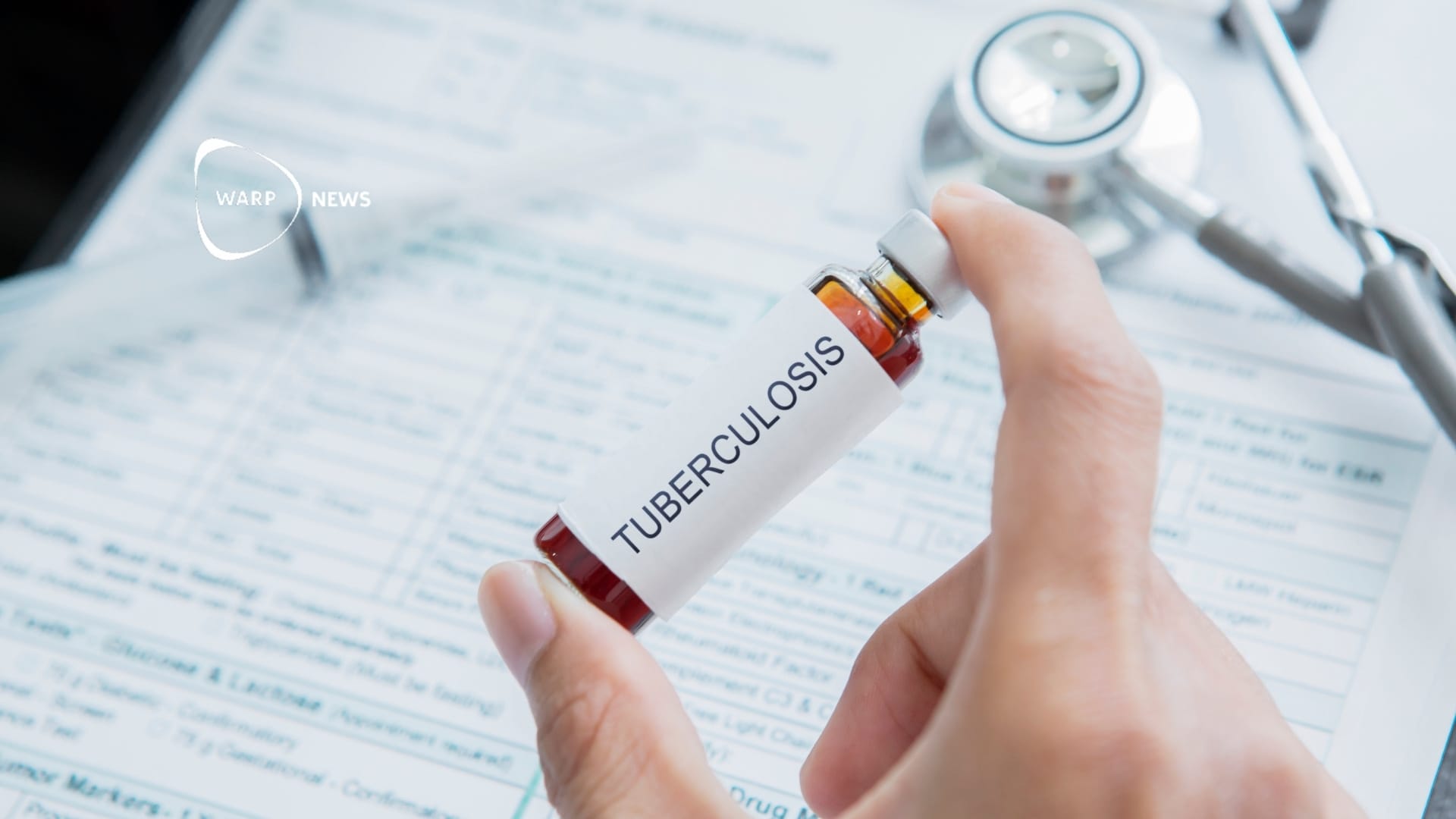
📉 Tuberculosis deaths have decreased by 29 percent globally since 2015
Global tuberculosis deaths fell to 1.23 million – the lowest number ever recorded. Since 2000, tuberculosis treatment has saved an estimated 83 million lives. Over 100 countries have reduced mortality by at least 20 percent since 2015.