


🔬 Microplastic levels in the atmosphere much lower than previously thought
New estimates show that the amount of atmospheric microplastics is 100 to 10,000 times lower than researchers previously calculated. The study compiled 2,782 measurements from 283 locations worldwide to create a reliable global baseline.

😖 AI gives psychiatry objective tools to detect depression and anxiety
AI analysis of voice and facial expressions can identify depression with 79 percent accuracy. Digital biomarkers can track symptoms in real time and help doctors adjust treatment faster.

🌬️ Ten countries to build world's largest offshore power grid in the North Sea
The UK and nine other European countries have agreed to build a power grid in the North Sea with 100 gigawatts of offshore wind power, enough to supply 143 million homes. The agreement is expected to attract investments of 867 billion pounds and create 91,000 new jobs.
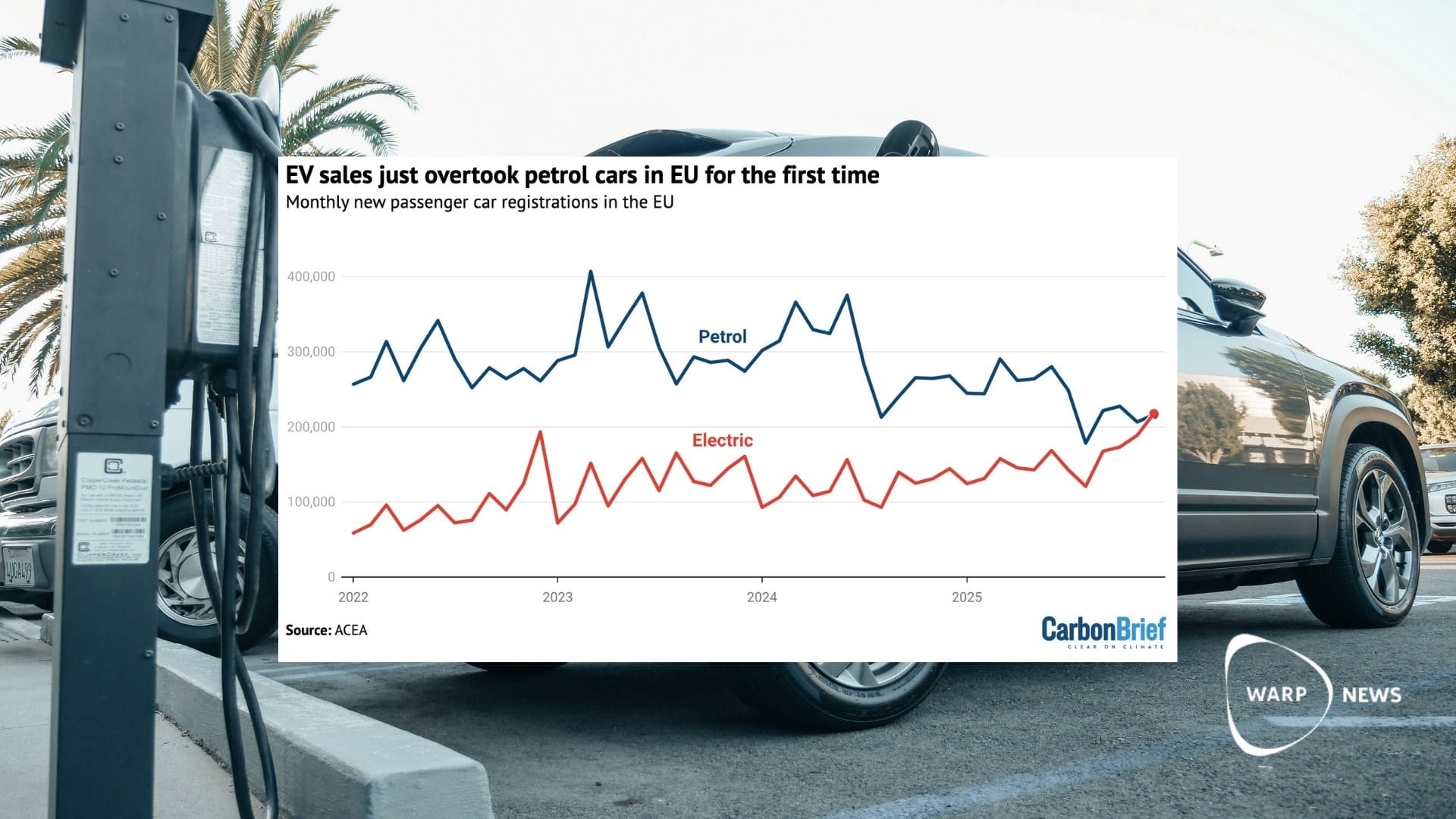
🚘 Electric cars outsold petrol cars in EU for the first time
In December 2025, 217,898 electric cars were registered in the EU, compared to 216,492 petrol cars – the first time electric cars exceed petrol cars in sales. Global electric vehicle sales reached 20.7 million vehicles in 2025, an increase of 20 percent compared to the previous year.

🤳 Study: Social media and gaming do not affect adolescents' mental health
A British study of 25,000 adolescents over three years finds no evidence that screen time leads to increased anxiety or depression. Neither active nor passive use of social media shows correlation with worsened mental health.

🎙️ Interview with Jonas Birgersson about EnergyNet & Project Energy Society
In the Volts podcast, Jonas Birgersson explains why today’s power grid is built for yesterday. What is referred to as EnergyNet in the conversation is Project Energisamhället in practice: a digital, local, electricity-first grid designed for electrification.

⚰️ US murders fell 21 percent – the largest drop ever recorded
Murder rates in 35 large US cities dropped by 21 percent in 2025, the largest single-year decrease ever recorded. The murder rate was 4 per 100,000 residents, likely the lowest level since 1900. 11 of 13 tracked crime categories decreased compared to the previous year.
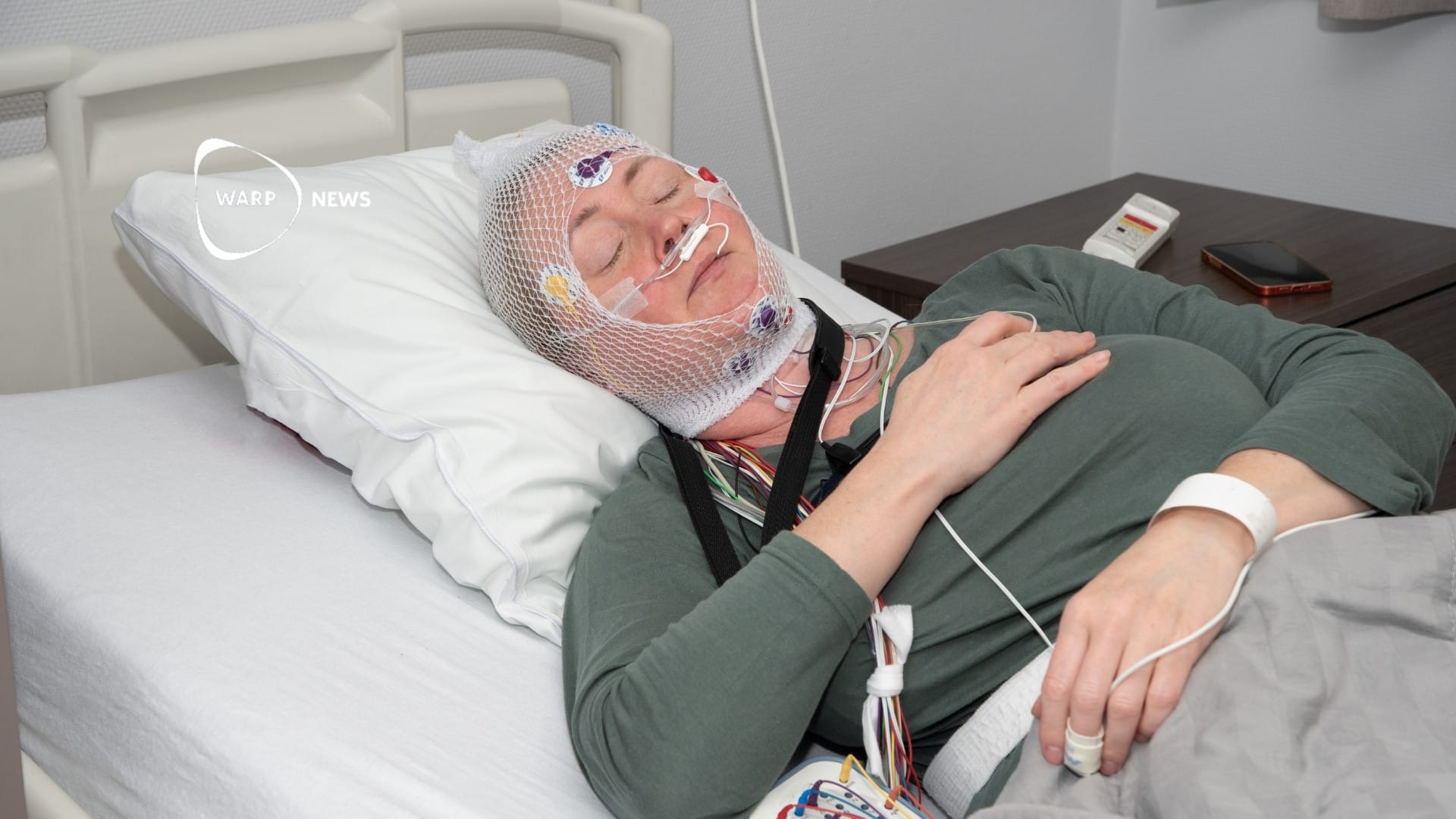
😴 New AI model can predict over 100 diseases from one night's sleep
The model was trained on nearly 600,000 hours of sleep data from 65,000 participants and shows high accuracy for cancer, heart disease, and dementia, among others. The AI model performs as well as or better than today's leading methods for sleep analysis.

🌾 Scientists solve hybrid rice's biggest problem: seeds that lose their yield advantage
Researchers have developed hybrid rice that produces genetically identical seeds generation after generation. The system achieves over 99 percent cloning efficiency with normal seed production. The technology could eliminate the need for farmers to buy new hybrid seeds every season.