
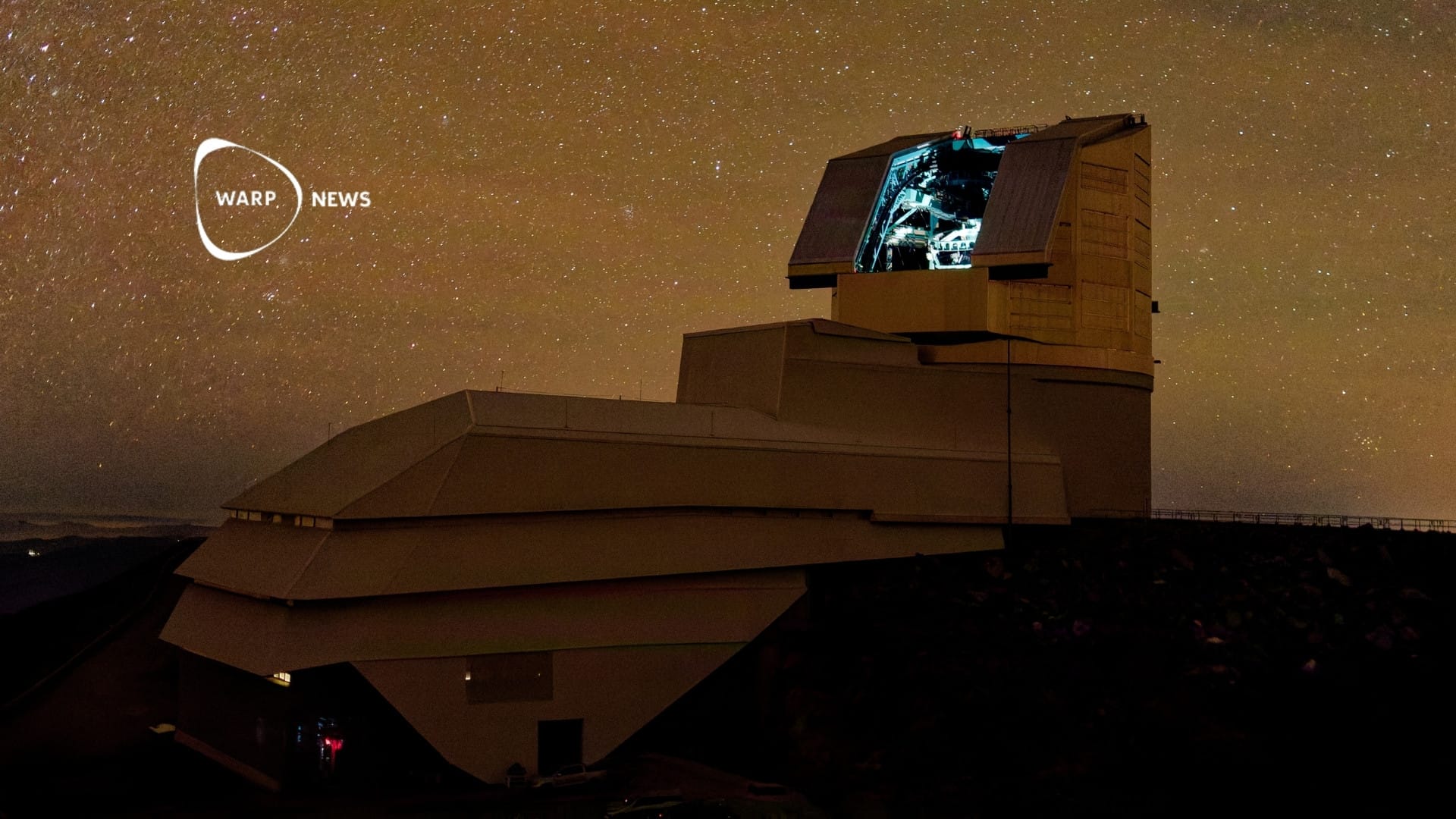
🔭 The world's largest digital camera weighs as much as a car and takes 3200-megapixel images of the sky
During the first 10 years, the observatory will collect more optical astronomical data than all previous telescopes combined.
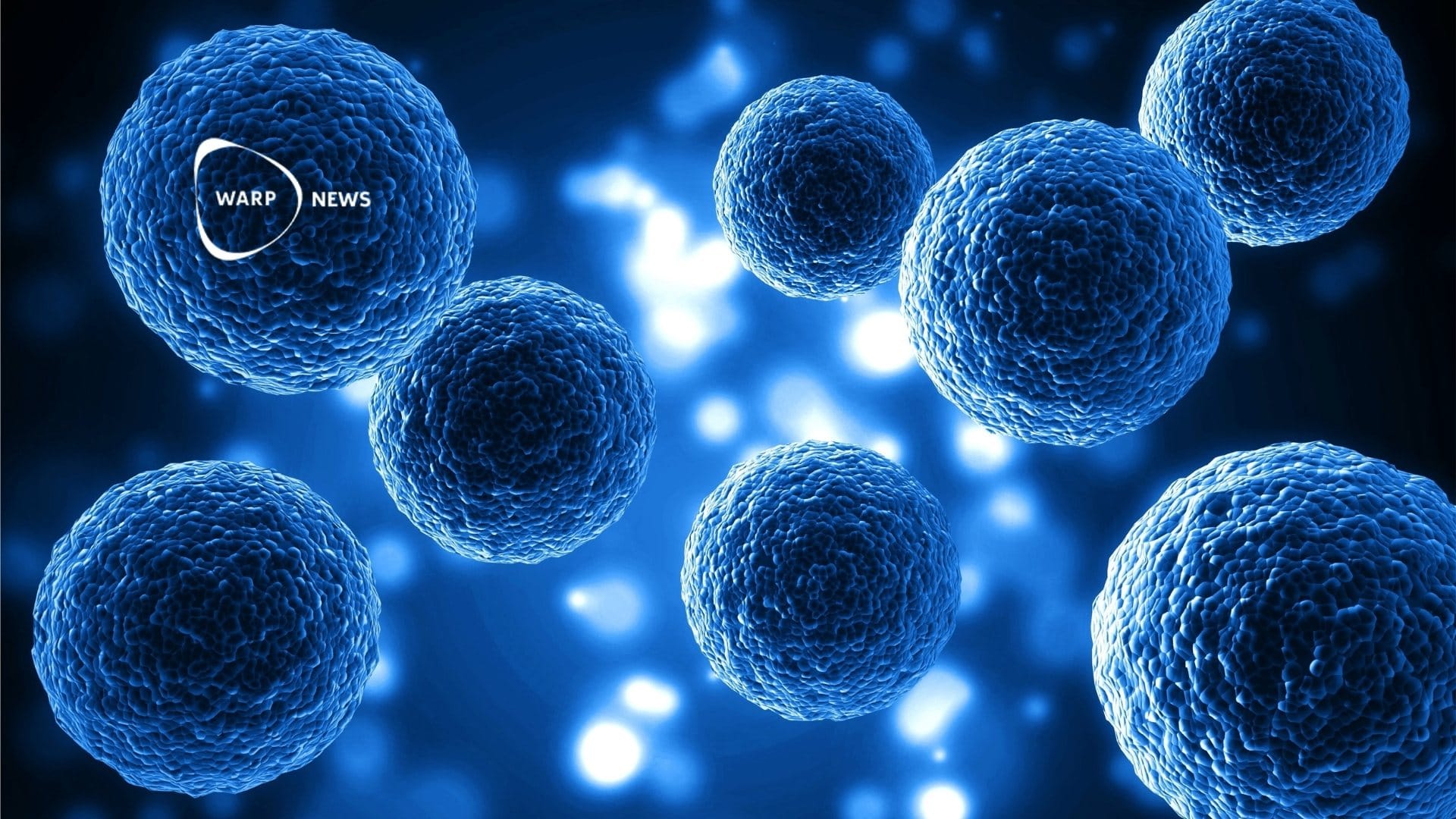
🧬 New AI model predicts cellular responses to drugs and treatments
Arc releases State, a virtual cell model trained on data from nearly 170 million cells to predict how different cell types react to drugs and genetic perturbations.
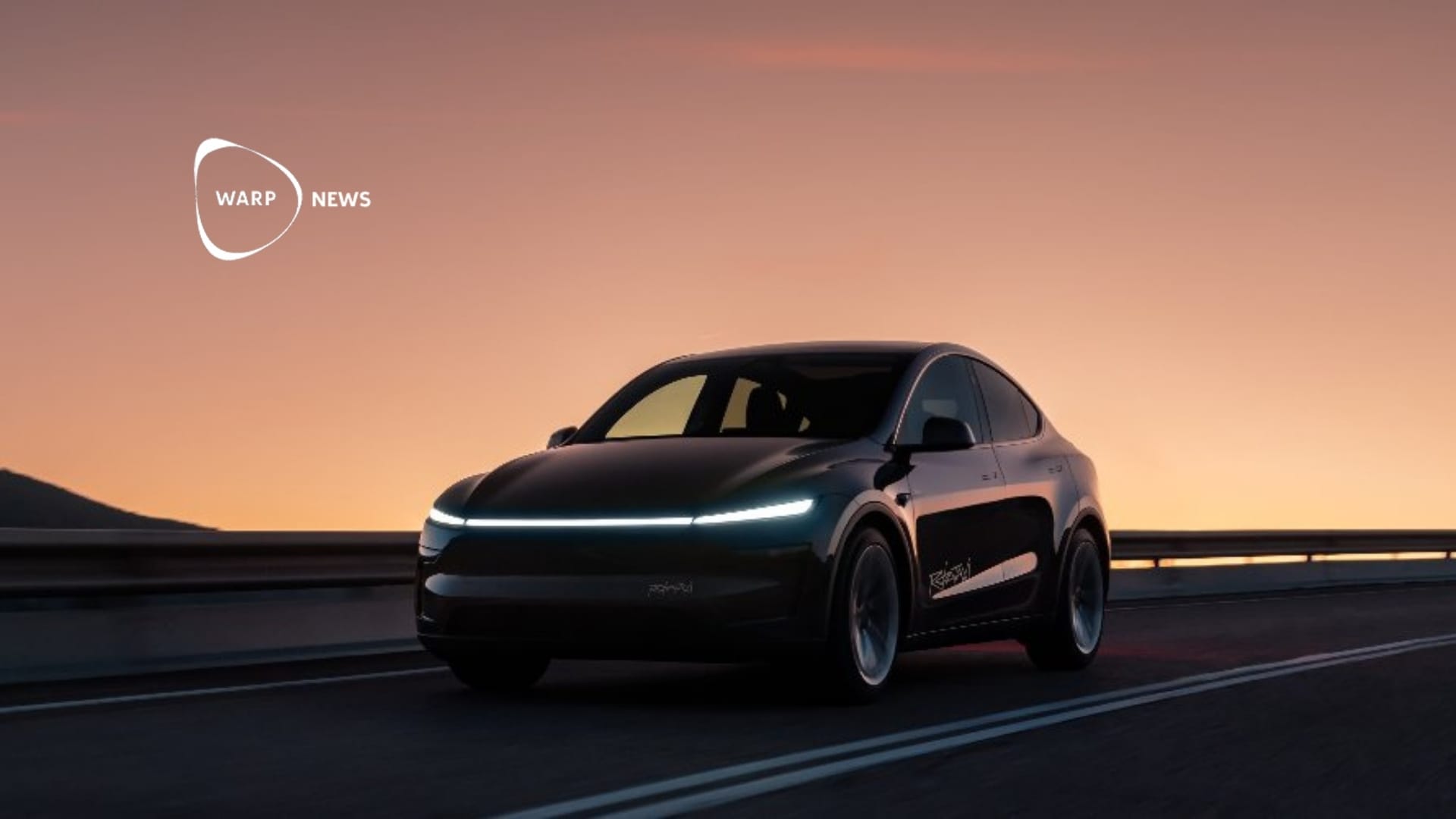
🚗 Tesla starts driverless taxi service in Austin
Tesla has launched its Robotaxi service without drivers in Austin, Texas, where the public can for the first time order driverless rides. This is the first step in a rollout that Elon Musk has said will make autonomous ride-sharing ubiquitous.
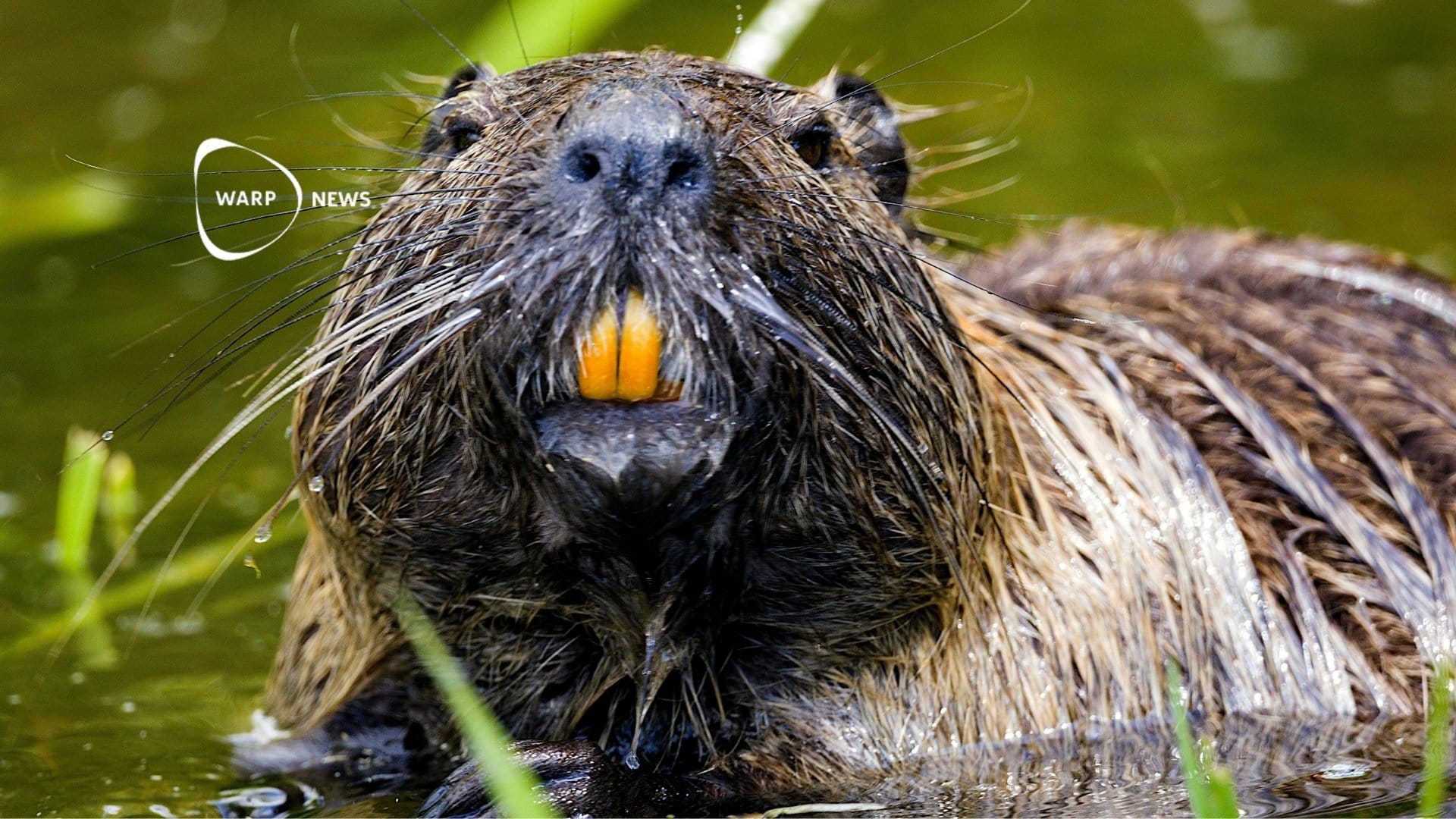
🔙 Beaver returns to Portugal after 500 years
Beaver has returned to Portugal after being extinct since the end of the 1400s, confirmed through camera traps and gnaw marks. The species functions as a natural ecosystem engineer that creates wetlands and improves water quality without human cost.
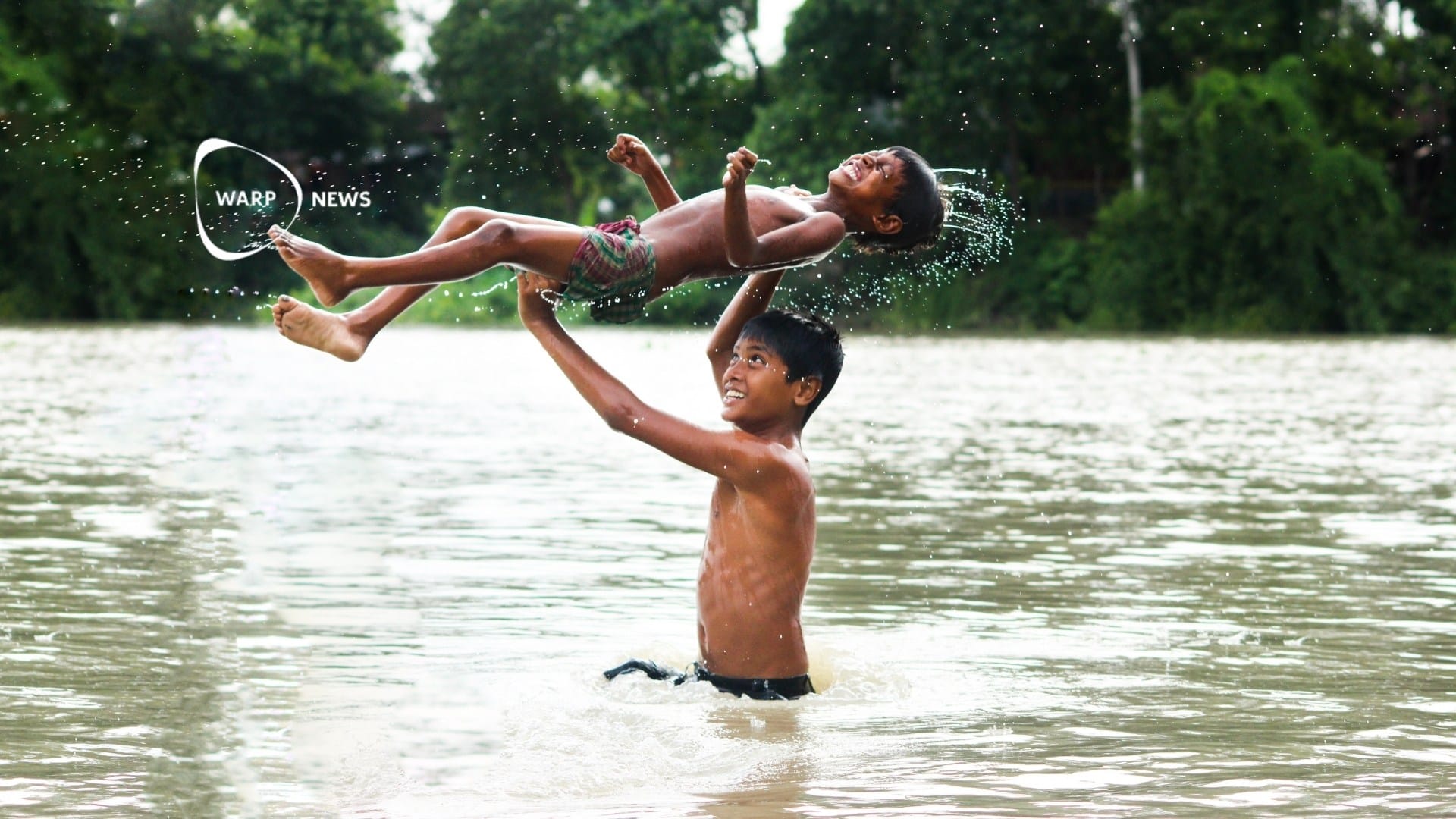
🧒 Bangladesh has reduced child mortality from 21% to 3%
Child mortality in Bangladesh has dropped from 211 per 1,000 births in 1979 to 31 per 1,000 today. Vaccination coverage has increased from 2 percent to 98 percent for basic vaccines. The country now finances 39 percent of its vaccination program and will become completely self-sufficient by 2030.
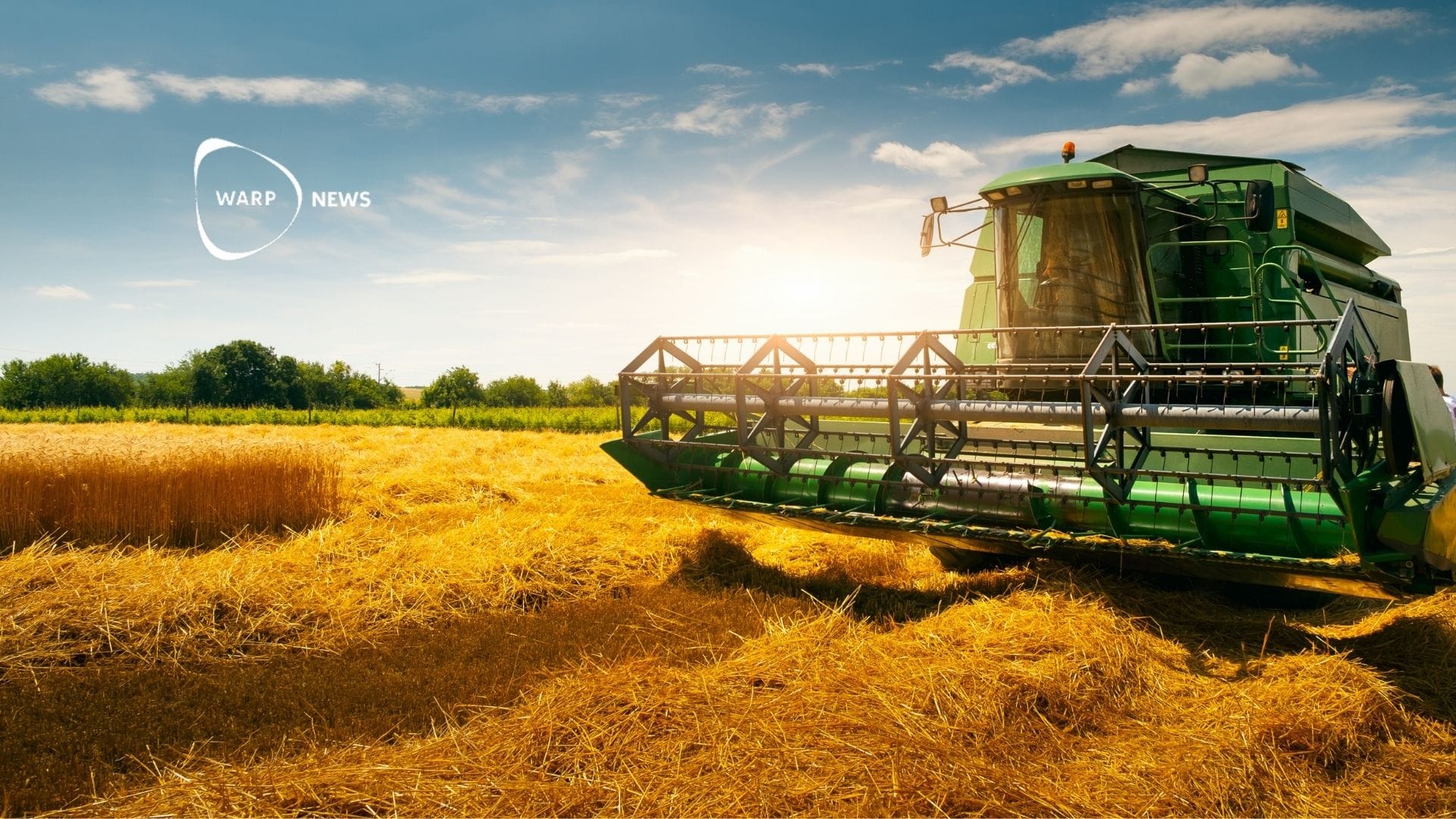
🌾 Global grain supplies set to reach record levels – food prices expected to fall
Global grain supplies are expected to reach a record level of 3.6 billion tons during the 2025-26 season. World Bank food prices are expected to decrease by 7 percent during 2025.
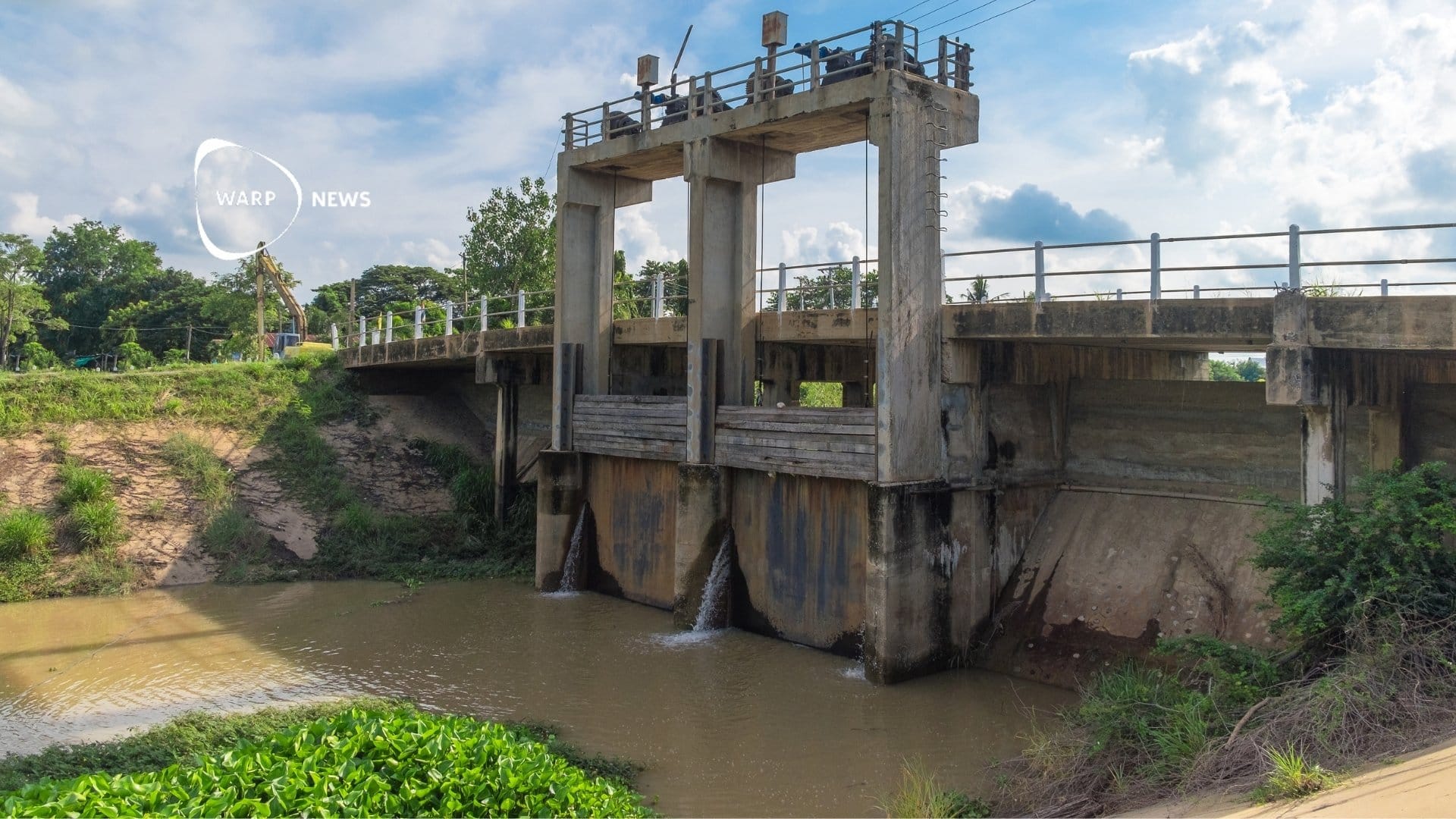
🌊 Record number of river barriers removed in Europe during 2024
Europe removed 542 dams, weirs and sluices that blocked the flow in waterways during 2024. The number of removals increased by 11 percent compared to the year before according to a report from Dam Removal Europe.
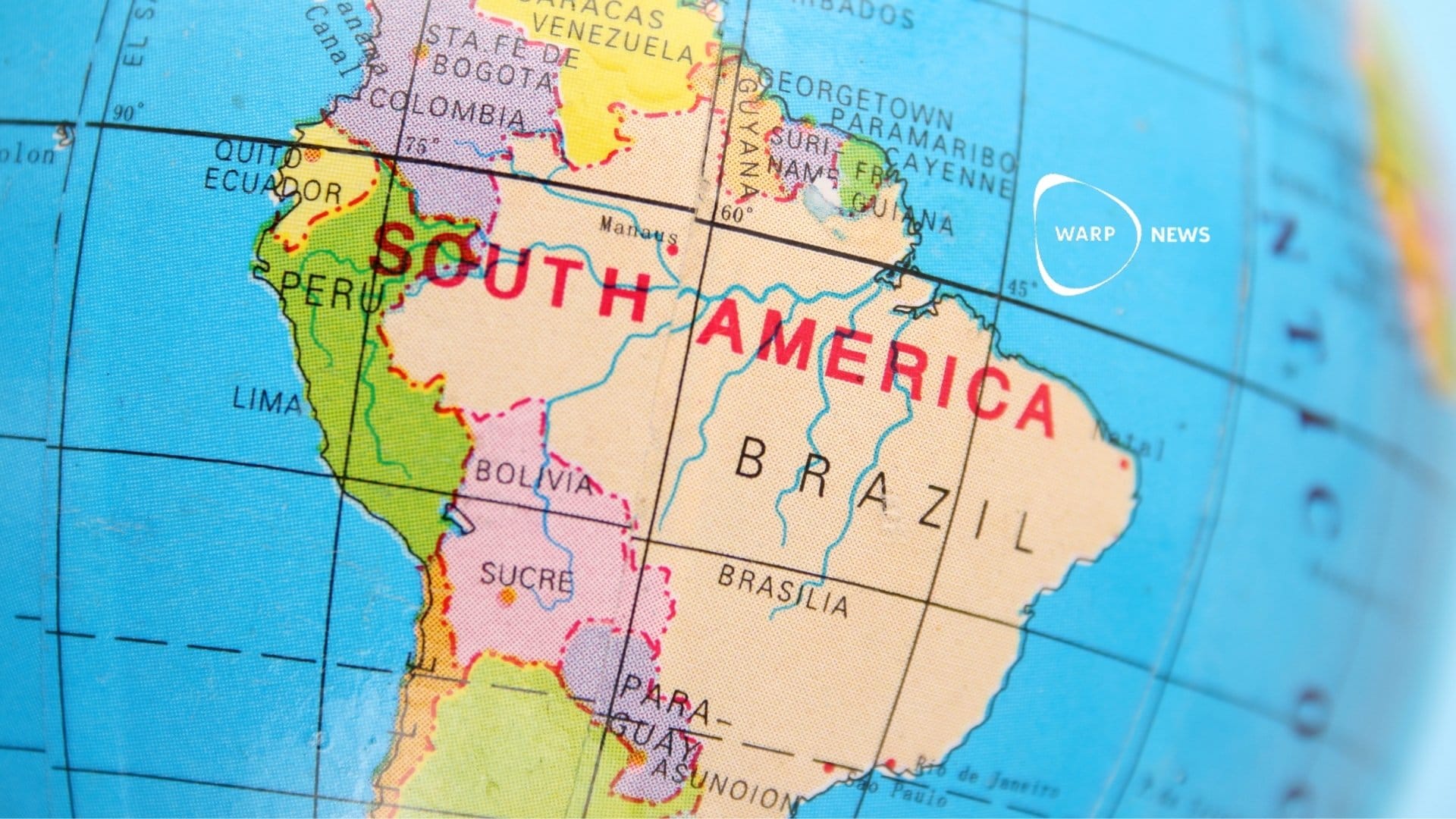
🏭 South America the first continent without planned new coal power plants
South America has become the first continent in the world without planned new coal power plants, after having 18 projects on the drawing board in 2015. Renewable energy sources have become economically superior to coal across the continent.

👁️ Contact lenses that give humans infrared vision
Researchers have created contact lenses that convert infrared light into visible light. The lenses contain nanoparticles of gold and rare earth metals that enable night vision.