

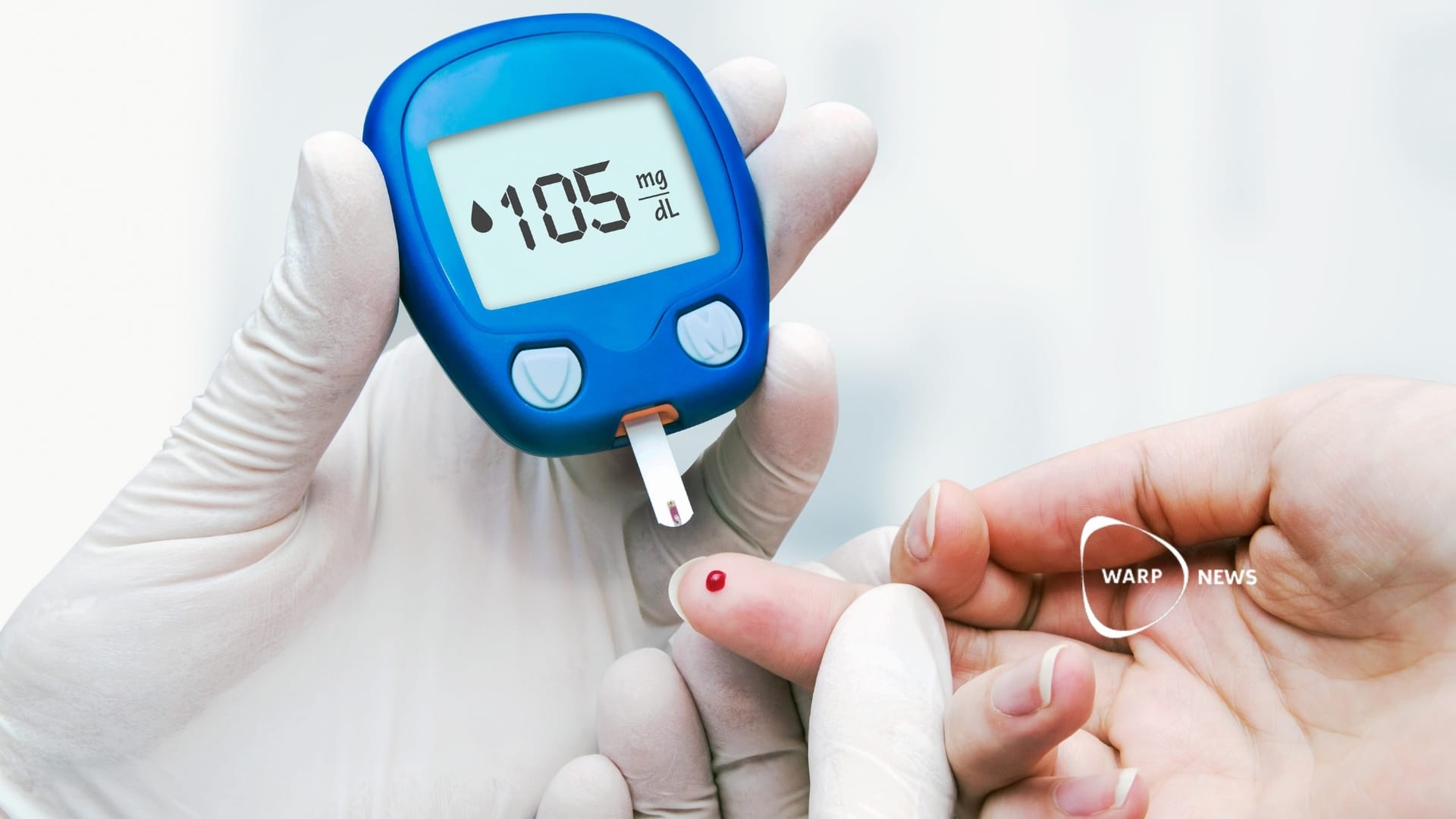
📉 Diabetes-related deaths in the US drop to lowest levels in years
New preliminary figures from the CDC show that diabetes-related deaths in the US have decreased to 26.4 deaths per 100,000 people according to data from the third quarter of 2024. This decrease reverses the concerning increase observed during the COVID-19 pandemic.

🦾 An AI-generated scientific paper approved in peer review process
An article entirely created by the Sakana's AI Scientist has been approved in the peer review process. This is the first time a fully AI-generated scientific paper has passed the same review process that human researchers go through.
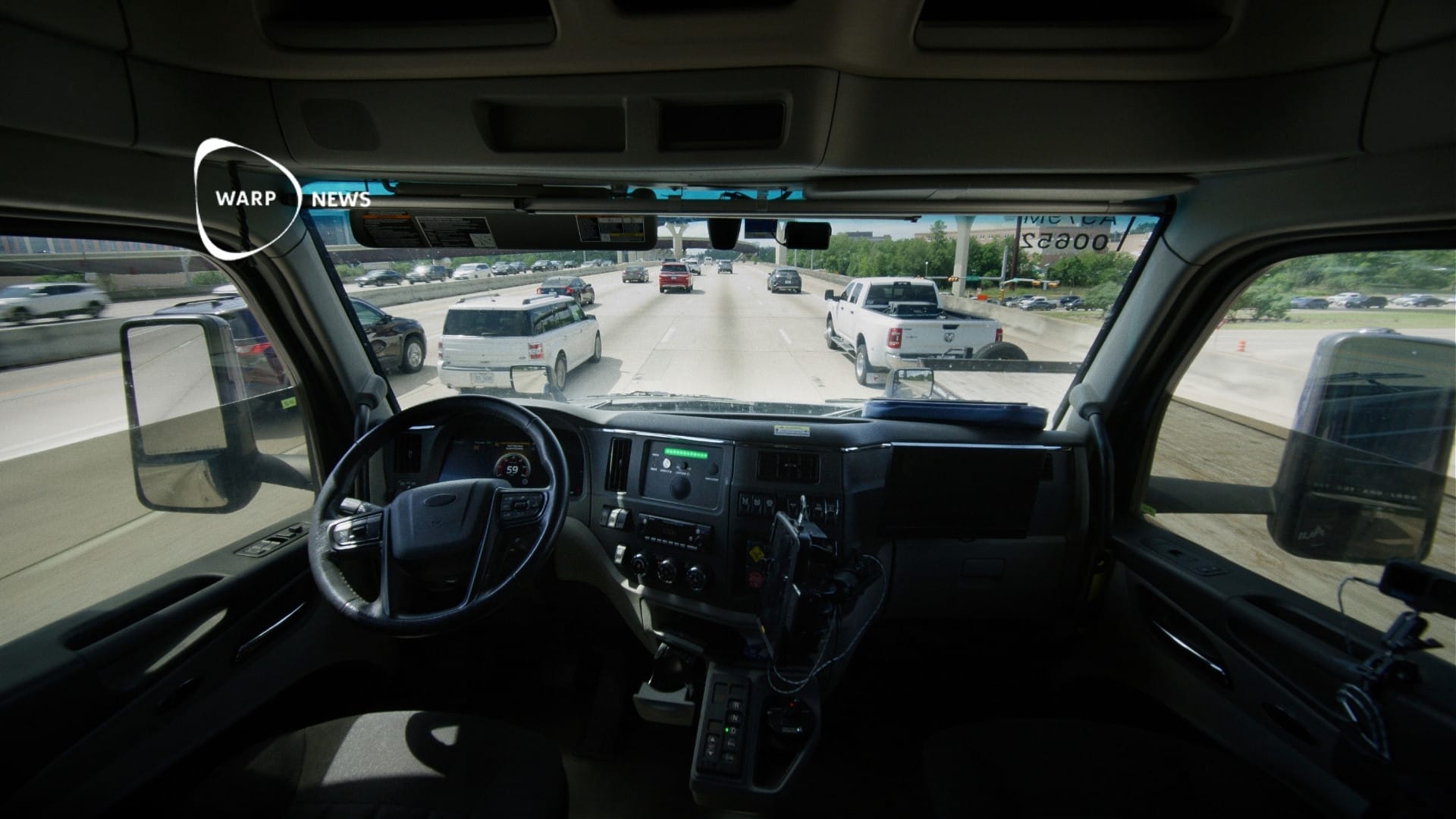
🚚 Aurora launches the first commercial driverless trucking service
Aurora has begun delivering goods with fully driverless trucks between Dallas and Houston, making them the first company with a commercial autonomous trucking service on public roads. The trucks are equipped with sensors that can see over four football fields away.

🏆 Four companies win $100 million for their carbon capture
Mati Carbon receives the main prize of 50 million dollars in the XPRIZE Carbon Removal competition. The company uses crushed basalt on agricultural land to accelerate a natural weathering process that permanently binds carbon dioxide, while improving soil quality for small-scale farmers.

🦟 New medication kills mosquitoes through the blood they suck
A medication approved for rare genetic diseases, proves to kill malaria-carrying mosquitoes when they suck blood from people who have taken the medicine. The mosquitoes die within 24 hours after sucking blood containing nitisinone, which is faster than with previously tested medications.

🧠 Users of digital technology have 58 percent lower risk of cognitive decline
Digital technology reduces the risk of cognitive impairment by 58 percent according to a comprehensive meta-analysis. The effect persisted even after accounting for demographic factors, socioeconomic status, and health conditions.

🚀 Fusion-powered spacecraft can cut travel time to Mars in half
British company Pulsar Fusion is developing Sunbird, a fusion-powered spacecraft that can reach speeds up to 805,000 kilometers per hour. Nuclear fusion in space may be easier to achieve than on Earth, as vacuum is a more natural environment for the fusion process.

🤖 AI chatbot improves mental health according to new clinical study
Dartmouth researchers report a 51 percent reduction in depression symptoms in patients who used the AI chatbot Therabot. The study shows that patients developed trust in the chatbot comparable to relationships with human therapists.
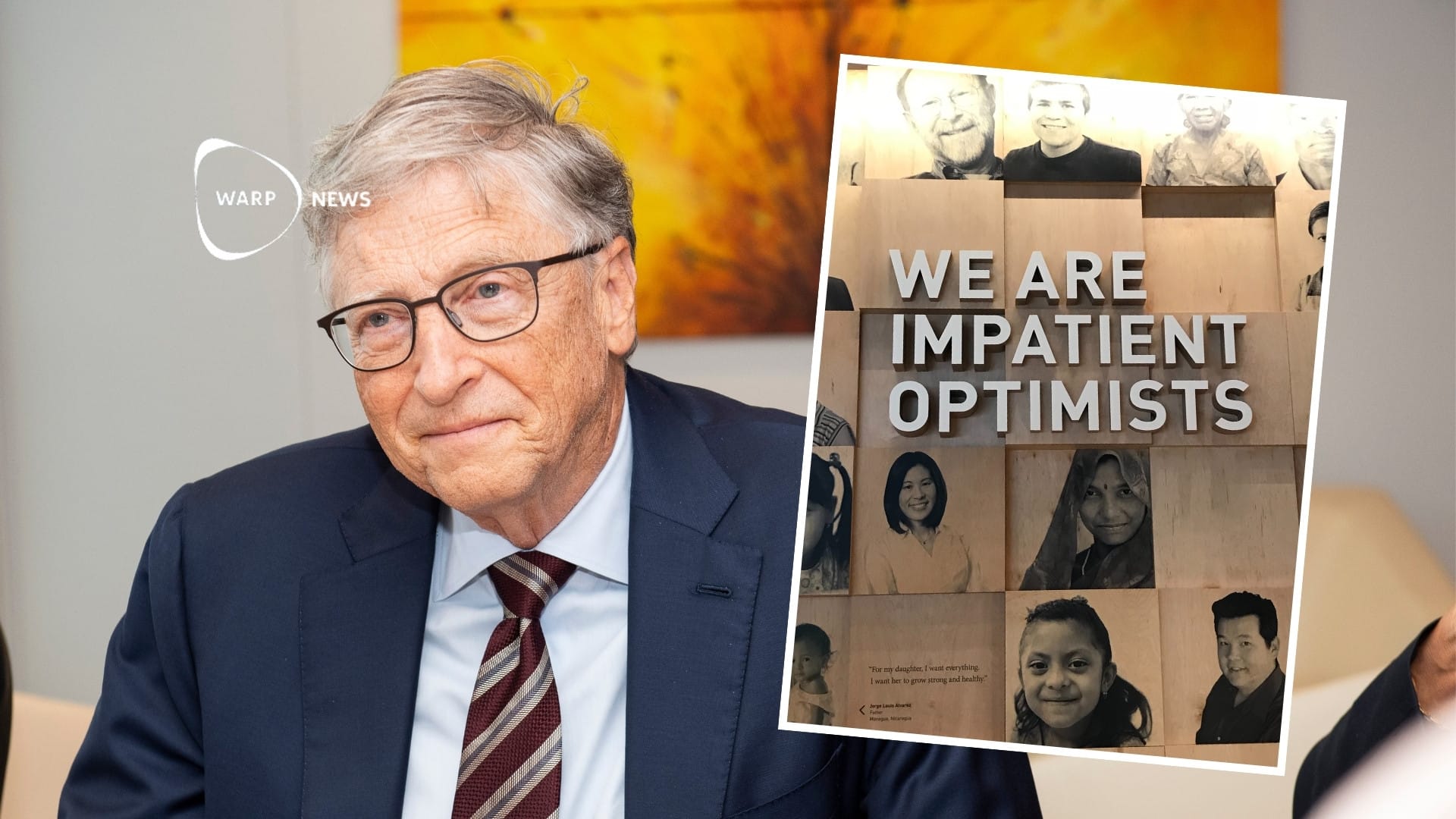
💰 Gates Foundation will spend $200 billion on charity over the next 20 years
Bill Gates has decided to donate virtually his entire fortune through the Gates Foundation. During the foundation's first 25 years, over 100 billion dollars were donated, and Gates plans to double this amount to more than 200 billion dollars by 2045.