


📱 Headphones and smartphones become medical devices
The FDA has approved AirPods as over-the-counter hearing aids for adults with mild to moderate hearing loss.
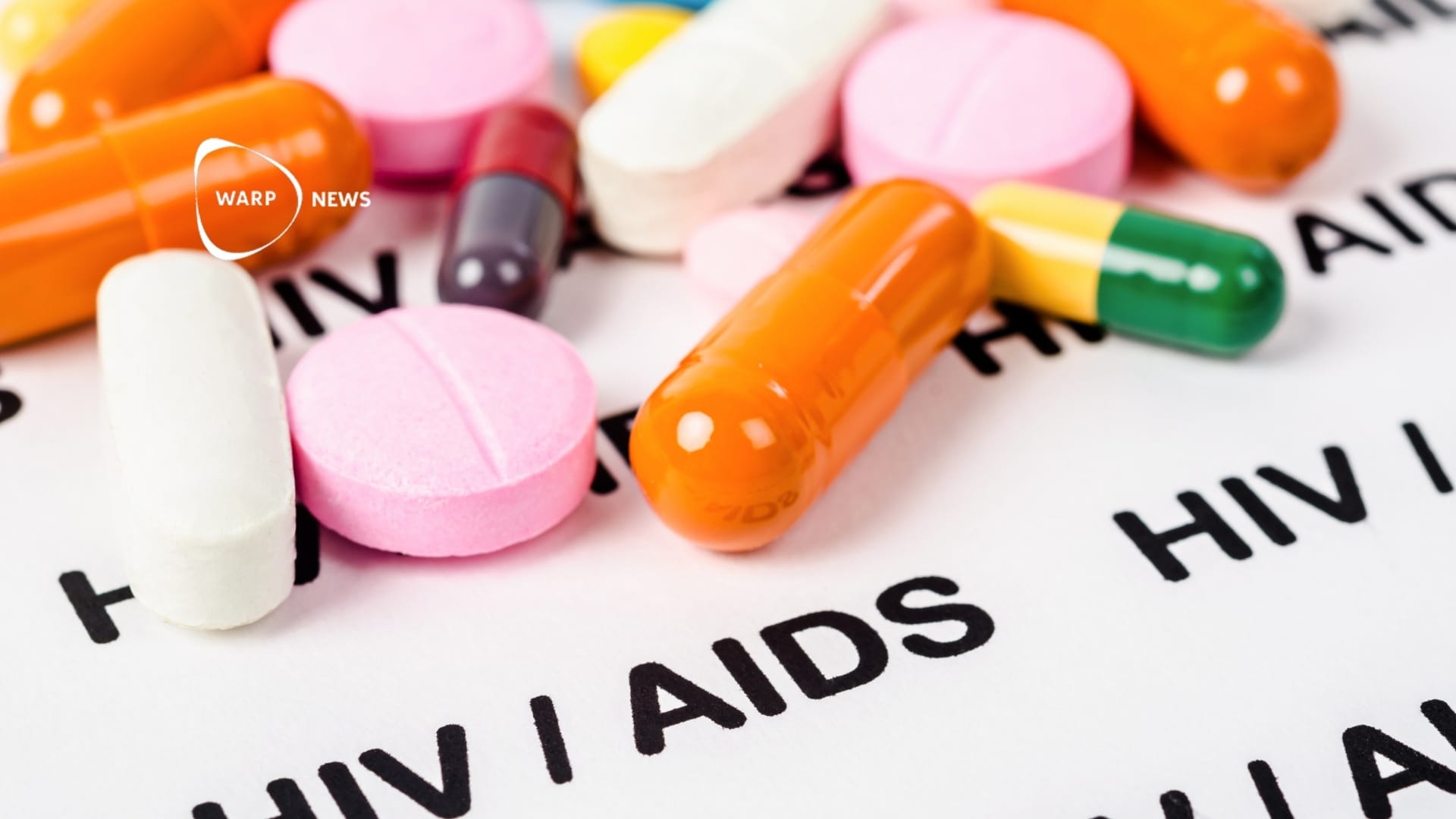
💵 HIV medicine price drops from $28,000 to $40
The lower cost applies to 120 low- and middle-income countries and takes effect in 2027.

✂️ New CRISPR technique makes gene editing much safer
Scientists have created a new version of CRISPR gene editing that makes 60 times fewer errors than before.

🗳️ Ghana's democracy shows stability over 30 years
Ghana has held uninterrupted and peaceful elections since the return to democracy in 1992, with four power transitions between political parties.
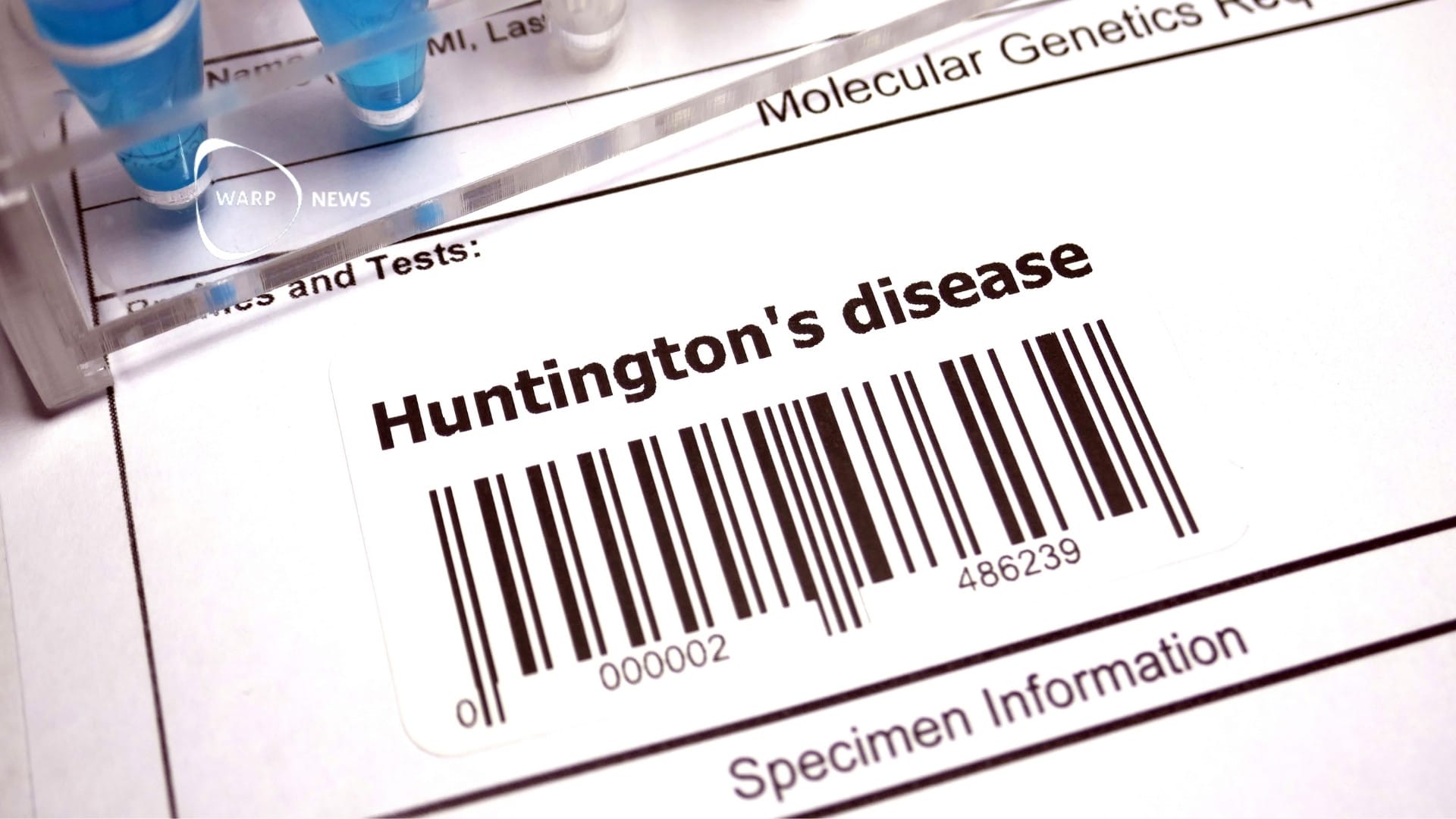
🧬 For the first time: Gene therapy slows Huntington's disease by 75%
The study shows that patients who received high doses had fewer symptoms and produced 8.2 percent less of a protein that indicates dying nerve cells.

🥣 80 million more children now receive meals at school
Low-income countries have increased the number of children receiving school meals by 60 percent in just the past two years.

🚜 Agricultural land decreasing globally for the first time
The world's agricultural land peaked in the early 2000s and has been declining since then.
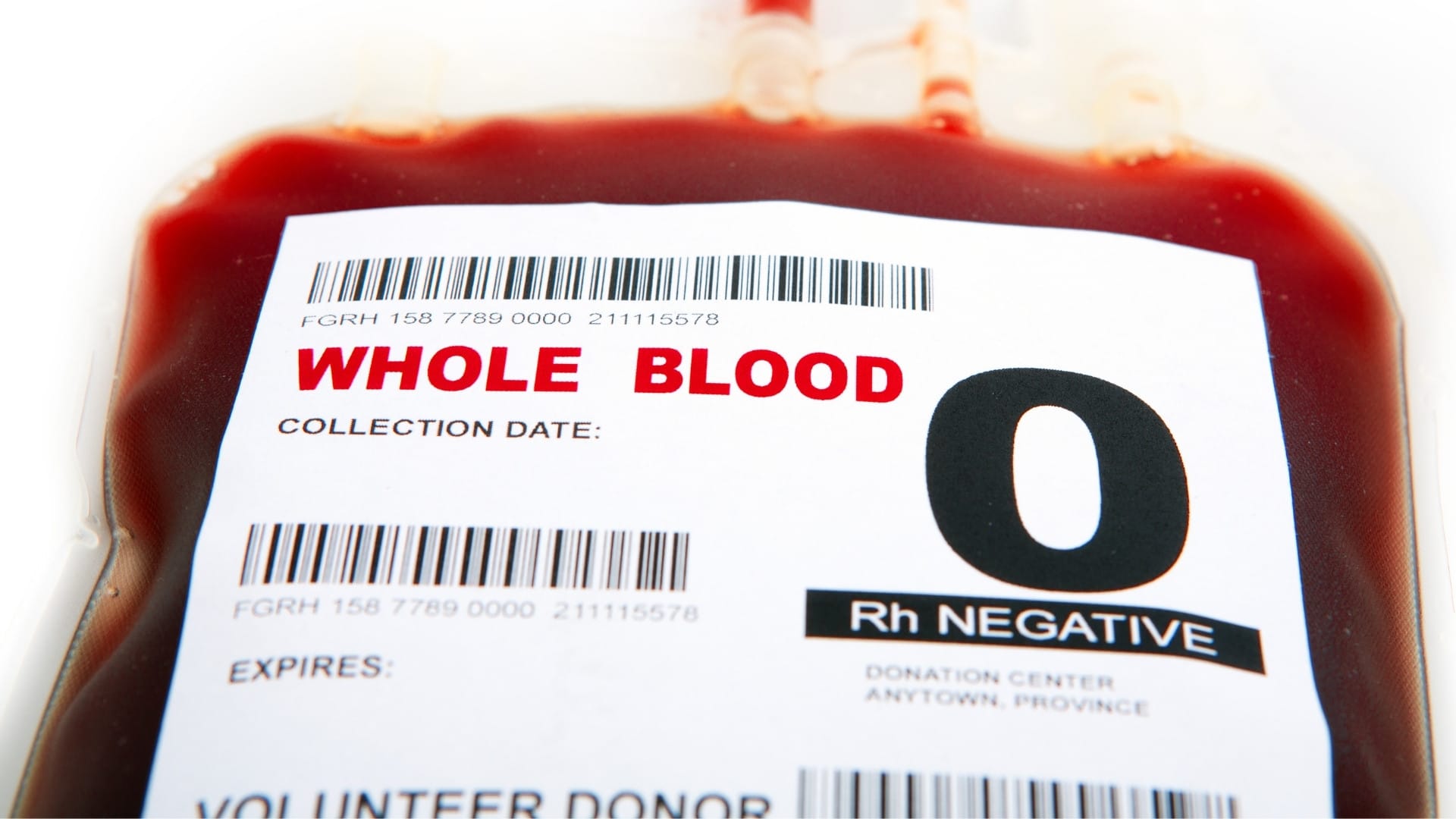
🅾️ Biotech company develops blood type that fits all patients
RedC Biotech develops technology to produce universal red blood cells that can be transfused to all patients. The technology eliminates the need for blood donors by cultivating blood cells from stem cells in large bioreactors.
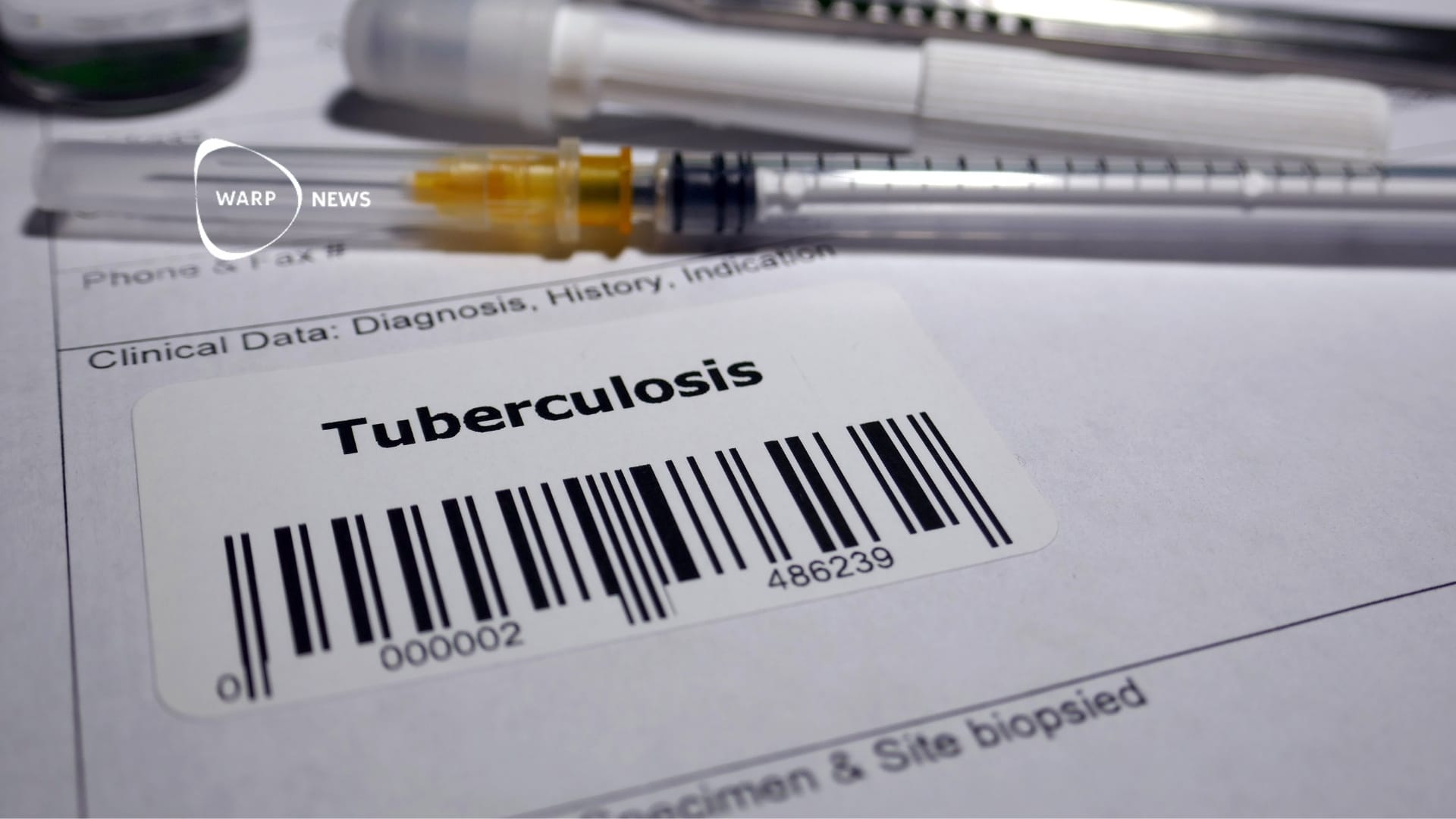
📉 Tuberculosis medicine cheapest ever - enables treatment of thousands more
The money saved equals 71,000 additional bedaquiline courses.