

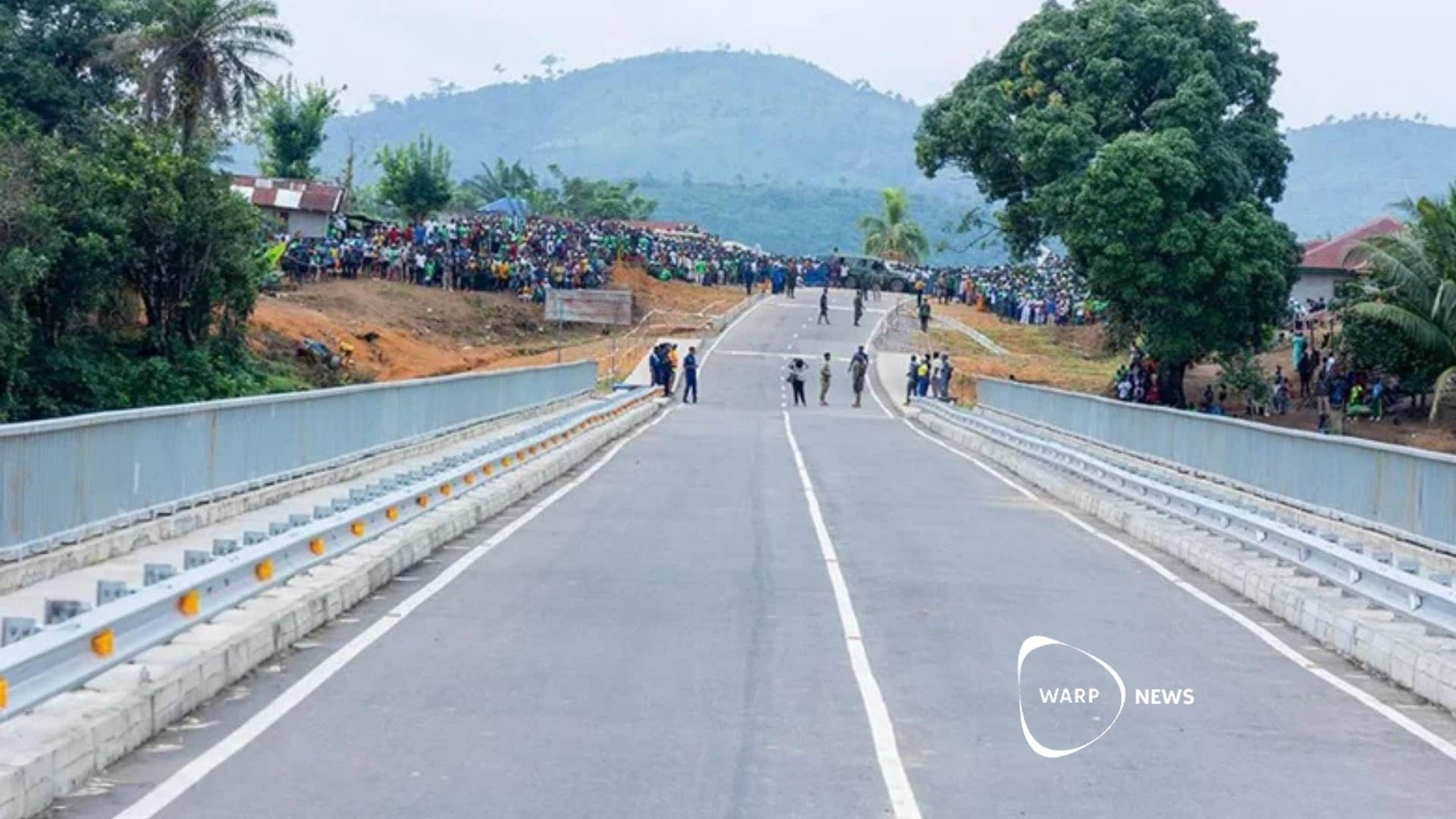
🌉 New bridge in Sierra Leone cuts journey from half a day to five minutes
The Gendema Bridge replaces a 50-year-old hand-pulled ferry across the Sewa River. The bridge is part of a larger effort where a total of eight bridges are being built to connect farmers with markets across the country.
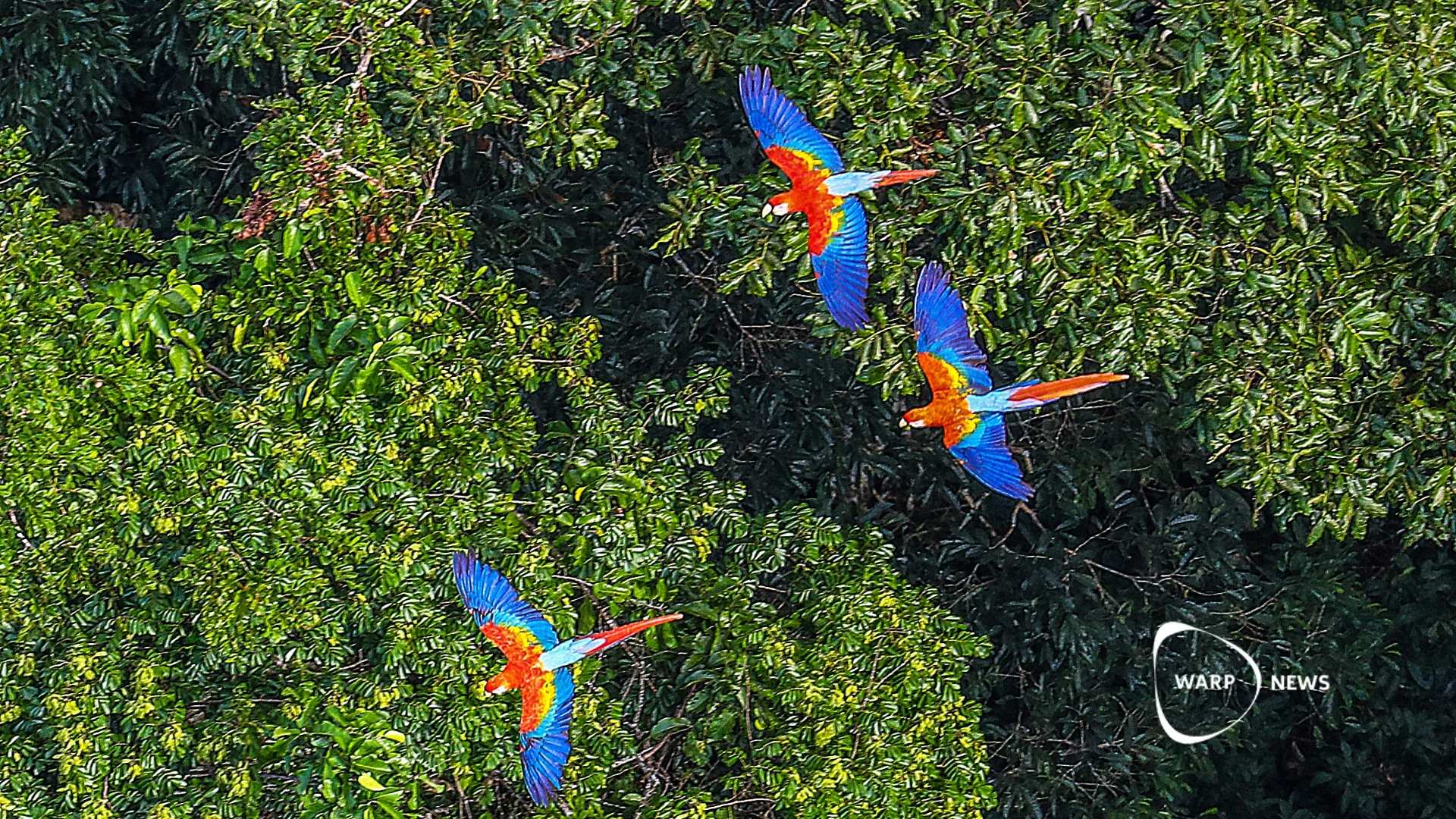
🌳 Amazon deforestation continues to decline – lowest level since 2014
Satellite data shows that deforestation in the Amazon between August 2025 and January 2026 dropped to 1,325 square kilometers, the lowest level for the period since 2014. Total deforestation over the past twelve months decreased to 3,770 square kilometers, also the lowest figure since 2014.
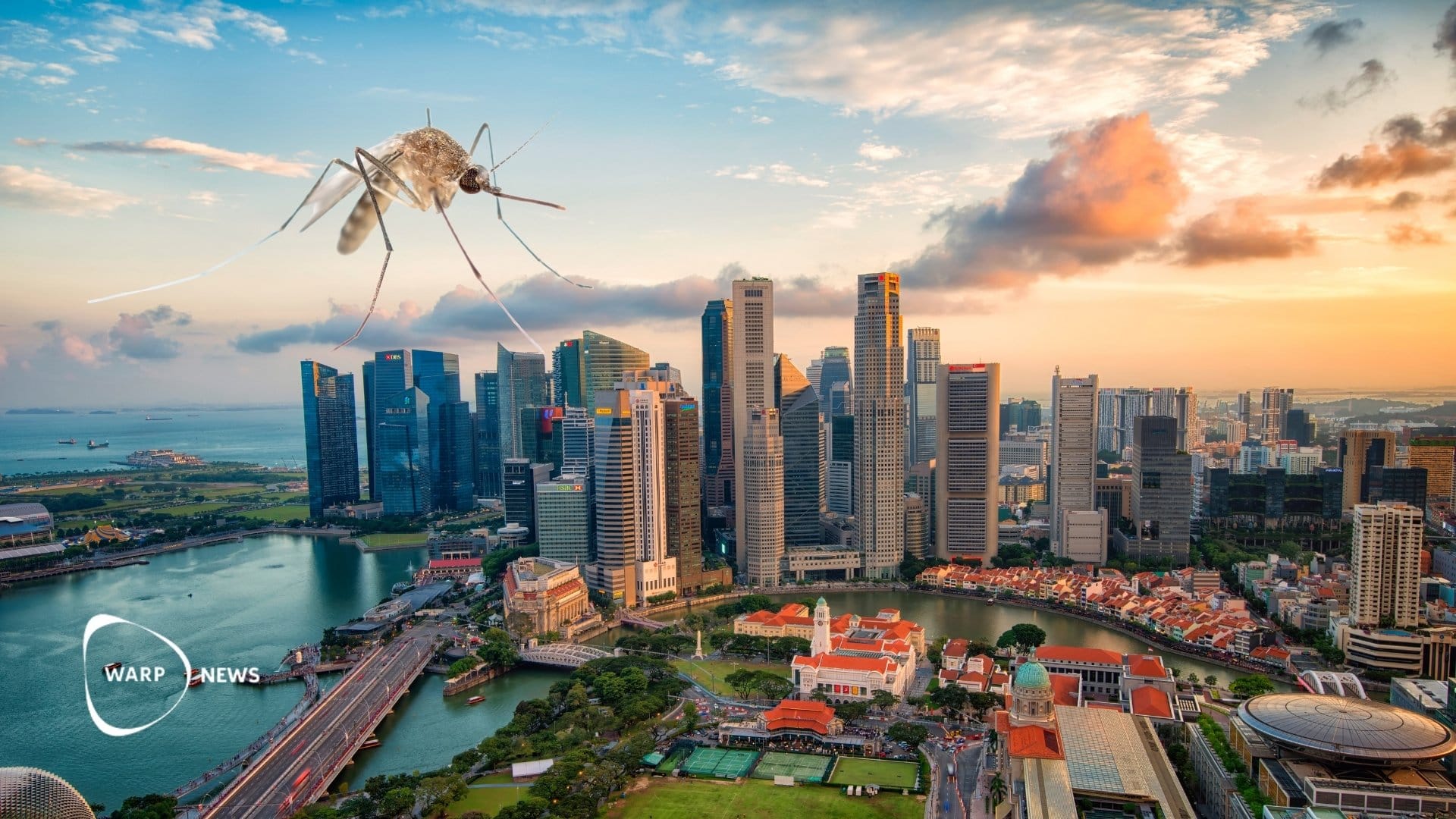
🦟 Bacteria in mosquitoes reduced dengue cases by 70 percent in Singapore
In a two-year experiment in Singapore, the number of wild mosquitoes decreased by 77 percent in areas where Wolbachia-infected male mosquitoes were released. Residents in treated neighborhoods had approximately 70 percent lower risk of developing symptomatic dengue.

🧮 AI helps mathematicians solve problems that have been unsolved for decades
Since October, AI tools have helped move about 100 of Paul Erdős' mathematical problems into the "solved" category. Large language models function as powerful research assistants that can find and combine existing mathematical results in new ways.
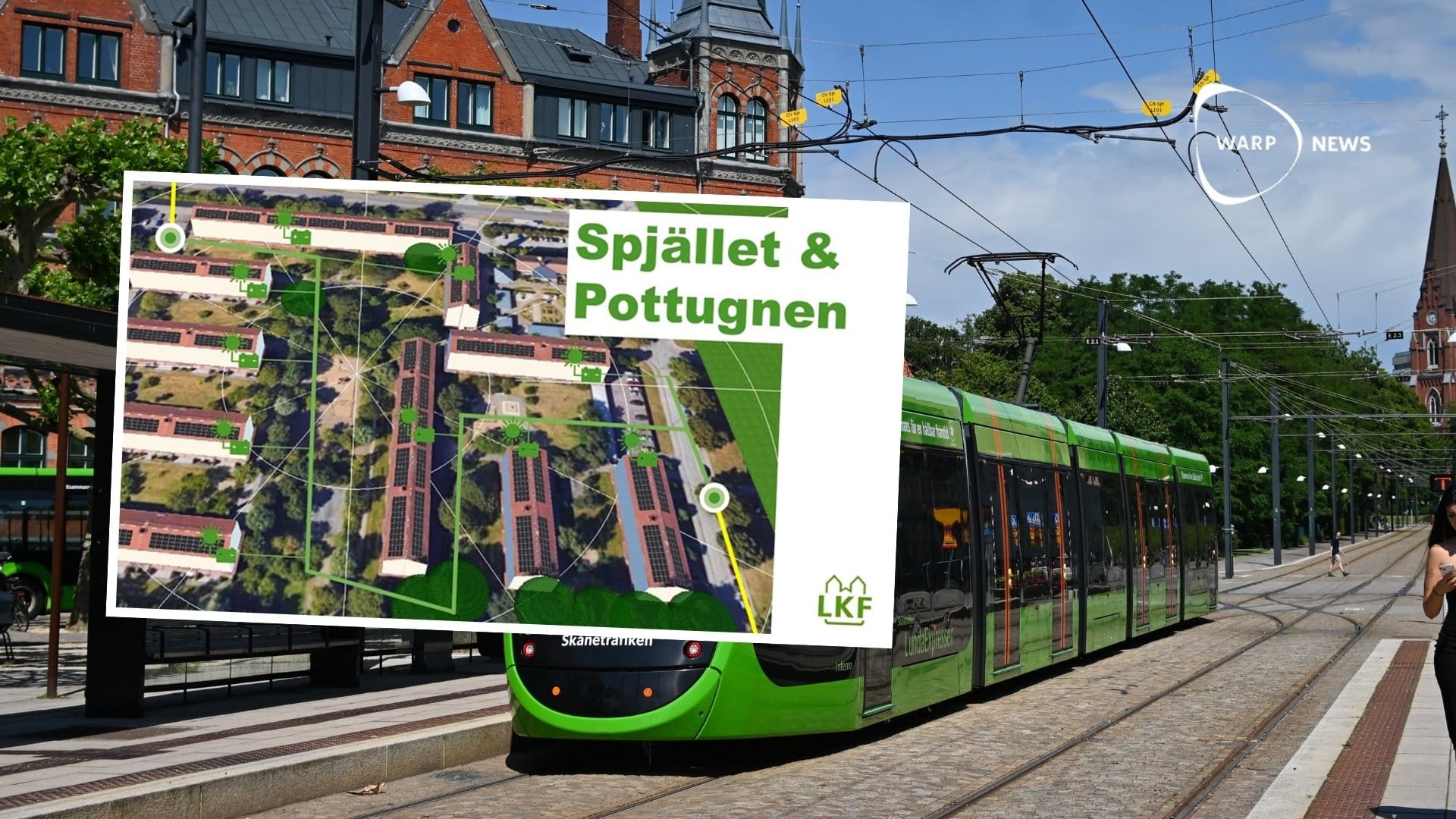
🔋 EnergyNet expands to 280 apartments in Lund
LKF is replacing 280 individual electricity subscriptions with a shared internal grid. Tenants will stop paying grid fees and instead pay only for their actual electricity consumption. The system enables locally produced solar power and stored battery energy to be shared directly between buildings.

🚘 Waymo raises $16 billion to expand self-driving cars globally
Waymo has secured $16 billion in an investment round valuing the company at $126 billion. In 2025, Waymo tripled its rides to 15 million and plans to expand to over 20 new cities in 2026.
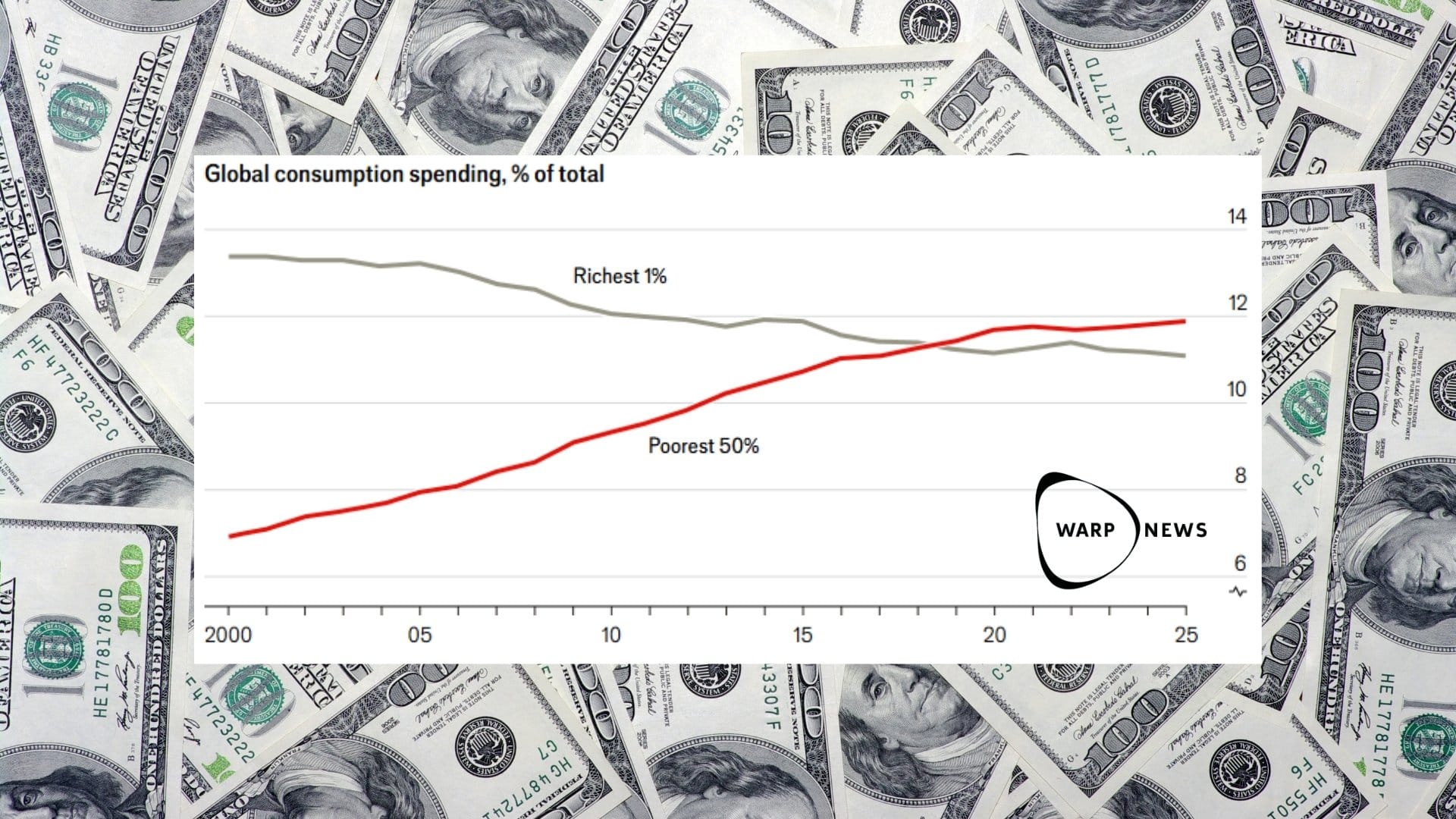
📈 The gap between the world's richest and poorest has more than halved since 2000
The ratio between the richest 10 percent's consumption and the poorest 50 percent's has decreased from 40 to 18 times since the turn of the millennium. Low- and middle-income countries have driven the development through faster economic growth than rich countries.
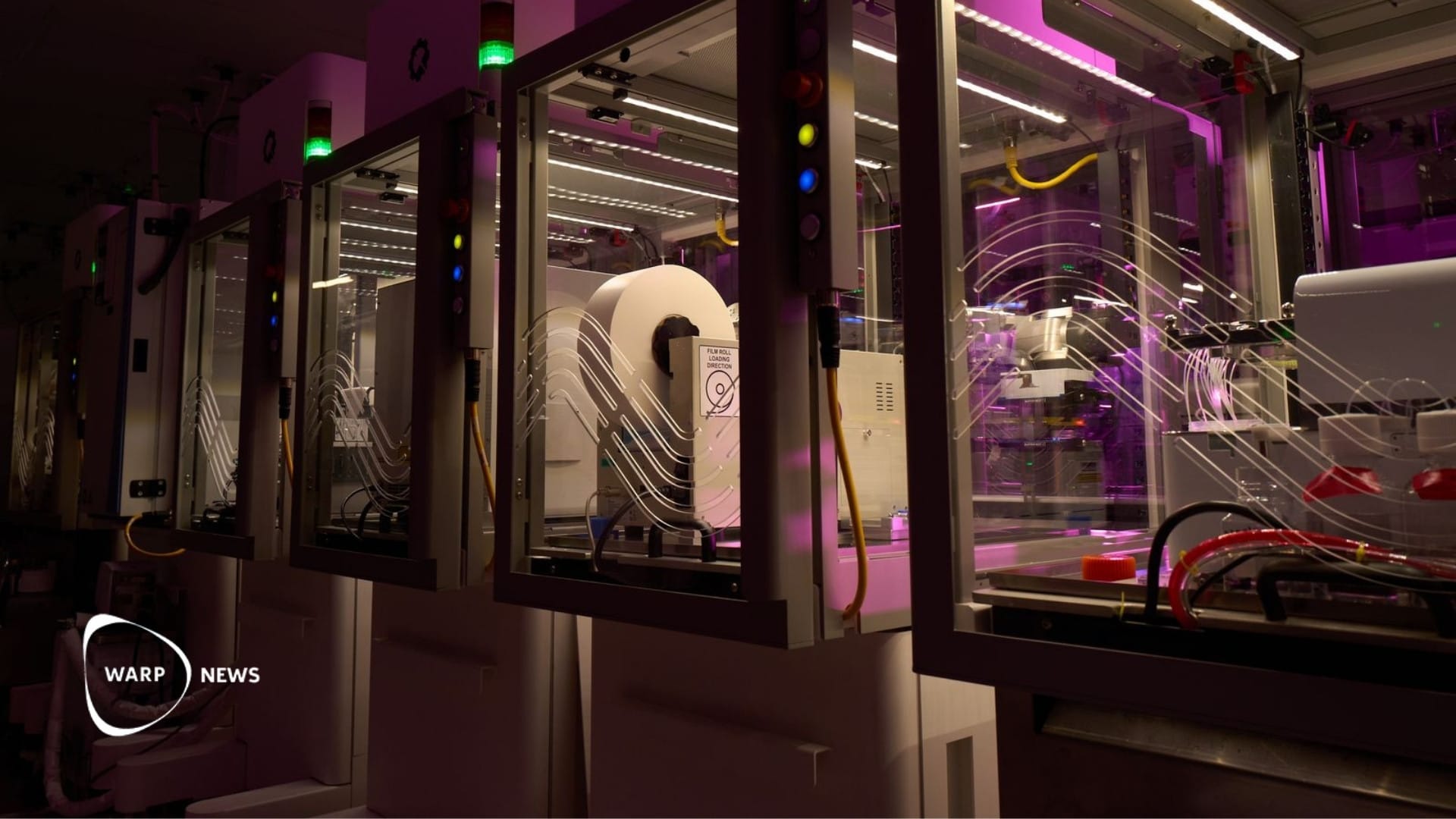
🦾 ChatGPT connected to robot lab and conducted 36,000 experiments to optimize protein production
The system identified new reaction compositions that reduced protein production costs by 40 percent compared to previous methods. Cell-free protein synthesis is used to manufacture proteins for pharmaceuticals, diagnostics, and industrial processes.
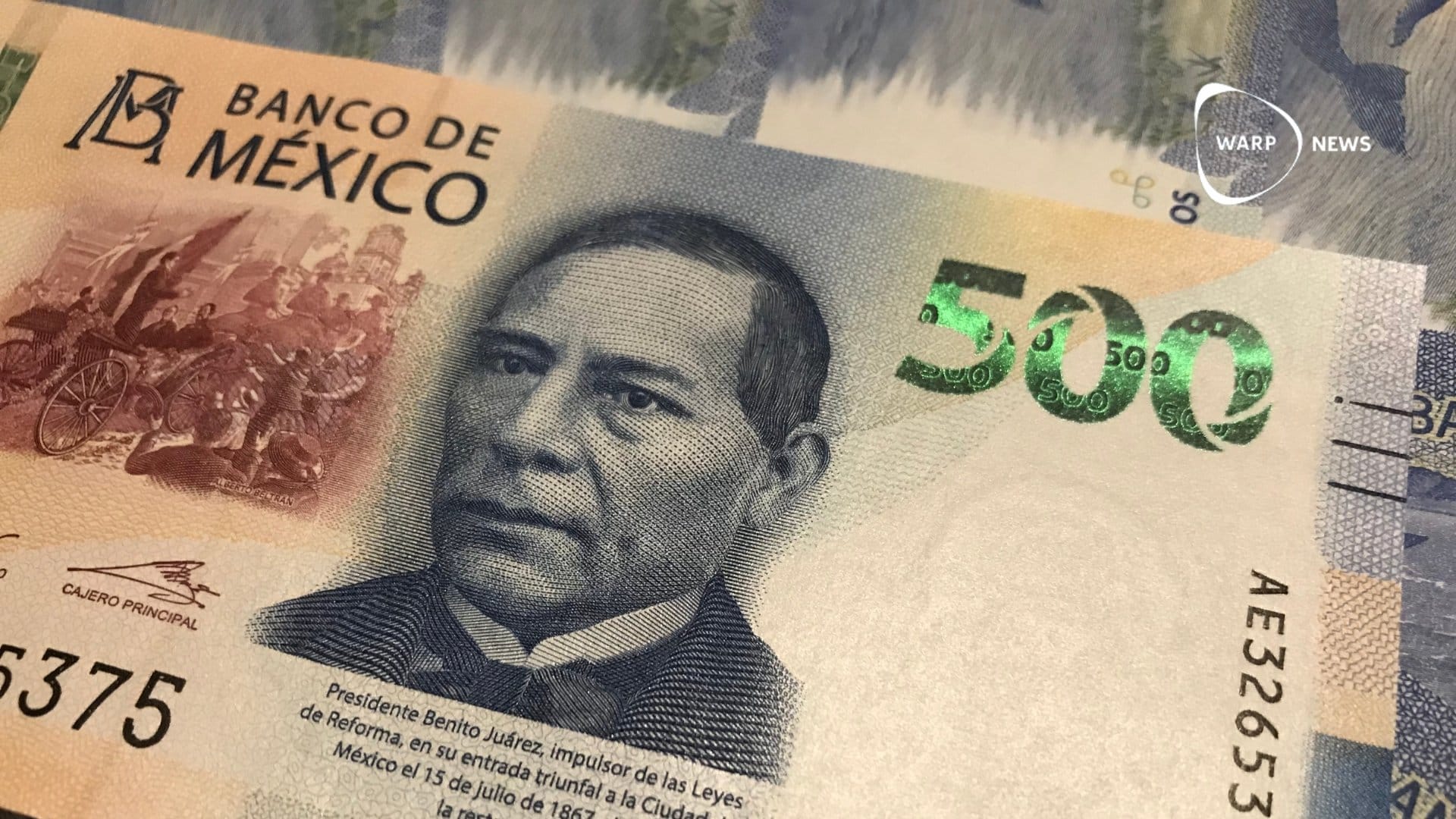
💰 Mexico's middle class now larger than number of poor for first time in history
The share of Mexicans in the middle class increased from 27.2 percent in 2018 to 39.6 percent in 2024. Poverty decreased from 41.9 percent to 29.6 percent during the same period. Approximately 12 million Mexicans have risen to middle class level since 2018.