


👩💻 Almost ten percent of the world's population uses ChatGPT
ChatGPT had 700 million users per week in July 2025 The gender gap has disappeared – from 80 percent male users to 48 percent in June 2025
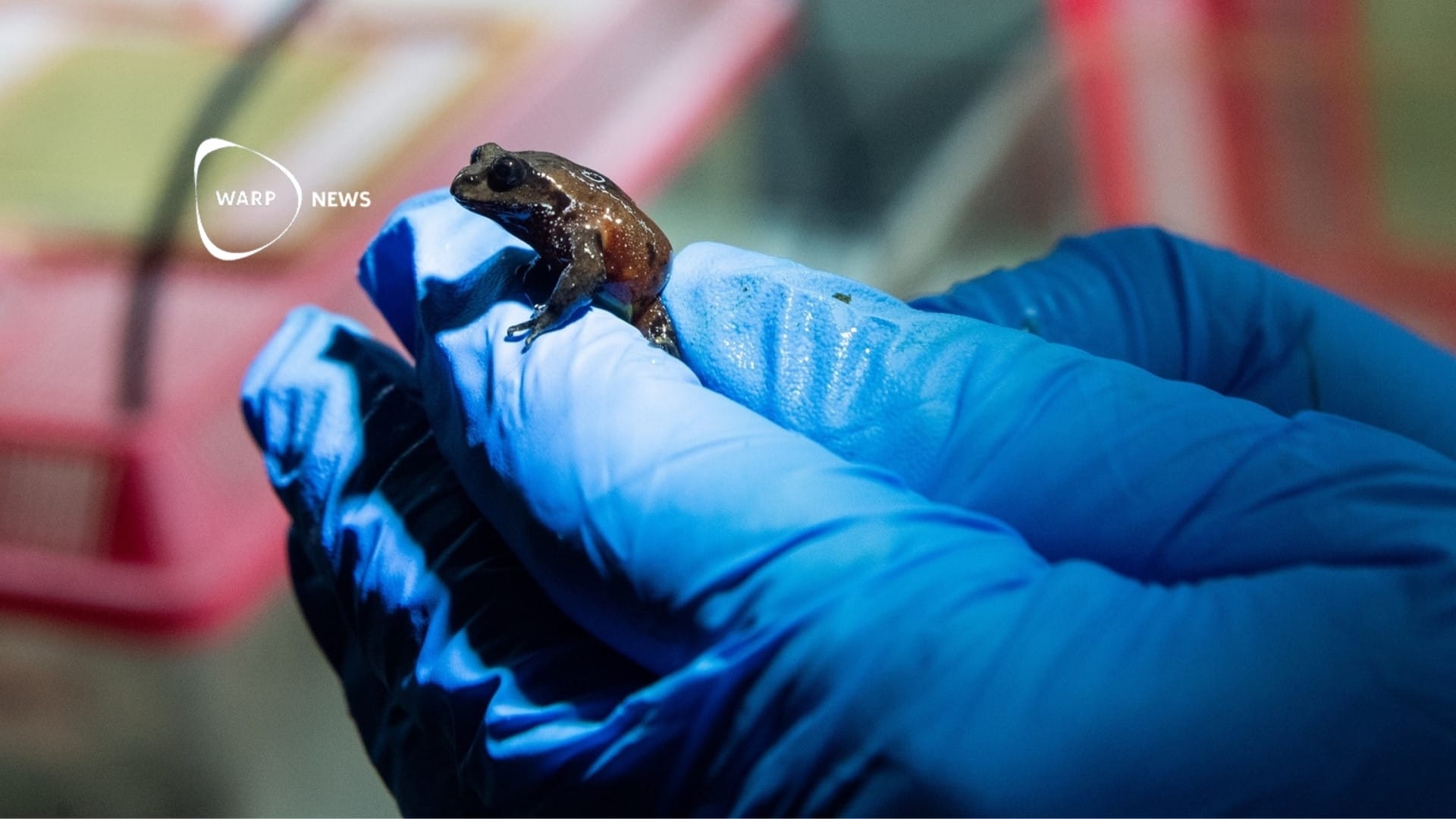
🐸 Researchers successfully breed rare mountain frogs for first time
Seven frogs have been released into the wild at Tooloom National Park as part of a conservation project. The researchers have replicated the frogs' unusual habitat with correct temperature, substrate, plants and sound to enable breeding.

🦑 With AI we are learning to understand animal language
AI technology makes it possible to analyze large amounts of animal sounds and detect patterns that were previously impossible to identify.

🚗 Waymo's self-driving cars have 79% fewer accidents than human drivers
Waymo's vehicles drove only on regular streets, not highways, and all comparisons were made for similar driving conditions.

🧒 Child poverty declines worldwide - 100 million fewer in 10 years
South Asia has more than halved its child poverty during the past decade.

🌌 AI improves gravitational wave measurements
The method can help astronomers detect hundreds more collisions between black holes and neutron stars per year.
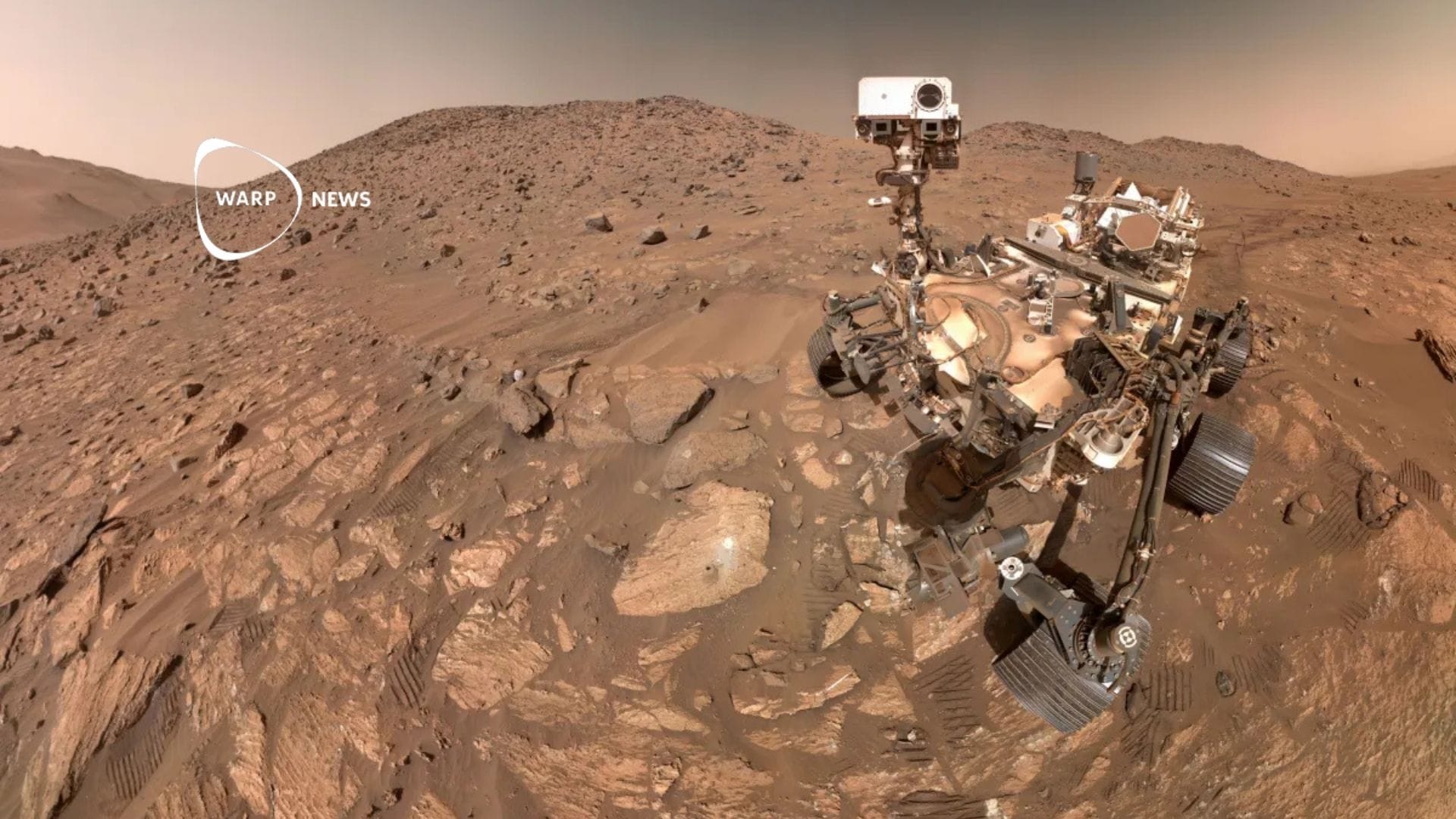
👽 Mars rover finds potential traces of ancient life
The discovery was made in younger sedimentary rocks than expected, suggesting Mars was habitable for a longer period.

🦾 AI shows faster development than experts predicted
Researchers greatly underestimated AI progress in mathematics and language understanding. Those who were accurate in the short term did not share the same views on existential risks through 2100.
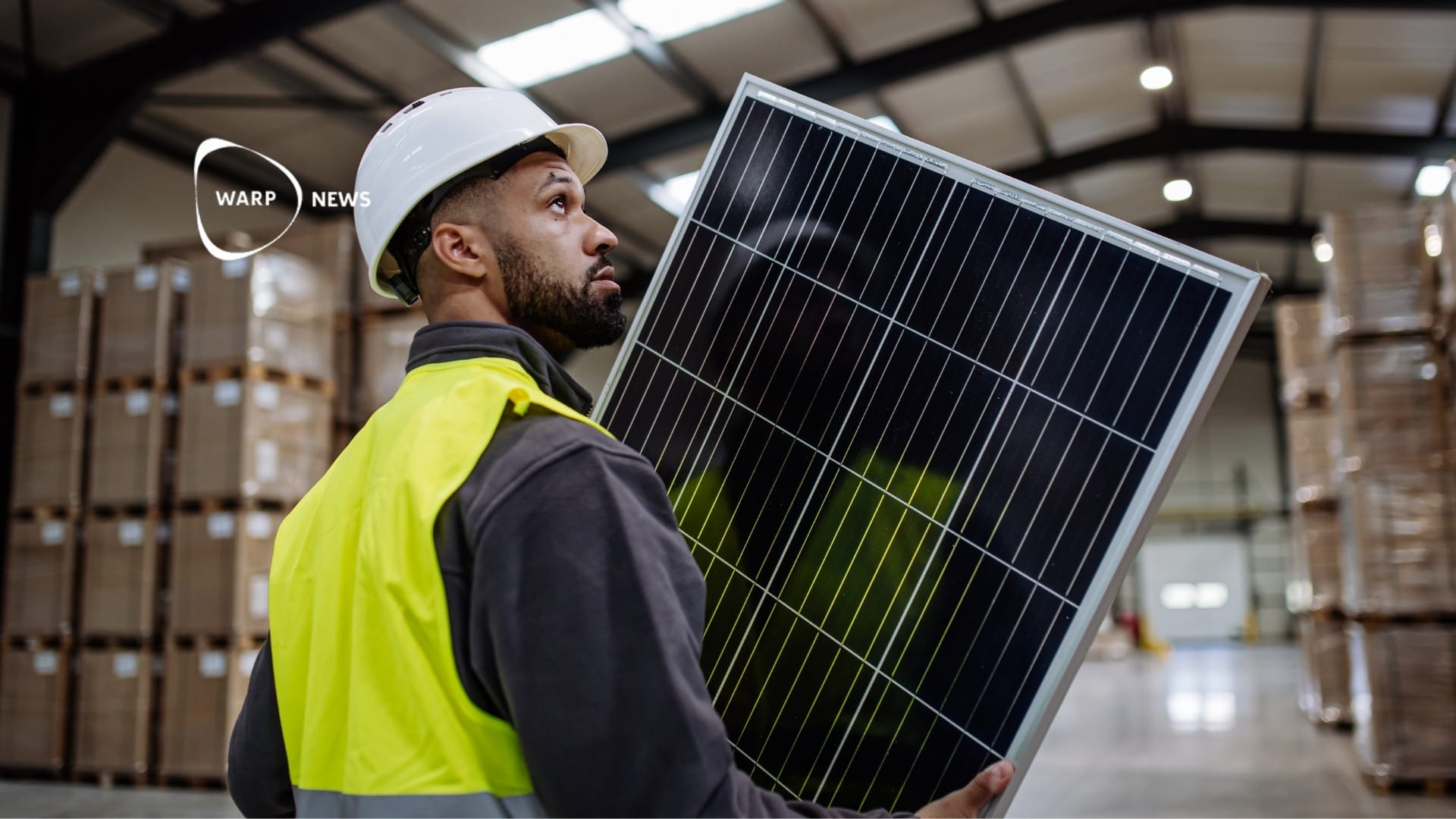
☀️ Africa reaches record levels for solar panel imports
Africa's solar panel imports increased by 60 percent during the past 12 months. Twenty countries set new records for solar panel imports during the period.