

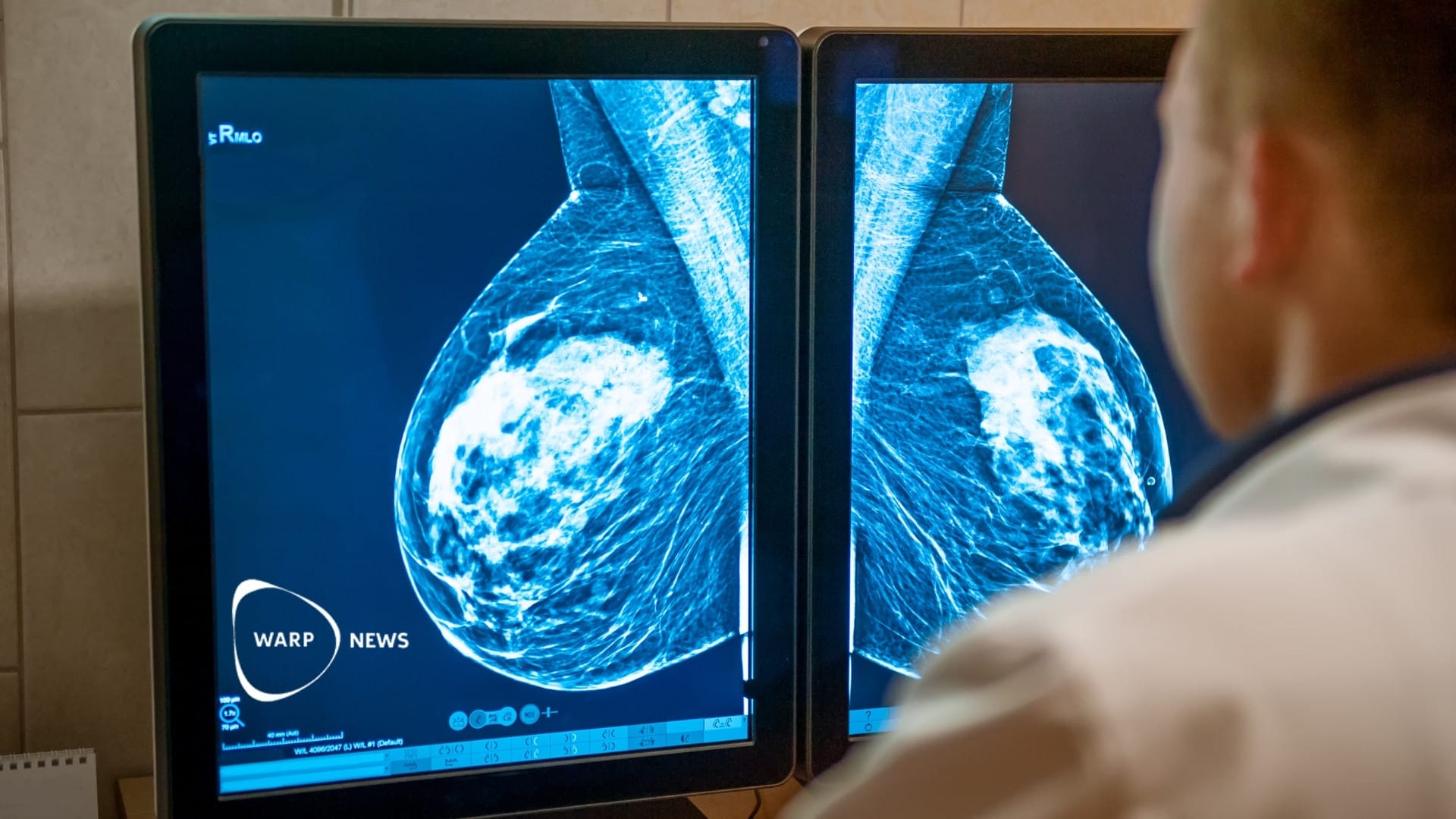
👩⚕️ AI-supported mammography reduces missed cancer cases
A study with over 100,000 women shows that AI-supported mammography screening is equivalent to or better than traditional double reading. Sensitivity increased from 73.8 percent to 80.5 percent with AI support. Fewer cancer cases with unfavorable characteristics were missed in the AI group.
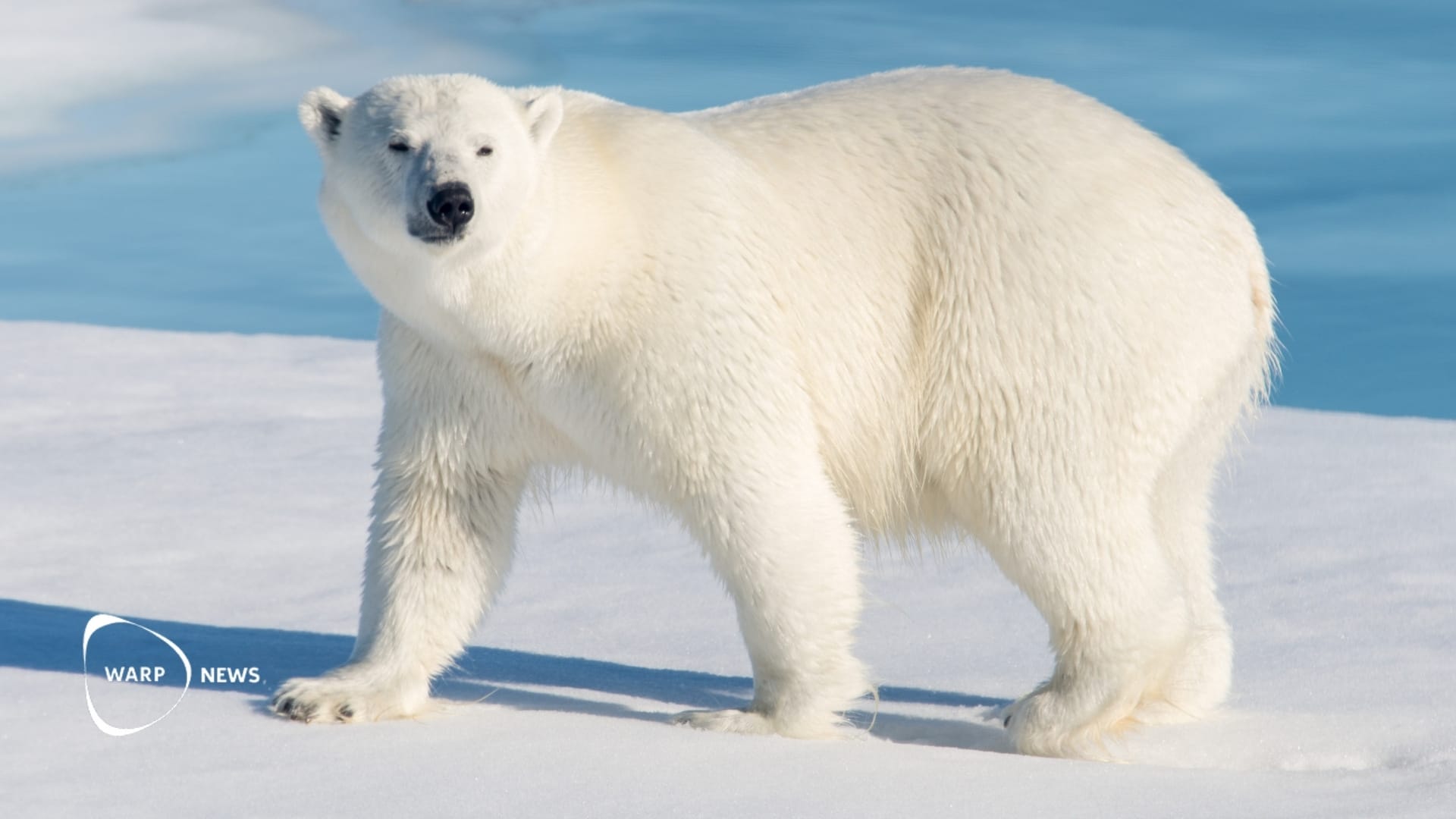
🐻 Polar bears in Svalbard are thriving despite rapid sea ice loss
Researchers studied 770 adult polar bears in Svalbard between 1995 and 2019 and found that their body condition improved after 2000. The Barents Sea has lost sea ice faster than any other area where polar bears live, but the bears showed no signs of deteriorating health.

👨💻 Office workers earn more and grow in numbers despite AI warnings
The number of white-collar jobs in the US has increased by approximately 3 million since ChatGPT launched in late 2022. Occupations combining technical expertise with coordination and judgment have grown the most, while purely routine work is declining.
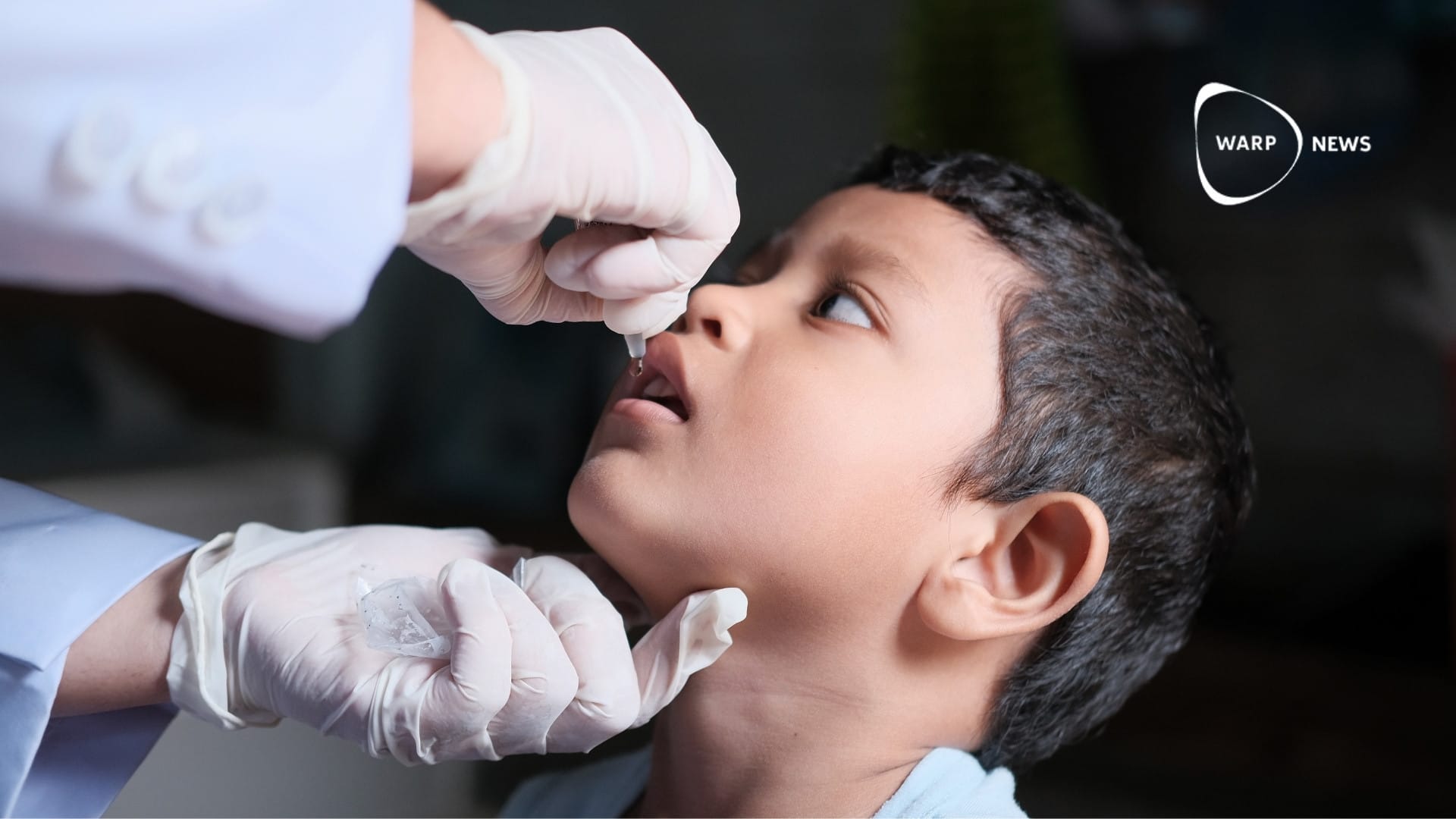
🧒 Polio outbreaks stopped and millions of children vaccinated against measles and malaria
Polio outbreaks in Indonesia and Madagascar have been officially declared over after intensive vaccination campaigns. Nigeria has carried out one of its largest vaccination campaigns ever, reaching approximately 106 million children.
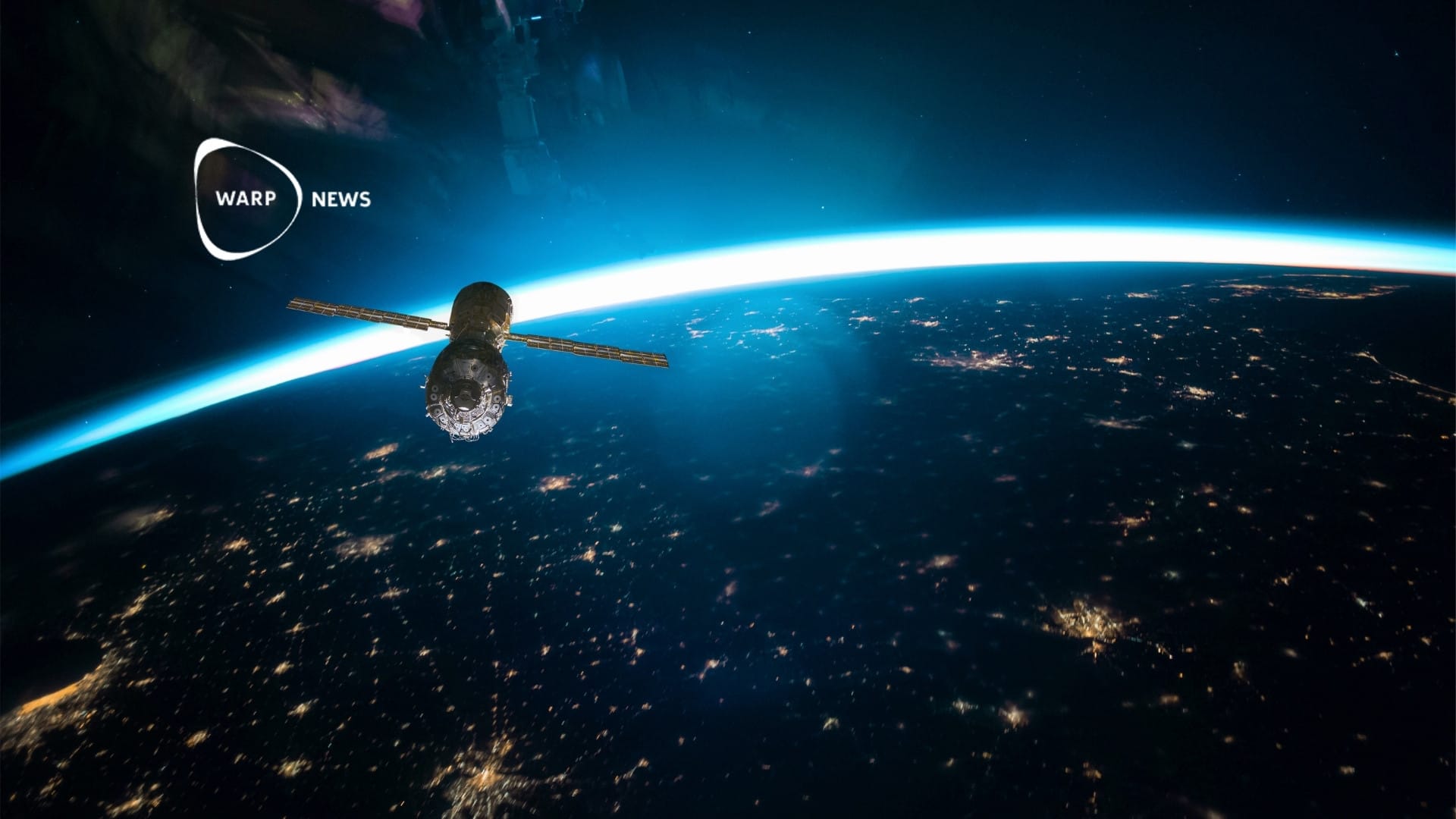
🛰️ Jeff Bezos' Blue Origin launches satellite network to compete with Elon Musk's Starlink
Blue Origin plans to launch 5,408 satellites for a new communications network called TeraWave. The network will be able to deliver data speeds of up to 6 terabits per second anywhere on Earth. The first satellites are scheduled to be placed in orbit during the fourth quarter of 2027.
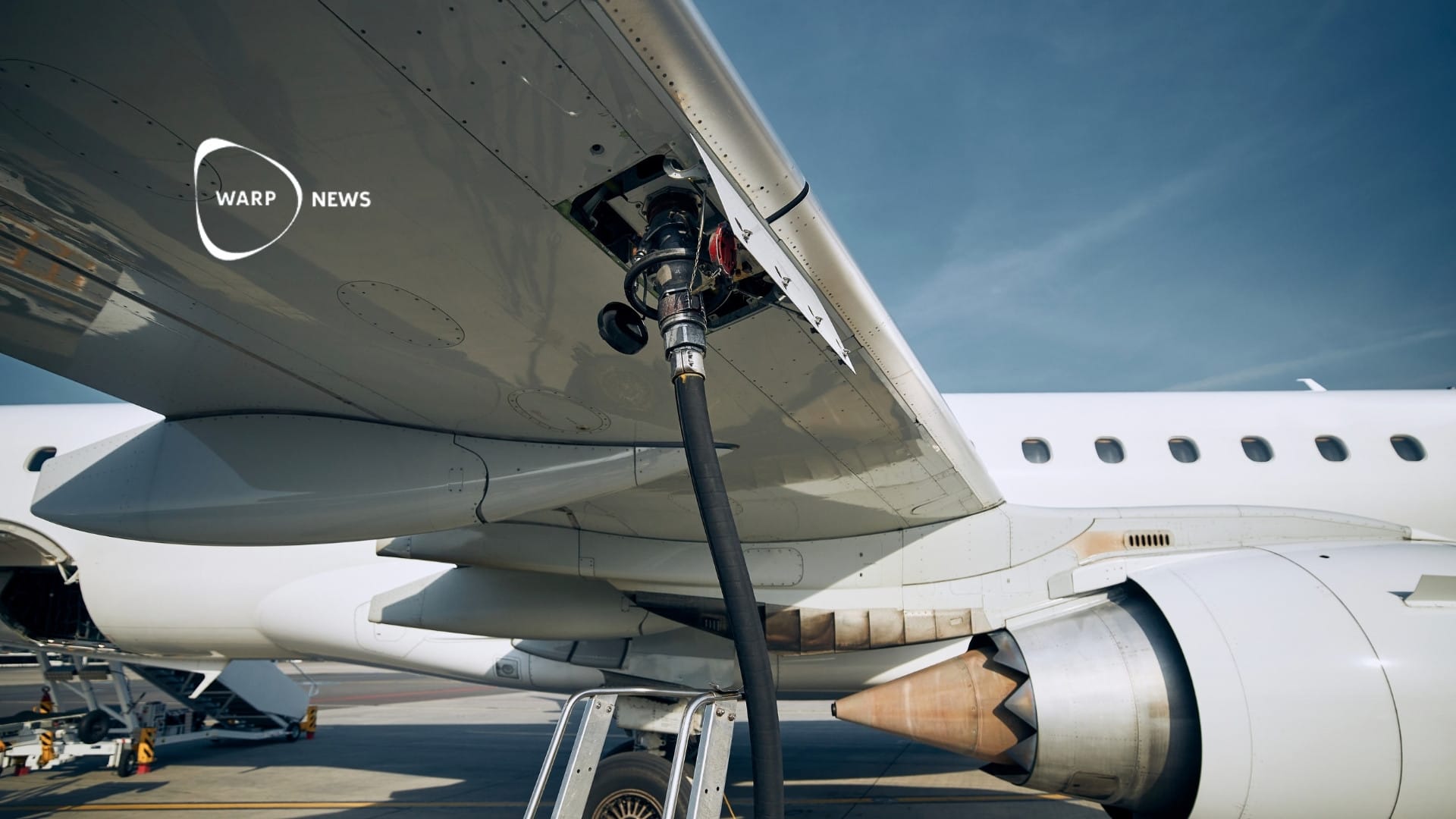
🛫 Fewer obese passengers – thanks to weight loss pills –reduce airlines' fuel needs
Analysts estimate that airlines could reduce fuel costs by up to 1.5% if average passenger weight drops by 10%. The largest American airlines are consuming approximately 16 billion gallons of fuel. Lower fuel consumption also means reduced carbon dioxide emissions from air traffic.
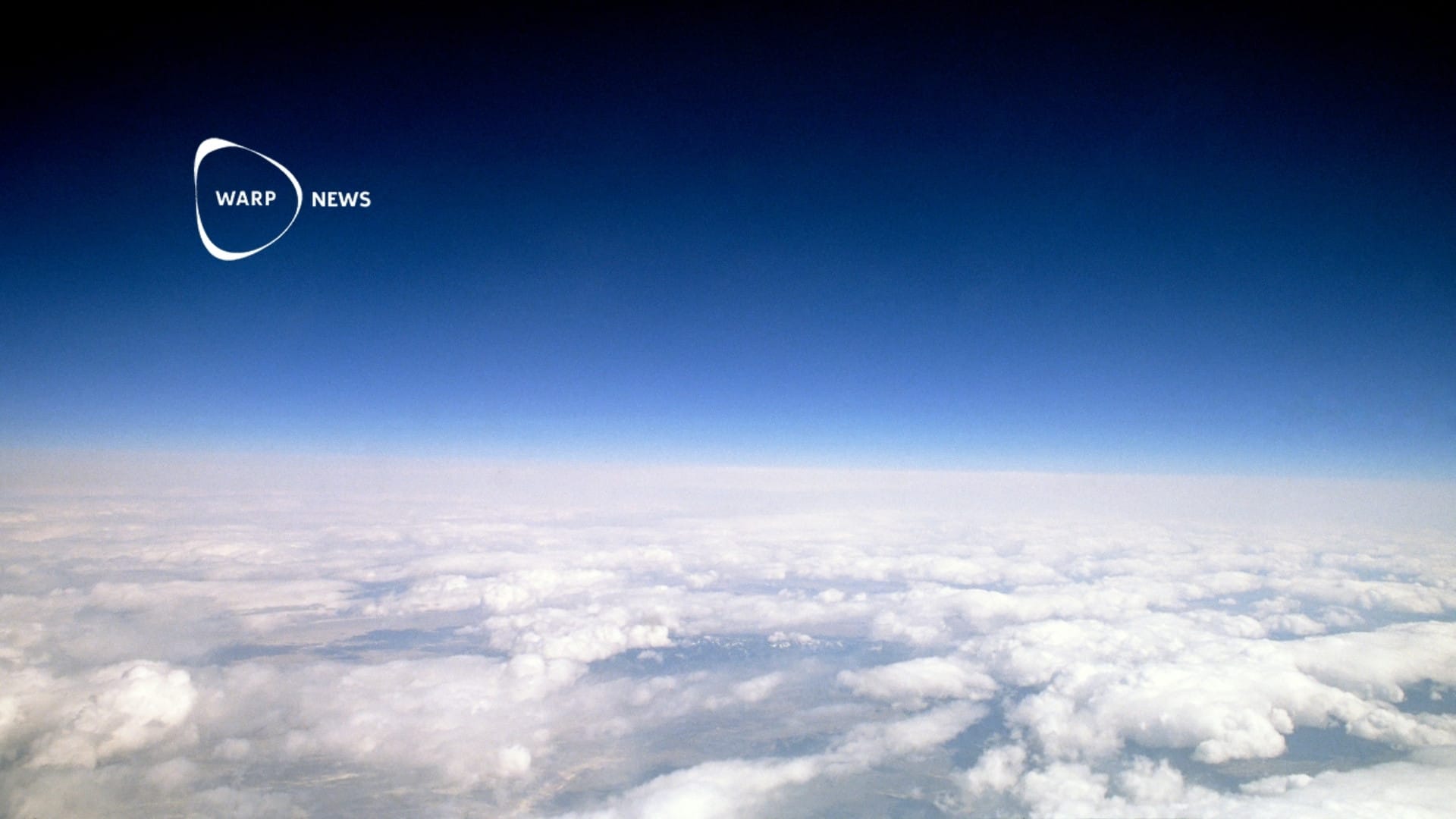
🔬 Microplastic levels in the atmosphere much lower than previously thought
New estimates show that the amount of atmospheric microplastics is 100 to 10,000 times lower than researchers previously calculated. The study compiled 2,782 measurements from 283 locations worldwide to create a reliable global baseline.
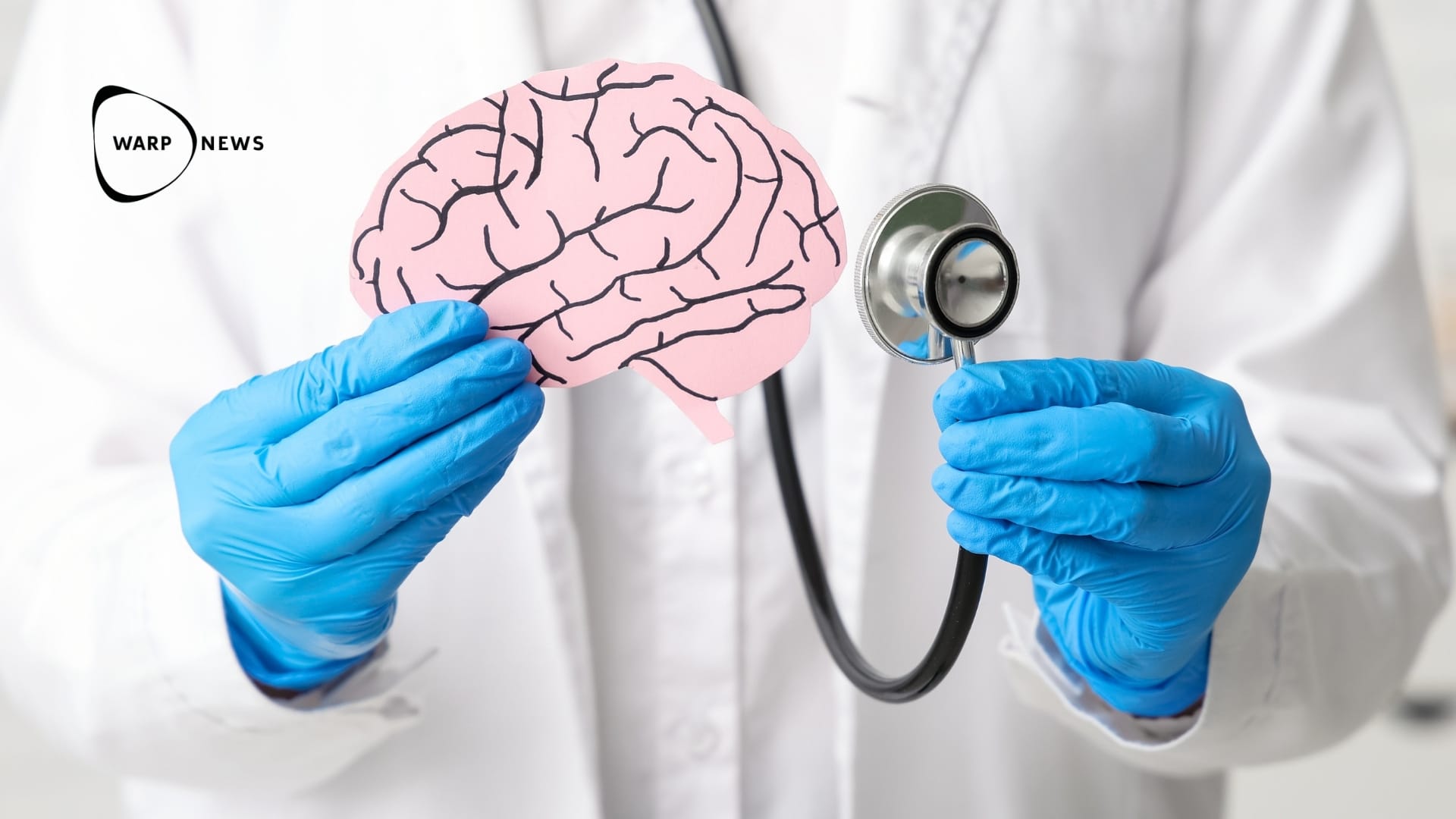
😖 AI gives psychiatry objective tools to detect depression and anxiety
AI analysis of voice and facial expressions can identify depression with 79 percent accuracy. Digital biomarkers can track symptoms in real time and help doctors adjust treatment faster.
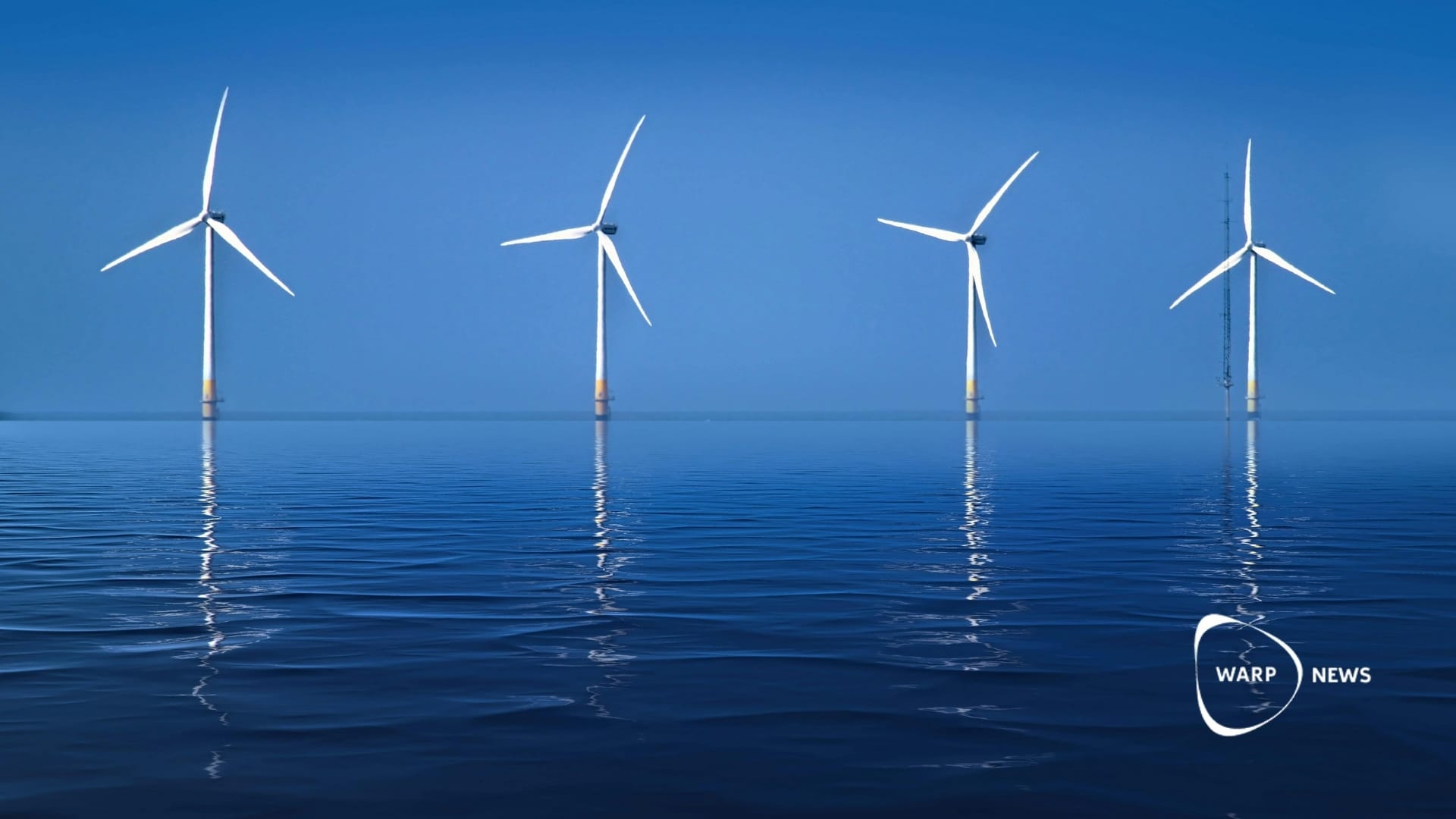
🌬️ Ten countries to build world's largest offshore power grid in the North Sea
The UK and nine other European countries have agreed to build a power grid in the North Sea with 100 gigawatts of offshore wind power, enough to supply 143 million homes. The agreement is expected to attract investments of 867 billion pounds and create 91,000 new jobs.