

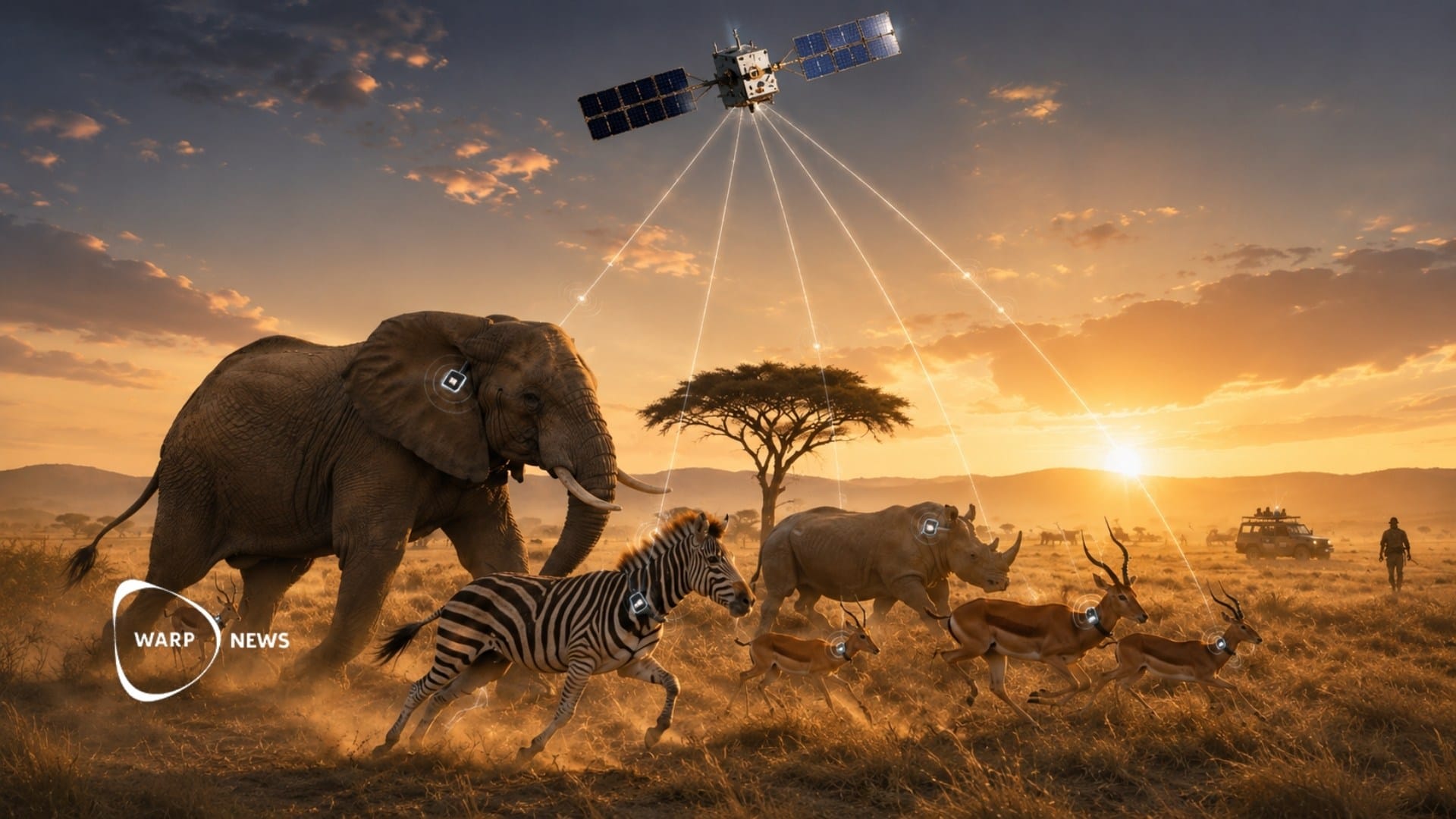
🦏 Satellites track animals from space to detect poachers in real time
When a poacher approaches, the animals flee in patterns that can be recognized, and tags on the animals pass the signal on so rangers can intervene. By 2027, six receivers in orbit will be able to receive data on animal movements in real time across the entire planet.
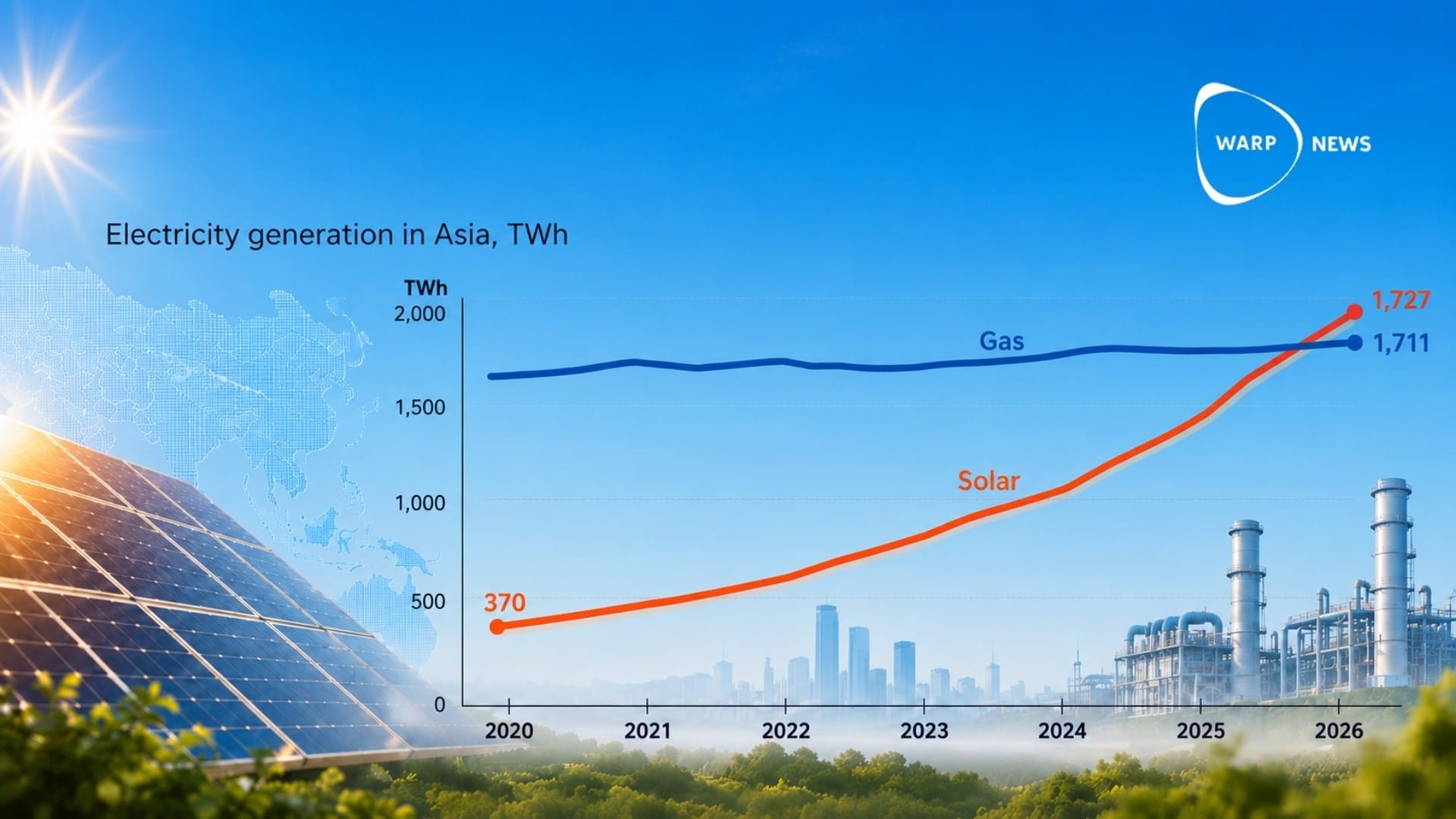
☀️ Solar overtakes gas in Asia
Solar power has surpassed gas to become Asia’s third-largest source of electricity. Solar generation in Asia has nearly quadrupled since 2020, reaching 1,727 terawatt hours over the twelve months to April 2026.
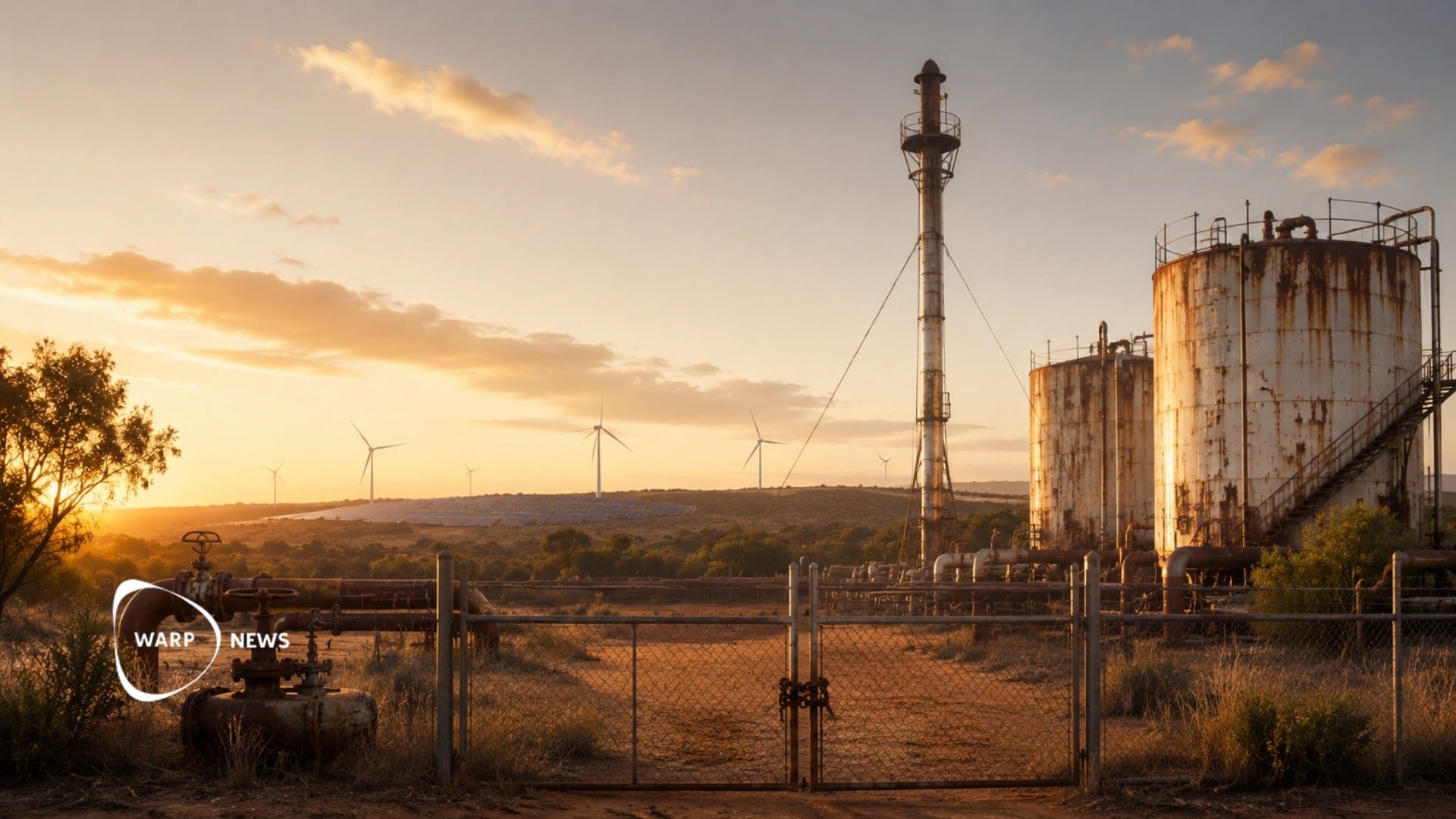
📉 Australia's gas use has peaked and is now declining
Gas use in Australia has peaked across all sectors after more than half a century of growth. Gas for electricity generation has fallen 11 percent since 2014, and residential gas use peaked in 2020.

⛽ Petrol cars have vanished from China's ten best-selling vehicles
In May, all of China's ten best-selling cars were electric vehicles or plug-in hybrids. Petrol cars have completely vanished from the list. Sales of new petrol cars in China have fallen by 41.8 percent compared with a year earlier.

💰 EU cut emissions by 17 percent in a decade while the economy grew just as much
The EU's greenhouse gas emissions were 17.2 percent lower in 2025 than in 2015. Over the same period, the EU's GDP rose by 17.5 percent. Emissions fell in 23 of the EU's 27 countries.

🤧 Discovery could lead to drugs against the common cold
Researchers have for the first time determined the structure of the protein 2C as it binds to RNA. The protein is found in rhinovirus, the most common cause of the common cold. The new structure gives researchers more to work from when they design drugs that can inhibit the virus.

🎗️ No young women died of cervical cancer in England over the past five years
A cross all age groups HPV vaccination is linked to around 200 fewer cervical cancer deaths in England. Among vaccinated women aged 20 to 29, the risk of dying from cervical cancer is estimated to have fallen by at least 81 percent.

📉 Data centers have lowered Americans' electricity bills
Data centers have lowered Americans' electricity bills. A study shows average prices fell between 2015 and 2024. The reason is that the power system's large fixed costs are spread across more kilowatt-hours when demand rises.
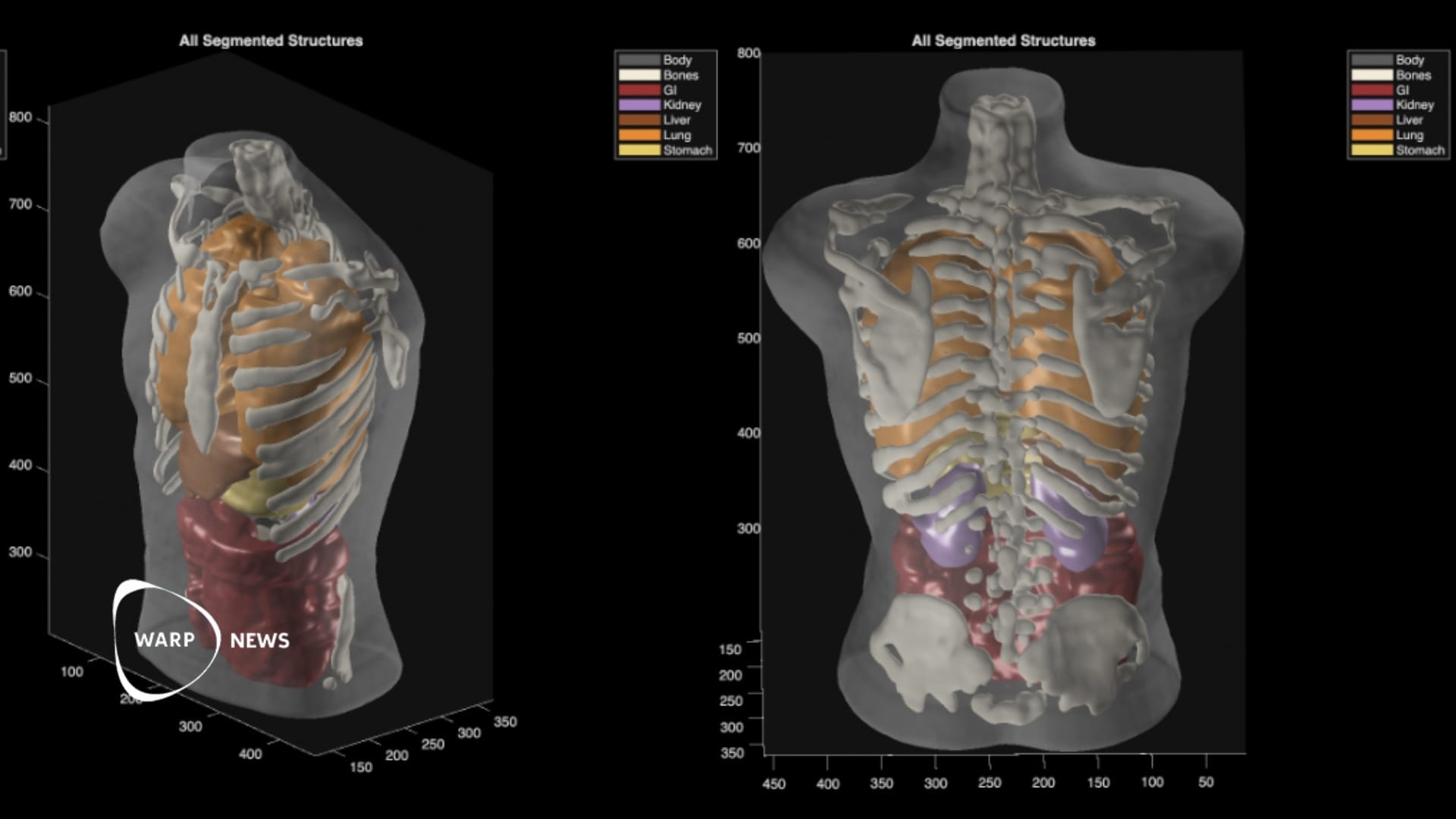
🔊 Midjourney is building a body scanner that maps the entire body in 60 seconds
A full-body scan with today's MRI takes 60 to 90 minutes. Midjourney's new machine aims to do the same thing in under 60 seconds. The scanner uses a ring of half a million tiny elements that send ultrasound through the body from every direction. The result is a 3D map of the body.