

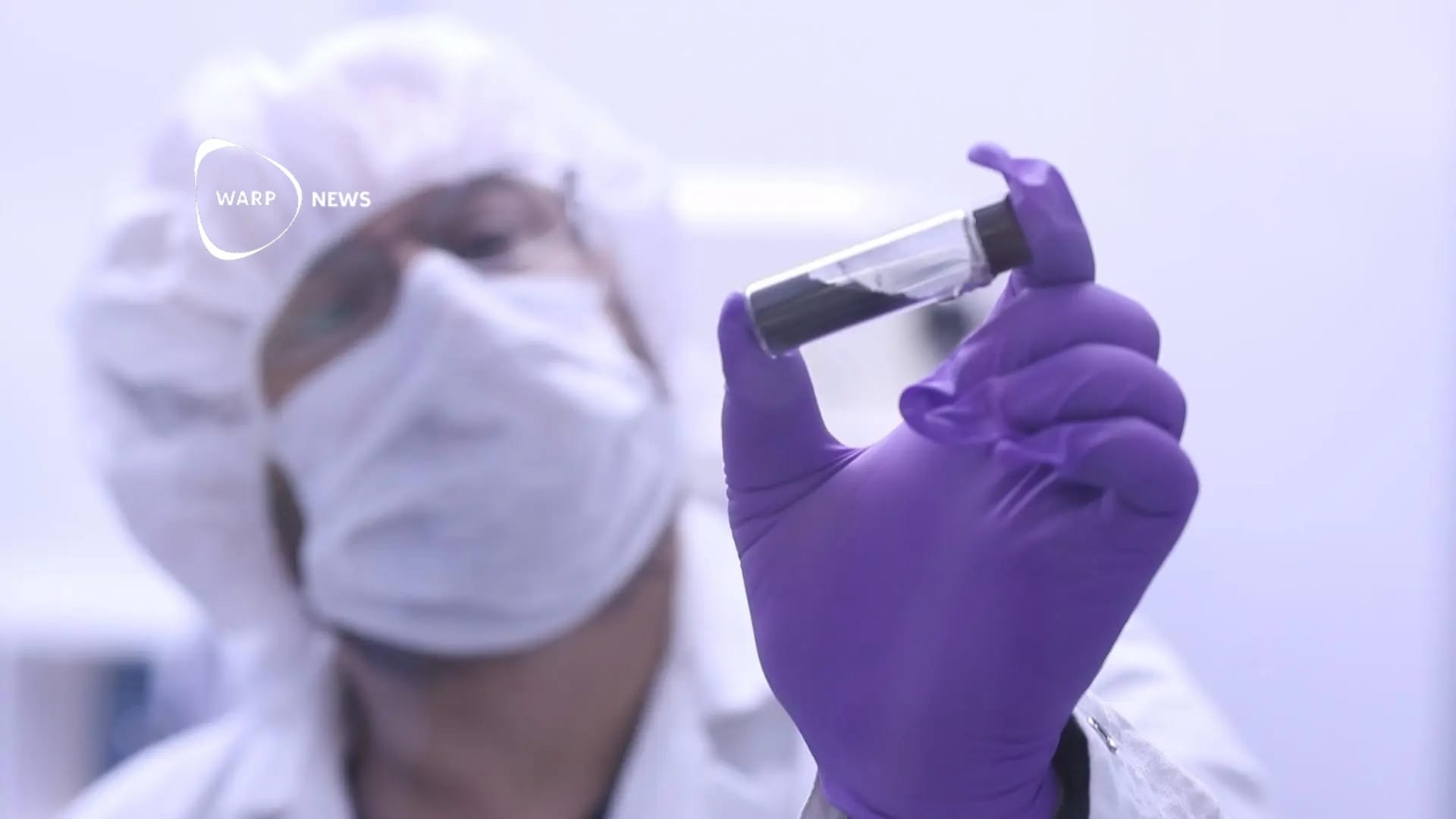
👾 NASA found building blocks of life in asteroid
Scientists have discovered amino acids and other important molecules for life in samples from the asteroid Bennu. The analysis also shows traces of 11 minerals formed through saltwater, suggesting that conditions for life may have existed throughout the solar system.

🐅 India's tiger population is roaring back – doubled in twelve years
India has increased its tiger population from 1,706 to 3,682 tigers between 2010 and 2022. The country is now home to 75 percent of the world's wild tigers. Local communities benefit from ecotourism linked to the tigers.

🐦 Scientists closer to recreating extinct dodo
Genetic researcher Beth Shapiro leads the work to recreate the dodo, a bird that went extinct over 300 years ago. The technology being developed can be used to save currently endangered species, like the pink pigeon in Mauritius.

💵 Economic inequality decreases in more countries
The number of countries with high inequality has decreased from 74 to 51 between 2000 and 2020. The number of countries with low inequality increased from 20 to 32 between 2000 and 2020.
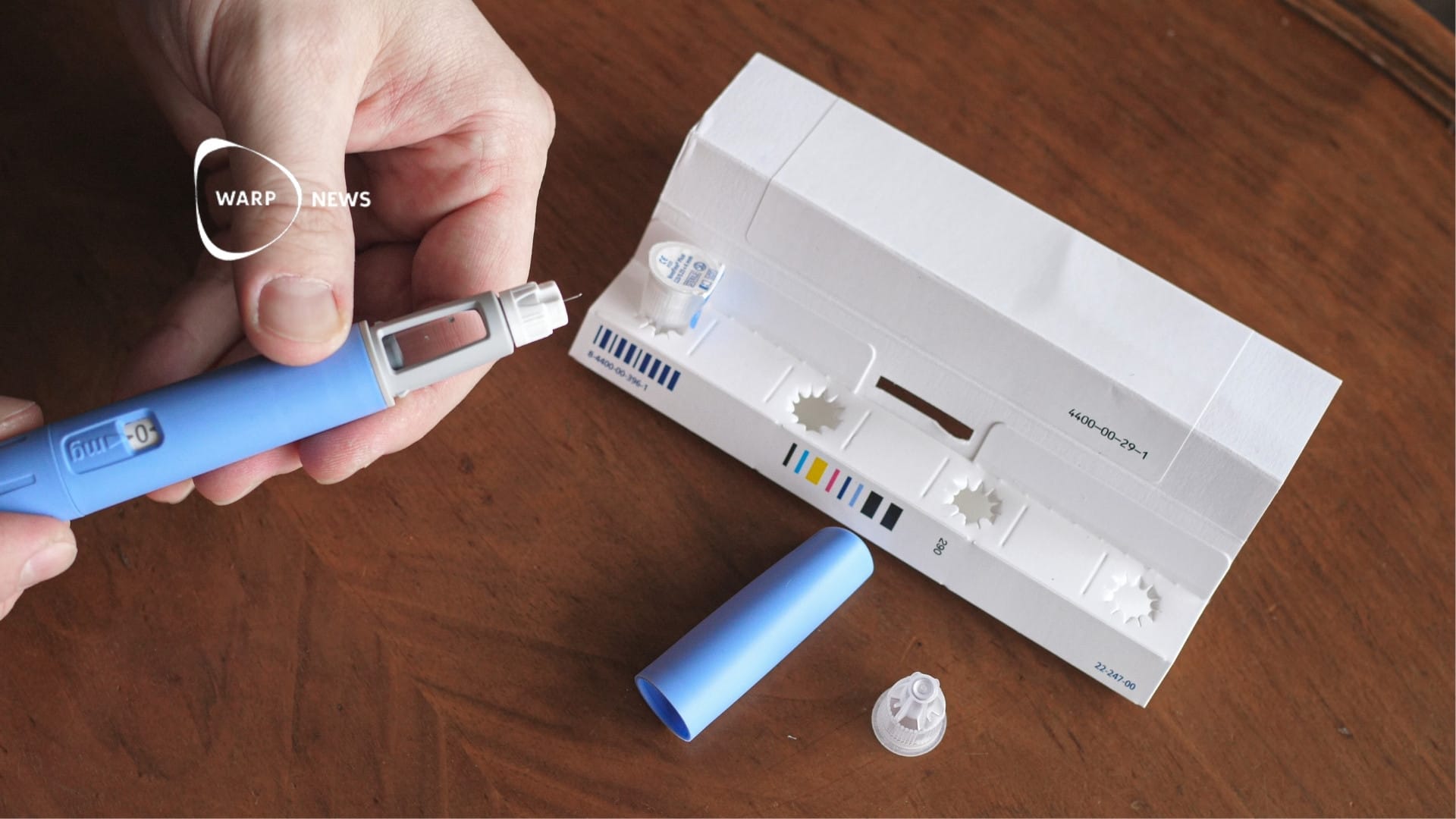
💊 New comprehensive study shows over 60 health effects of Ozempic drugs
Study with 215,000 participants shows that Ozempic-like drugs reduce the risk of 42 different health conditions. People taking the medications have a 12% lower risk of developing Alzheimer's disease. The study also shows 9% lower risk of heart attack and 8% lower risk of deep vein thrombosis.

🌎 The Earth has become greener during the 21st century
Satellite data shows that Earth's vegetation was at its most extensive in 2020 since measurements began in 2001. Increased carbon dioxide levels, warmer climate and reforestation contributed to increased greenery in temperate and cold regions.
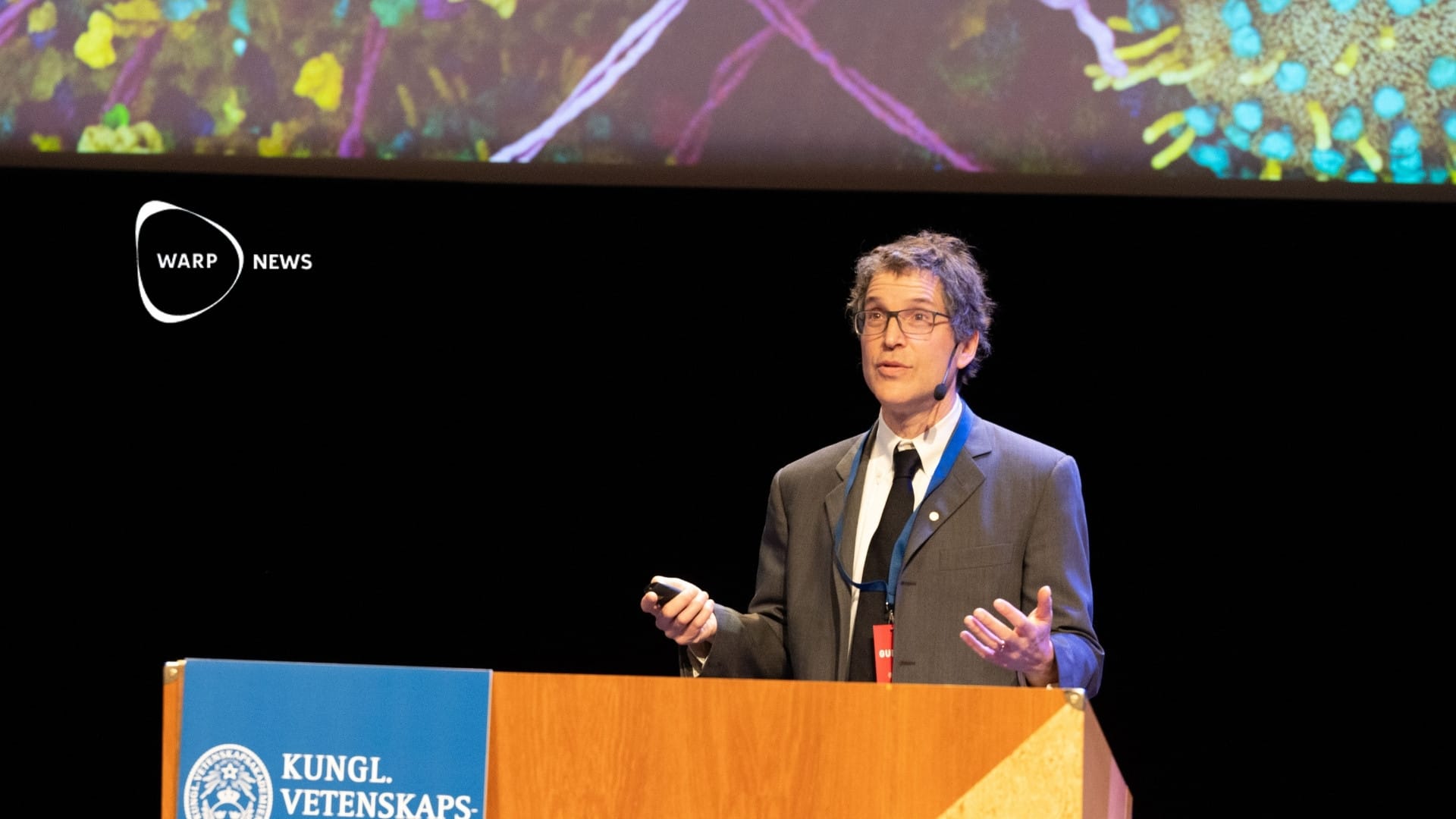
💡 Nobel laureate transforms AI hallucinations into new proteins
David Baker uses AI's ability to generate hallucination to develop entirely new proteins for medical treatment. His team converts AI's imagined protein structures into real proteins that can be used in healthcare. The method has led to 10 million new proteins.

🚭 Teen drug and alcohol use reaches historic low levels
Alcohol consumption among middle school students in the US has decreased from 46 to 13 percent since 1997. Marijuana use is at its lowest in three decades among high school students. Nicotine vaping among seniors has decreased from 35 to 21 percent since 2020.

💻 New AI model creates tailored materials for future technology
MatterGen creates materials based on specific requirements and desired material properties. The model has already led to the creation of a new material, TaCr2O6, which has been successfully tested in laboratory. The technology is available to everyone under MIT license.