


🤖 Amazon's new warehouse robot understands plain language
Employees can give the robot instructions the same way they would talk to a colleague. The robot is part of a €10 billion investment to expand Amazon's operations in Europe, a move expected to create 25,000 new jobs.

🚰 The share of polluted drinking water in the US has been cut in half
The share of readings in American drinking water that exceeded health limits fell by half between 2003 and 2019. A new study has mapped 266 million readings of 1,250 different pollutants and shows how investments in water systems lower pollution levels.

🌳 Mangrove forests declined until 2010, but have grown substantially since
The regrowth in recent years has almost entirely offset the earlier losses. The total area is now only 0.5 percent smaller than in the 1980s. After decades of decline, the area of mangrove forests shifted from net loss to net gain around 2010.

🛫 More and more Africans are traveling within Africa - the fastest tourism growth in the world
Economic growth and rising prosperity in Africa are enabling more and more Africans to travel within their own continent. The number of tourists visiting African countries grew by almost 8 percent last year, the fastest growth in the world.
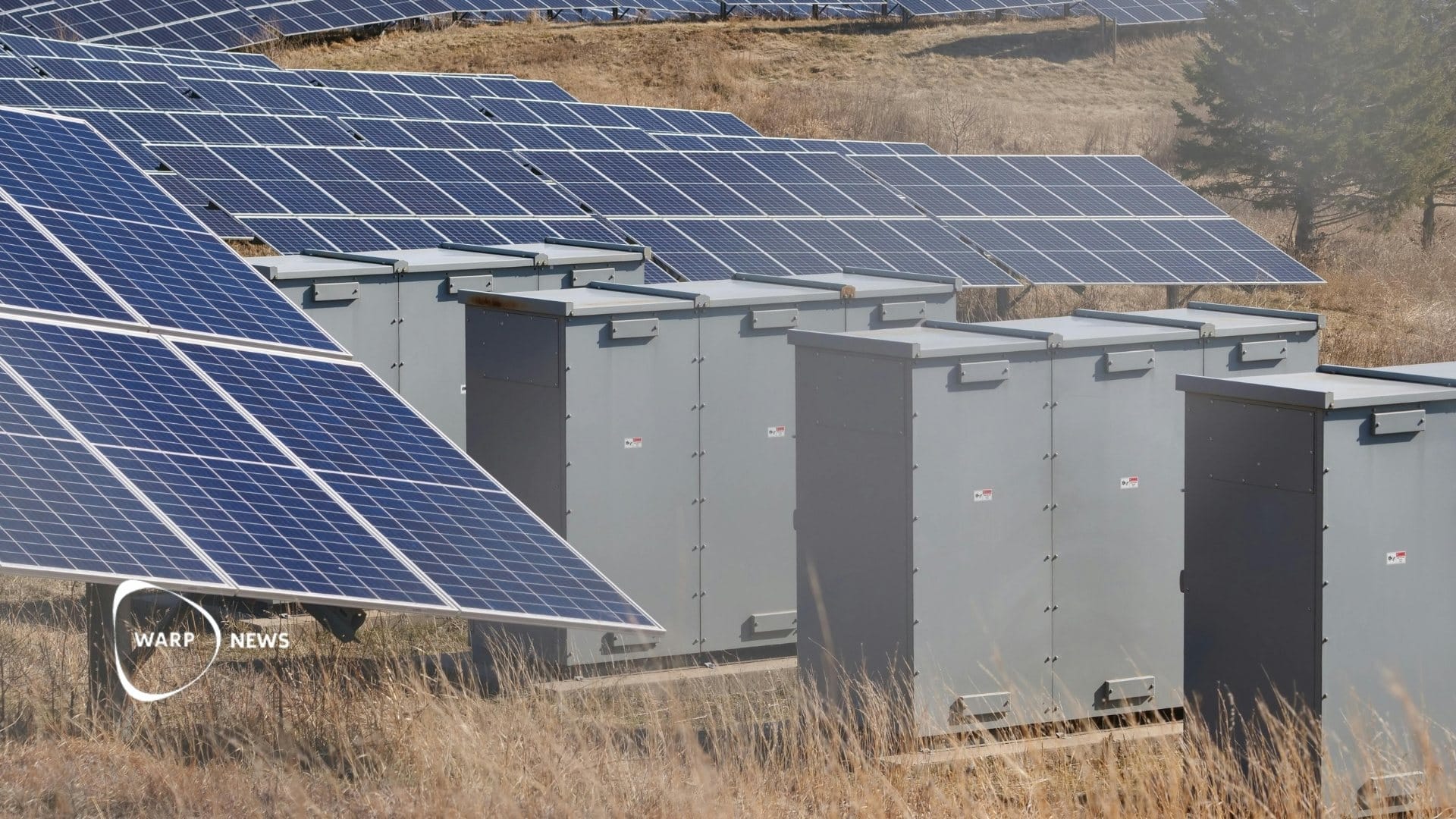
📉 Australia's power prices fall after record battery rollout
Batteries' share of the electricity grid on Australia's east coast rose from around 3 percent to nearly 10% in one year. From July 2026, power prices will fall, and households could save up to 10%.
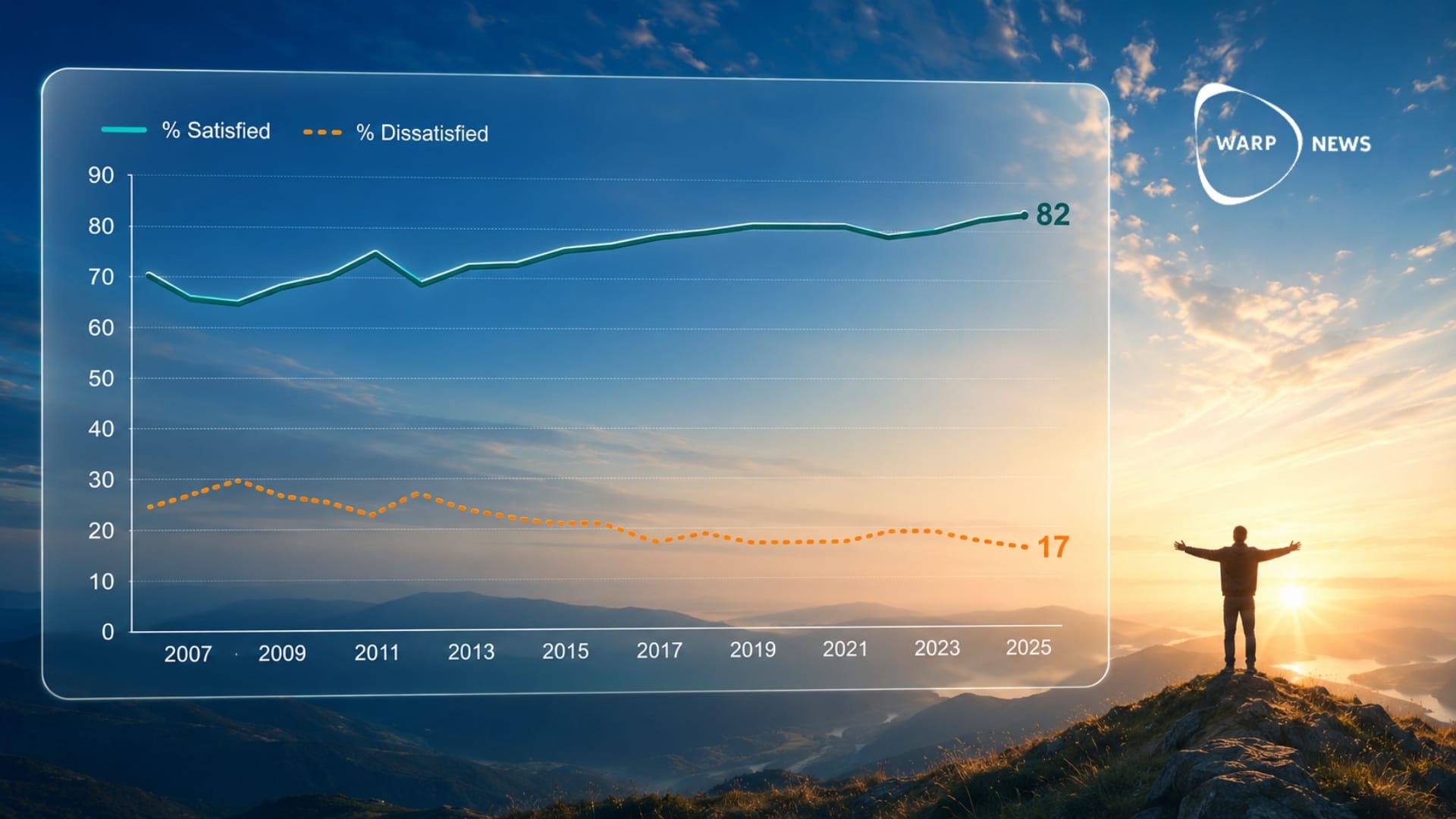
🌏 Globally a record number of people are satisfied with the freedom to shape their lives
82% of adults across 138 countries are satisfied with their freedom to choose what they do with their lives, up from 71% two decades ago. The largest gains are in the Balkans, the Caucasus, and Eastern and Central Europe, where the share of satisfied adults has risen from 49% in 2009 to 82% in 2025.
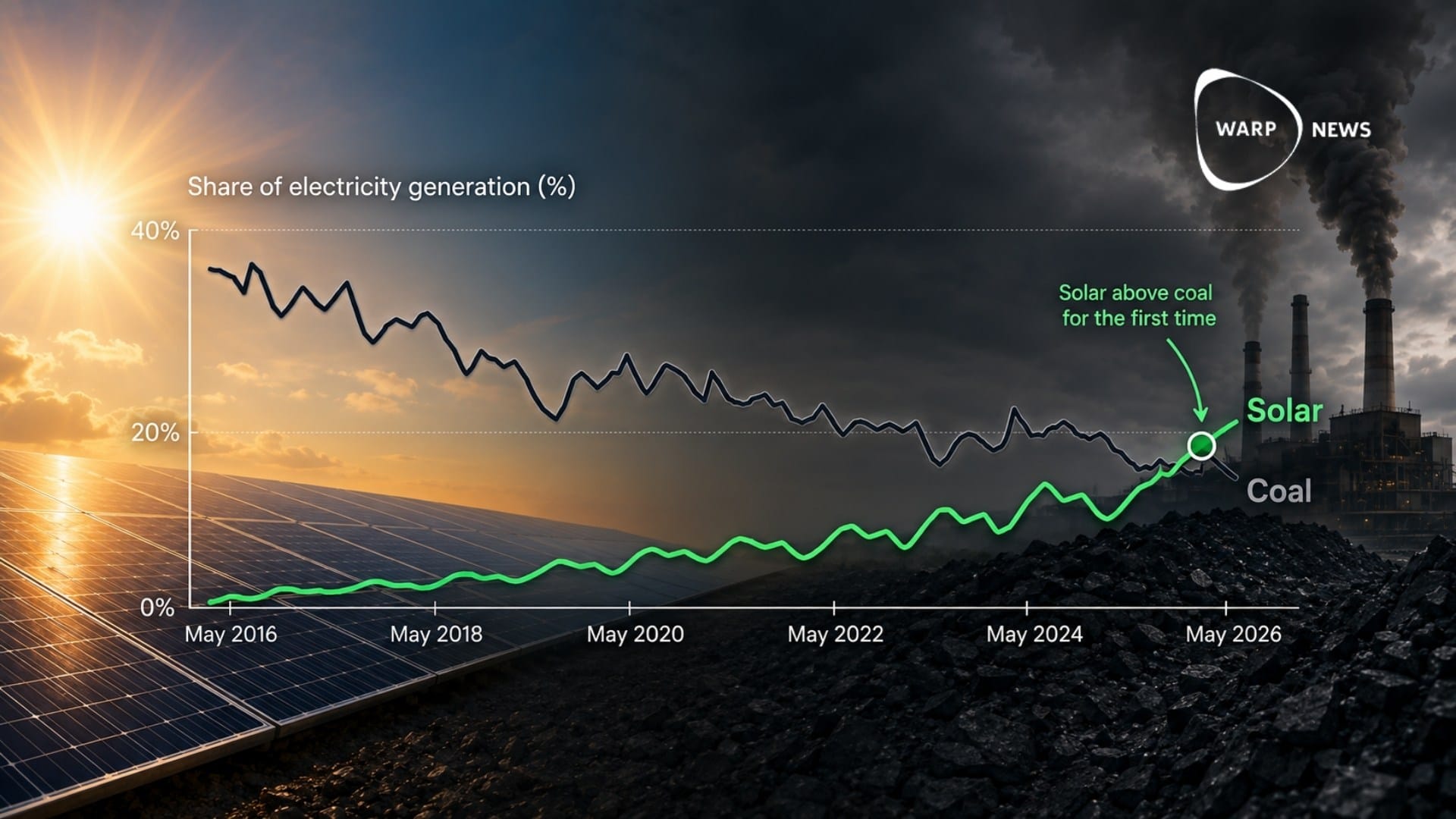
☀️ Solar overtakes coal in US electricity production for the first time
Solar power supplied 12.8 percent of US electricity in May 2026, while coal fell to 12.2 percent. Solar produced 45.5 TWh during the month, 17 percent more than in May 2025. Over five years, solar's share has more than doubled.

🧫 First human treated with method designed to make aged cells behave young again
A treatment that switches on three genes is designed to make old cells behave like young ones. The aim is to regenerate damaged nerve cells in the optic nerve and treat a form of glaucoma. In animal studies, the method has restored vision in mice, with no serious side effects.
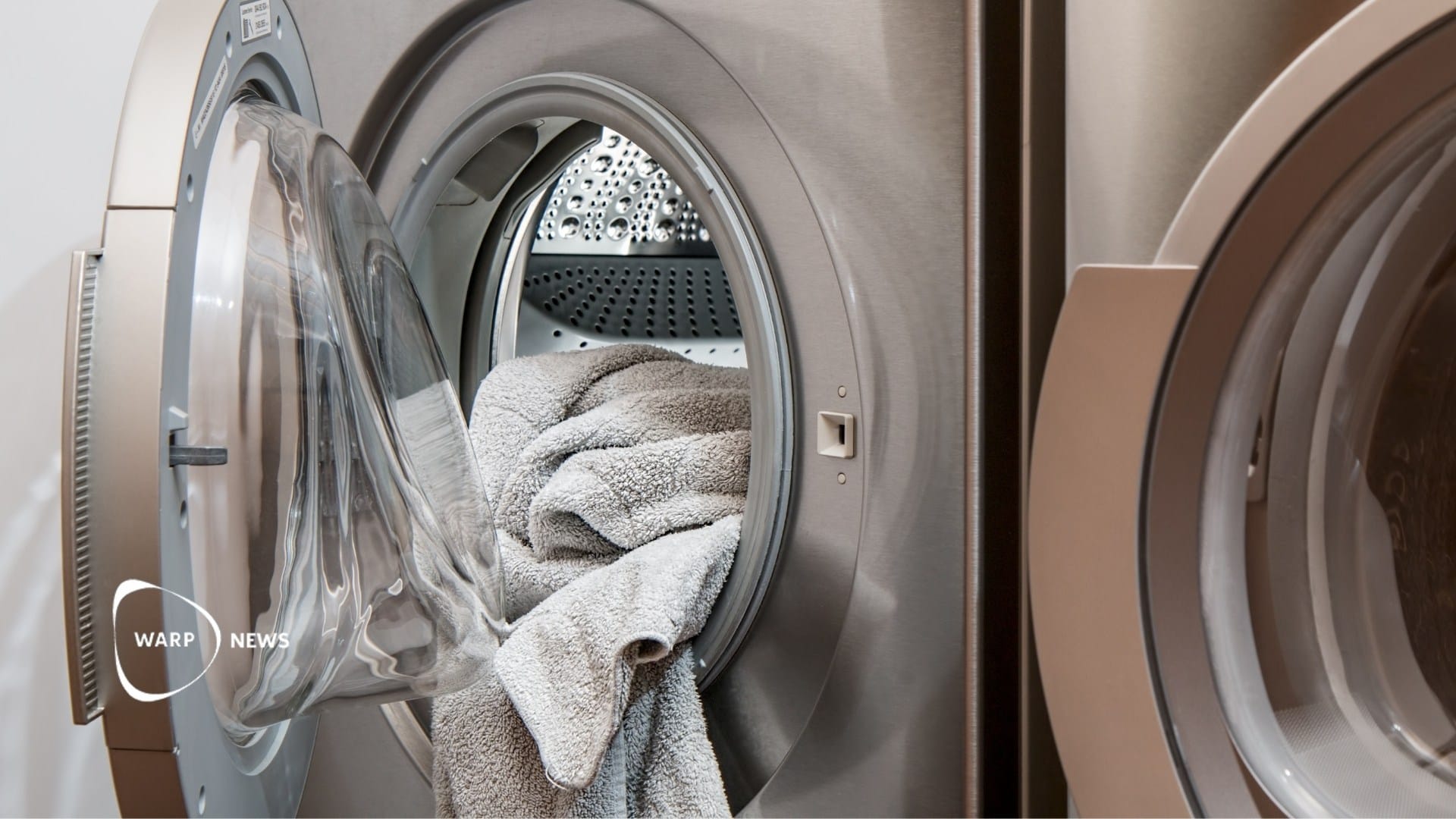
👕 Filter captures 97% of microfibres from the wash
Washing machines release large amounts of microfibres that end up in waterways and oceans. A filter fitted to the washing machine collects the fibres before they reach the drain. The filter captures 97 percent of microfibres and is now sold in more than 30 European markets and the UK.