


🔭 The Webb Telescope has discovered the earliest known black hole merger, "only" 740 million years after the Big Bang
One of the black holes is 50 million times more massive than the Sun. These findings help to understand how massive black holes have influenced galaxy development since the beginning of the universe.

🐮 Volta Greentech's new feed supplement reduces methane emissions from cows - secures $3 million investment
Volta Greentech secures $3.2 million to develop the second generation of the feed supplement Lome. The new supplement reduces greenhouse gas reduction costs by ten times. The company aims for a large-scale launch in 2026.

🧠 Frozen brain tissue can now be revived without damage - enables research
Researchers have successfully frozen and revived brain tissue without damage. This can lead to better studies of brain development. The experiments showed that the tissue maintained its structure and function after thawing, even after being frozen for 18 months.
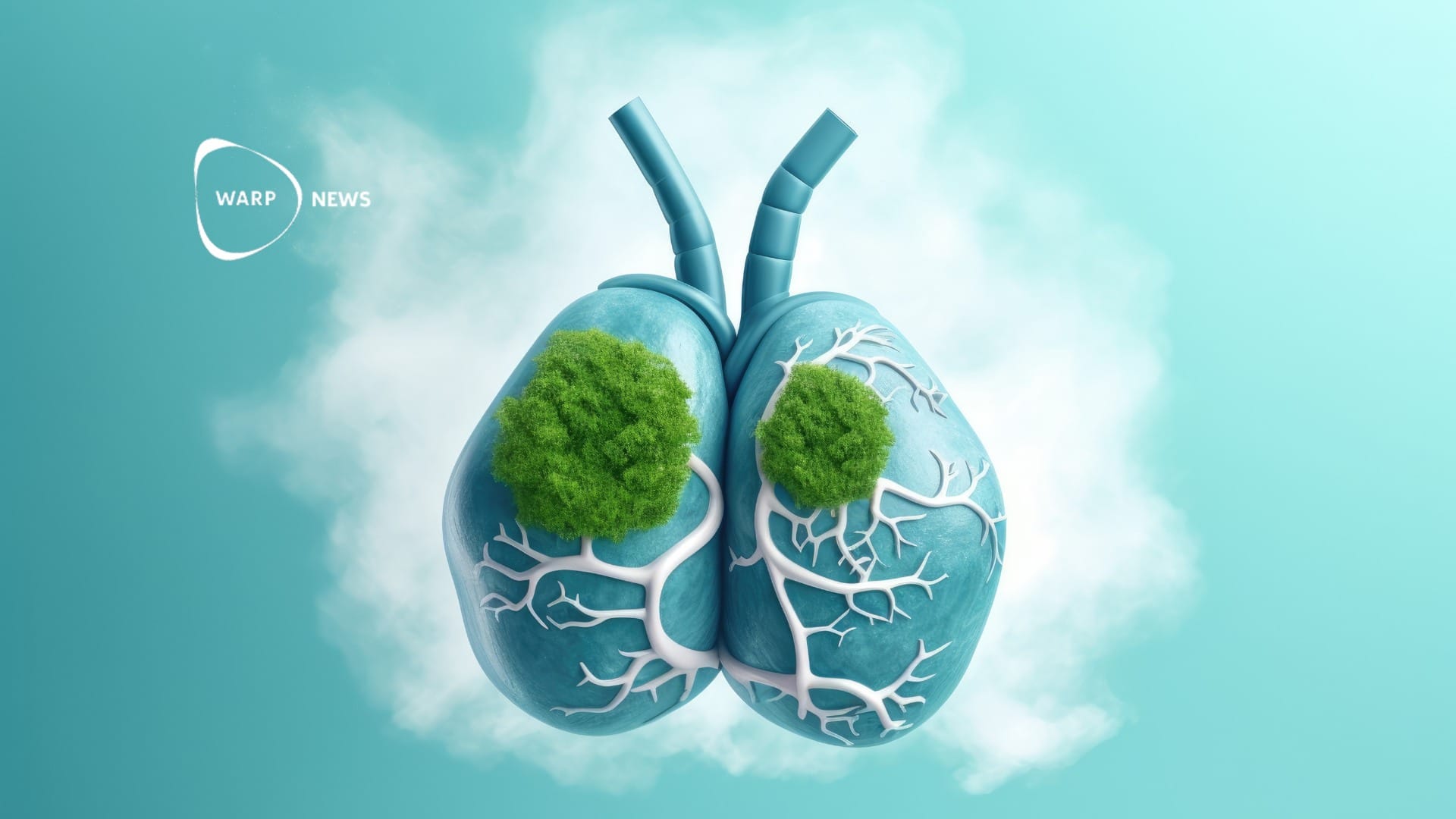
🌍 The planet has likely passed "peak pollution" – emissions will now only decrease
The world has likely passed "peak pollution" for harmful local air pollutants. Emissions have significantly decreased in wealthier countries and China. The goal is to help developing countries quickly reduce pollution without hindering their development.

⚰️ Murders continue to decrease in the US
The number of murders has decreased by over 19 percent in more than 200 cities compared to 2023. Even in 2023, the number of murders dropped significantly.

🧠 Neuralink's first patient can control a computer with his mind
Noland Arbaugh can now control a computer with his thoughts thanks to Elon Musk's brain implant from Neuralink. Despite his paralysis, Arbaugh has been able to play computer games and communicate online.

🎣 The list of overfished species in the US has reached an all-time low
94 percent of fish stocks in the USA are no longer subject to overfishing. Key species have been removed from the list of overfished stocks. Thus, there are fewer species on that list than ever before.
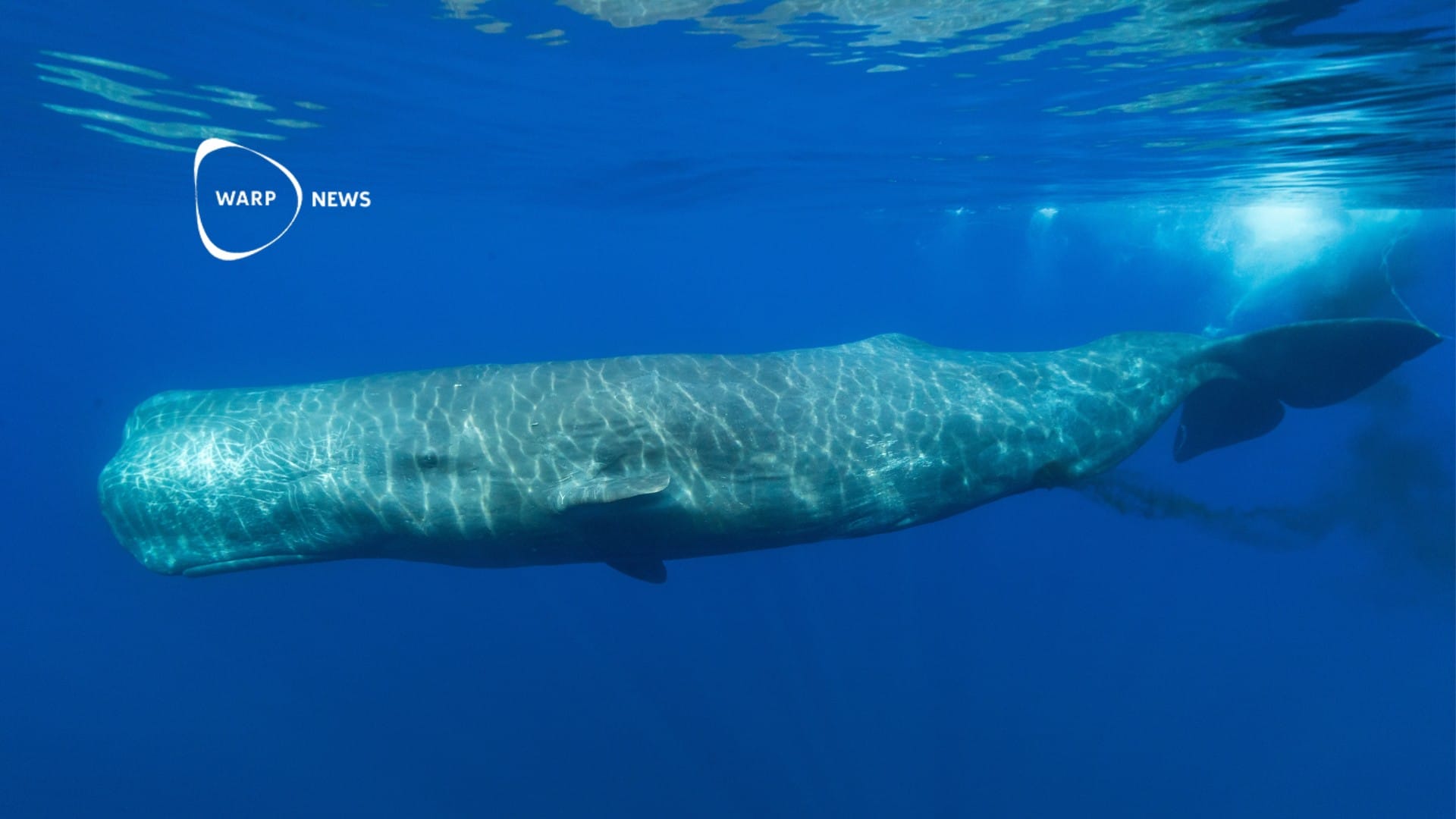
🐳 Researchers begin to understand the basics of sperm whale language
Scientists have identified the fundamental components of sperm whale communication. Through the analysis of over 8,700 clips of sperm whale clicks, a complex communication system resembling a phonetic alphabet has been revealed.
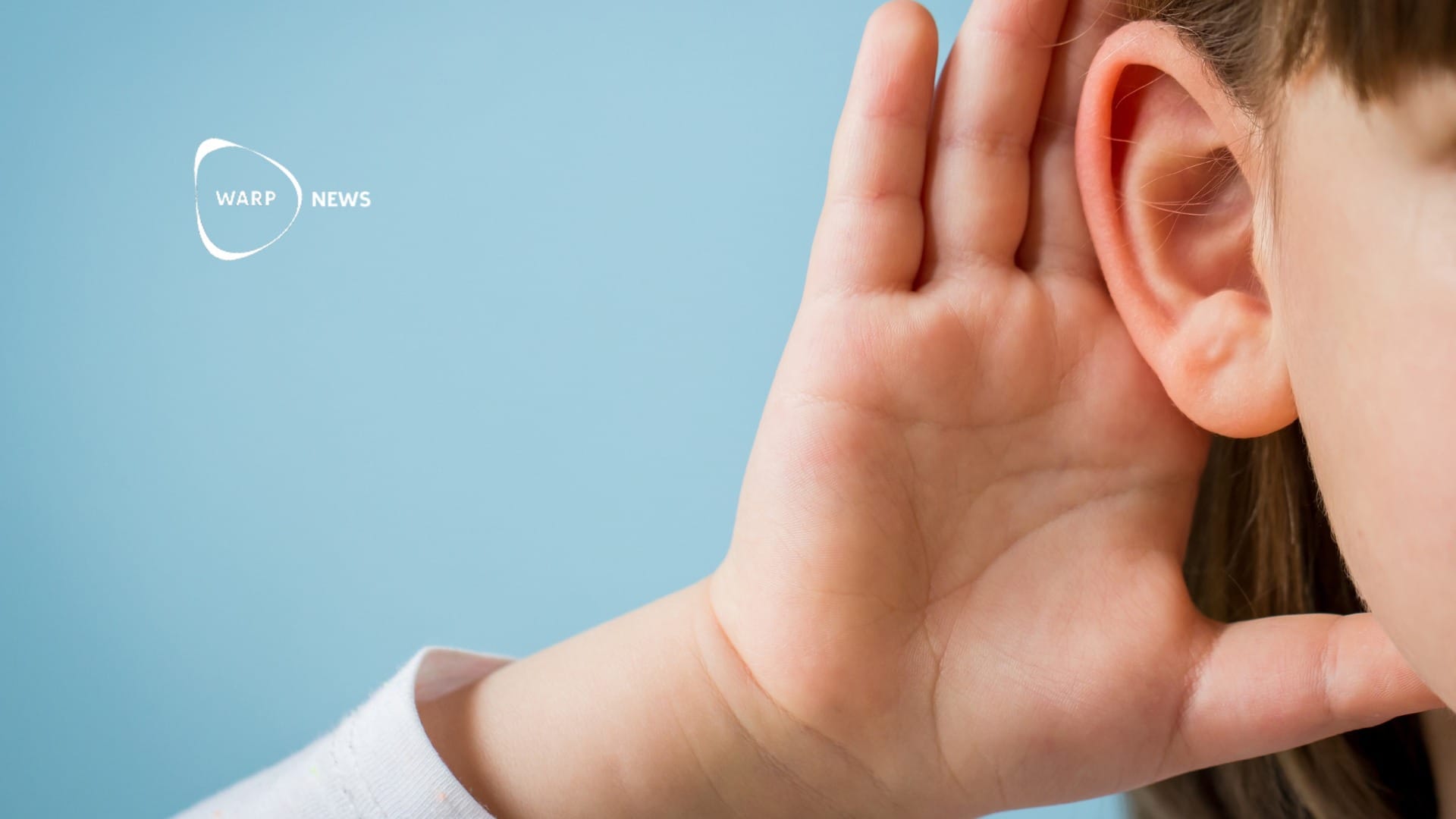
🧏 She was deaf at birth, 18-month-old Opal Sandy had her hearing restored after a world-unique gene therapy.
The treatment involved a 16-minute operation where she received a functional copy of a gene that is crucial for hearing. The gene has made her hearing almost completely restored. Opal Sandy can now hear sounds as soft as a whisper.