

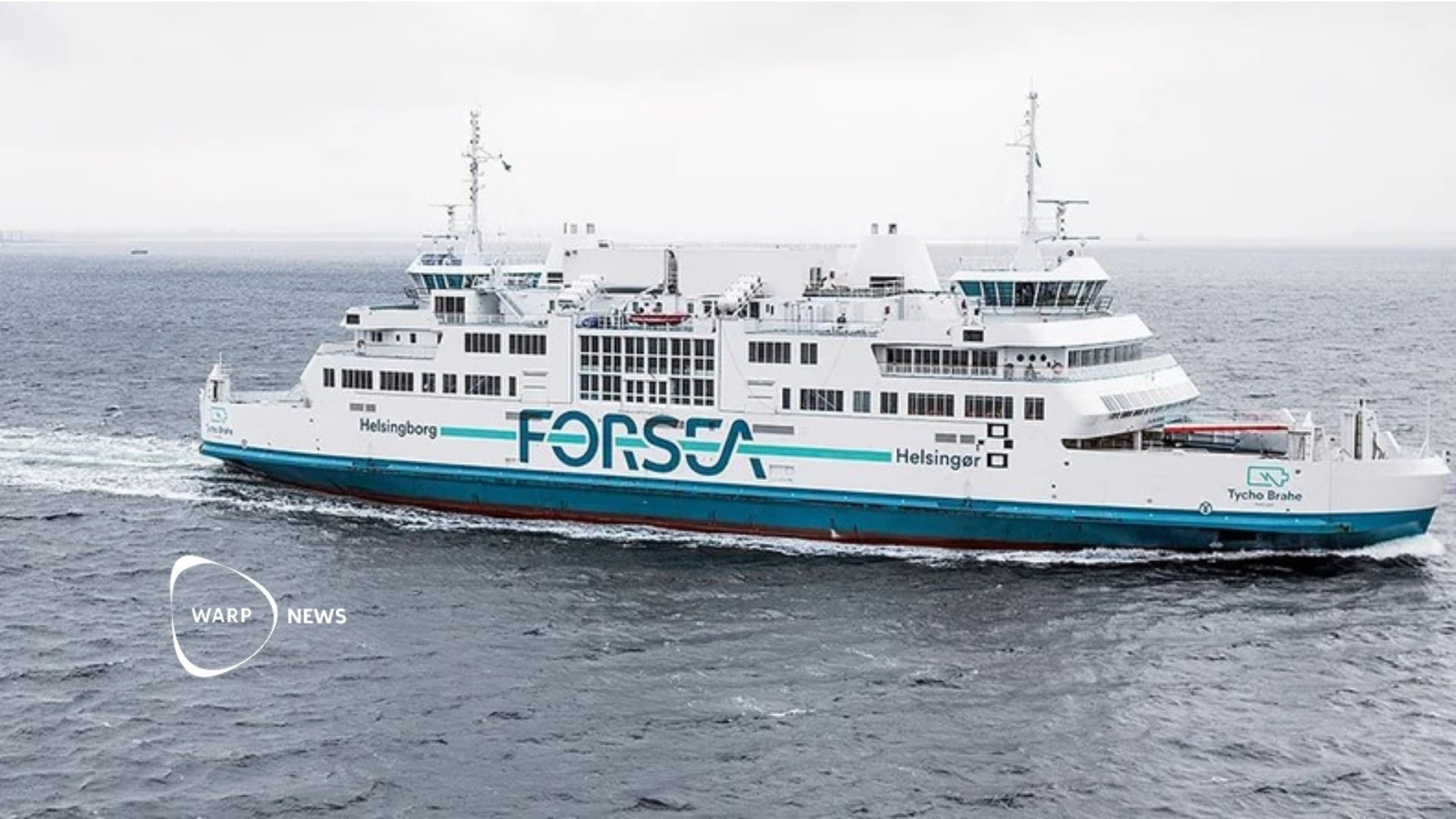
🚢 The world's largest electric ferry charges in six minutes - and reduces emissions
Electrification of a previously diesel-electric ferry reduces CO2 emissions annually by about 28,000 tons. The transition to fully electric operation is expected to be cost-effective within eight years, and the ferry is estimated to operate many more years than that.
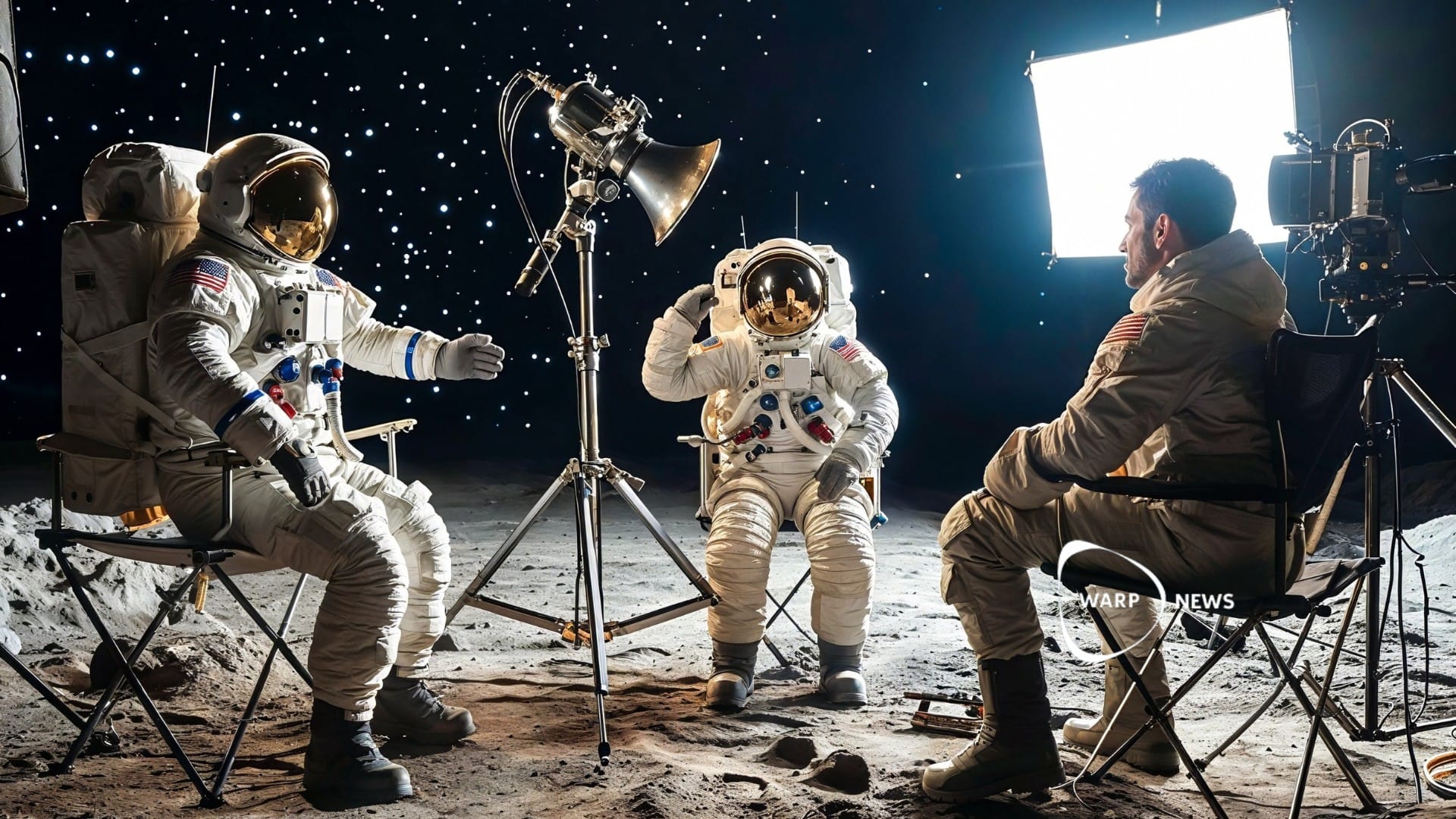
🦾 Chatbot convinced conspiracy theorists to reconsider their beliefs
People's belief in conspiracy theories decreased by about 20 percent after talking to an AI. The chatbot used a fact-based method to question conspiracy theories. The change in belief persisted for at least two months, suggesting a lasting effect.

🚀 SpaceX plans even bigger Starships
In front of SpaceX employees, Elon Musk has updated his vision for how to take humans to Mars and establish a self-sustaining colony there. The key is the rocket currently being developed, Starship, which they are planning to make even bigger.
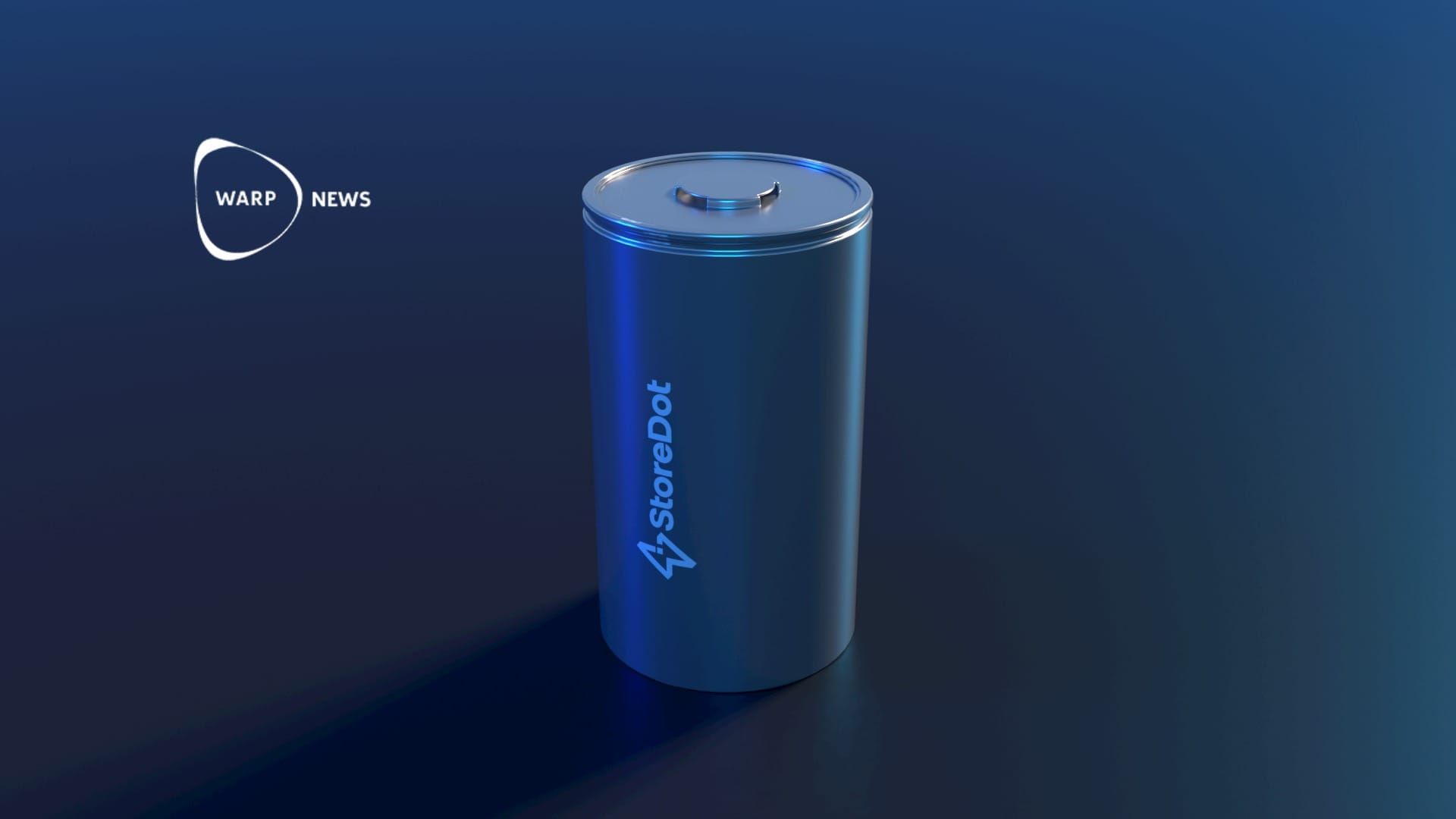
🔋 New fast-charging electric vehicle battery with a lifetime of 400,000 miles
StoreDot has introduced a new electric vehicle battery that can be charged up to 80 percent in just 5-10 minutes. The battery boasts a lifetime of 65,000 miles thanks to the ability to undergo 2,000 ultra-fast charging cycles.
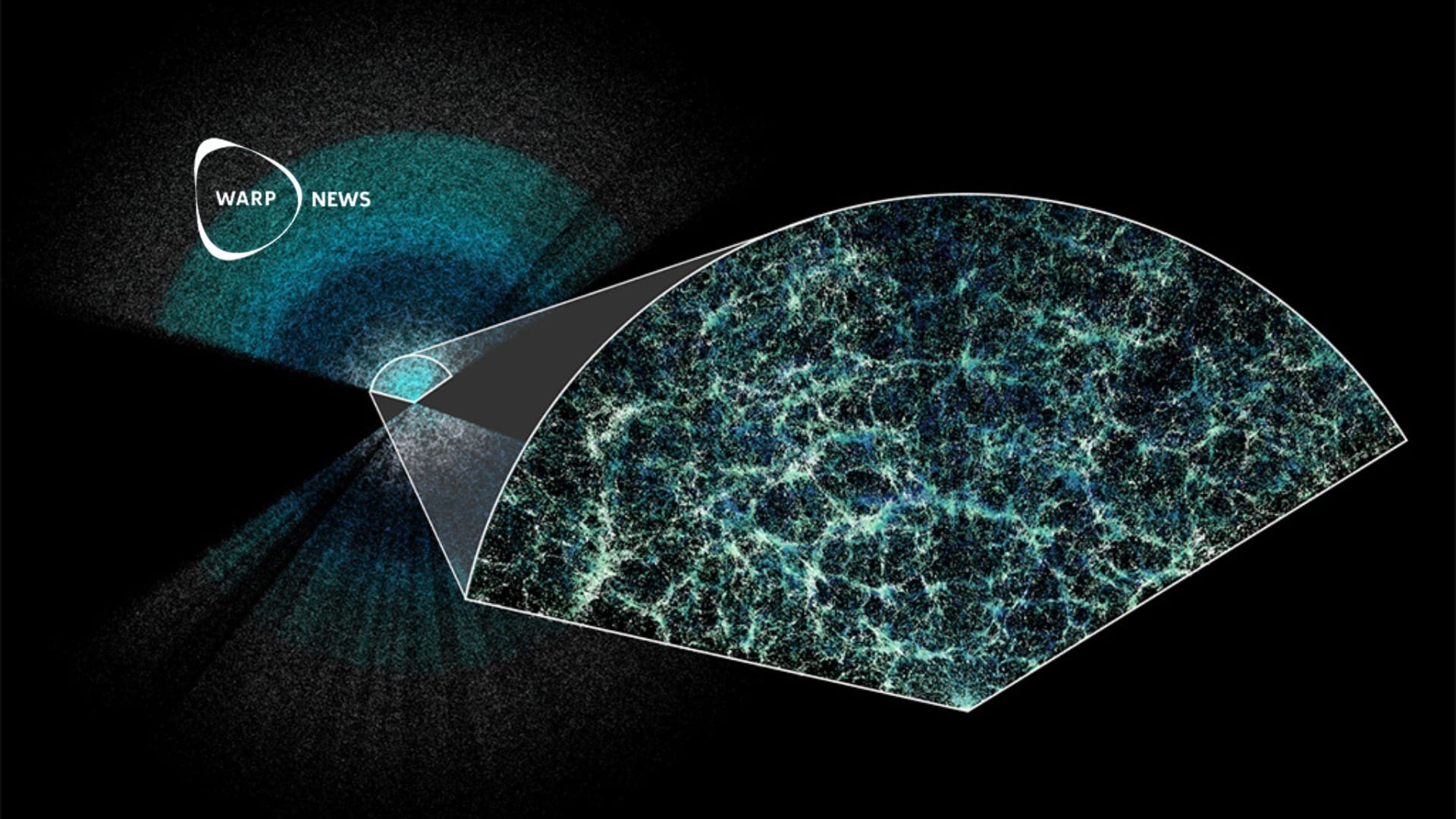
🌌 The most detailed measurement of the universe's expansion, conducted by DESI
This is the first time researchers have measured the expansion history of the distant period, 8-11 billion years ago, with a precision of better than one percent. With just one year of data, DESI has surpassed all previous 3D spectroscopic maps combined.
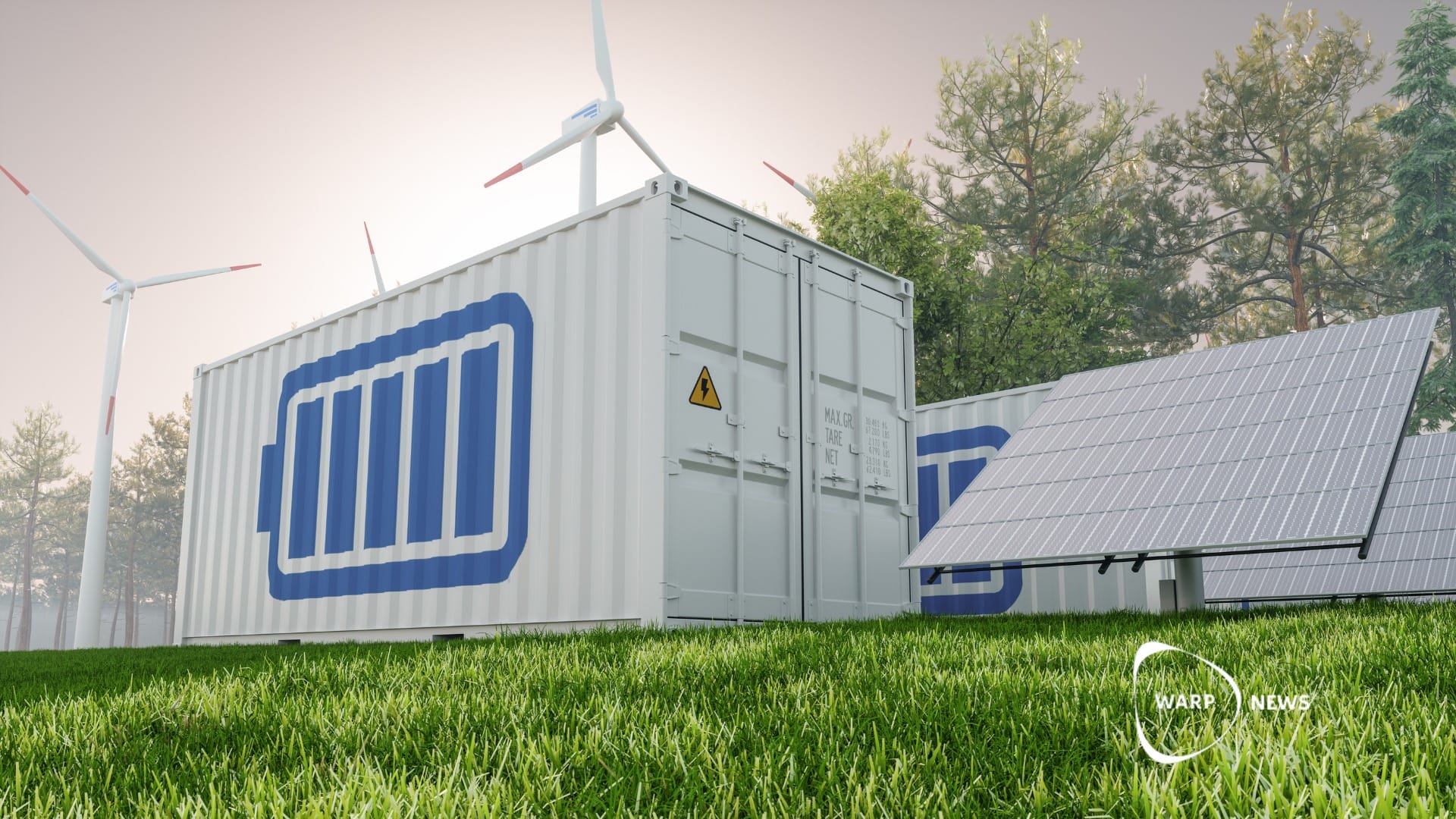
🔋 Battery storage in Europe expands significantly
The demand for energy storage has reached new heights in Europe with over 10 GW of new installations last year. The capacity is predicted to increase sixfold by 2030, with a total capacity of over 120 GW.

🛫 Successful demo flight with the first private supersonic aircraft since the Concorde
Boom Supersonic has successfully completed the first flight with XB-1, the world's first civilly developed supersonic aircraft. This paves the way for Overture, which will become the world's fastest airliner and will be powered by 100 percent sustainable aviation fuel.
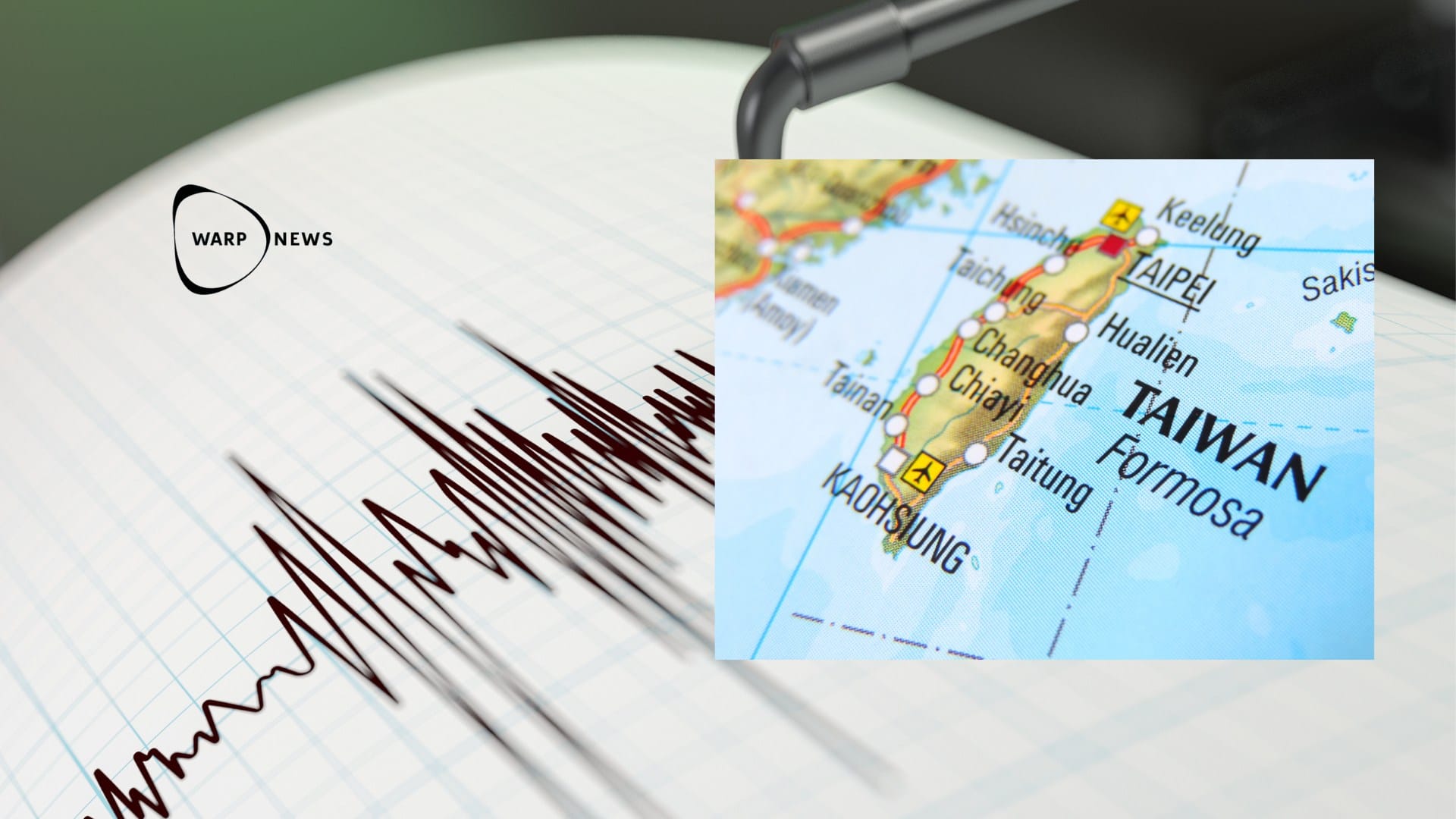
🏢 Thousands of deaths avoided in Taiwan earthquake
Building codes and infrastructure have been strengthened to withstand seismic forces, reducing damage and saving lives. An advanced early warning system and education programs have helped prepare the population.
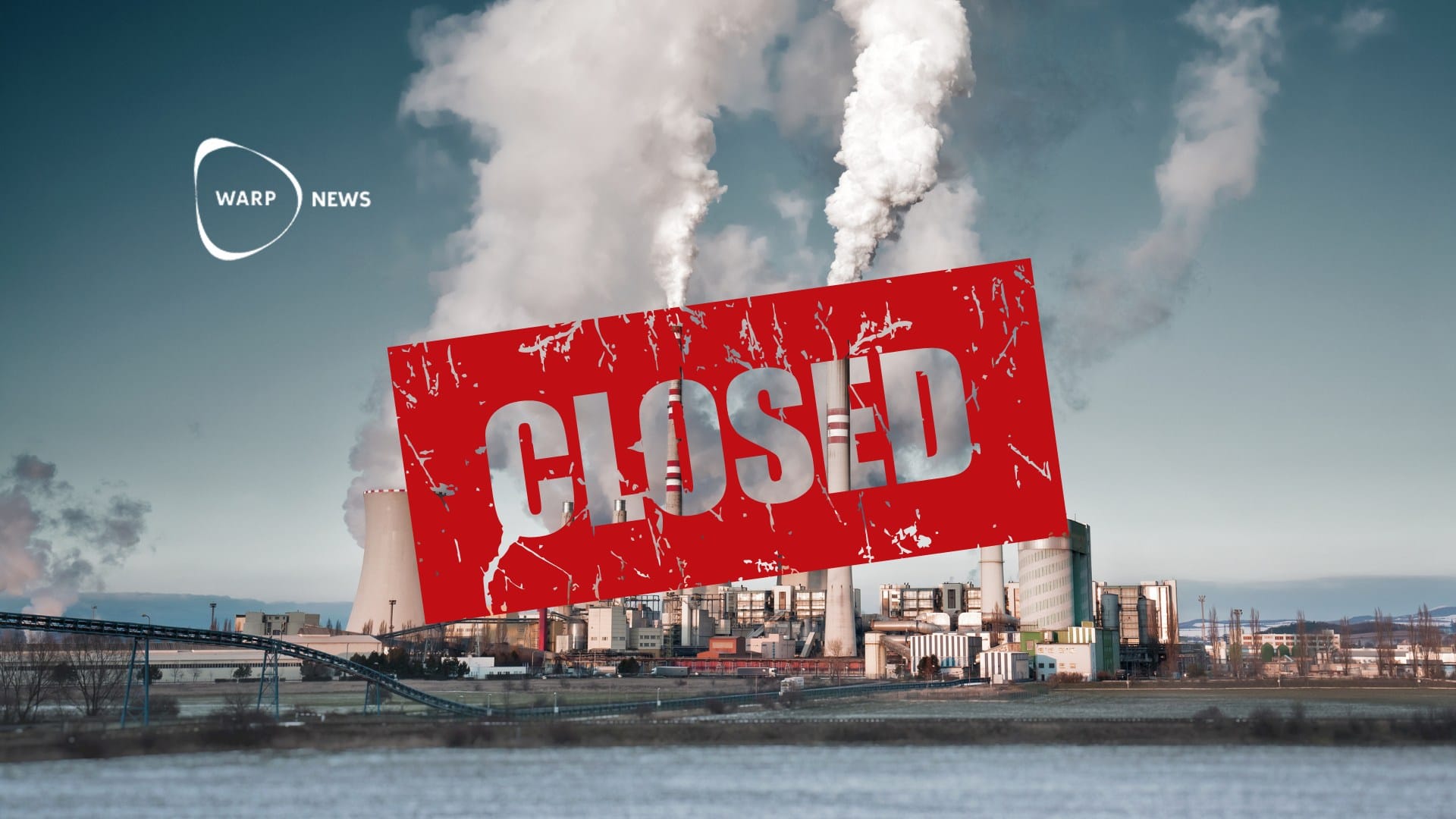
❌ Slovakia closes its last coal-fired power plant – six years ahead of schedule
Slovakia has now ceased production at its last coal-fired power plant. The country's electricity is now almost exclusively from nuclear and renewable sources. The goal has been to phase out all coal power by 2030. A goal that is now achieved six years ahead of schedule.