

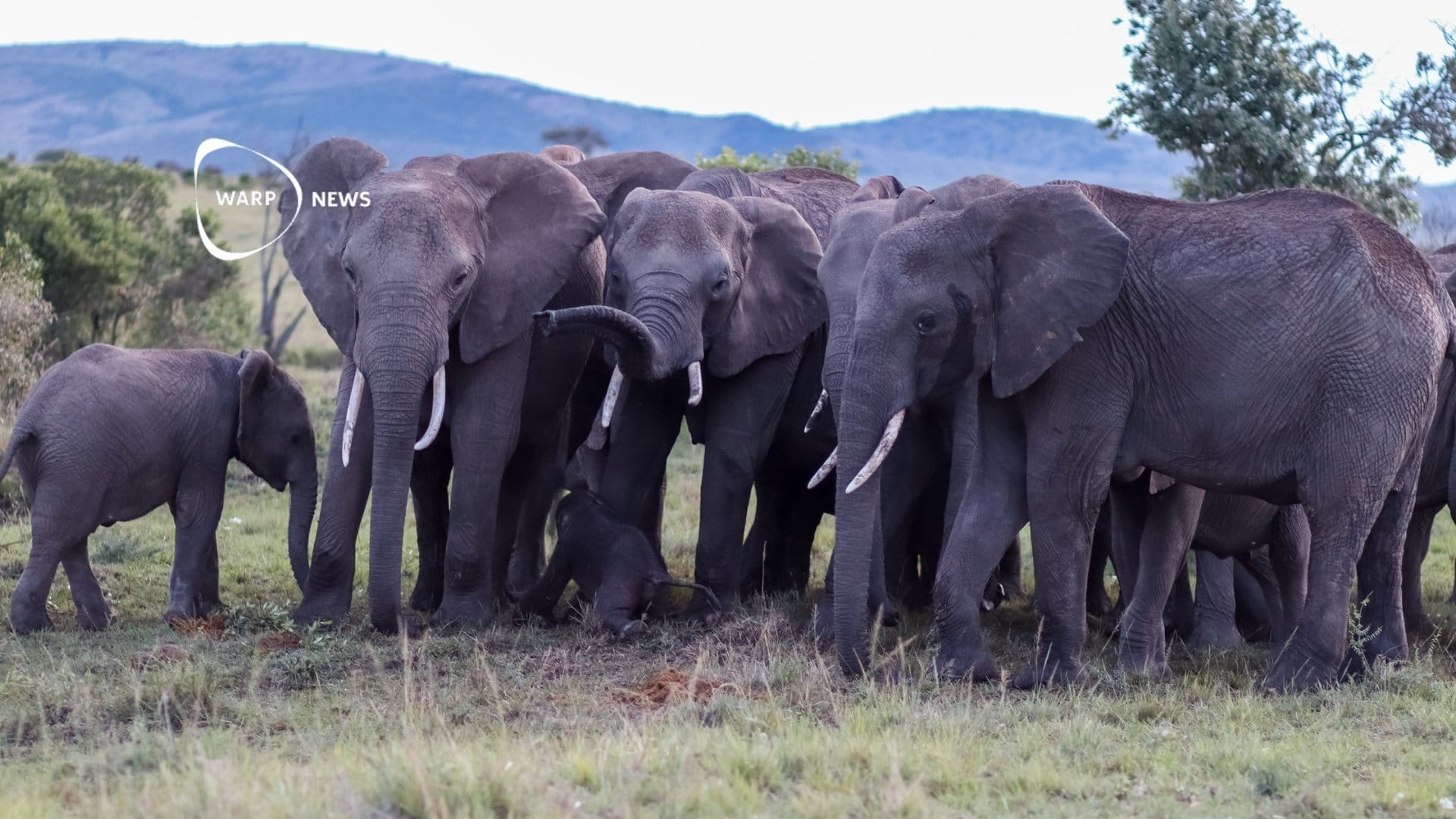
🐘 Number of African forest elephants revised upward by 16 percent
A new report estimates there are 135,690 African forest elephants, an upward revision of 16 percent compared to 2016 figures. Gabon is home to 66 percent of the global population of African forest elephants.

📉 Global carbon dioxide emissions may be close to reaching their peak
Data on greenhouse gas emissions shows a decline during the first months of last year compared to the same period the year before. Solar power and electric vehicles are growing rapidly in several major economies, reducing dependence on fossil fuels.

🛫 Airplane contrails warm the climate less than scientists thought
New research shows that contrails from airplanes cause warming equivalent to two-thirds of the carbon dioxide emissions from jet fuel, not three times as much as previous studies indicated. Airlines are now conducting trials to avoid creating climate-affecting contrails.

🎗️ New method creates cancer-fighting immune cells directly in the body – clinical trials show promising results
All eight patients with multiple myeloma in two clinical trials had their cancer cells eliminated from the bone marrow. The method could make CAR-T treatment faster and cheaper. Several pharmaceutical companies are now investing in the technology, and more clinical trials are underway.

🥶 First visit to remote volcanic ridge beneath the Arctic
The expedition completed over 40 dives to depths of up to 5,277 meters beneath the Arctic sea ice. The area may contain hydrothermal vents that host unique ecosystems without sunlight. It is the first time a crewed submersible has visited the eastern part of the Gakkel Ridge.
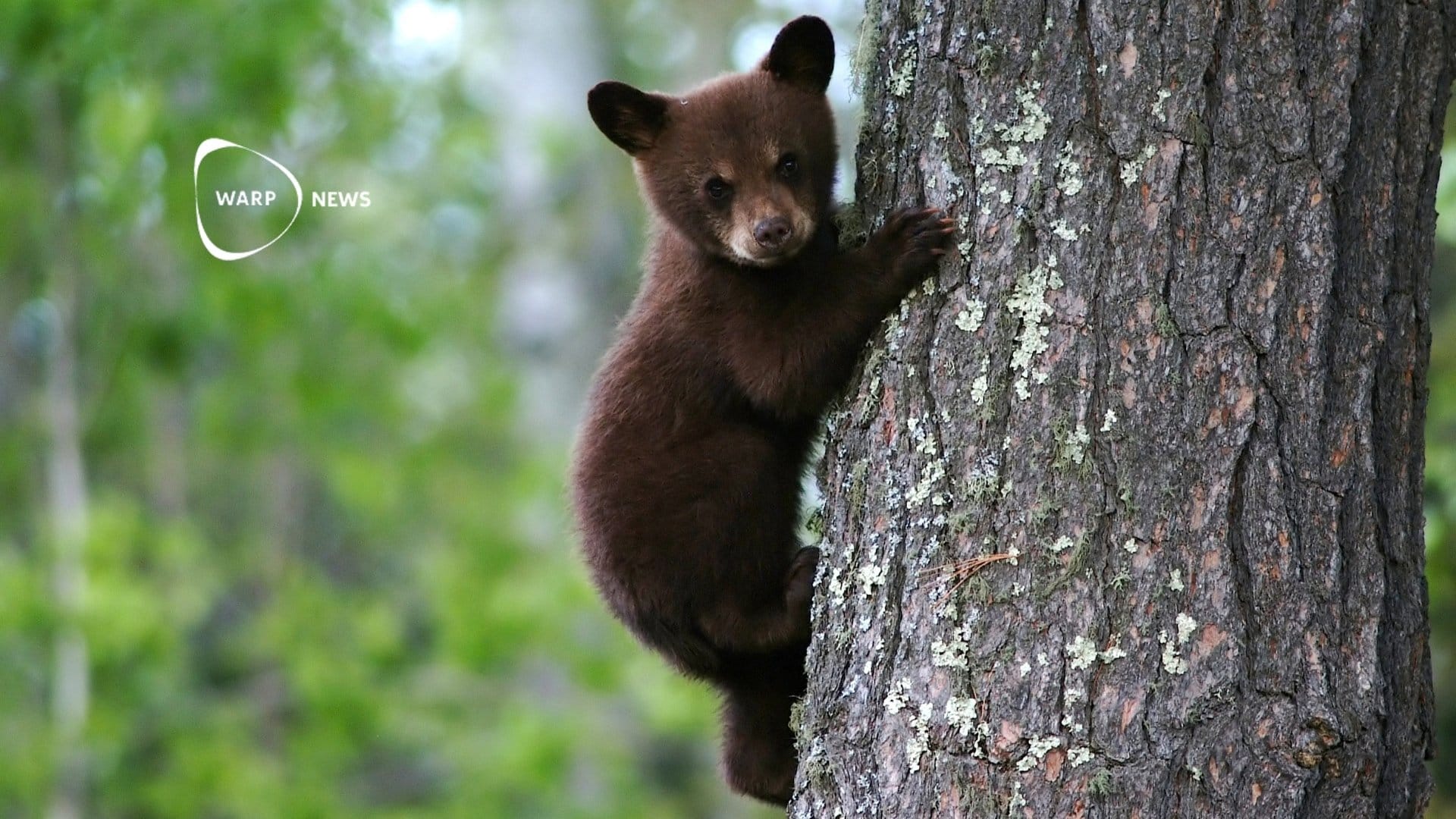
🐺 North America's large carnivores have recovered over the past 50 years
Gray wolves, pumas, black bears, and grizzly bears have made significant comebacks in North America. Black bears have increased by approximately two percent annually since the 1980s and now number over 850,000 individuals.

🏭 China builds fewer coal power plants as renewable energy takes over
China approved 41.8 gigawatts of new coal power capacity during the first three quarters of this year, the lowest pace since 2021. Wind and solar power can now cover all of China's increased electricity demand. Expectations for coal power profitability have dropped, leading to fewer new plants.

☀️ Despite political headwinds: American investments in carbon-free energy set record in 2025
Investments in carbon-free energy and transportation reached $75 billion in the third quarter of 2025, the highest quarterly figure ever. The full year 2025 is expected to exceed last year's total investment of $267 billion. Wind power investments rose 31% and reached the highest level since 2020.

💰 Kerala in India has eliminated extreme poverty
The Indian state of Kerala has reduced poverty from 59.8% in the 1970s to near zero. Kerala has the lowest proportion of multidimensionally poor people in India, with only 0.55% of the population. The result was achieved through investments in health, education, and targeted interventions.