

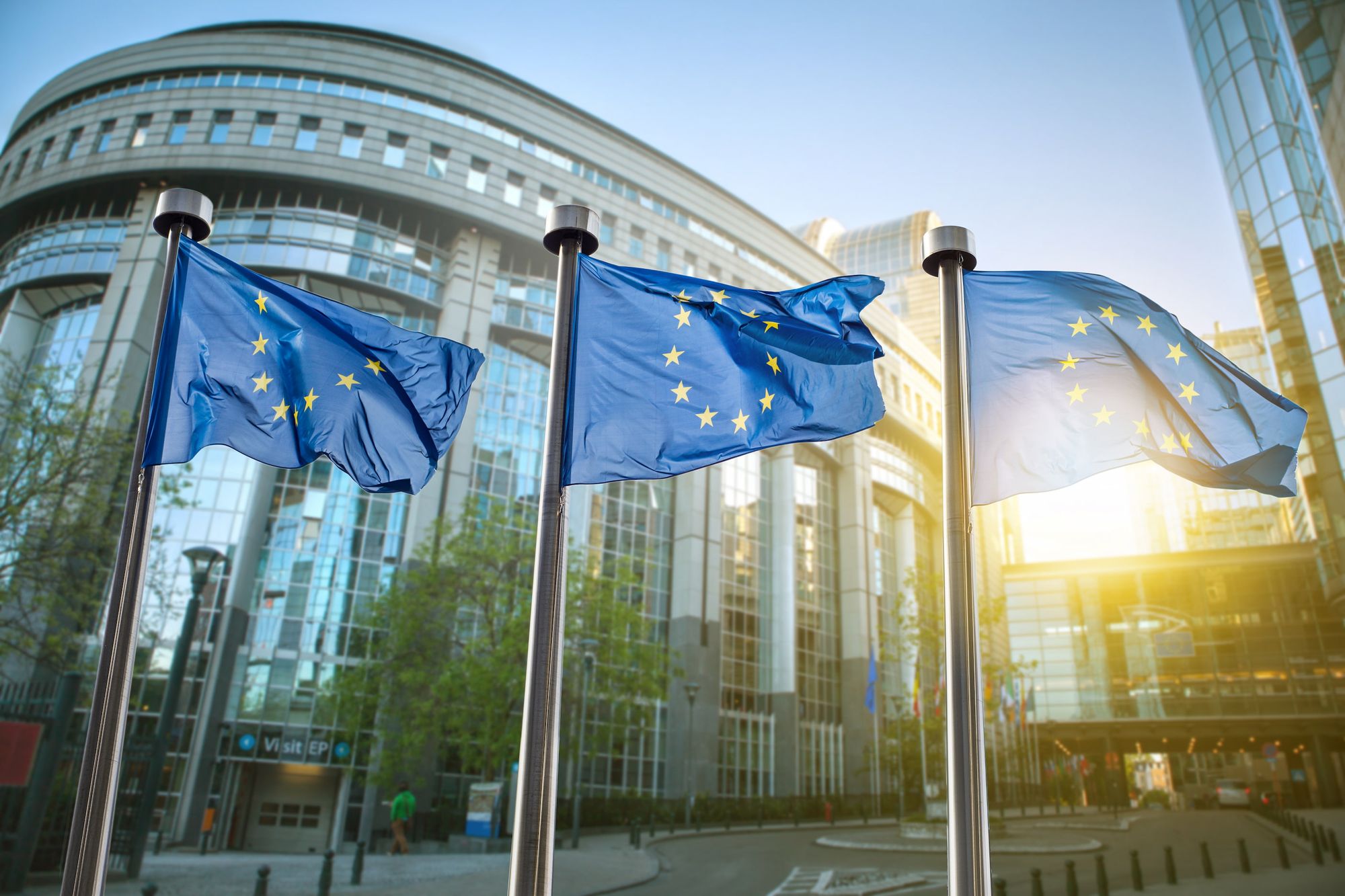
🏭 EU sees decline in pollutant emissions amid economic growth
Total emissions in EU Member States dropped in 2021, continuing the decline since 2005. During the same period, GDP grew by 47 percent.

💛 Decline in suicides among young people in 2022
Suicides in the 10-to-24 age bracket decreased by 8.4 percent. The decline counters recent trends.
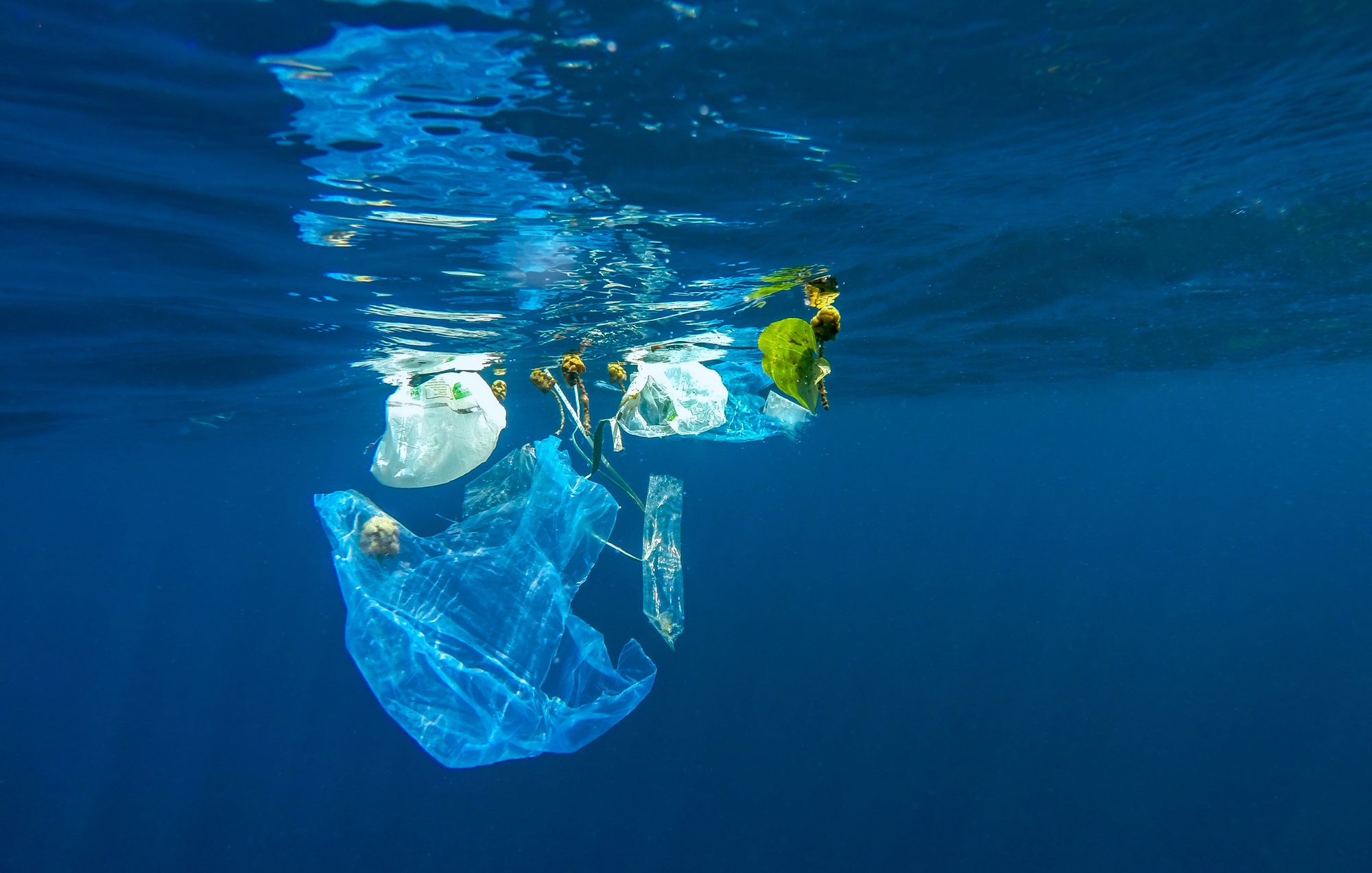
🌊 Less plastic in the oceans than presumed, says Dutch researcher
Recent research indicates significantly less plastic in oceans than estimated. Around 3 million tons, instead of 50 to 300 million tons of plastic waste.
🏭 U.S. makes billion-dollar investment in carbon capture technology
Two large-scale facilities in Texas and Louisiana set to remove millions of tons of CO2 from the atmosphere annually.

🧬 CRISPR-edited foods begin appearing on shelves
CRISPR foods could be part of the solution for world hunger. Through genetic editing, crops and animals can be made hardier, need fewer resources, last longer, and offer better nutrition.
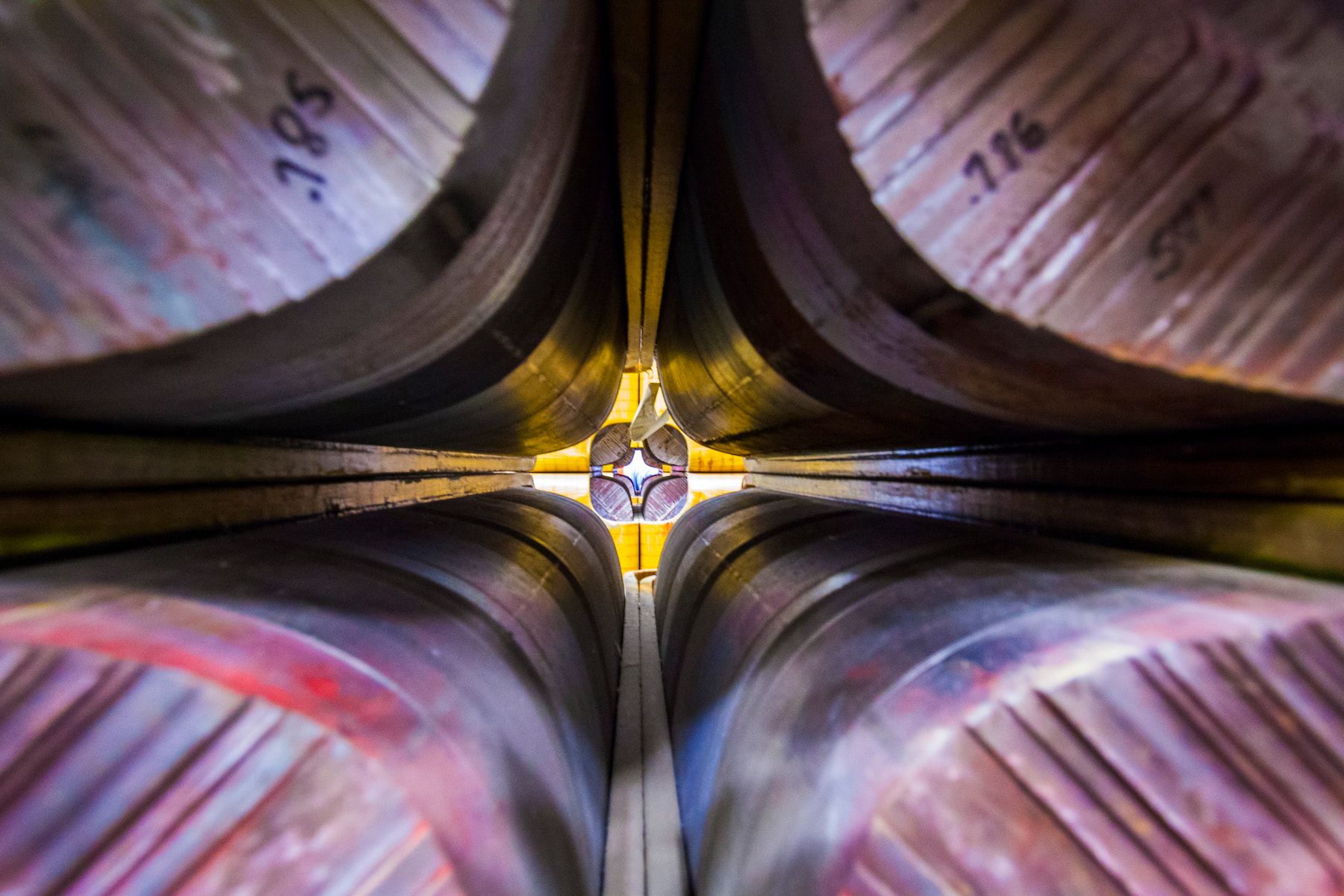
😲 A new force of nature? Yep, Fermilab scientists think so
If a fifth force is confirmed, it could be one of the most significant scientific breakthroughs in a century, since Einstein's relativity theories.
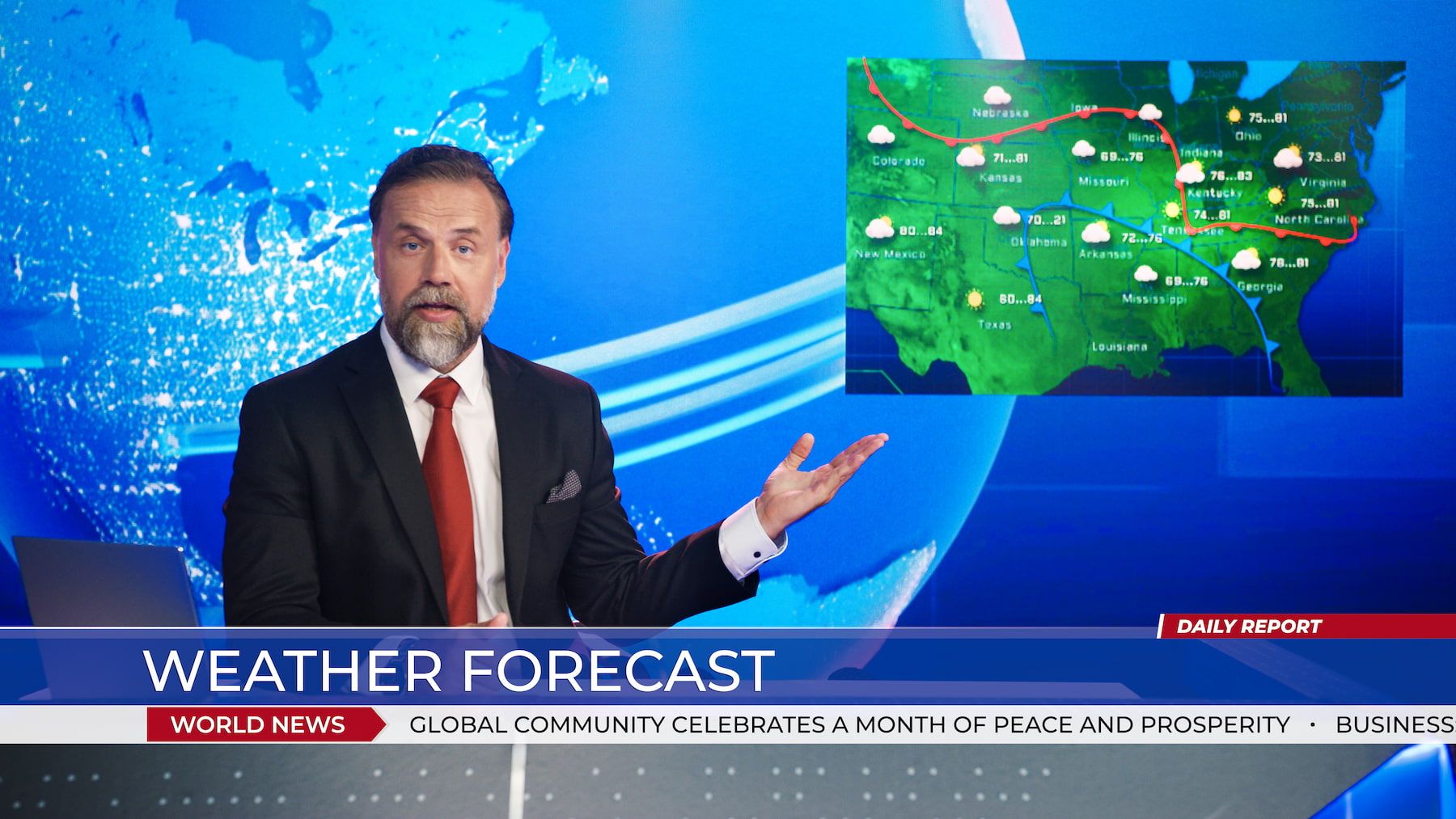
⛈️ Better weather forecasting with AI
Historically, weather-forecasting involved numerical models. They took in current data, used math and physics to predict the future, and were quite reliable. However, they took hours to generate results. Now, the world is seeing AI systems that can predict just as accurately but much faster.
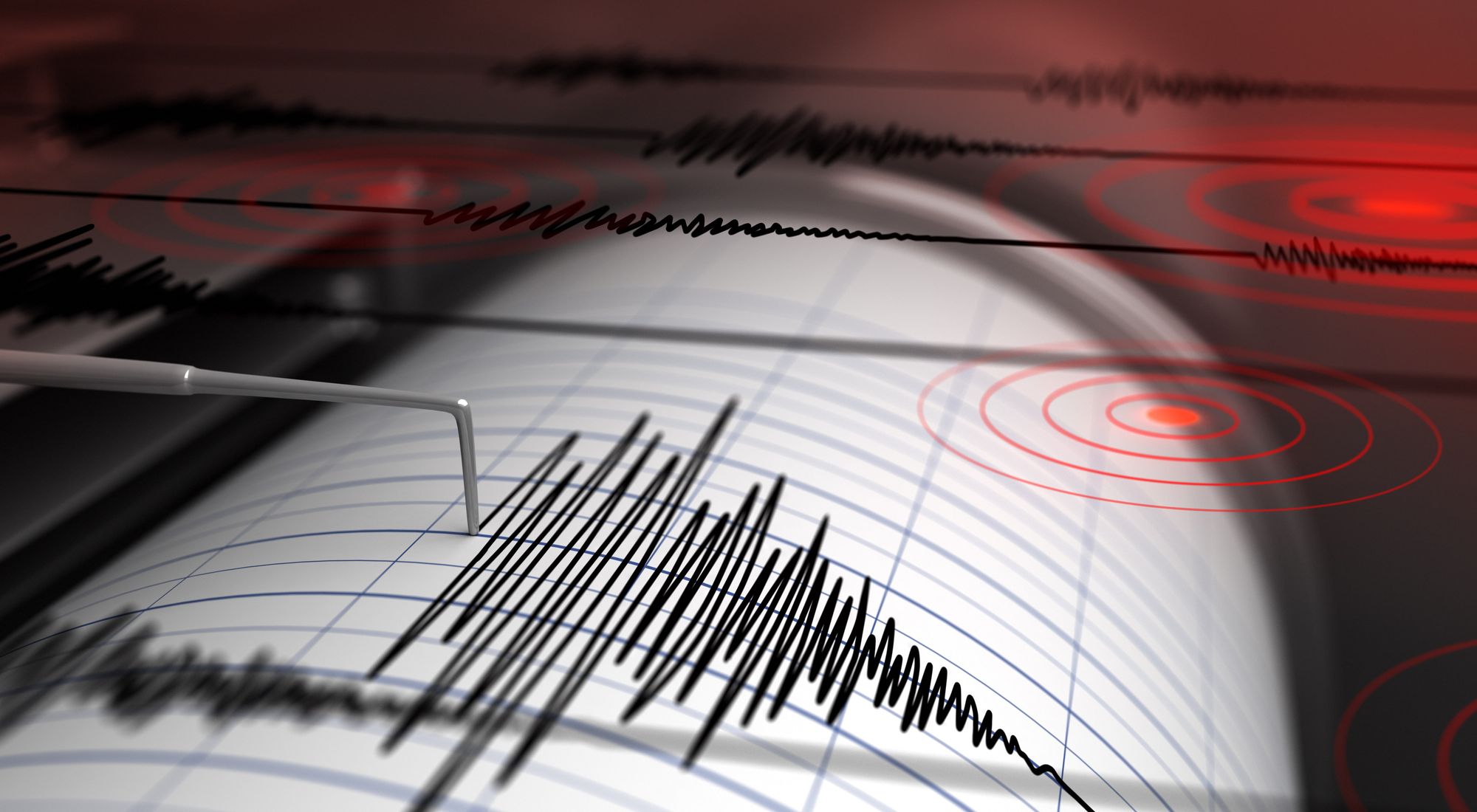
⚠️ Seismic shift: Earthquakes detectable hours in advance, instead of minutes
Current earthquake warning systems typically give only a one to two-minute heads-up. But now researchers have identified nearly imperceptible shifts up to two hours before major quakes.
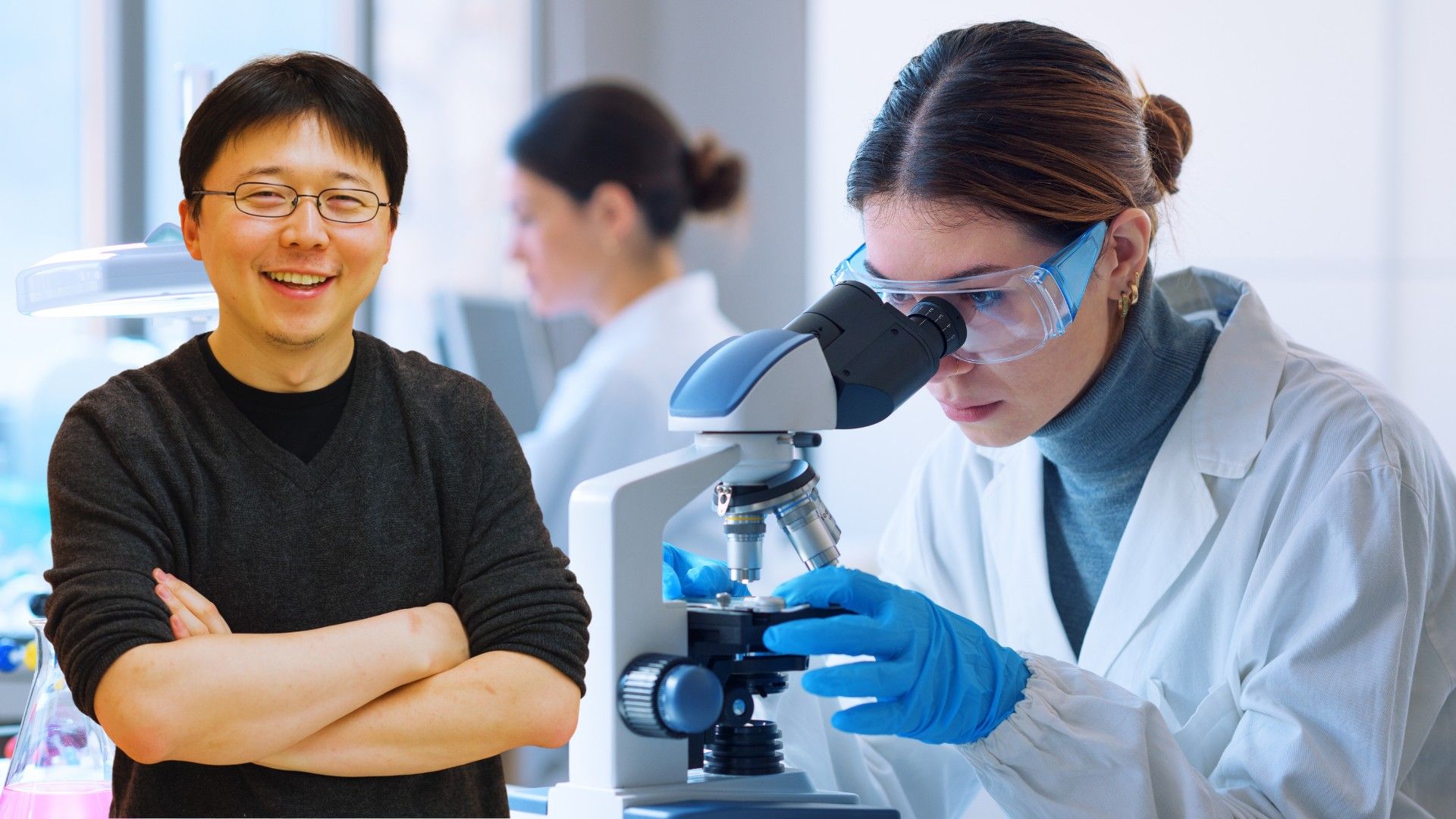
🔬 RNA-guided system in animals shows promise for human genome editing
Bacteria use a "scissors" system called CRISPR-Cas against viruses, and scientists have now discovered that complex cells, like ours, have a similar tool too.