
Cancer
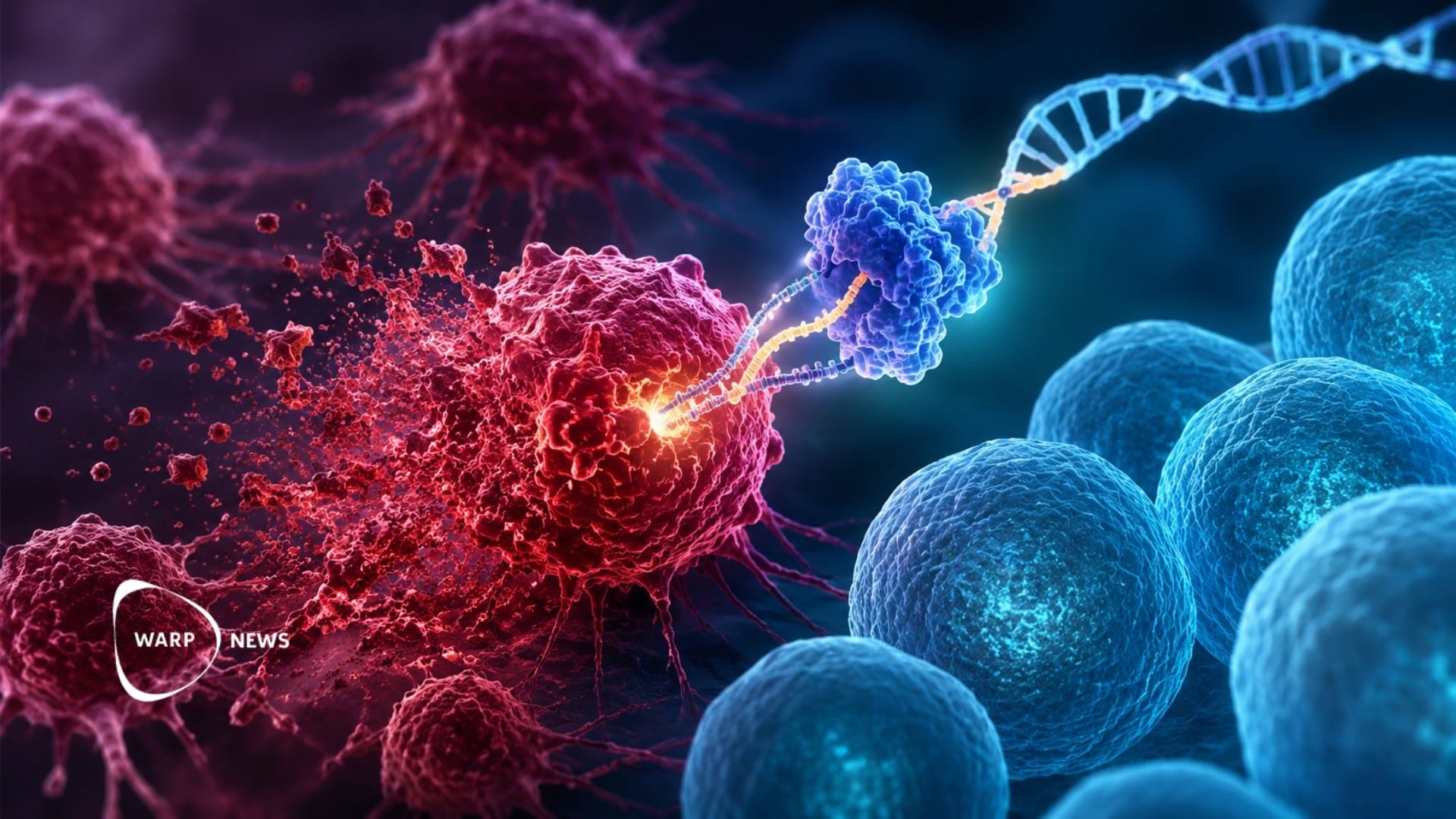
✂️ New CRISPR method seeks out and destroys cancer cells
In lab tests the method destroyed the mutated cells but left healthy cells almost entirely unharmed, even though they differed by just a single building block in their DNA. The technique is programmable, which means a new mutation only requires researchers to create a new guide RNA.

🎗️ No young women died of cervical cancer in England over the past five years
A cross all age groups HPV vaccination is linked to around 200 fewer cervical cancer deaths in England. Among vaccinated women aged 20 to 29, the risk of dying from cervical cancer is estimated to have fallen by at least 81 percent.

🎗️ Now cancer vaccines are coming
The immune system can now be used to treat several types of cancer, and more than 2,500 immunotherapies are in development. Cancer vaccines have also started to show results in clinical trials, against melanoma, pancreatic cancer, and brain tumors, among others.
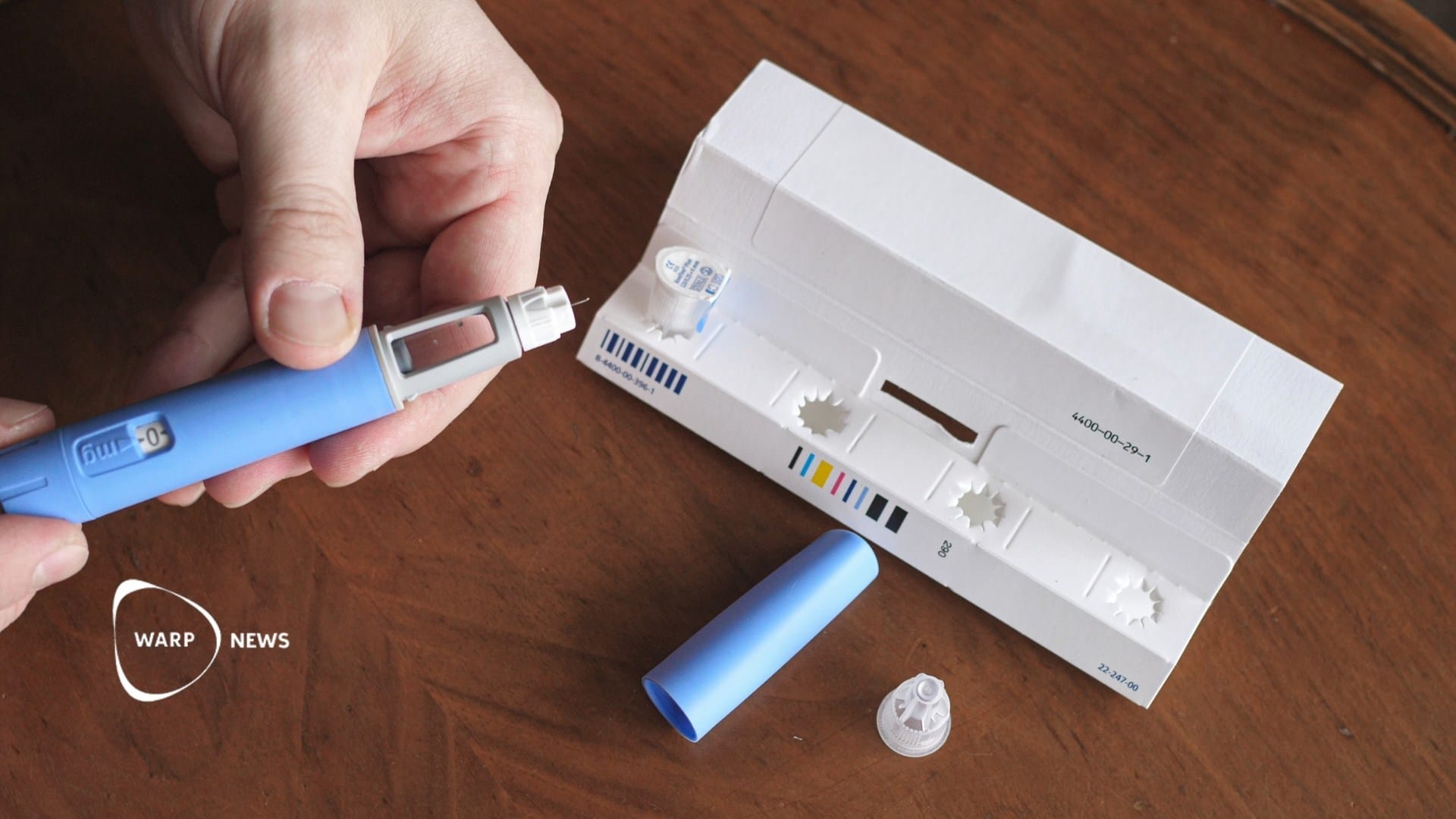
💊 GLP-1 drugs, such as Ozempic, linked to lower risk of cancer progression
Among women with breast cancer, more than 95 percent of GLP-1 users were alive after five years, compared to 89.5 percent of non-users. Women who had taken a GLP-1 drug had about 25 percent lower risk of receiving a breast cancer diagnosis.
🧬 From 13% to 88%: This many survive pancreatic cancer thanks to new vaccine
Pancreatic cancer is one of the deadliest cancers. Fewer than 13 percent of those diagnosed survive more than five years. But after receiving a new mRNA vaccine, nearly 90 percent are still alive six years later.
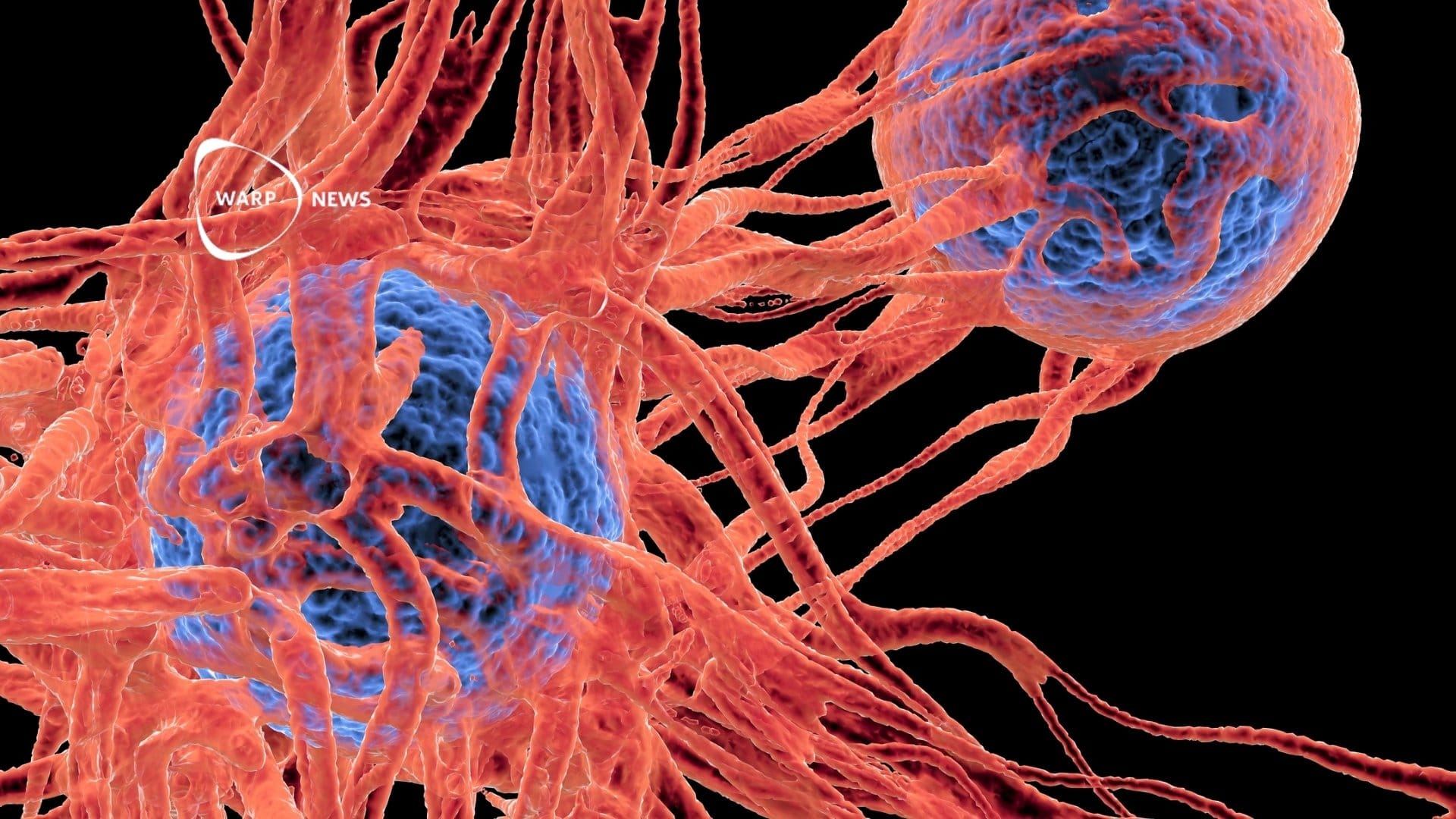
🎗️ New method creates cancer-fighting immune cells directly in the body – clinical trials show promising results
All eight patients with multiple myeloma in two clinical trials had their cancer cells eliminated from the bone marrow. The method could make CAR-T treatment faster and cheaper. Several pharmaceutical companies are now investing in the technology, and more clinical trials are underway.

🩸 Promising: Blood test can detect more than 50 cancer types – enables earlier treatment
A blood test shows ability to identify over 50 different cancer types and can speed up diagnosis. More than half of the cancer forms were detected in early stages where treatment is more effective. Three-quarters of the detected cancer types currently lack screening programs.

🎗️ Nearly everyone survives prostate cancer
Nearly 98 percent of patients with prostate cancer are alive at least five years after diagnosis in 2021.
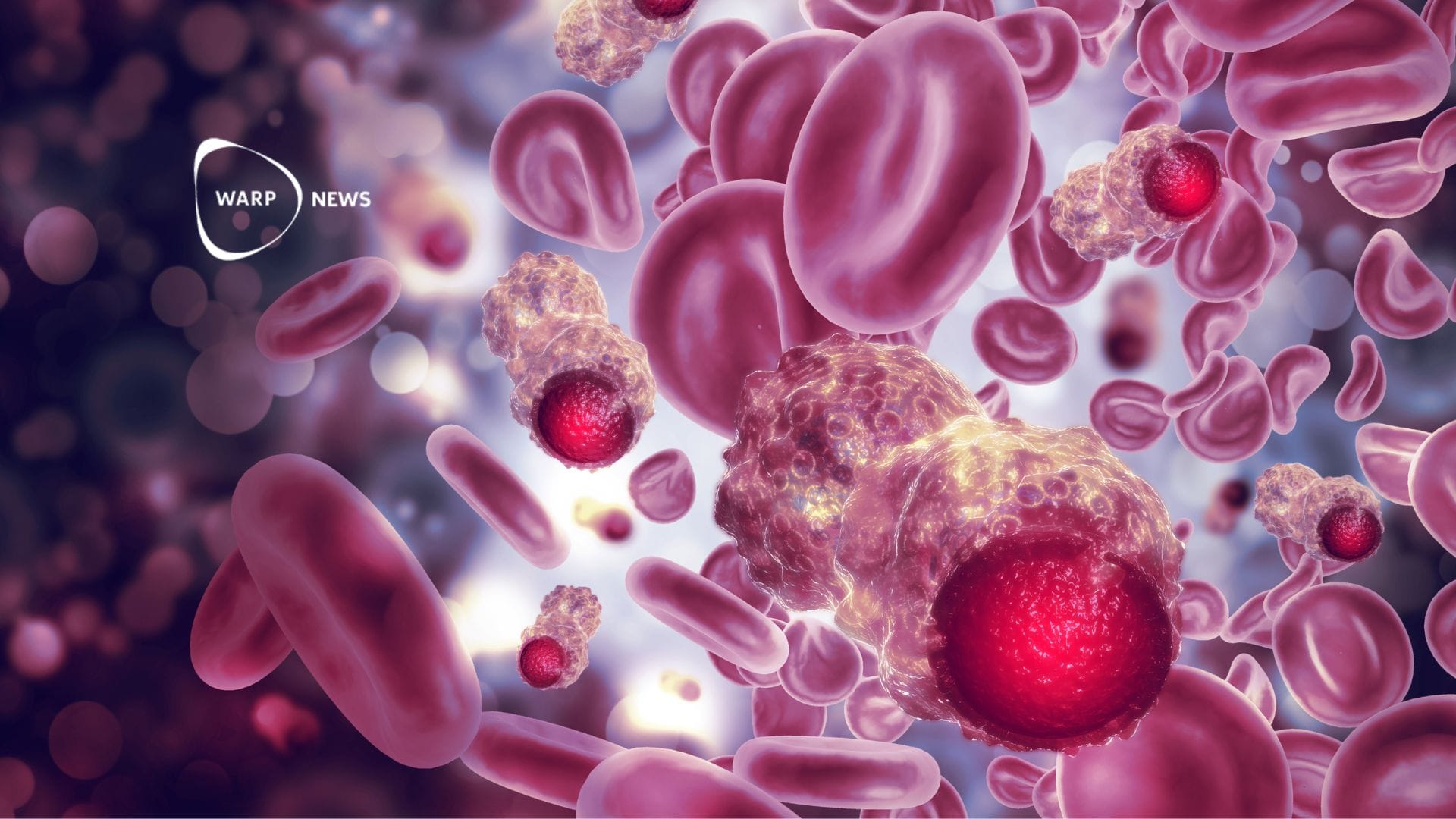
🩸 Previously deadly blood cancer completely disappears in one-third of patients
One-third of 97 patients with incurable blood cancer became tumor-free after immunotherapy and remain healthy after five years. The treatment uses the patient's own white blood cells that are modified to attack the cancer. The cost is much lower than traditional medications.