
Climate Change
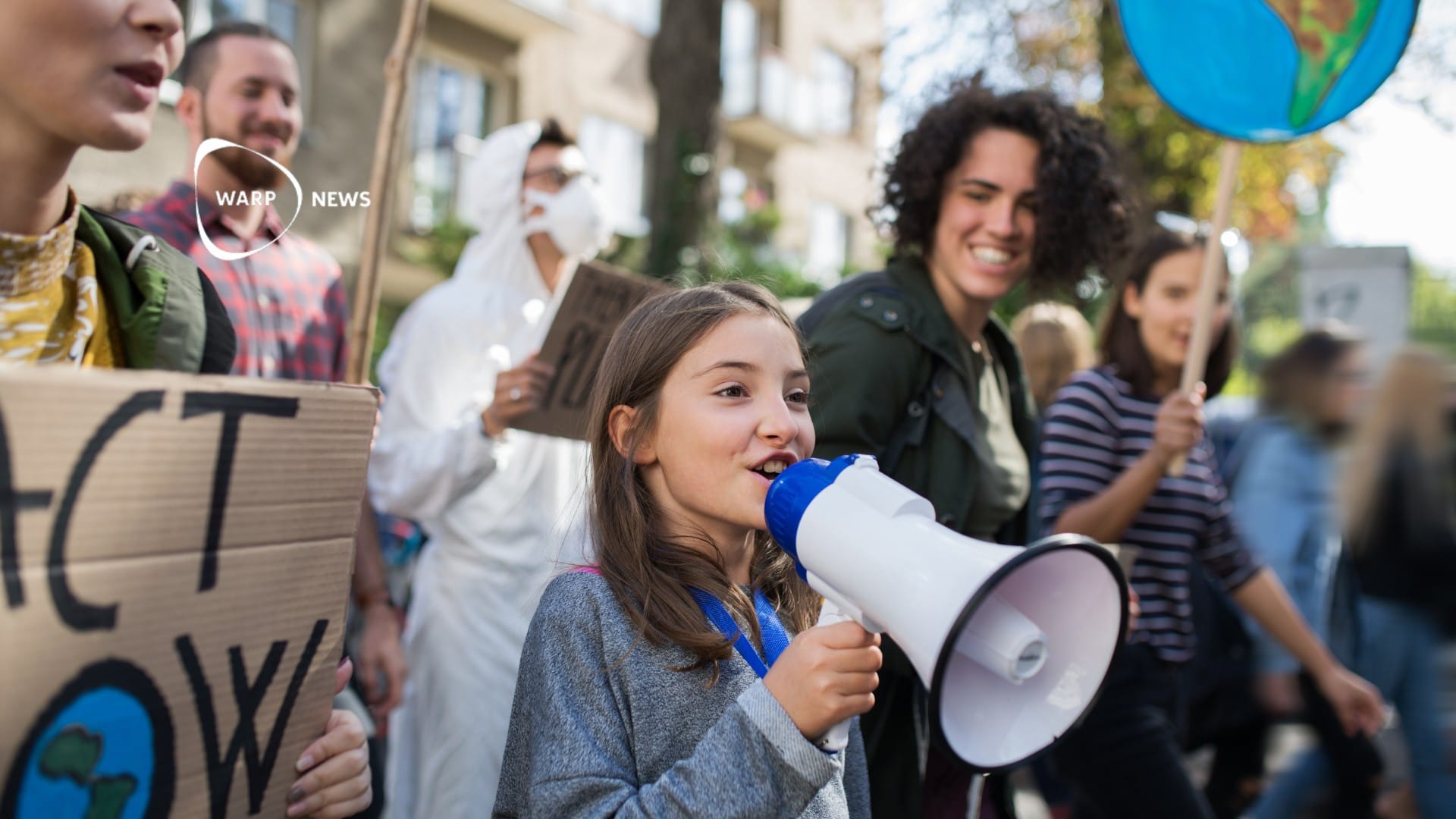
🌎 The vast majority believe in climate change and want to do something about it (but think others don't)
A study published in Science, in which 59,000 people in 63 countries were surveyed, showed that 86% "believe" in climate change. 86% think that people in their country "should try to combat global warming." However, they wrongly believe that others do not think the same.
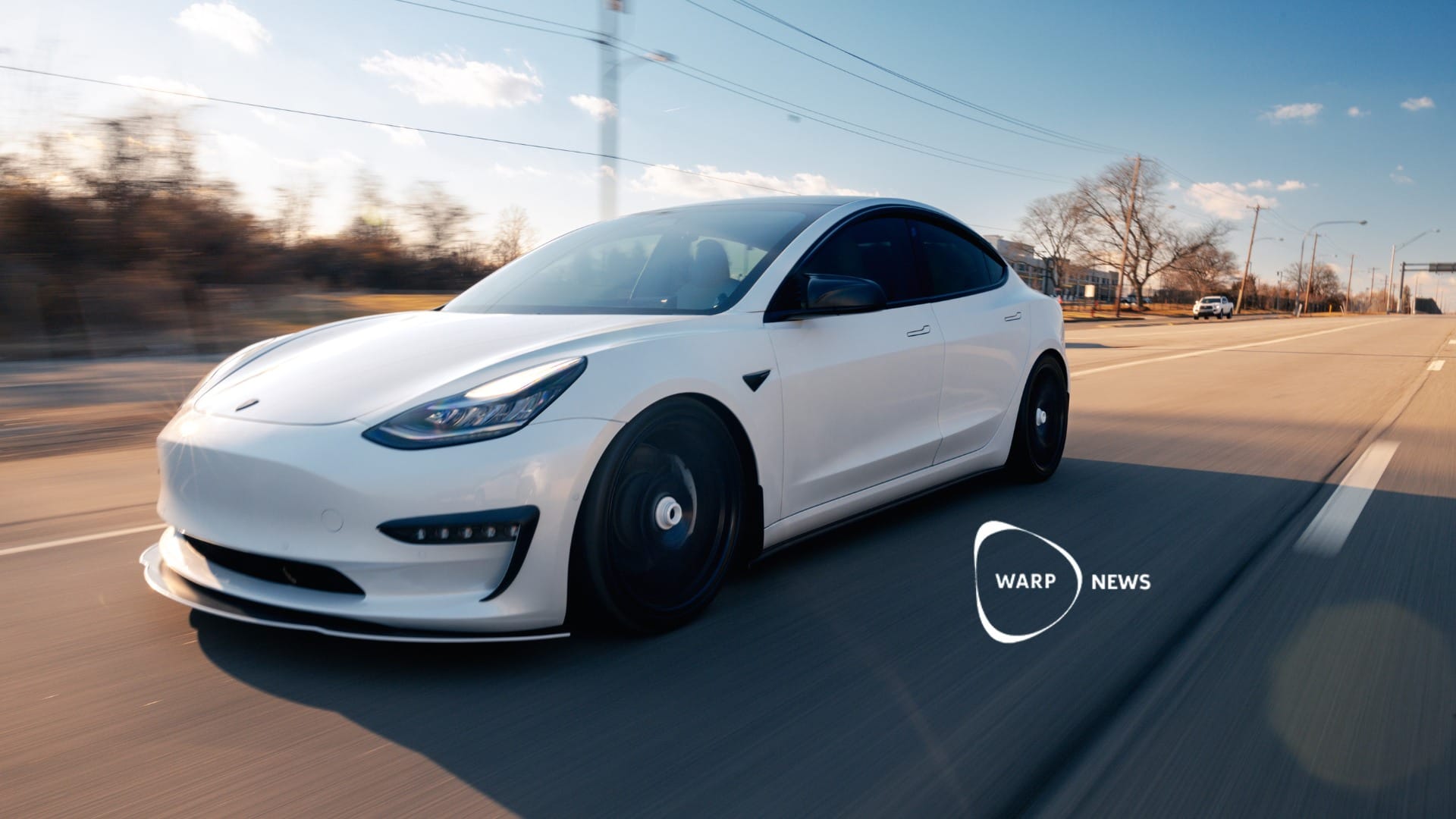
📉 Emissions from new cars have halved over the past four years
Carbon dioxide emissions from new passenger cars decreased by over 8 percent from the previous year. Over the past four years, emissions from the average new passenger car have almost halved. The significant increase in electric cars is crucial for this development.
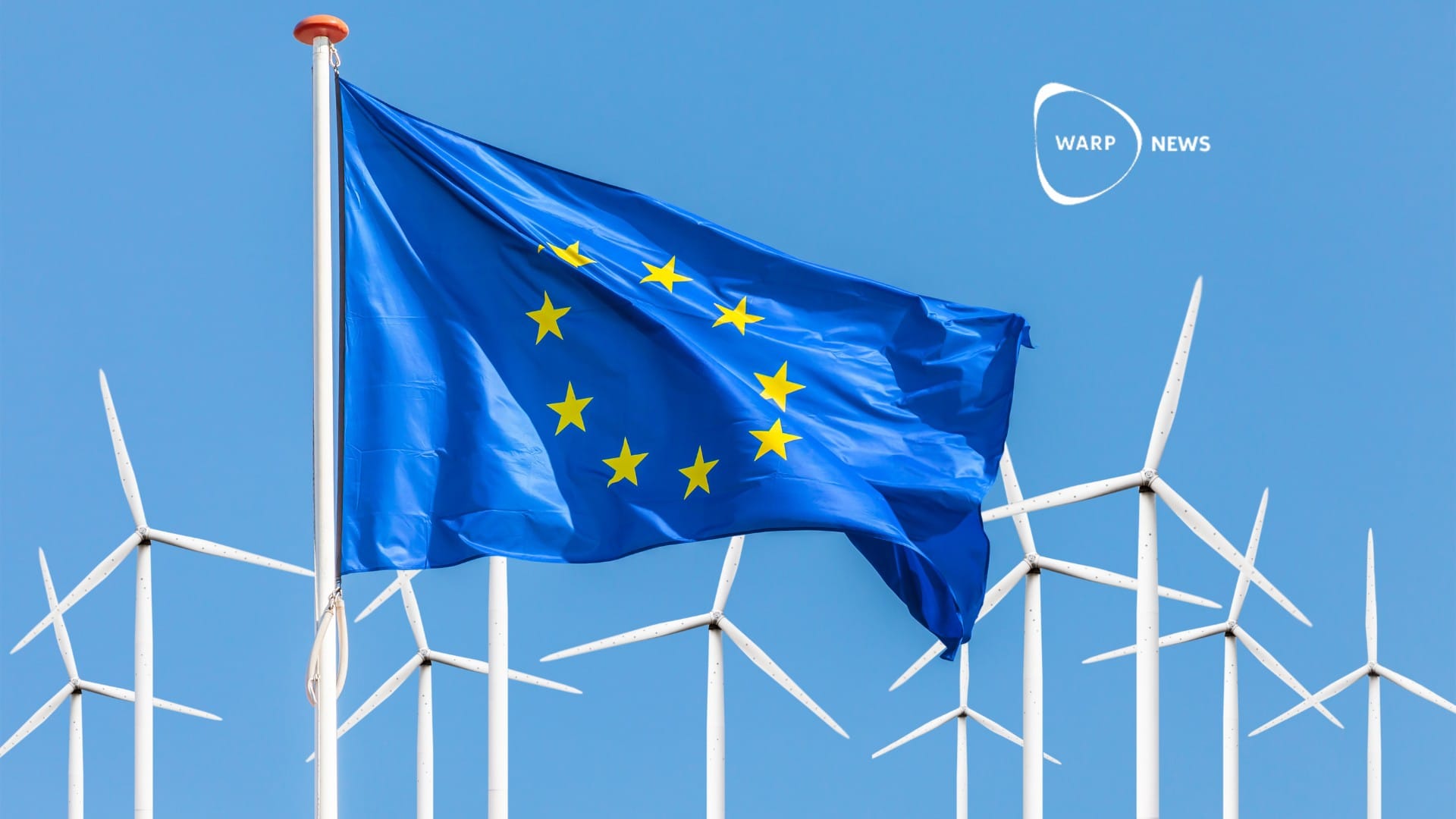
⚡ Record decrease in emissions from the EU's energy sector - renewables exceed 40%
Record decrease in coal, gas, and CO2 emissions in 2023 resulted in the EU's cleanest electricity mix ever. Emissions from the power sector have now nearly halved (-46 percent) since their peak in 2007.
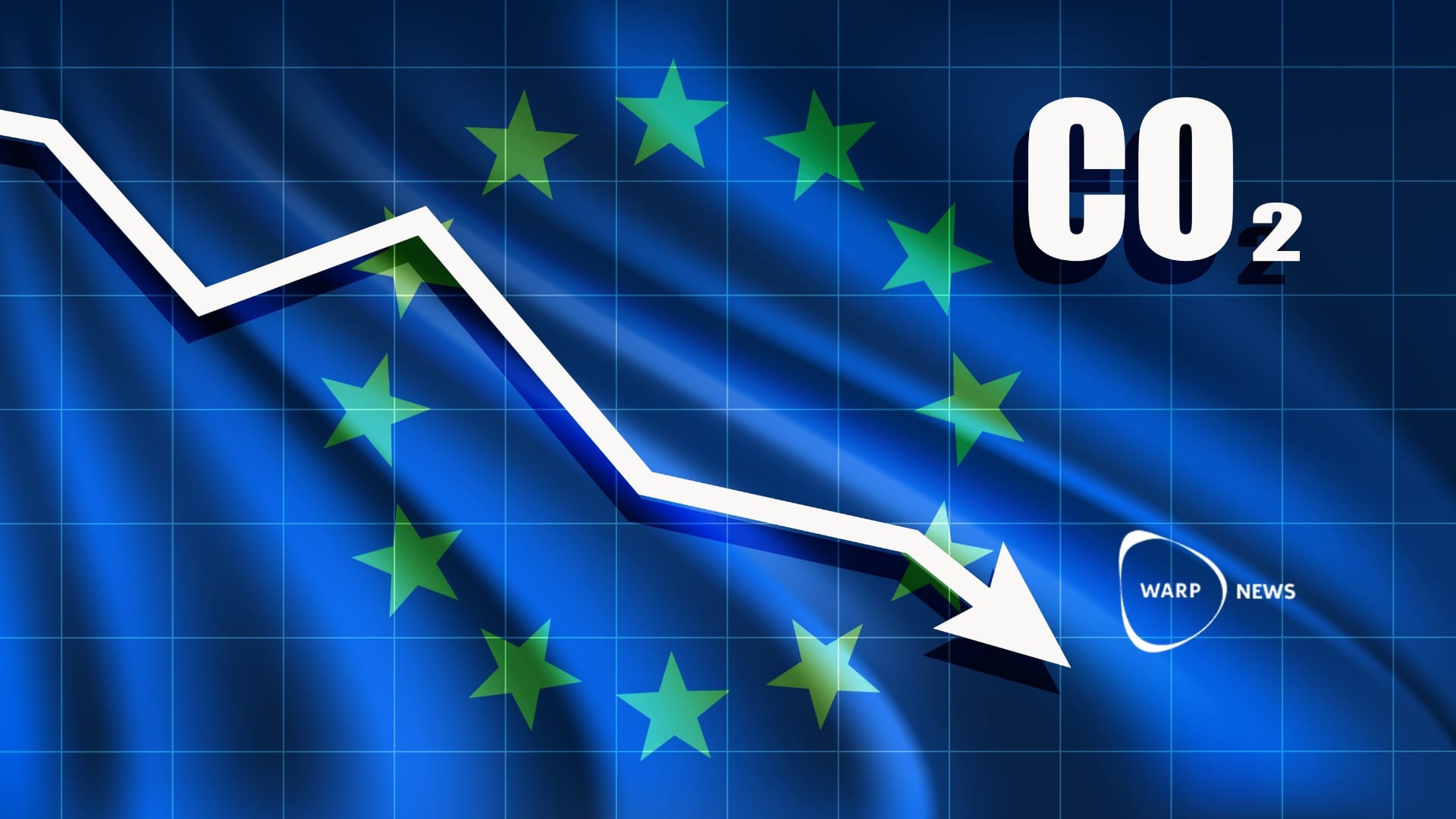
📉 EU's fossil CO2 emissions reach lowest level in 60 years
EU countries reduced their carbon dioxide emissions from fossil fuels by 8 percent in 2023 compared to 2022. More than half of the reduction in emissions came from the use of cleaner electricity.
📉 U.S. coal use declines and reduces carbon emissions
U.S. carbon emissions fell by 1.9 percent during 2023. The use of coal for electricity production decreased to the lowest level in half a century. Investments in solar and wind energy have increased.
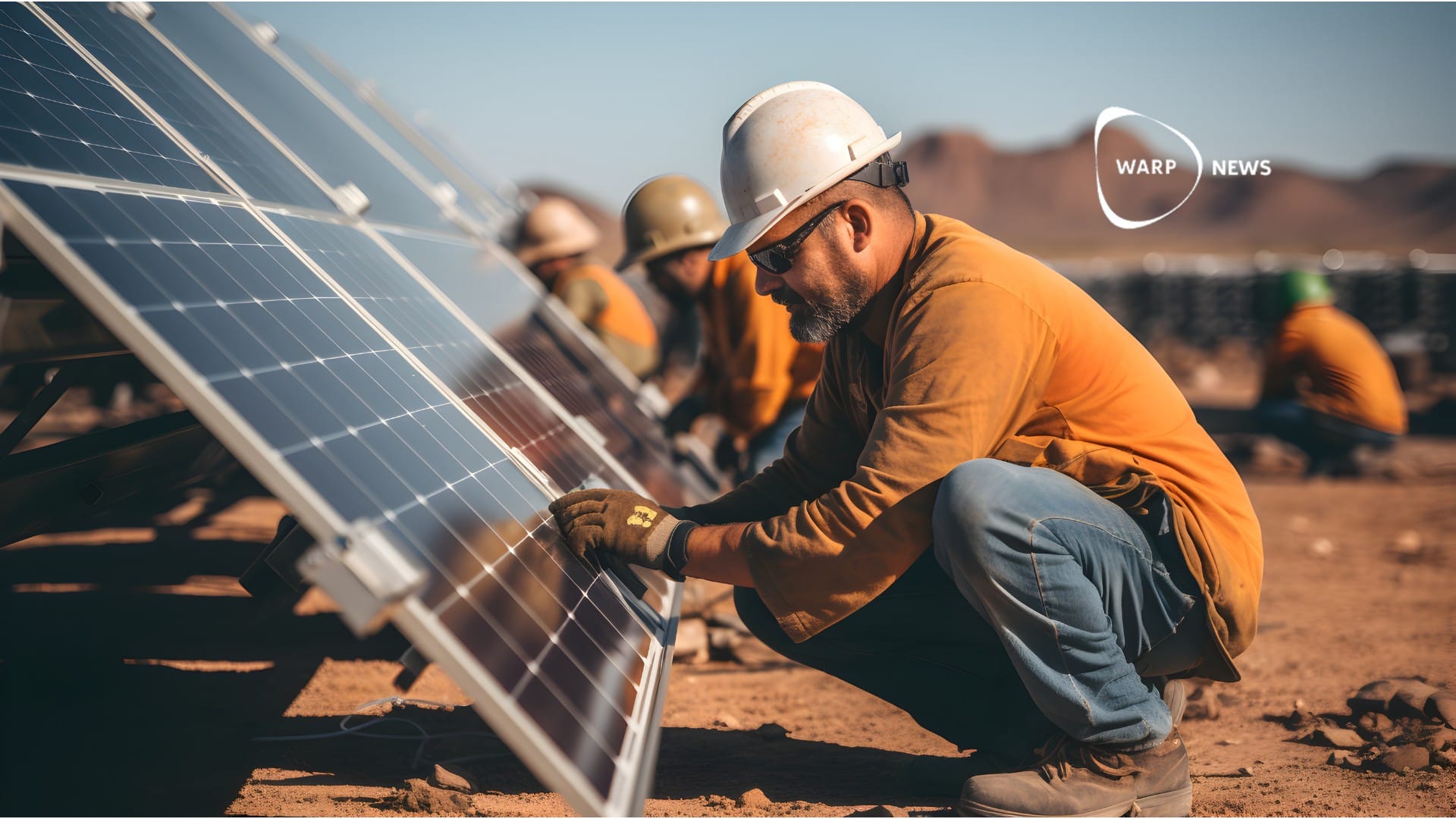
⚡ Renewable energy increased globally by 50 percent during 2023
The world is experiencing the fastest expansion of renewable energy in three decades. Solar energy accounted for three-quarters of the new capacity. The price of solar panels dropped by nearly 50 percent compared to 2022.
🔟 10-fold efficiency in CO2 capture
Researchers have developed a method to capture more CO2 from the air than natural systems.
📉 Over 200,000 annual deaths averted through lower carbon emissions
The primary driver of this health benefit is the worldwide reduction in coal use, responsible for 80% of the mortality reduction from PM2.5 particulates.
🌳 Allowing existing trees to grow could store a third of our carbon emissions
The research estimates that this could equate to around a third of the carbon humans have added to the atmosphere to date, potentially storing as much as 228 billion tonnes of carbon.