
Economy
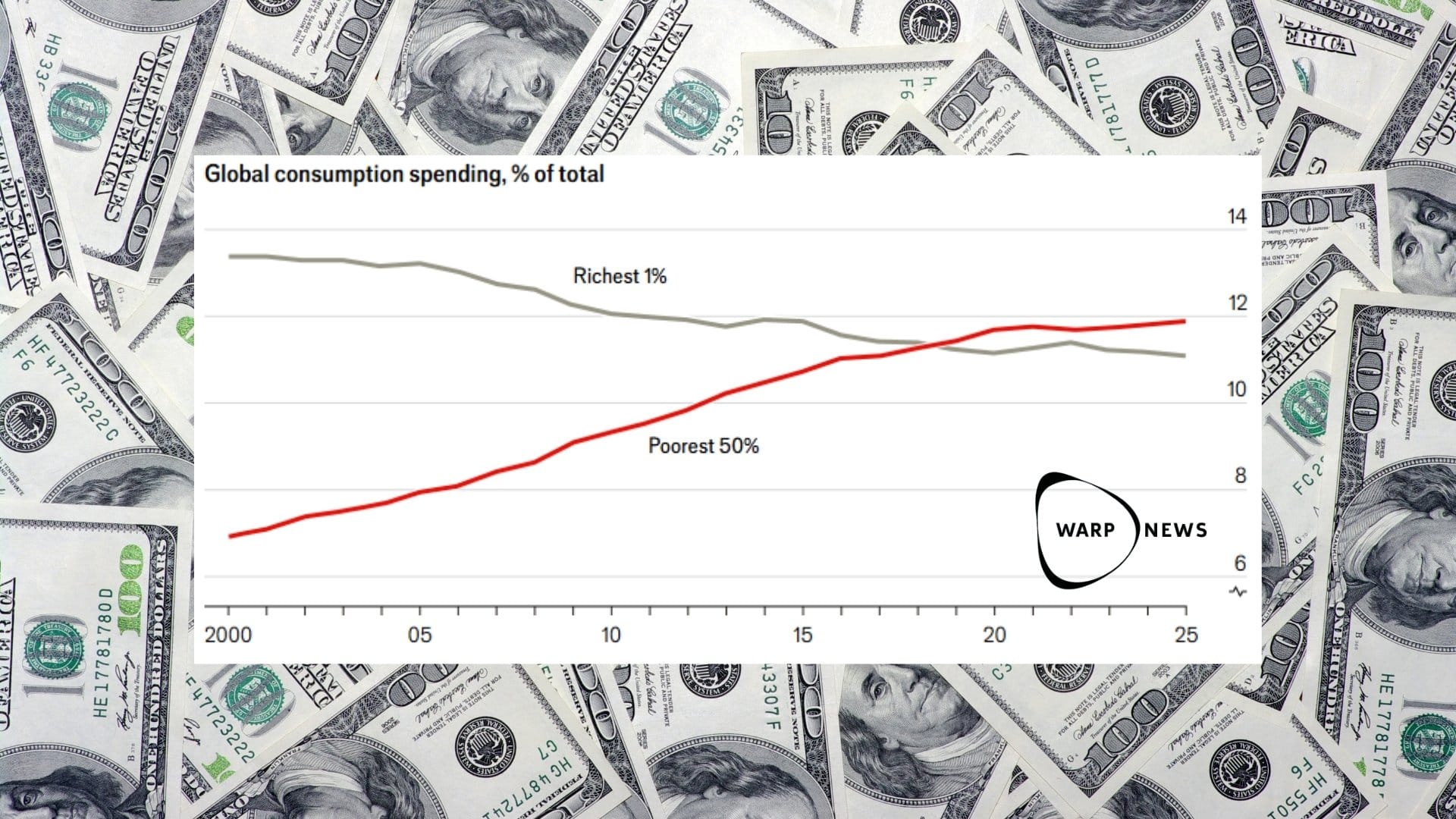
📈 The gap between the world's richest and poorest has more than halved since 2000
The ratio between the richest 10 percent's consumption and the poorest 50 percent's has decreased from 40 to 18 times since the turn of the millennium. Low- and middle-income countries have driven the development through faster economic growth than rich countries.
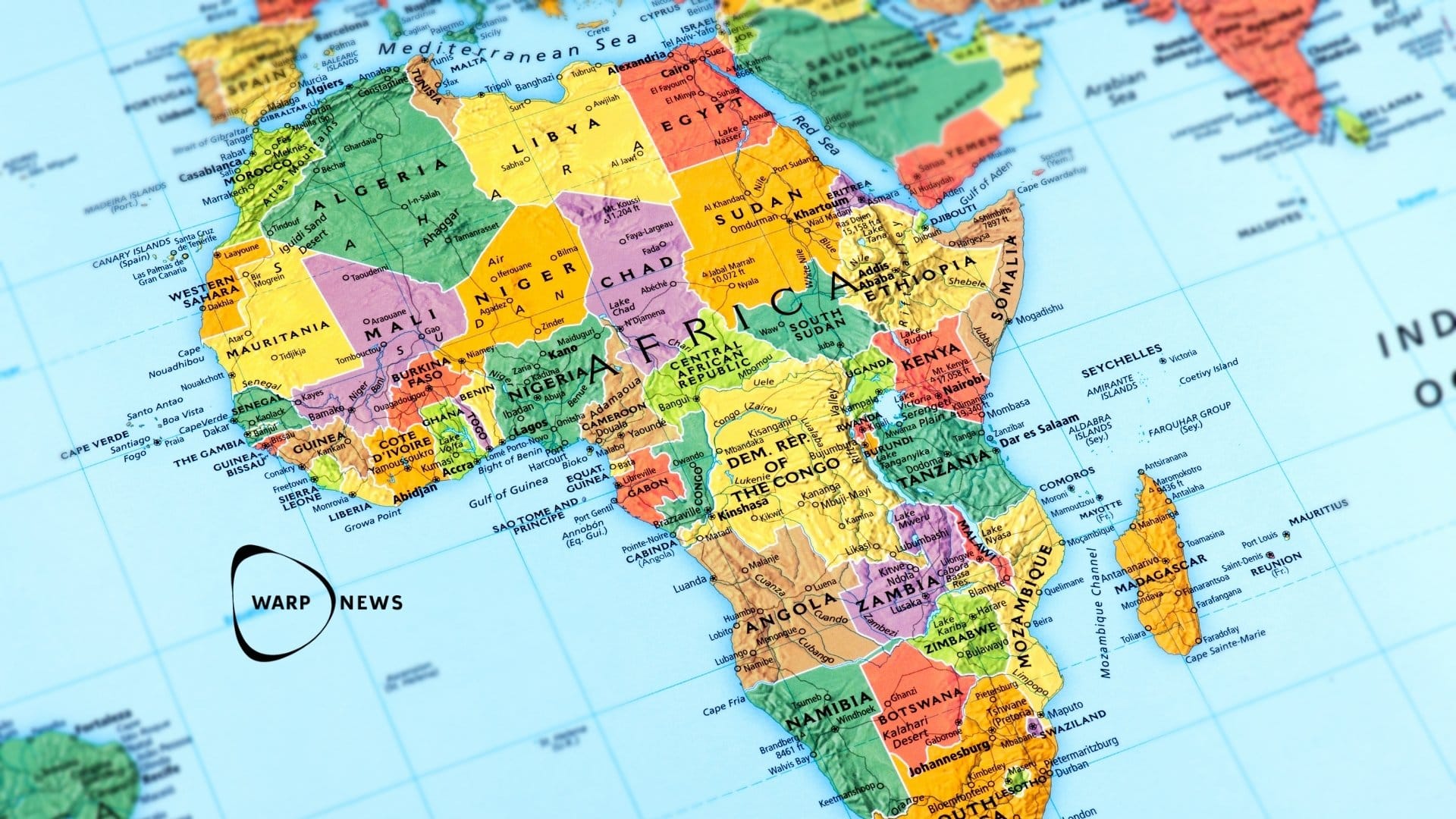
📊 Africa expected to have higher economic growth than Asia for the first time
The IMF predicts that sub-Saharan Africa will grow by 4.4 percent in 2026, compared to Asia's 4.1 percent. Africa's stable outlook is supported by a weak dollar, lower debt pressure and high commodity prices for gold and copper.
🌎 Study: Economic growth without increased emissions now a reality in most countries
Countries representing 92 percent of the global economy have now decoupled consumption-based carbon emissions from GDP growth. China's emissions have plateaued over the past 18 months and may have peaked.

🏧 More women in developing countries have access to bank accounts
73% of women in low- and middle-income countries now have a financial account, an increase of 7 percentage points since 2021. The share of women saving formally has increased from 22% to 36% in three years. Mobile phones and digital accounts make it easier for women to use financial services.
💵 Economic inequality decreases in more countries
The number of countries with high inequality has decreased from 74 to 51 between 2000 and 2020. The number of countries with low inequality increased from 20 to 32 between 2000 and 2020.
✌️ Global fight against inflation nearing victory, according to IMF
IMF predicts global inflation will drop from 6.7 percent in 2023 to 4.3 percent in 2025. The inflation reduction has been achieved without a global recession, and the US economy continues to grow by 2.8 percent in 2024.