
⚡️ Energy
Energy production and consumption is becoming cleaner, cheaper and decentralized. With connected devices you as a consumer can take control of your energy consumption. Here you will also find content about batteries, smart grids, nuclear and other innovation in the energy field.
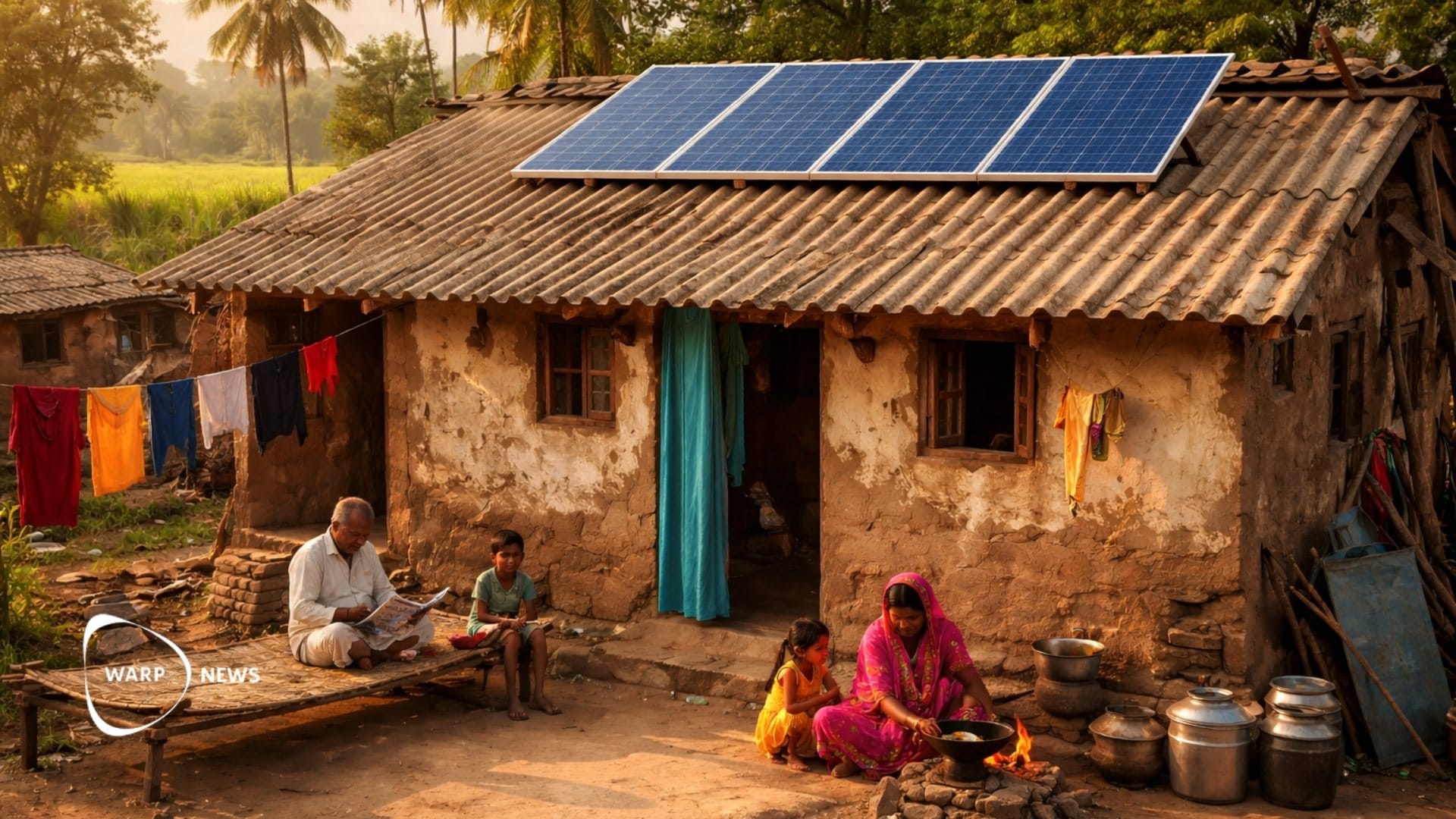
☀️ Bihar gives 250,000 poor families free rooftop solar panels
The Indian state of Bihar is installing solar panels at no cost for families living below the poverty line. The families will have zero electricity costs for basic usage such as fans, lighting and mobile charging. In the first phase, 250,000 households will receive solar panels
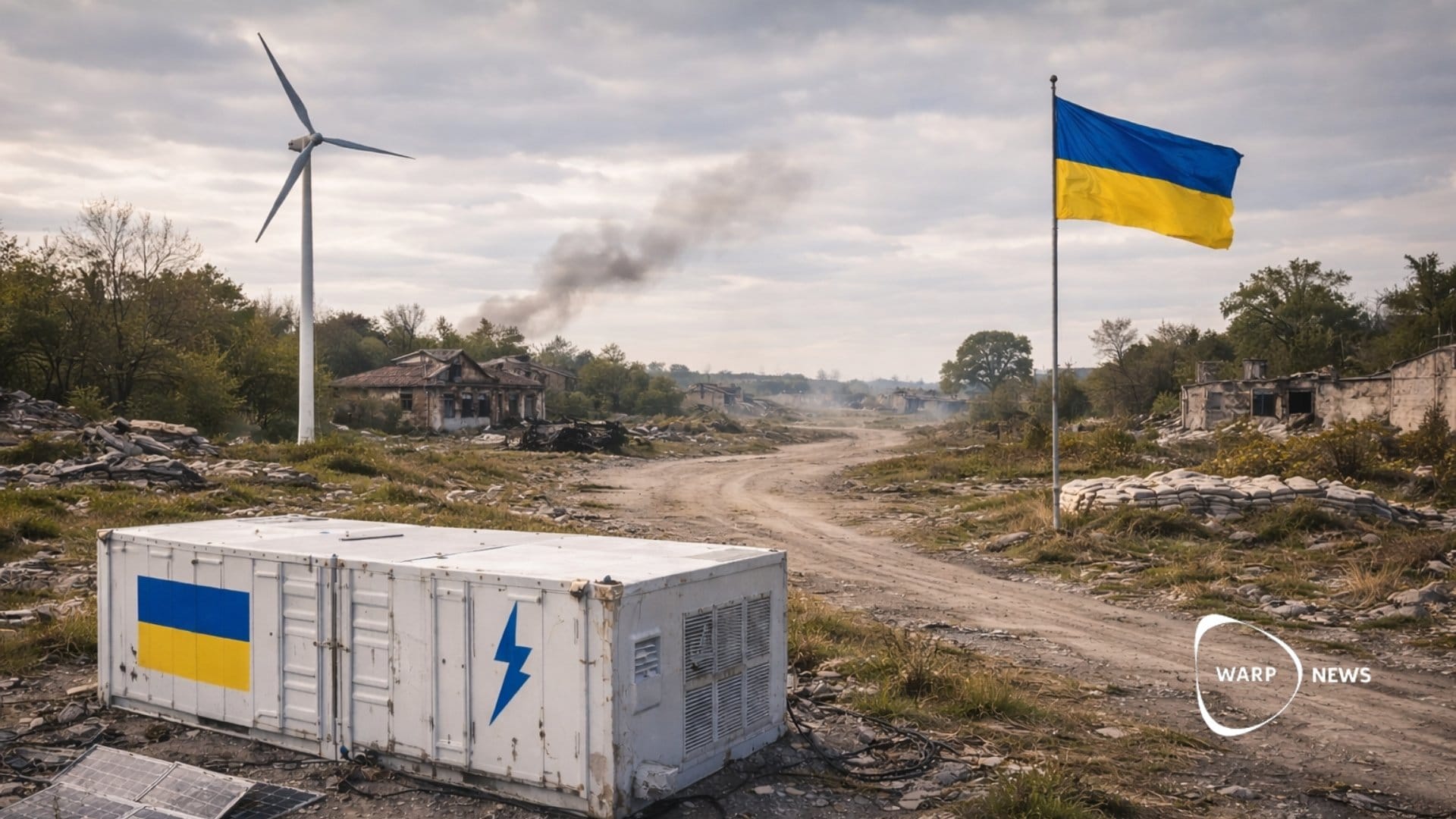
Ukraine builds new power grid with solar, wind and batteries that better withstands Russian attacks
A decentralized power grid with solar, wind and batteries has fewer central points that can be knocked out, unlike the old system with large power plants and centralized transmission lines.

🎙️ Kevin Kelly and Dan Pink launch podcast about best possible future scenarios
New podcast series – Best Case Scenarios – explores the best possible developments in energy, transportation, biotechnology, and brain science over the next 25 years. The focus is on what happens if everything goes right and how technology can reduce costs, emissions, and accidents.
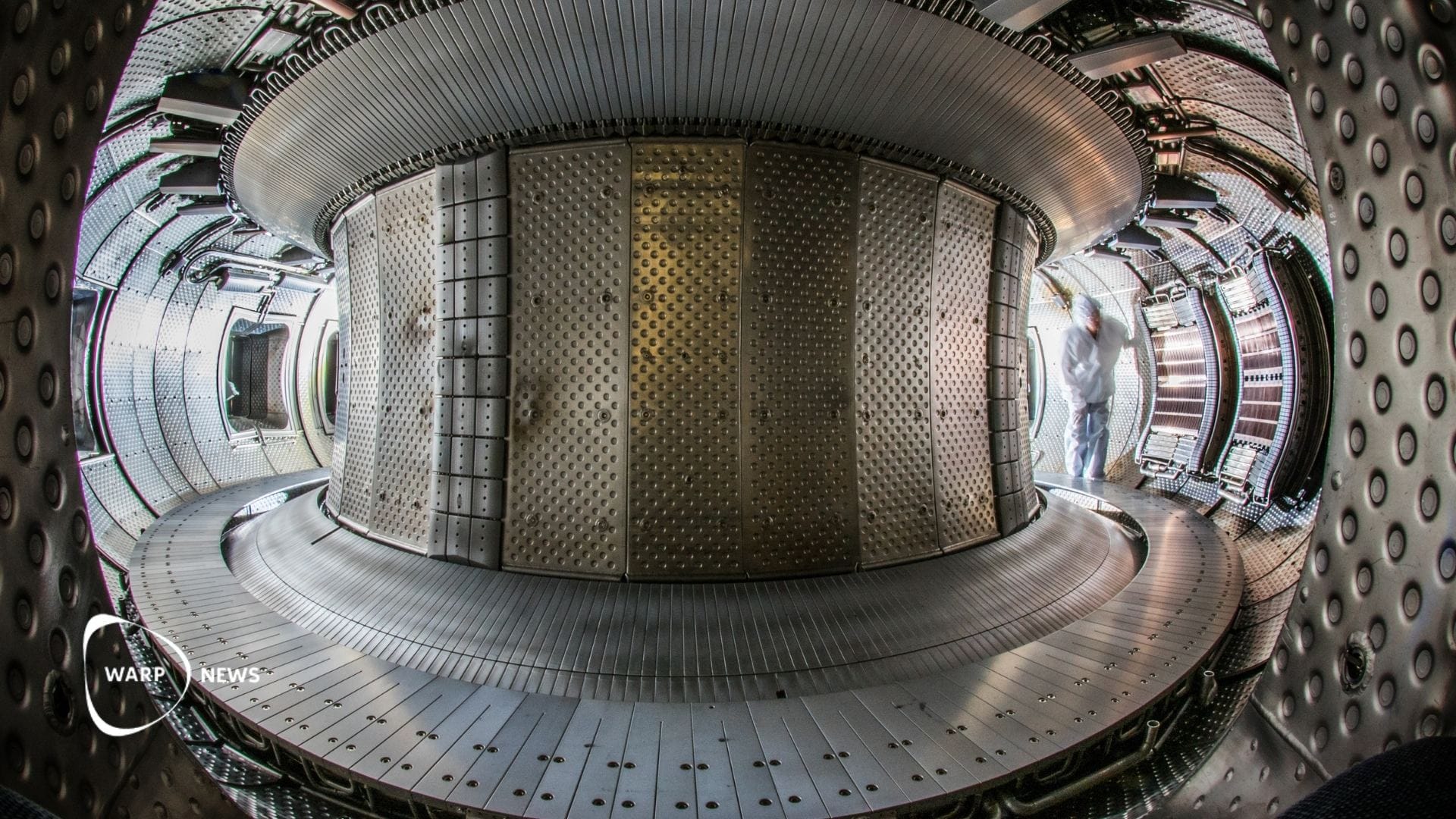
⏲️ New world record – fusion reactor held plasma stable for 22 minutes
The research reactor WEST in France held plasma stable for just over 22 minutes, which is a new world record. The record surpassed China's previous mark by approximately 25 percent. The test showed that the reactor's internal surfaces withstood the demanding conditions without breaking down.
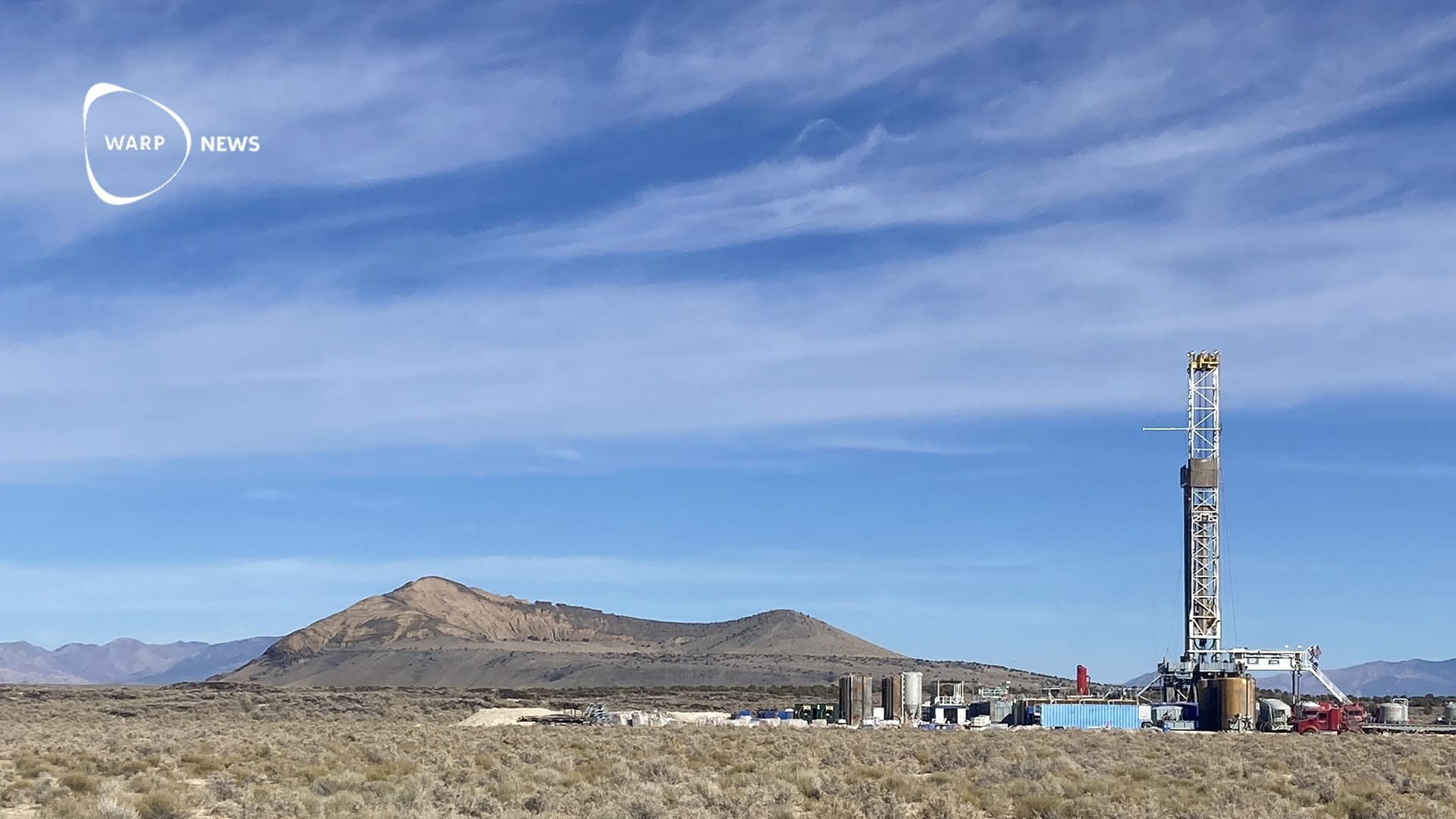
♨️ Geothermal power around the clock: Hot well in Utah shows the technology can scale up
Fervo Energy has drilled its hottest well yet at a new geothermal site in Utah, with measured temperatures exceeding 555°F at approximately 11,200 feet deep. Fervo pumps cold water underground, where it is heated by the Earth's natural heat. The water is then brought back to the surface.
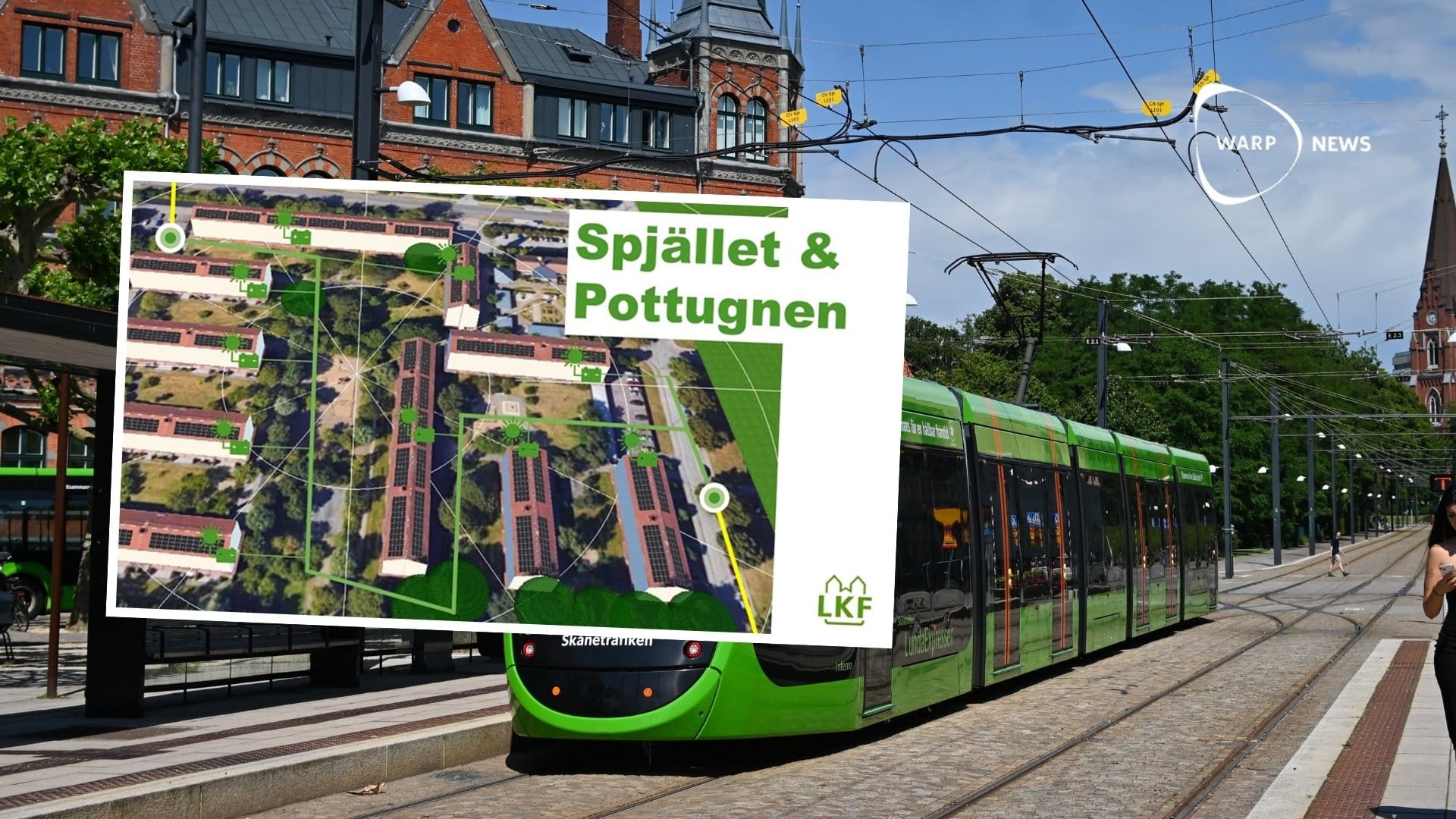
🔋 EnergyNet expands to 280 apartments in Lund
LKF is replacing 280 individual electricity subscriptions with a shared internal grid. Tenants will stop paying grid fees and instead pay only for their actual electricity consumption. The system enables locally produced solar power and stored battery energy to be shared directly between buildings.
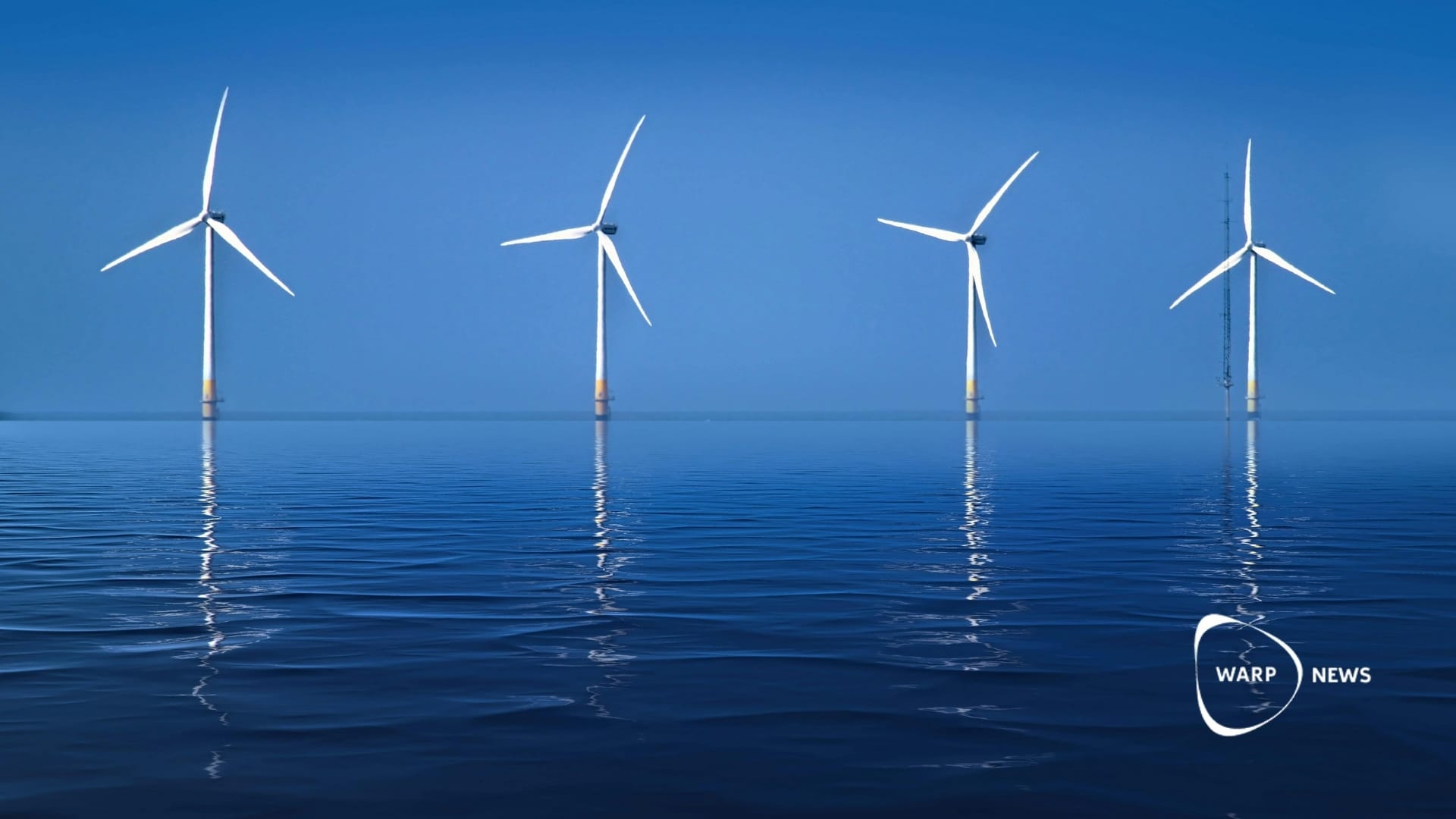
🌬️ Ten countries to build world's largest offshore power grid in the North Sea
The UK and nine other European countries have agreed to build a power grid in the North Sea with 100 gigawatts of offshore wind power, enough to supply 143 million homes. The agreement is expected to attract investments of 867 billion pounds and create 91,000 new jobs.
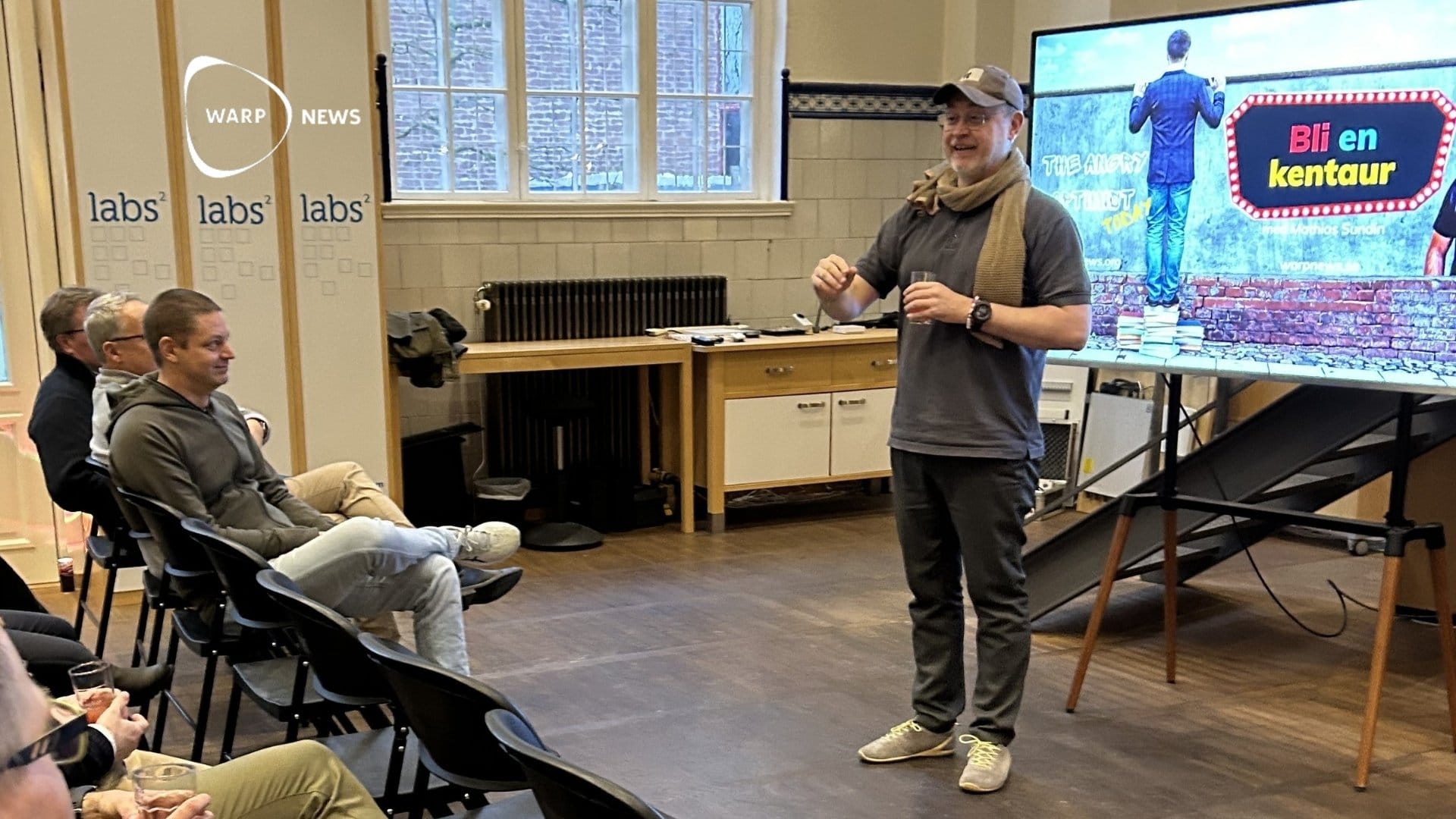
🎙️ Interview with Jonas Birgersson about EnergyNet & Project Energy Society
In the Volts podcast, Jonas Birgersson explains why today’s power grid is built for yesterday. What is referred to as EnergyNet in the conversation is Project Energisamhället in practice: a digital, local, electricity-first grid designed for electrification.
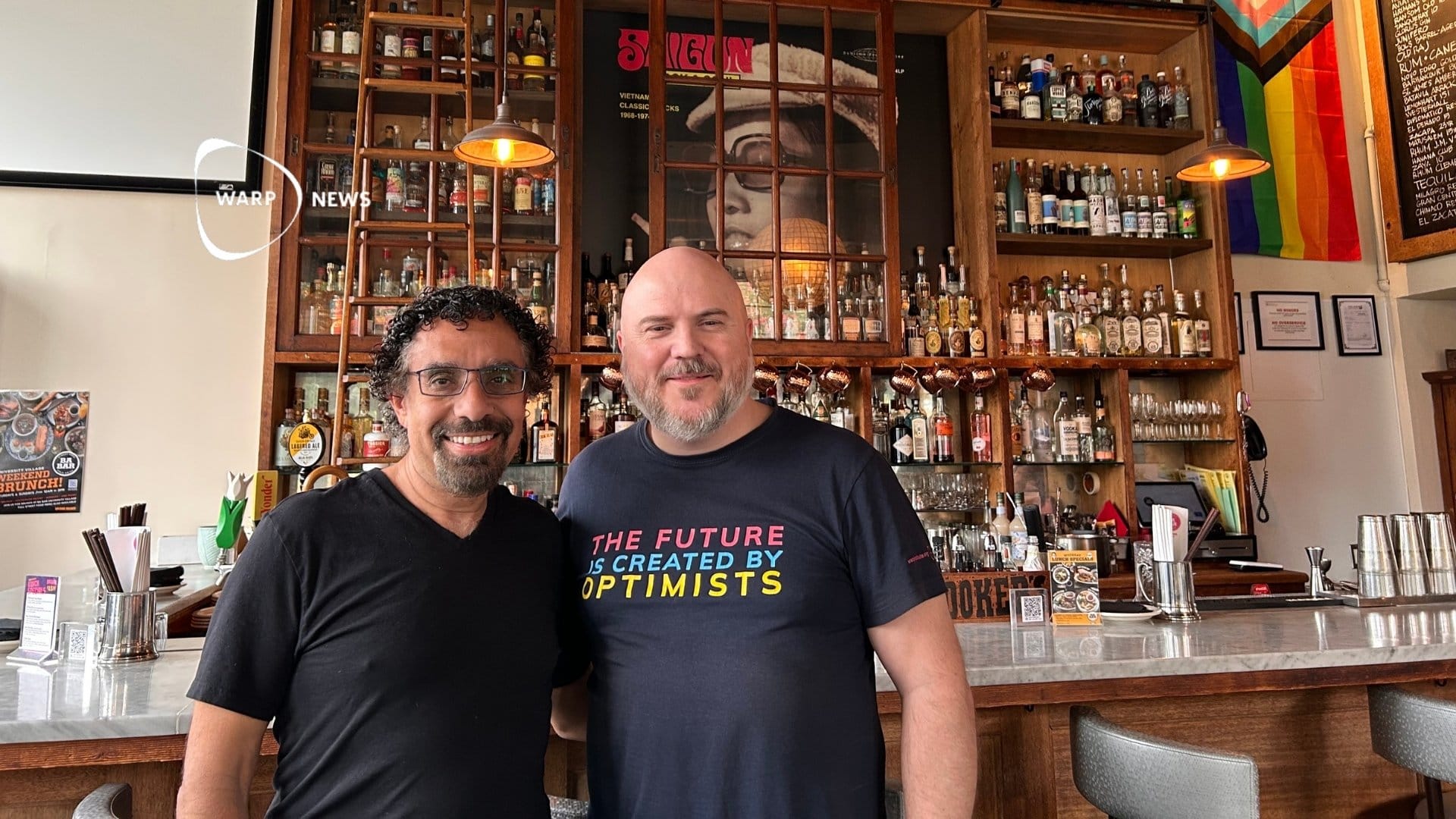
🍽️ The naive optimist who turned out to be right – lunch with Ramez Naam
Two failed hugs framed an interesting conversation with the polymath and renewable energy expert Ramez Naam.