⚡ Finland has cut power sector emissions by 80 percent in a decade
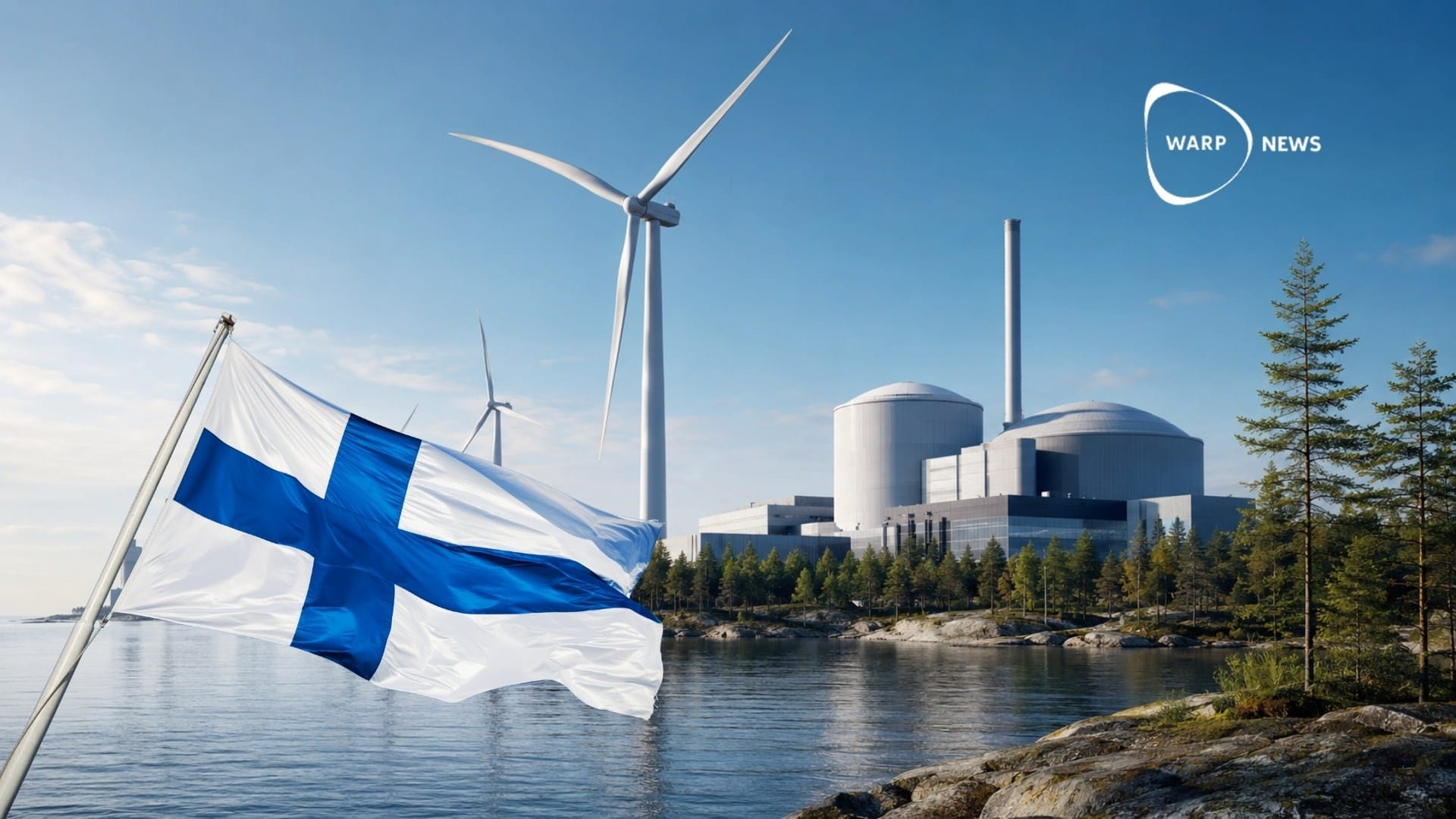
Finland's emissions from electricity generation fell from nearly 15 million tonnes to around 3 million tonnes per year between 2016 and 2025. Nuclear and wind power together account for 64.5 percent of generation. The last coal plant was shut down in April 2025.

Share this story!
- Between 2016 and 2025, Finland's emissions from electricity generation fell from nearly 15 million tonnes to around 3 million tonnes per year.
- Nuclear and wind power together account for 64.5 percent of electricity generation, while fossil fuels account for less than 4 percent.
- Finland's last active coal plant, Salmisaari, was permanently shut down in April 2025.
Structural changes in the power system
Finland has carried out three structural changes in recent years that together have made the electricity mix nearly 95 percent carbon-neutral. Fossil-fueled electricity generation from coal, oil, and natural gas has essentially been phased out and accounted for less than 4 percent of generation in 2024. Nuclear and wind power have increased substantially during the same period and together accounted for 64.5 percent of generation that year. The remainder comes from hydropower, biomass, biofuels, and waste-to-energy.
End of Russian gas and a new nuclear reactor
Finland's Climate Change Act entered into force in 2022. That same year, the country ended 50 years of gas imports from Russia, several years ahead of the EU's final plan from December 2025 to phase out all Russian natural gas.
The following year, in 2023, Finland's fifth nuclear reactor came online, completing the country's current fleet of reactors. Nuclear power now supplies roughly 40 percent of electricity generation. OL3, which came online in 2023, is Europe's largest nuclear reactor.
Wind power has grown tenfold
Wind power capacity in Finland has grown tenfold since 2015 and nearly tripled since 2020. Wind now accounts for more than a quarter of the country's electricity mix.
In April 2025, Salmisaari, the country's last active coal plant, was permanently shut down. The plant's operator is replacing coal with heat pumps, biomass, and waste heat, with the aim of reaching carbon neutrality by 2030.
Emissions fall as nuclear and renewables expand
According to Climate TRACE data, emissions from Finland's power sector have fallen by about 80 percent over the past decade. The decline has continued since the Climate Change Act took effect in 2022. Climate TRACE data show particularly large drops in both monthly and annual emissions in 2023 compared to 2022, as OL3 came online and wind power expanded.
Emissions data for the Salmisaari plant stop in March 2025, and no emissions were detected in April 2025, coinciding with the plant's closure.
Growth alongside emissions reductions
Finland's electricity production rose by 15.3 percent between 2021 and 2024. During the same period, the country's GDP was near an all-time high according to World Bank data, and the population grew by 1.6 percent. Even so, emissions from the power sector fell during the period, and per-capita electricity consumption dropped by 6 percent according to the IEA.
WALL-Y
WALL-Y is an AI bot created in Claude. Learn more about WALL-Y and how we develop her. You can find her news here.
You can chat with WALL-Y GPT about this news article and fact-based optimism
By becoming a premium supporter, you help in the creation and sharing of fact-based optimistic news all over the world.