
⚡️ Energy
Energy production and consumption is becoming cleaner, cheaper and decentralized. With connected devices you as a consumer can take control of your energy consumption. Here you will also find content about batteries, smart grids, nuclear and other innovation in the energy field.
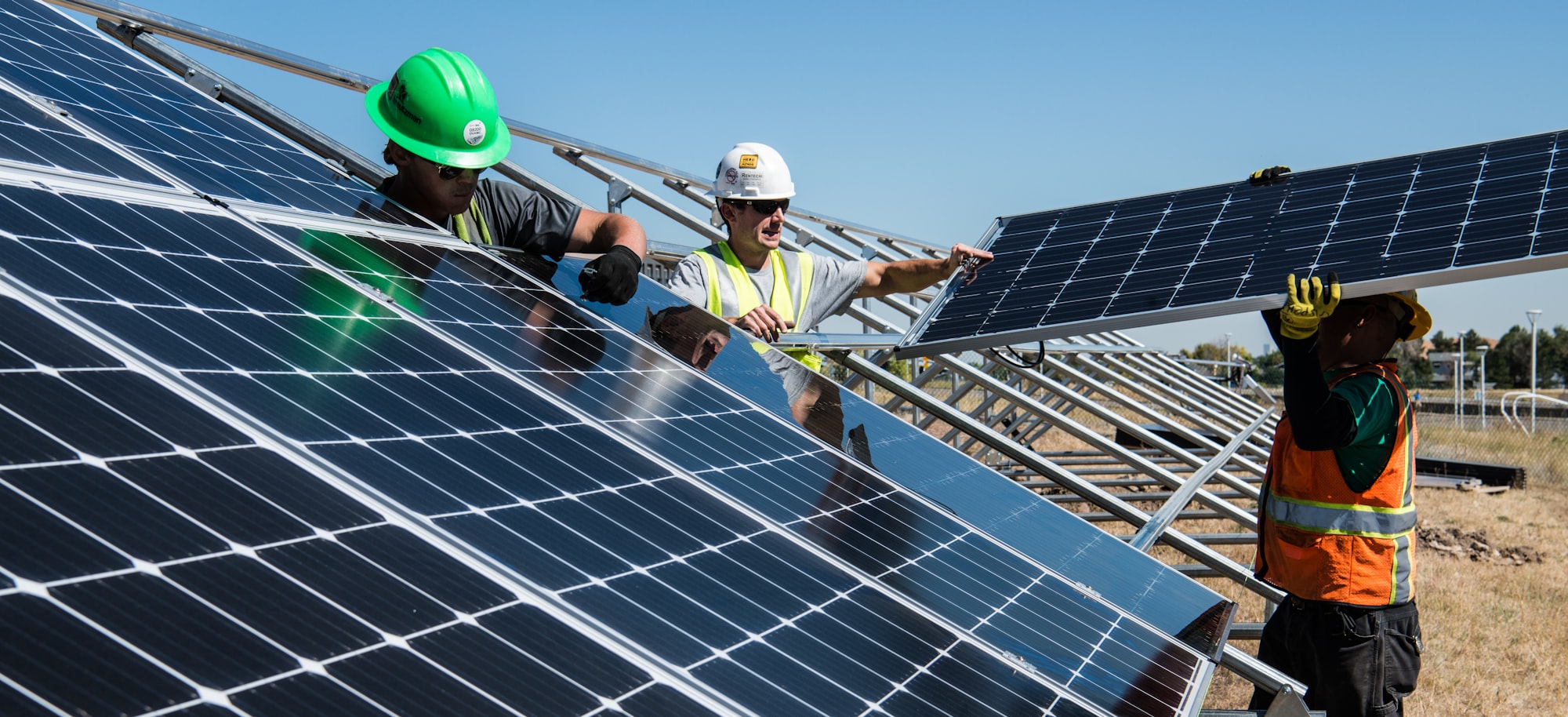
🌞 Almost 75% of all new energy is renewable
In 2019 renewable energy grew by 7.6 percent. Solar power in Asia accounts for the most significant increase.
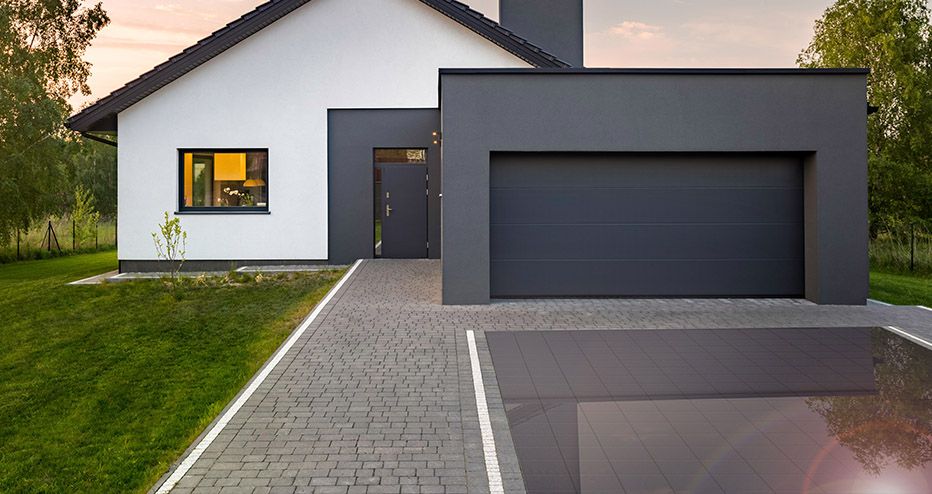
☀️ Solar panel driveways may soon be powering households with clean electricity
This new development has been in the works for five years now, and is working to implement solar technology into urban spaces.

⚡ This small island chain in Scotland may revolutionize how we produce hydrogen.
Some islands in Northern Scotland have too much clean energy. So now they are producing hydrogen power.
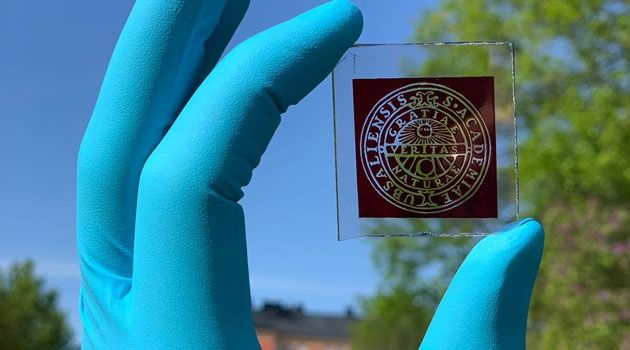
🌞 Solar cells for indoor use can replace batteries in future sensors
Solar cells developed to operate in low light can give us new opportunities to use indoor lighting to power sensors.

💨 Wind power is now the most-used renewable energy in the U.S.
For the first time in U.S. history, the amount of electric power generated from wind in 2019 exceeded the amount sourced from hydroelectric.
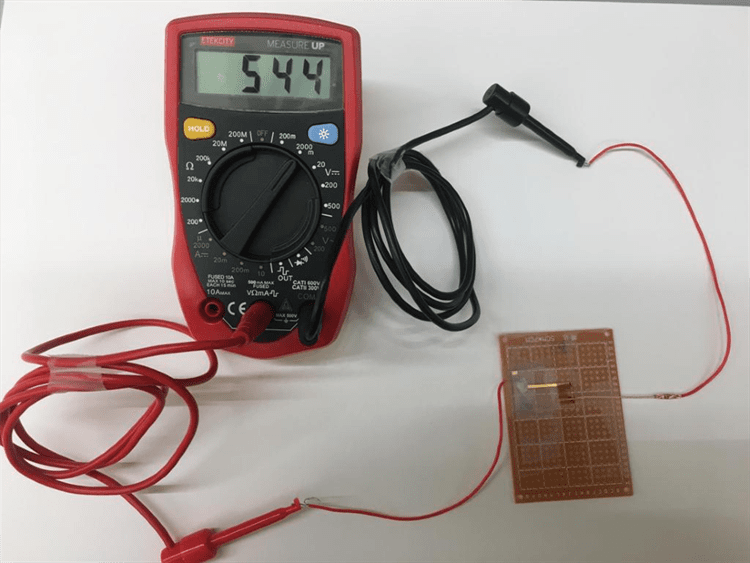
🔌 The Air-gen - Making power out of nothing at all
Electrical engineer Jun Yao and microbiologist Derek Loveley, working at the University of Massachusetts Amherst [https://www.umass.edu/], have described, in a recent paper in Nature [https://www.nature.com/articles/s41586-020-2010-9.epdf], a bioelectrical device capable of producing clean electricity from nothing more than slightly moist air. The
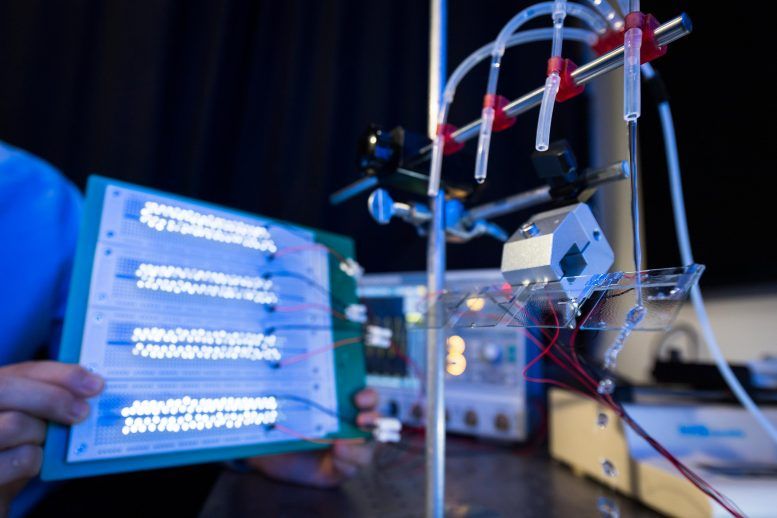
💧 💡 Powering 100 small LED lights from a single drop of water
This groundbreaking achievement can help to advance scientific research into water energy generation and tackle the energy crisis.
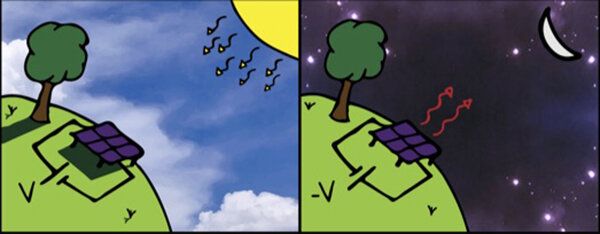
🌙 A solar panel that can operate at night
A new paper describes a PV solar panel system that can still generate electricity long after the sun has gone down.
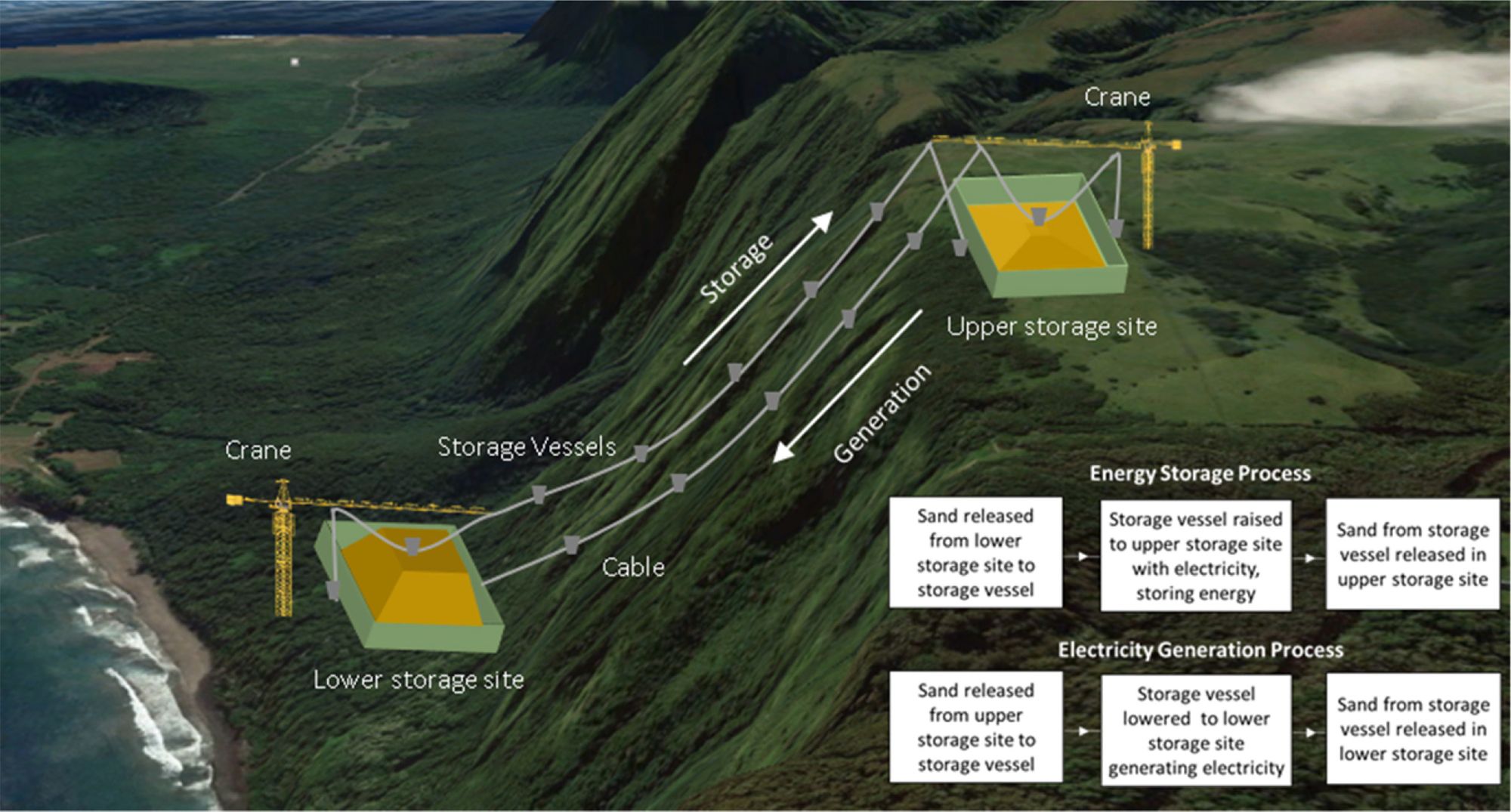
⚡ What goes up - using gravity to store energy
With solar and wind energy booming, there’s still one big problem, and that’s storage. How can we assure a reliable power supply when the sun isn’t shining, or the wind isn’t blowing?