
⚡️ Energy
Energy production and consumption is becoming cleaner, cheaper and decentralized. With connected devices you as a consumer can take control of your energy consumption. Here you will also find content about batteries, smart grids, nuclear and other innovation in the energy field.
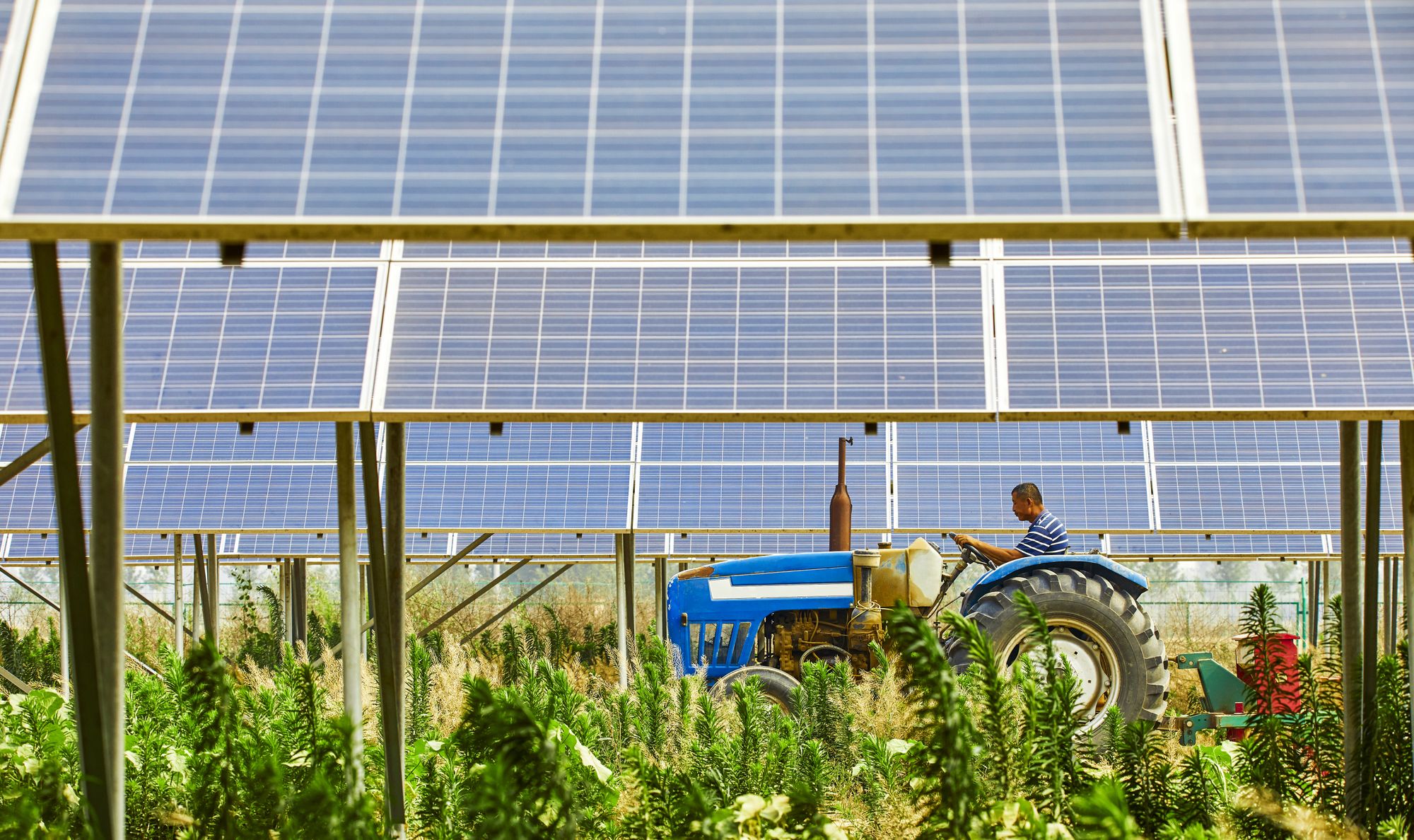
🐢 Animals and plants thrive underneath solar panels
According to new research, both animals and crops in arid climates benefit from the shade produced by solar panels.
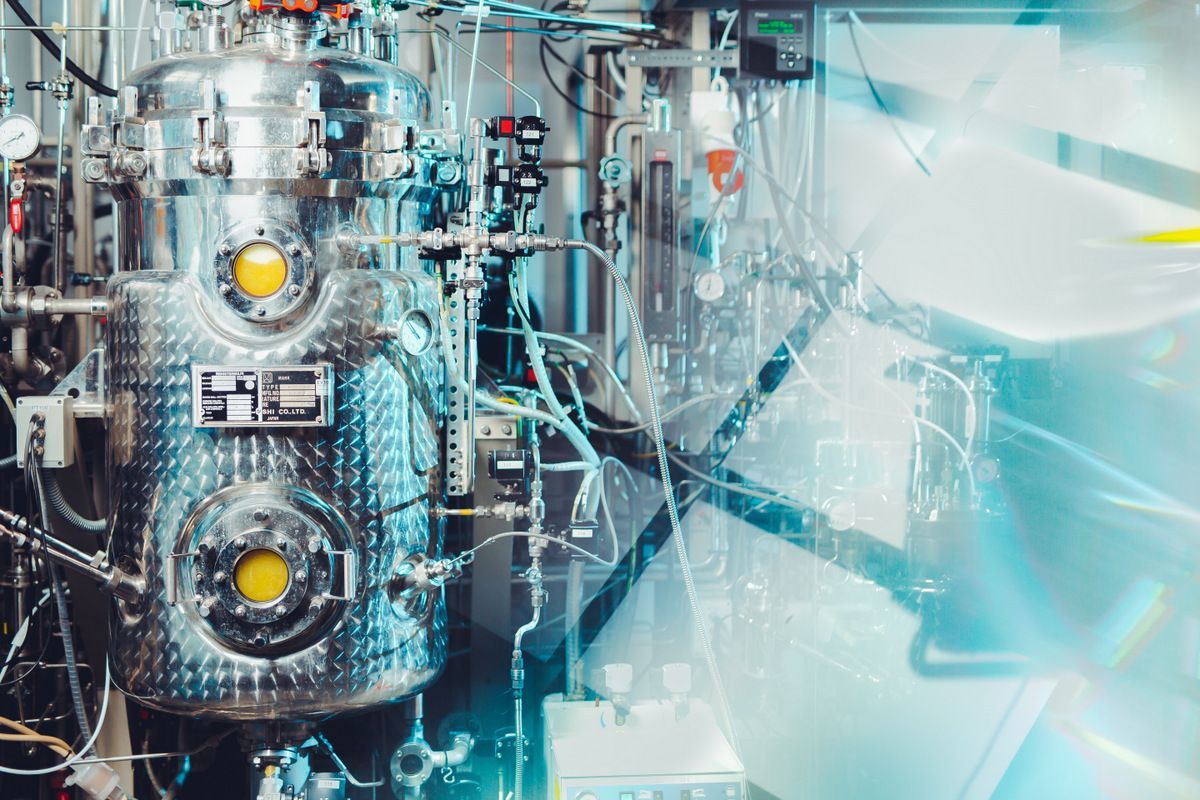
☀️ Solar Foods makes protein from air and electricity
Food production without agriculture. Finnish Solar Foods plans to achieve this with its unique innovation.
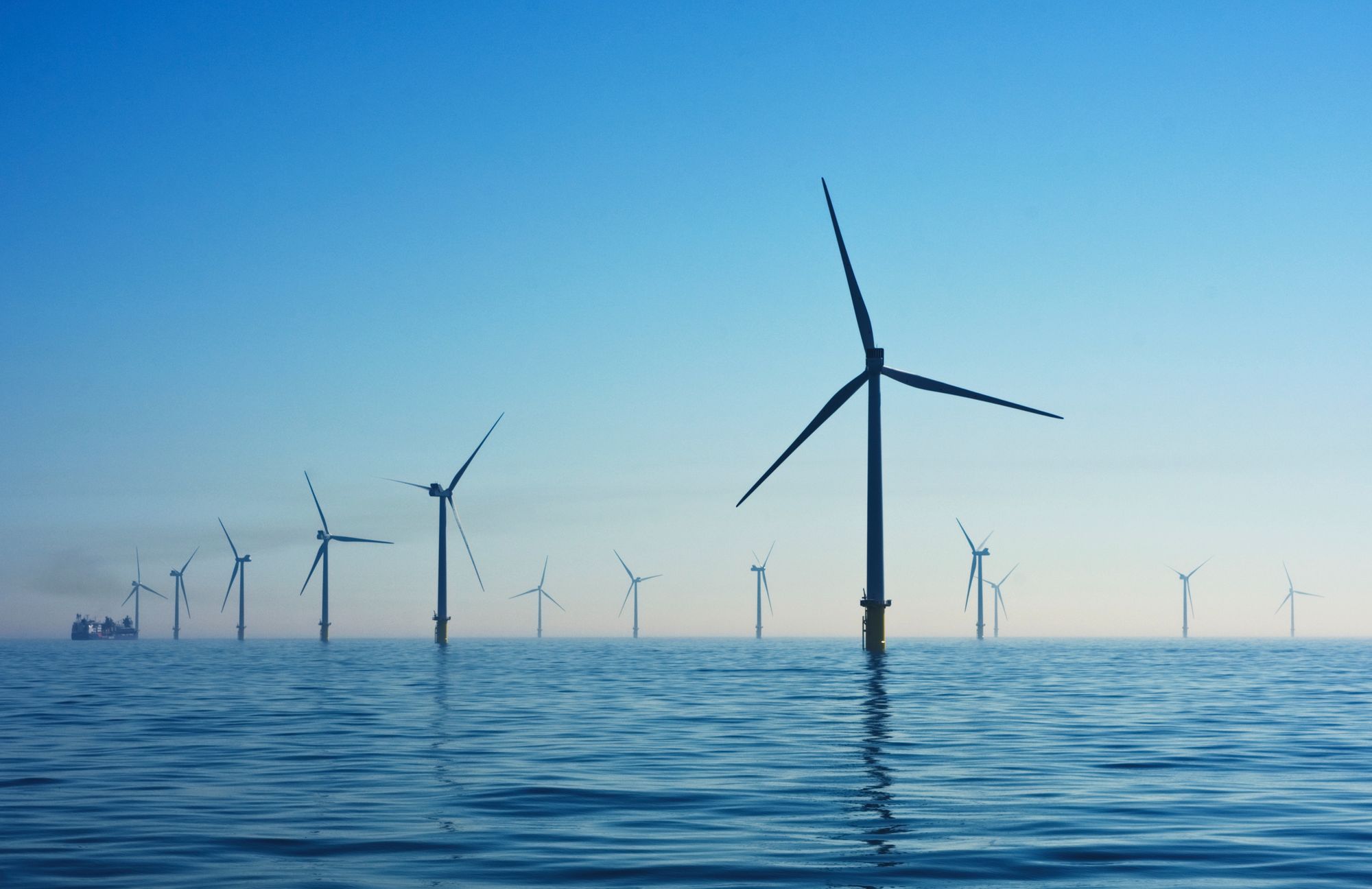
⚡ Work has begun on building the world's largest offshore wind farm
Upon completion, the massive project will generate enough power to supply 4.5 million homes annually. That's the equivalent of about 5% of the United Kingdom's total estimated energy generation.
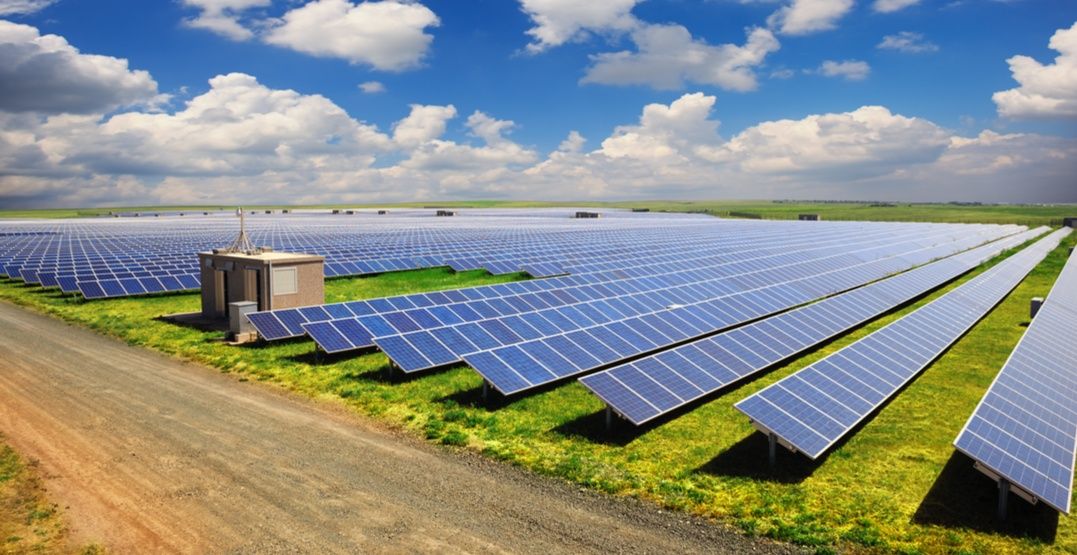
☀️ Alberta, Canada is launching one of the world's largest solar farms
The project will utilize about 2.5 mm PV modules across 4,700 acres. It is expected to power as many as 110,000 homes and offset 472 tons of greenhouse gas emissions annually.

🏭 Goldman Sachs will no longer fund new coal projects
Goldman Sachs announces that it will no longer fund new coal projects. They will also not fund any extraction projects in the Arctic.
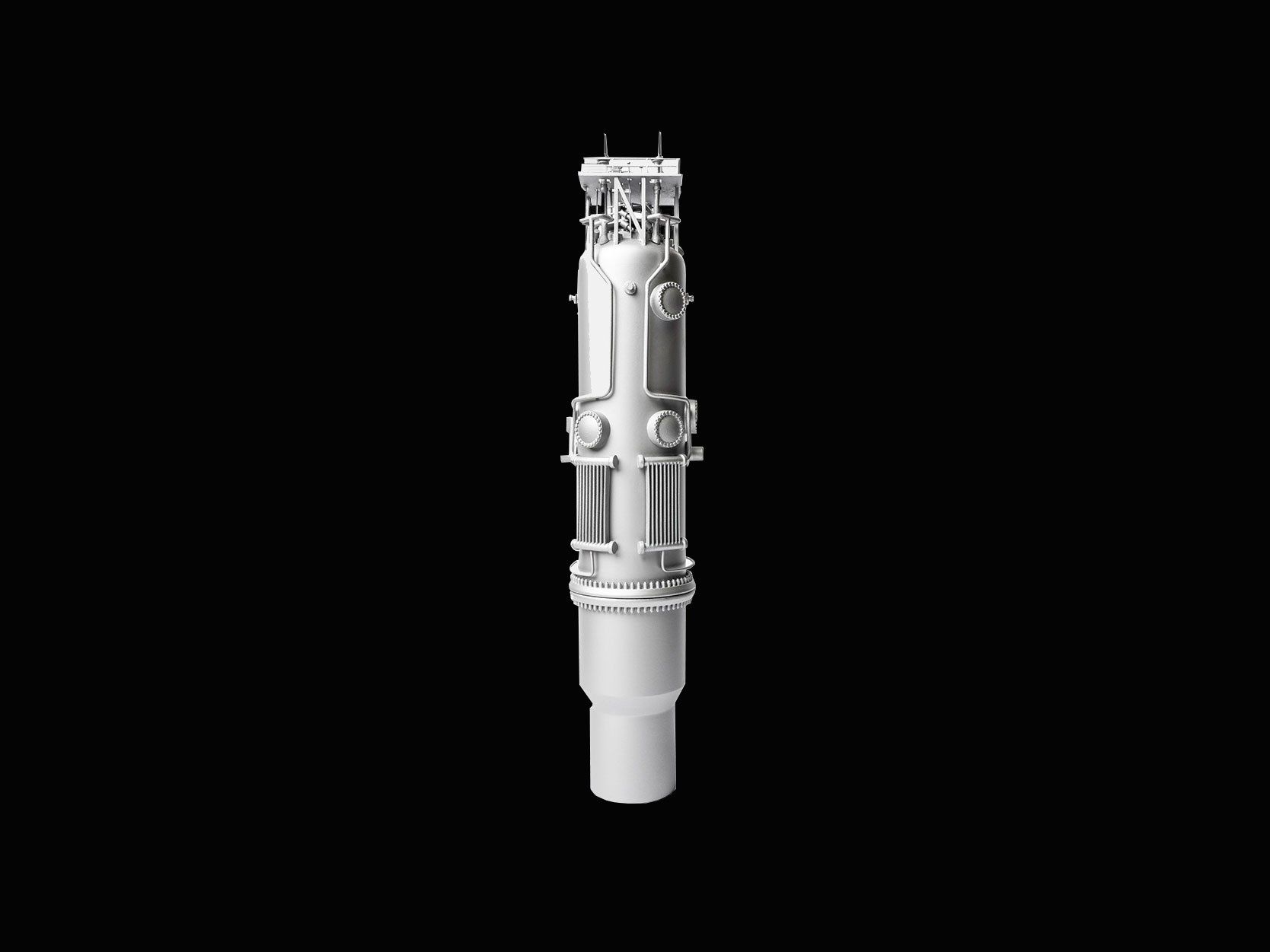
☢️ A new generation of nuclear reactors is coming. They are safer - and tiny.
Most likely nuclear energy will be an essential part of decarbonizing the world’s electricity. But new plants are expensive and the technology much criticized. Enter the small modular reactor, designed to allow several reactors to be combined into one unit.
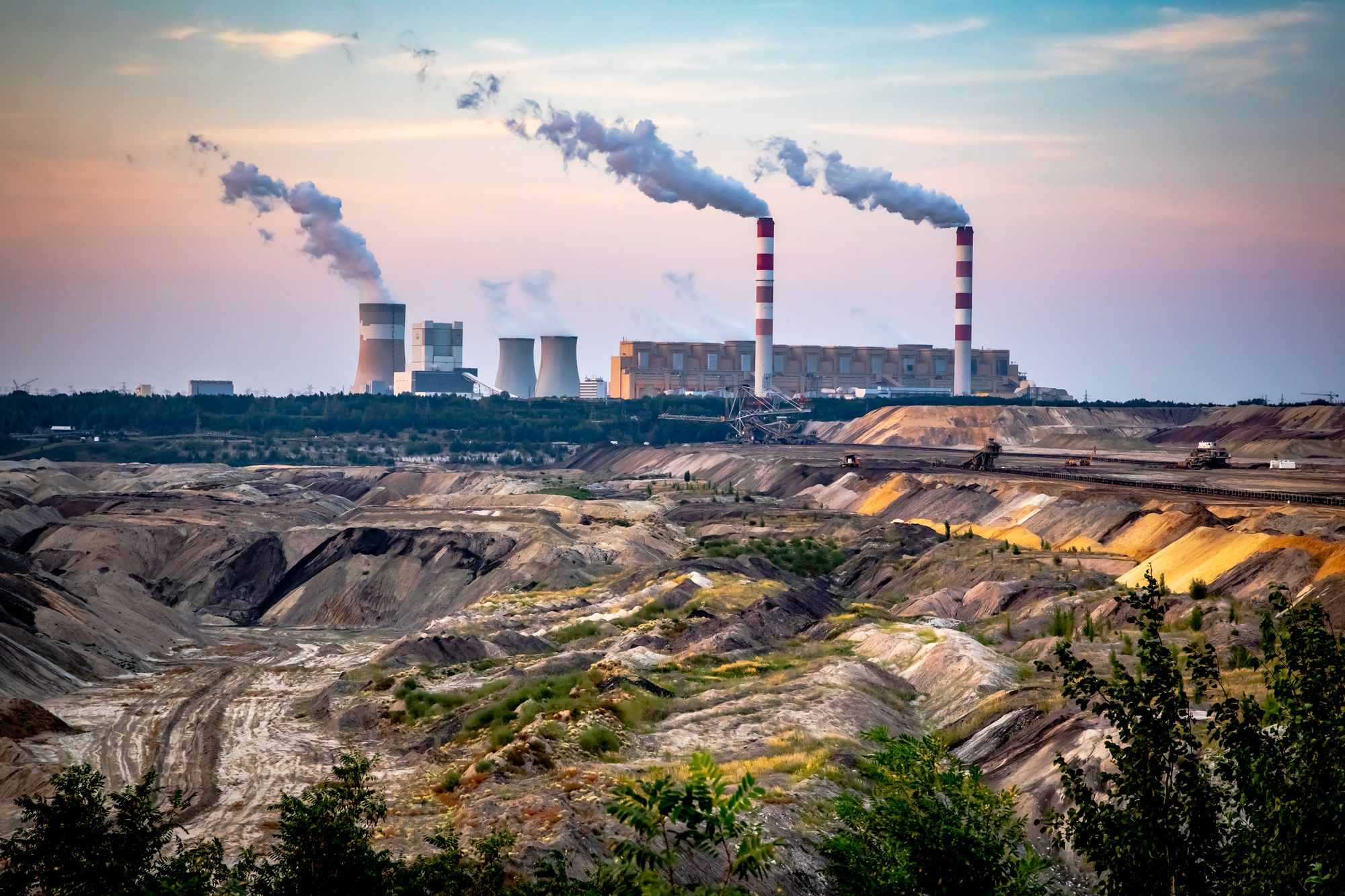
🏭 European coal power output in steep decline
The European Union has seen an unprecedented 19% year-on-year decline in coal-fired power generation in the first half of 2019.

🌊 🔋 A water battery is cutting electric costs nearly in half
A giant, 3-story water battery has been in use at an Australian University [https://www.usc.edu.au/], powering its air conditioning systems, and has already cut electrical usage by a whopping 40%. A first of its kind, the battery stores energy generated by the 6,000 solar panels placed
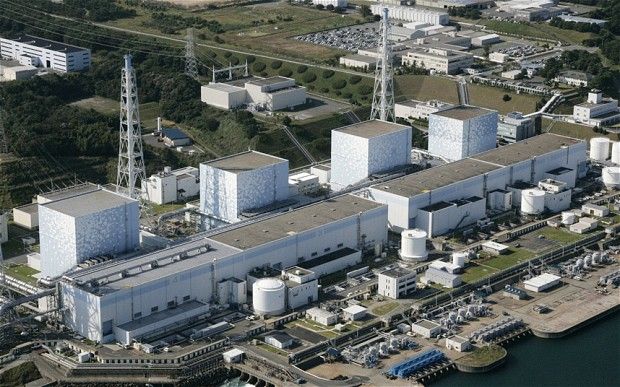
⚡ Japan has a monumental plan to reinvent Fukushima as a renewable energy hub
Japan has plans in place to convert the devastated areas of Fukushima into a hub for renewable energy, replacing the former nuclear plant with solar and wind farms.