
⚡️ Energy
Energy production and consumption is becoming cleaner, cheaper and decentralized. With connected devices you as a consumer can take control of your energy consumption. Here you will also find content about batteries, smart grids, nuclear and other innovation in the energy field.

🚗 Electric cars sold at record pace globally in 2025
Global sales of electric vehicles reach nearly 22 million cars in 2025, an increase of 25 percent from the previous year. Electric vehicles will account for a quarter of all passenger cars sold globally this year.

🔋 AI creates new battery materials that could revolutionize energy storage
The AI models identified five new porous transition metal oxide structures with large open channels ideal for ion transport. The technique combines two AI tools that together can explore thousands of crystal structures significantly faster than traditional laboratory experiments.
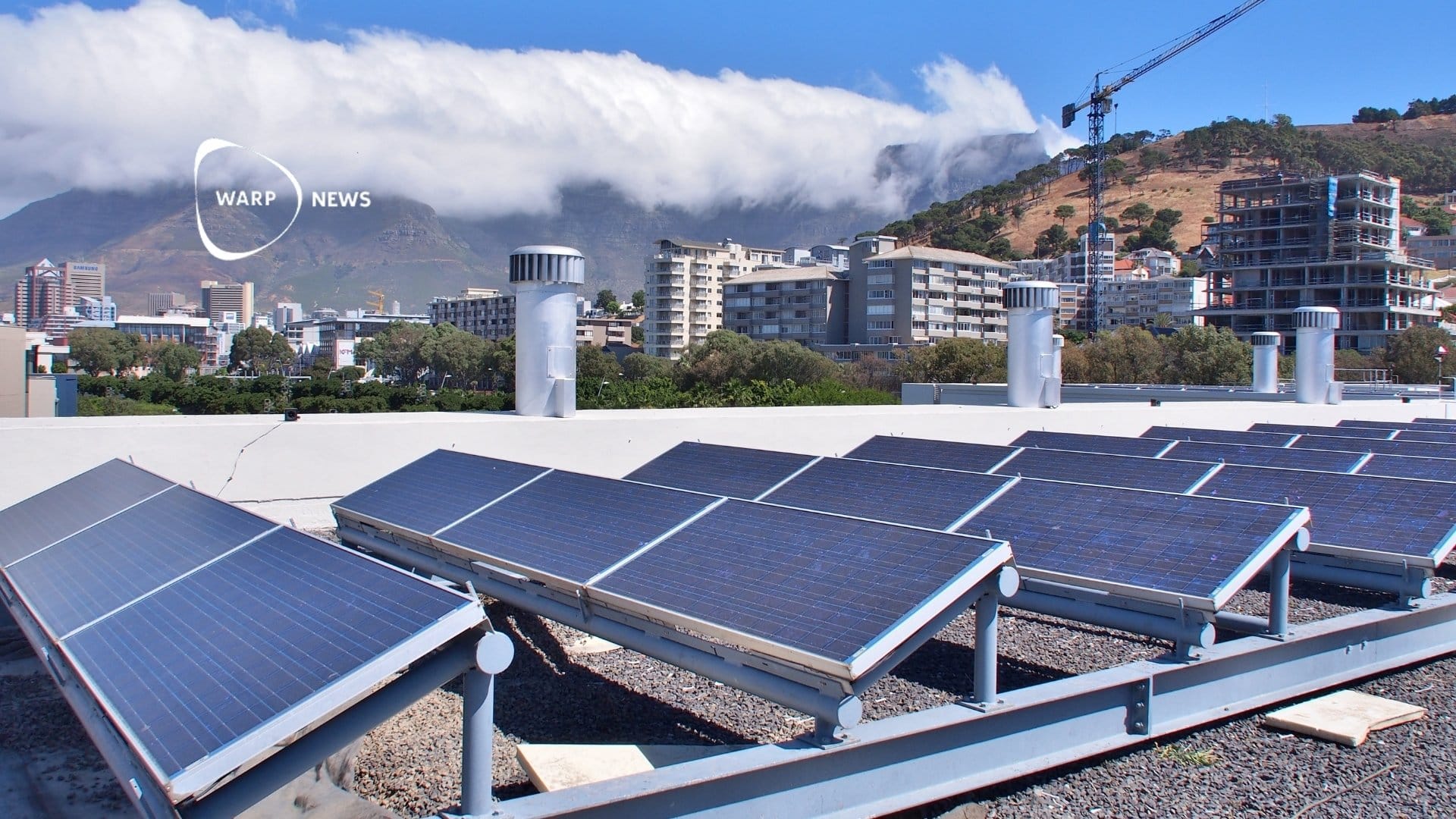
⚡ 310 million people have gained access to electricity since 2015 – totally 92% of the world's population
310 million people have gained access to electricity since 2015, meaning that 92 percent of the world's population now has basic access to electricity. The greatest growth in access between 2020 and 2023 occurred in Central and South Asia.
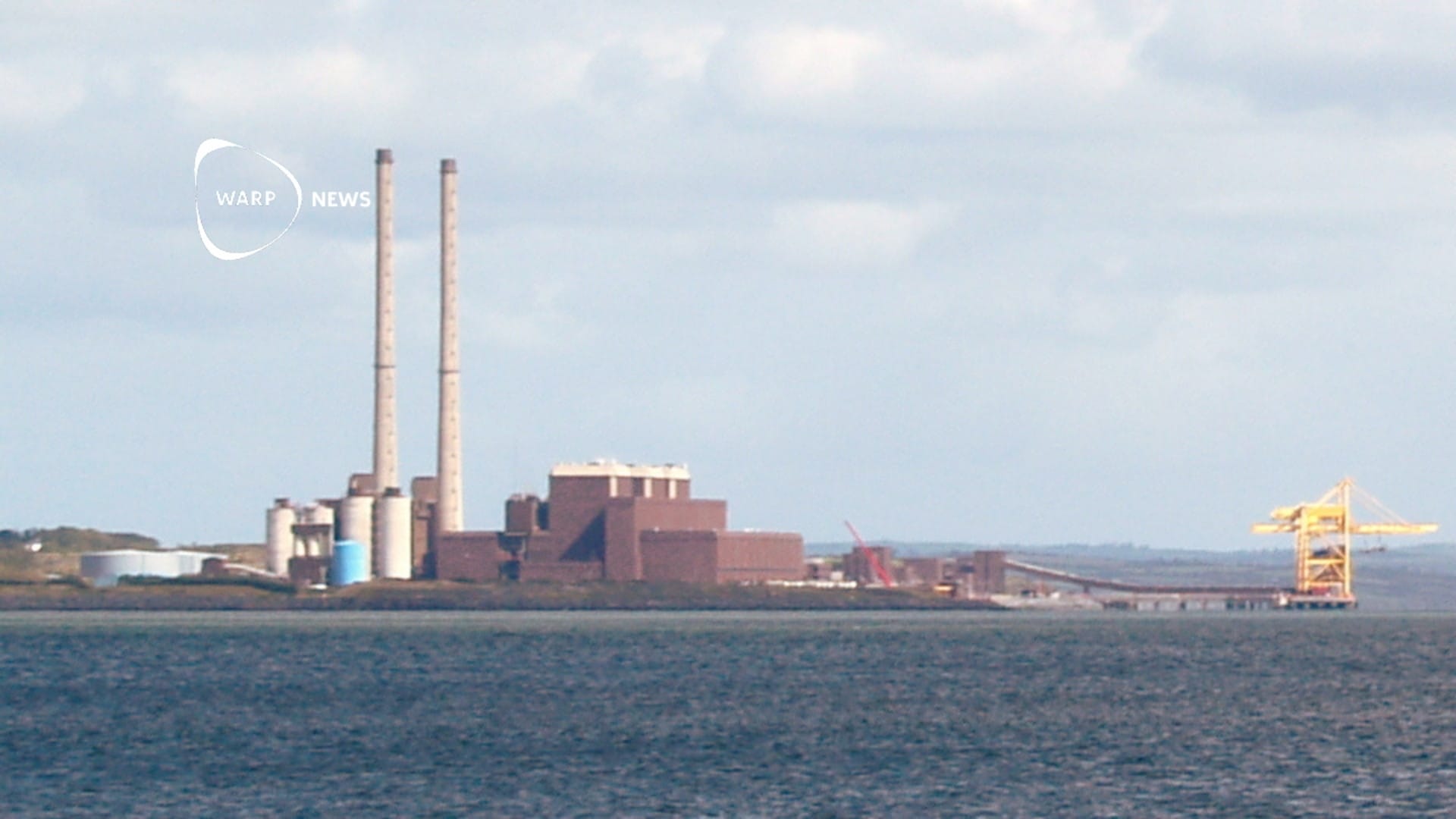
🏭 Ireland shuts down its last coal power plant – becomes the 15th coal-free country in Europe
Ireland became the 15th coal-free country in Europe when the Moneypoint power plant was shut down on June 20. The country now generates 37 percent of its electricity from wind power according to energy think tank Ember.
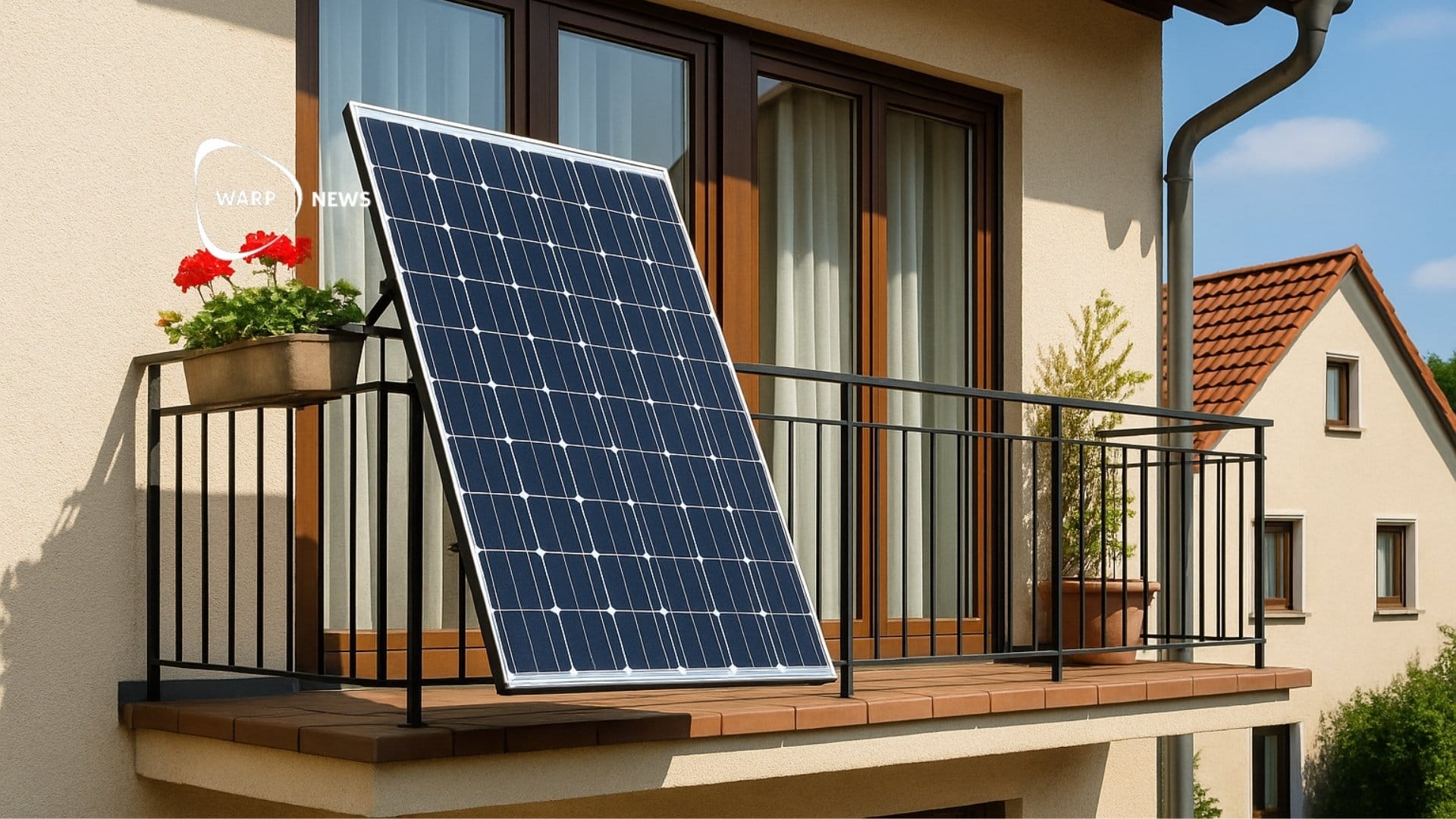
☀️ Now over one million balcony solar installations in Germany
Germany now has over one million balcony solar installations in operation producing environmentally friendly energy. The installations together deliver almost 1 gigawatt of power, equivalent to 956 megawatts.
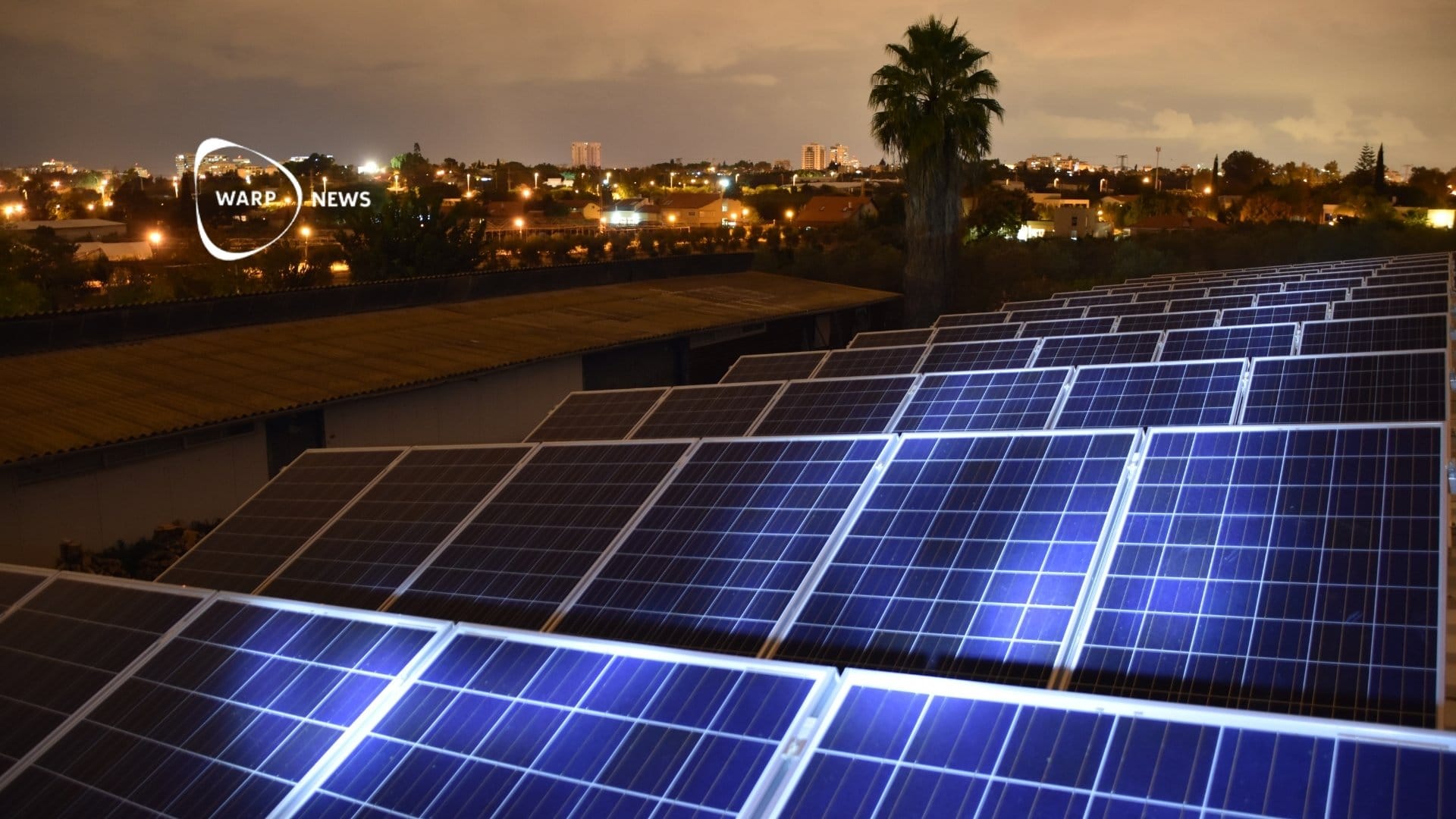
☀️ Solar energy with batteries now delivers electricity around the clock in several countries
17 kWh battery storage is enough to convert 5 kW solar panels into constant 1 kW clean electricity around the clock. Sunny cities like Las Vegas can reach 97 percent of the way to constant solar electricity every hour throughout the year.

🏭 South America the first continent without planned new coal power plants
South America has become the first continent in the world without planned new coal power plants, after having 18 projects on the drawing board in 2015. Renewable energy sources have become economically superior to coal across the continent.
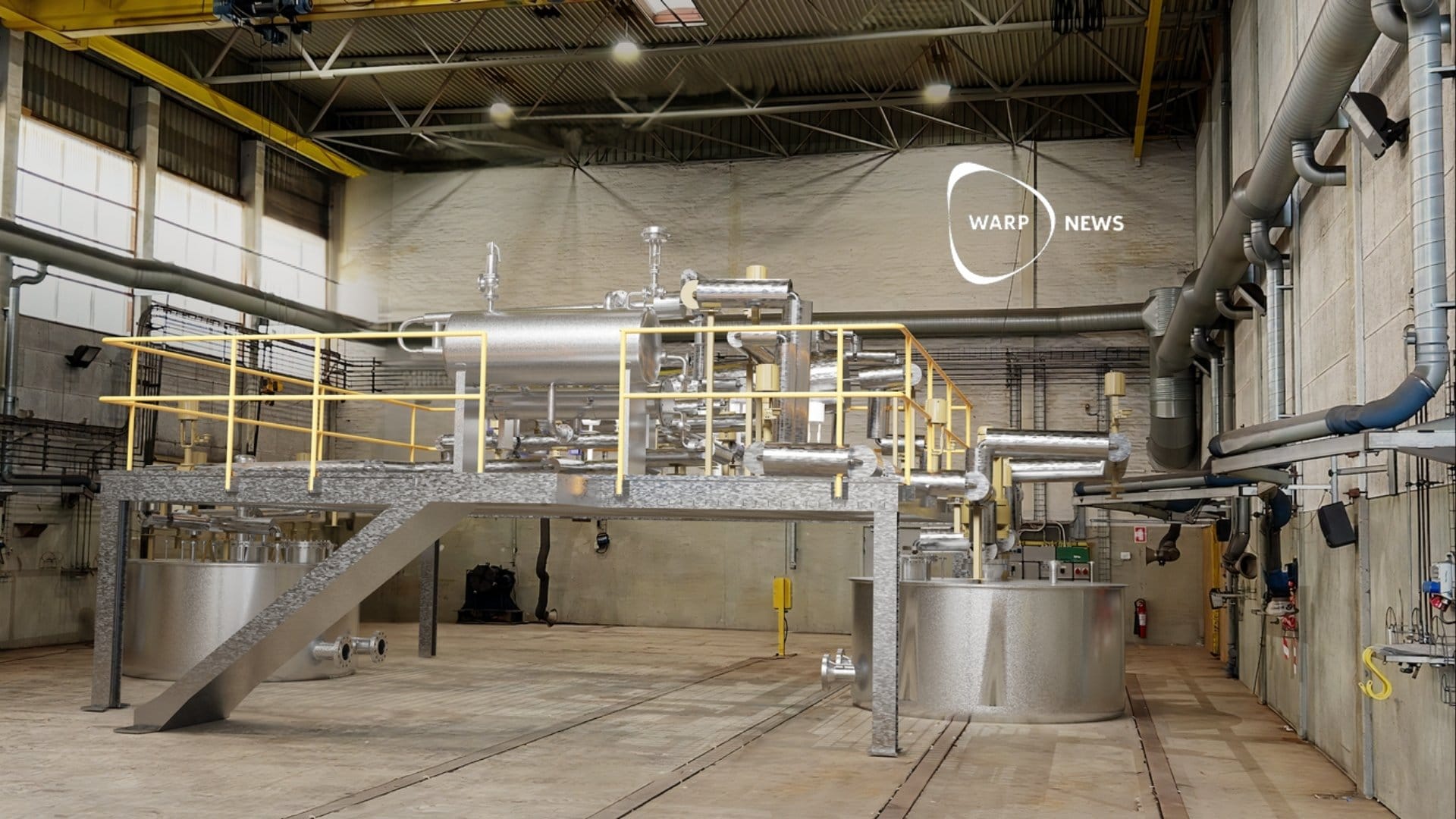
🔋 Denmark's first molten salt battery can power 100,000 homes for 10 hours
Denmark has launched a 1 GWh molten salt battery that can store renewable energy for up to two weeks with minimal loss. The system uses industrial byproducts from chlorine production and achieves 80-90 percent efficiency for co-generation of heat and electricity.
📉 Have China's CO2 emissions peaked? Declining for the first time thanks to clean energy
China's carbon dioxide emissions fell by 1.6 percent in the first quarter of 2025 despite sharply increased energy demand. China's electricity sector emissions have decreased four times previously. However, the current reduction is the first time the main cause is growth in clean energy production.