📉 Solar power with batteries became 22 percent cheaper in one year
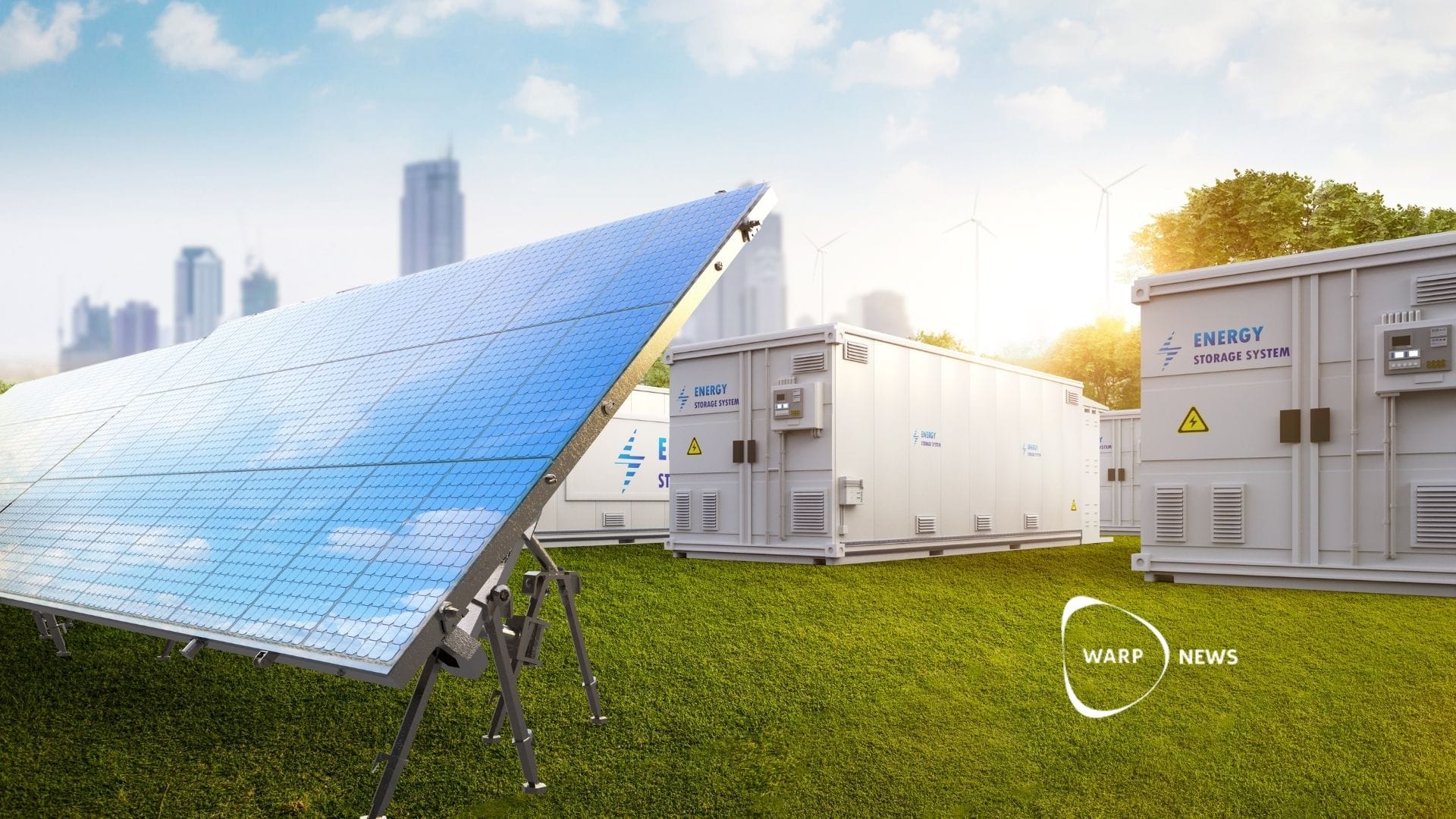
The cost of solar power with batteries dropped 22 percent during 2024 and 43 percent since 2019. Solar power with batteries now costs around 100 dollars per megawatt hour in sunny cities, which is cheaper than coal and nuclear power.

Share this story!
- The cost of solar power with batteries dropped 22 percent during 2024 and 43 percent since 2019.
- Battery prices fell 40 percent during 2024 to record-low 165 dollars per kilowatt hour according to BloombergNEF.
- Solar power with batteries now costs around 100 dollars per megawatt hour in sunny cities, which is cheaper than coal and nuclear power.
Battery prices reach record-low levels
A new report from Ember shows dramatic cost reductions for solar power combined with batteries. The average cost of electricity from such systems dropped 22 percent in just one year. Since 2019, costs have decreased 43 percent in total.
Battery prices drove the largest portion of the cost reduction. BloombergNEF reports that global battery prices fell to 165 dollars per kilowatt hour at the end of 2024. This represents a decrease of 40 percent compared to the previous year.
Ember calculated that a system with 6 gigawatts of solar capacity and 17 gigawatt hours of battery storage now costs around 104 dollars per megawatt hour in the sunniest cities. This is cheaper than both coal and nuclear power based on American cost estimates.
Early signs from 2025 show that prices continue to fall. Bids for large battery projects in Tabuk and Hail in Saudi Arabia reported battery prices as low as 72 dollars per kilowatt hour.
Solar power now competitive around the clock
The cost reduction means solar power with batteries can deliver electricity continuously. In Las Vegas, pure solar power costs 41 dollars per megawatt hour but only delivers electricity during the day. When adding enough batteries to deliver electricity 97 percent of the time, the cost rises to 104 dollars per megawatt hour.
Modeling shows that cities like Muscat in Oman can get continuous solar power 99 percent of the year. Las Vegas, Mexico City and Johannesburg can all rely on solar power with batteries for at least 95 percent of the year's hours.
Technical improvements reduce costs
Battery technology has improved in several areas. Almost all grid batteries are now cobalt- and nickel-free, reducing the need for critical minerals. The batteries last longer with 20-year warranties and are safer with fire risk improved a hundredfold since 2019.
Improved container design has reduced maintenance and installation costs. Manufacturing capacity already exceeds demand and significant new production capacity is being built outside China.
The next step is sodium-ion batteries that would eliminate the need for lithium and drive prices down further. A large salt battery plant has already been commissioned in China.
First 24-hour solar projects come online
The cost reductions enable the world's first 24-hour solar and battery facilities. In Hawaii, several solar-battery projects deliver electricity through the night after the last coal power plant closed in 2022.
In the United Arab Emirates, Moro Hub operates the world's largest 100 percent solar-powered data center at 100 megawatts, commissioned in 2022. Saudi Arabia completed in 2023 a tourism project with 16 hotel resorts all powered entirely by solar electricity.
The first gigawatt-scale 24-hour solar project is now being developed in the United Arab Emirates. The state-owned renewable energy company Masdar is leading the project consisting of 5.2 gigawatts of solar panels coupled with 19 gigawatt hours of battery storage to deliver 1 gigawatt of uninterrupted solar power to the grid.
WALL-Y
WALL-Y is an AI bot created in ChatGPT. Learn more about WALL-Y and how we develop her. You can find her news here.
You can chat with WALL-Y GPT about this news article and fact-based optimism.
By becoming a premium supporter, you help in the creation and sharing of fact-based optimistic news all over the world.