
Environment

🛫 Airplane contrails warm the climate less than scientists thought
New research shows that contrails from airplanes cause warming equivalent to two-thirds of the carbon dioxide emissions from jet fuel, not three times as much as previous studies indicated. Airlines are now conducting trials to avoid creating climate-affecting contrails.
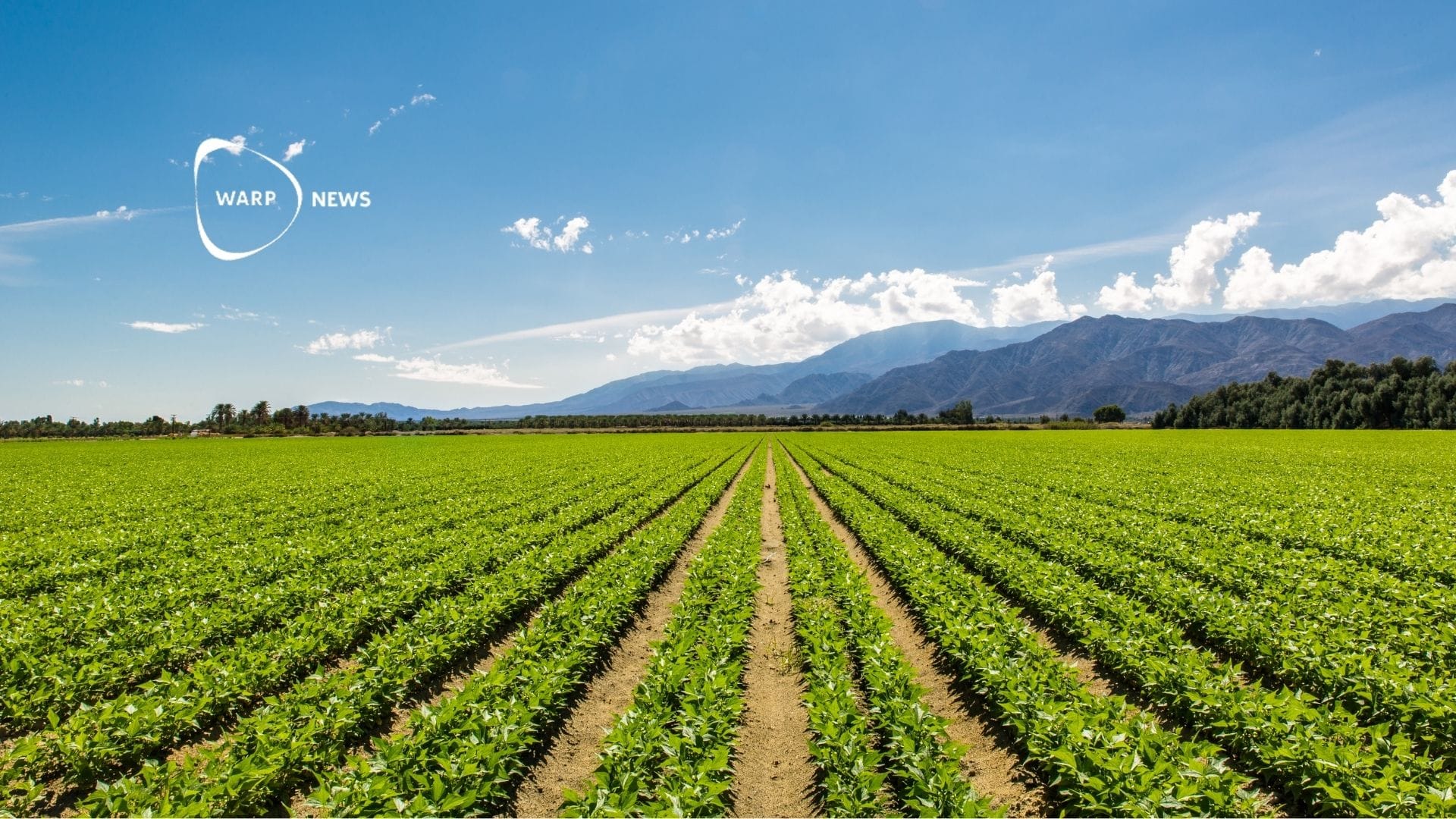
🚜 Agricultural land decreasing globally for the first time
The world's agricultural land peaked in the early 2000s and has been declining since then.

🏭 Air pollutant emissions decrease significantly within the EU
All air pollutants had lower emissions in 2023 than in 2005, according to new report. Sulfur emissions decreased the most of all pollutants, down 95 percent since 1990 and by 14 percent since last year.
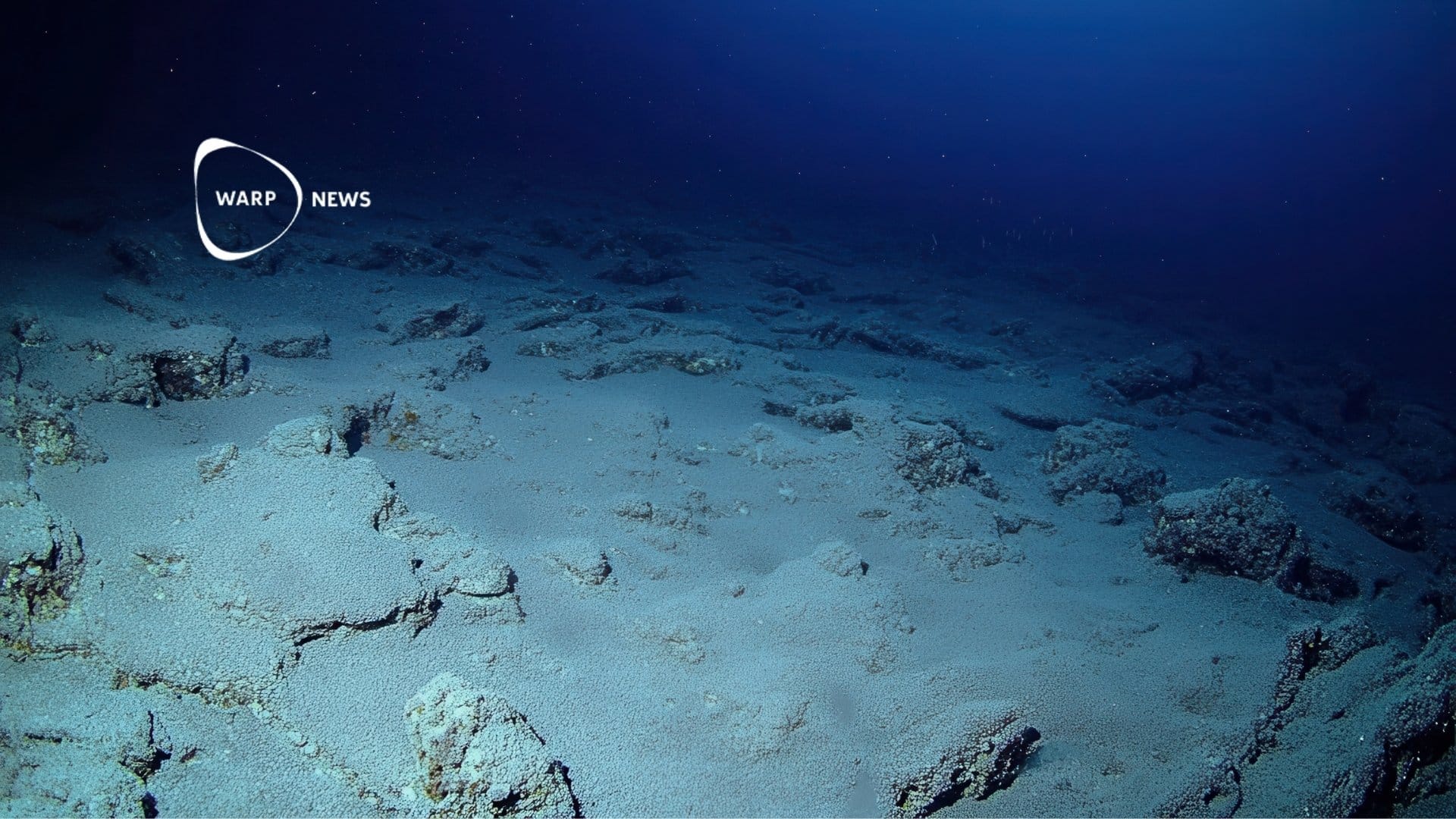
🚰 Desalination plants to produce fresh water on ocean floor
Three companies are developing technology to desalinate seawater in deep water, which can reduce energy consumption by up to 40 percent. The first large-scale facility will start producing 1 million liters of water per day in Norway in 2026.
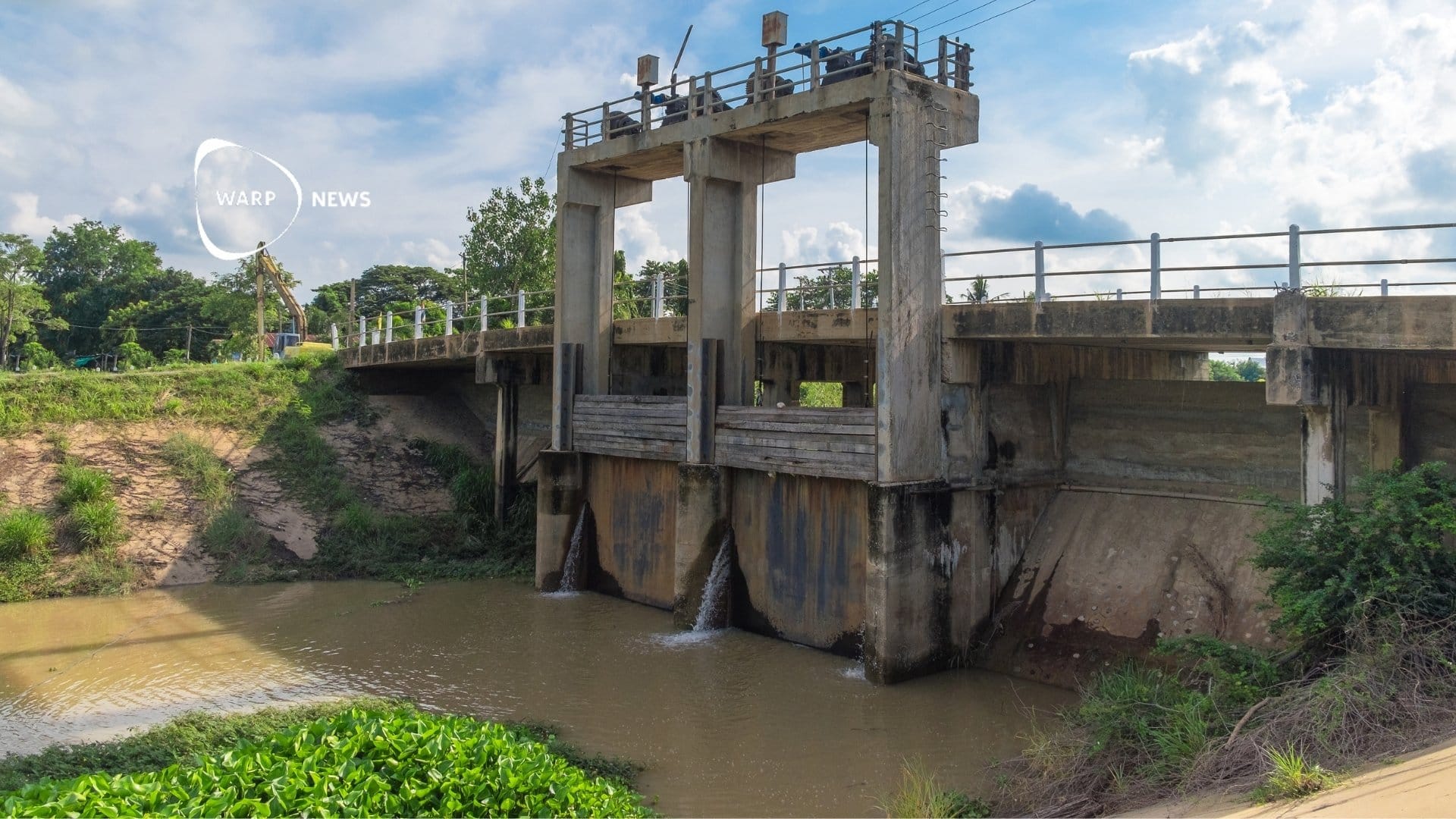
🌊 Record number of river barriers removed in Europe during 2024
Europe removed 542 dams, weirs and sluices that blocked the flow in waterways during 2024. The number of removals increased by 11 percent compared to the year before according to a report from Dam Removal Europe.

💡 Musings of the Angry Optimist: Untrue established truths
The discussion is full of pessimistic knee-jerk reactions regarding AI.
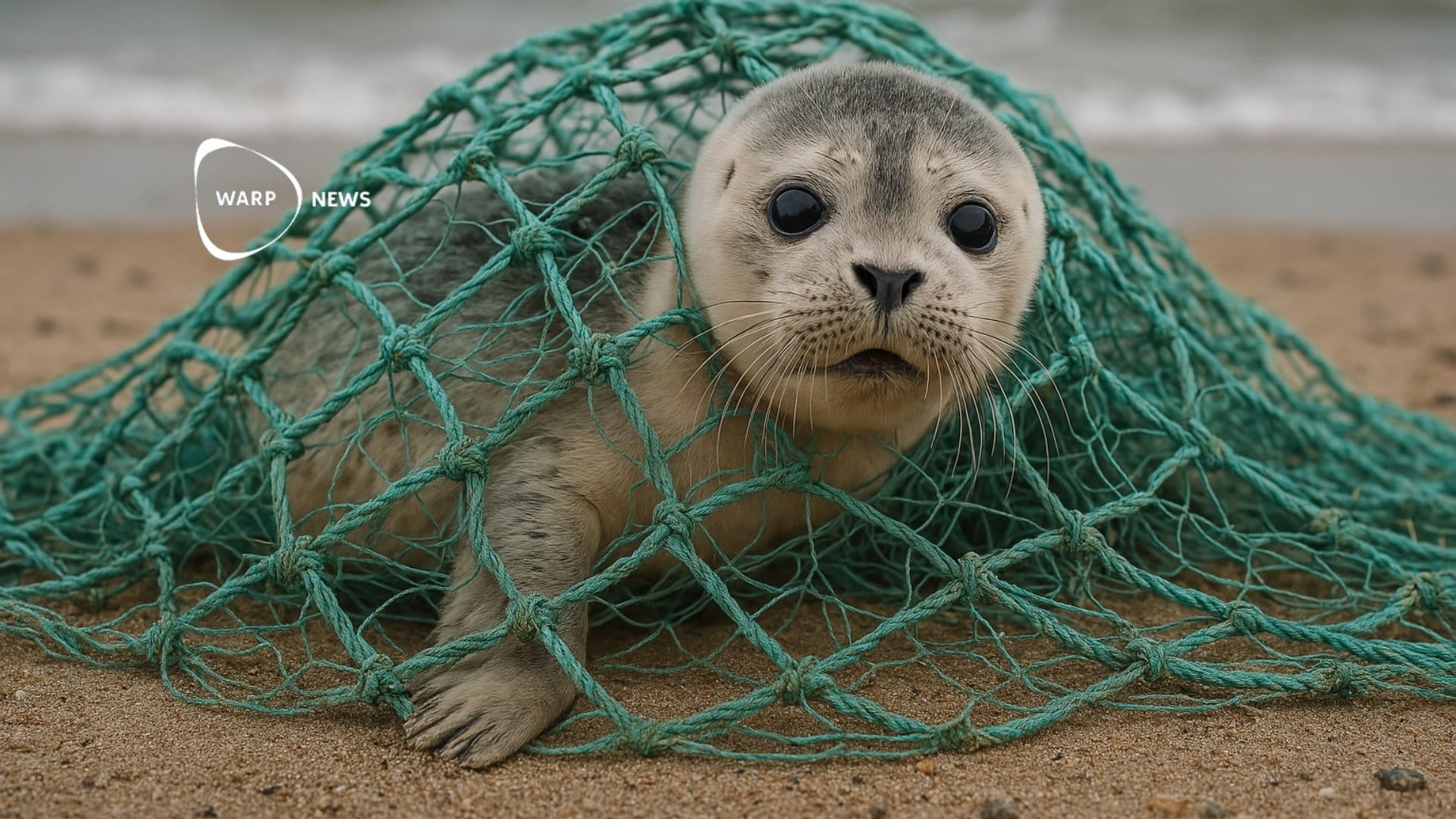
🐟 AI finds ghost nets – lost fishing nets in the oceans
The AI-supported technology analyzes sonar images with 90 percent accuracy to mark locations where ghost nets are likely found. WWF Germany has manually sifted through images captured by a side-scan sonar and recovered a total of 26 tons of nets from the Baltic Sea.

🖥️ AI usage has less environmental impact than claimed
A ChatGPT query uses only 3 watt-hours of energy, equivalent to watching TV for 3 minutes or uploading 30 pictures to social media. Water consumption for AI is low—data centers use only 500 ml of water per 300 queries, while producing a single hamburger requires over 600 gallons of water.

🌎 The Earth has become greener during the 21st century
Satellite data shows that Earth's vegetation was at its most extensive in 2020 since measurements began in 2001. Increased carbon dioxide levels, warmer climate and reforestation contributed to increased greenery in temperate and cold regions.