
✍🏼 Essays
Every week you get a thought-provoking essay on how you can understand and create the future.

🤗 The power of sharing: owning less but enjoying more
Moving to a collaborative society can make the use of raw materials more efficient and local communities independent, improve the use of several products but also foster the best ideas.
🧠 Our collective intelligence shows why the future is bright
How can you know that the future is bright? Because there is no stronger force for improvement than people's ideas - and thanks to democracy and technology, we now have access to more ideas than ever before.
🌐 Wikipedia shouldn't work, but does so thanks to our collective intelligence
Wikipedia should not work. It should be better with experts writing an encyclopedia, instead of just anyone. Democracy should not work. Experts should make better decisions on the budget and legislation. But it does work. Why is that?
🥤 The United States has reached Peak Stuff
The US economy now consumes fewer resources than it used to, and not more. It seems the United States has reached Peak Stuff. This shows the power of digitalization, and shows that continued development is the path to an environmentally sustainable society.

🗳️ The Age of Communities
Central institutions such as governments dominate the world, because they have solved two problems: Lack of information and the difficulty for many to people to vote all the time. Thanks to the internet, these problems are solved, and we can give more power directly to people.
♻️ The teenager who's changing the world and the most important debate of our time
What should we do to solve the problem of climate change? Should we set clear boundaries and push humanity back within them? Or should we evolve so that we can break these boundaries, but without destroying the earth? That is the most important debate of our time.
🧠 In just 20 years artificial intelligence could dramatically reshape our world
The imagination of Kai-Fu Lee, former president of Google China, takes us into a futuristic world made up of virtual teachers, augmented cities, increased longevity, immersive virtual worlds, as well as vital new issues to address.
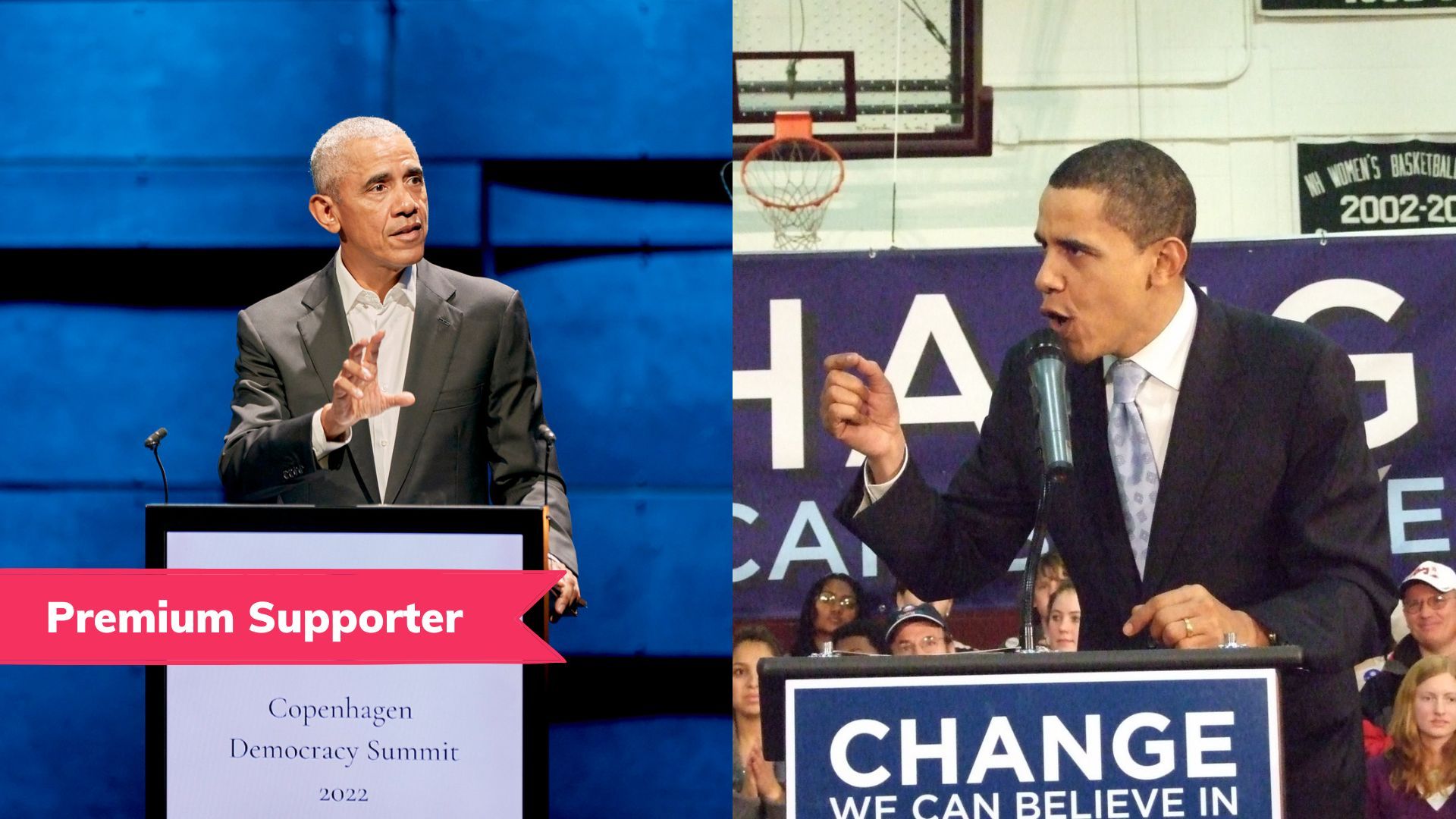
🌅 Obama should feel more hope
Citizens in free countries are richer, happier and healthier than citizens in unfree countries. Barack Obama should use his world-class rhetorical skills to boost confidence in democracy and create hope for its future. Because, as he used to say: There is nothing false about hope.
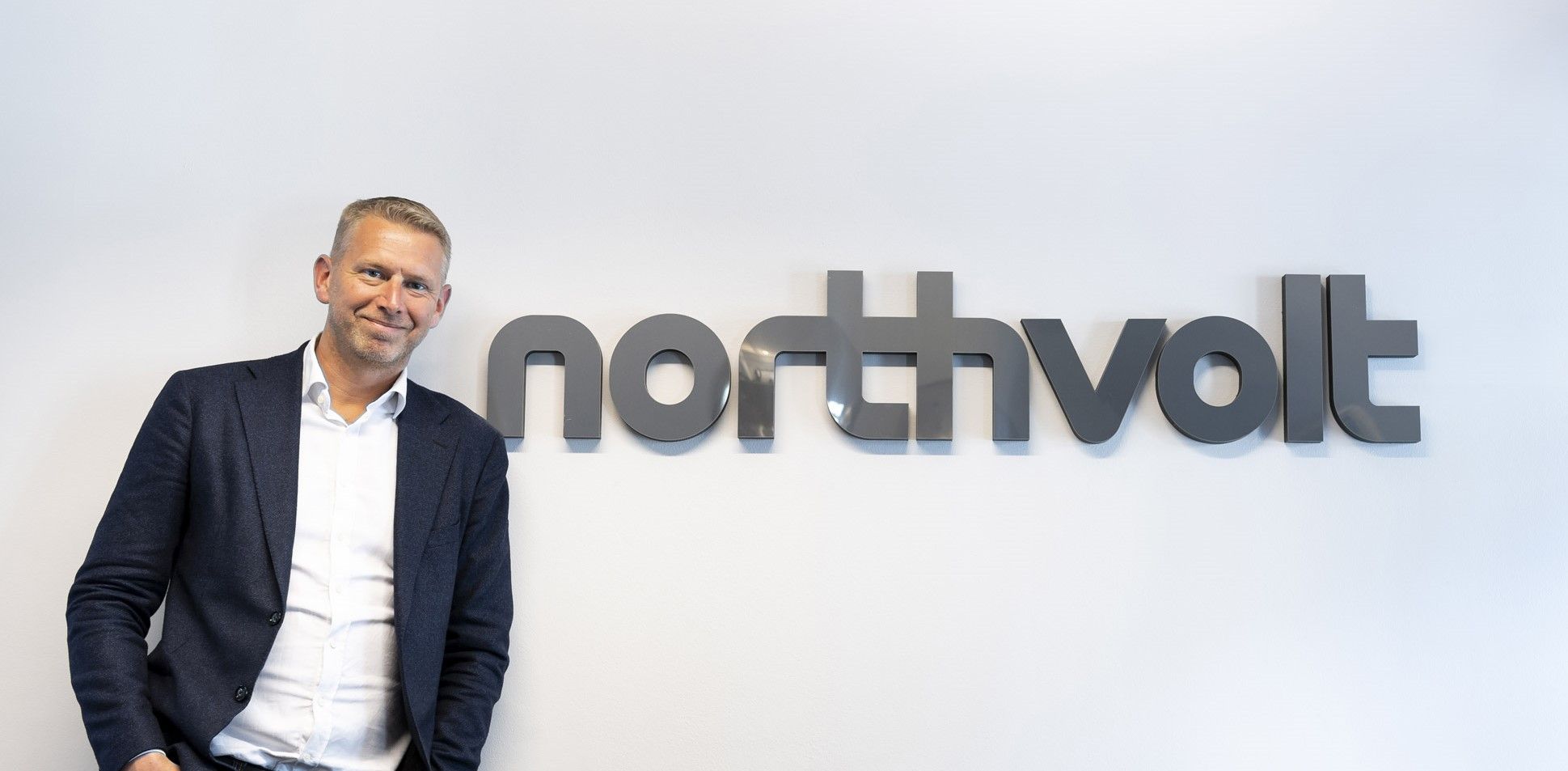
🔋 Northvolt and the benefit of understanding the future
The story of Peter Carlsson and Northvolt teaches us two lessons: You need to understand the future to see all the possibilities, and you must be a fact-based optimist to grab them.