
♻️ Green Tech
Green Tech is an important part of the solution of climate change and other enviromental problems. Here you will find articles covering recycling, water purifying and tech used to conserve and protect natural resources. Also, news about Warp Green Tech Program will be found here.
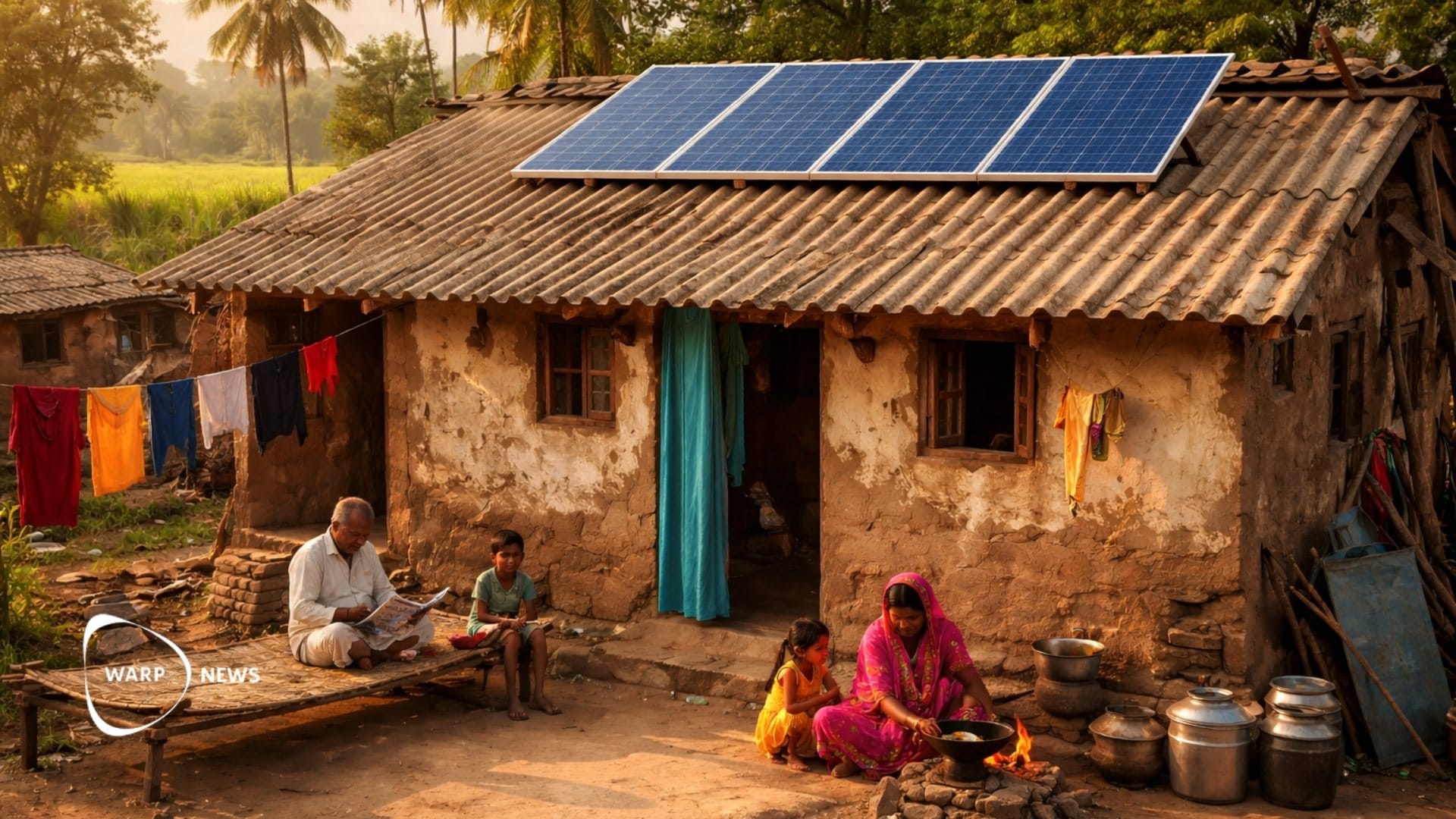
☀️ Bihar gives 250,000 poor families free rooftop solar panels
The Indian state of Bihar is installing solar panels at no cost for families living below the poverty line. The families will have zero electricity costs for basic usage such as fans, lighting and mobile charging. In the first phase, 250,000 households will receive solar panels
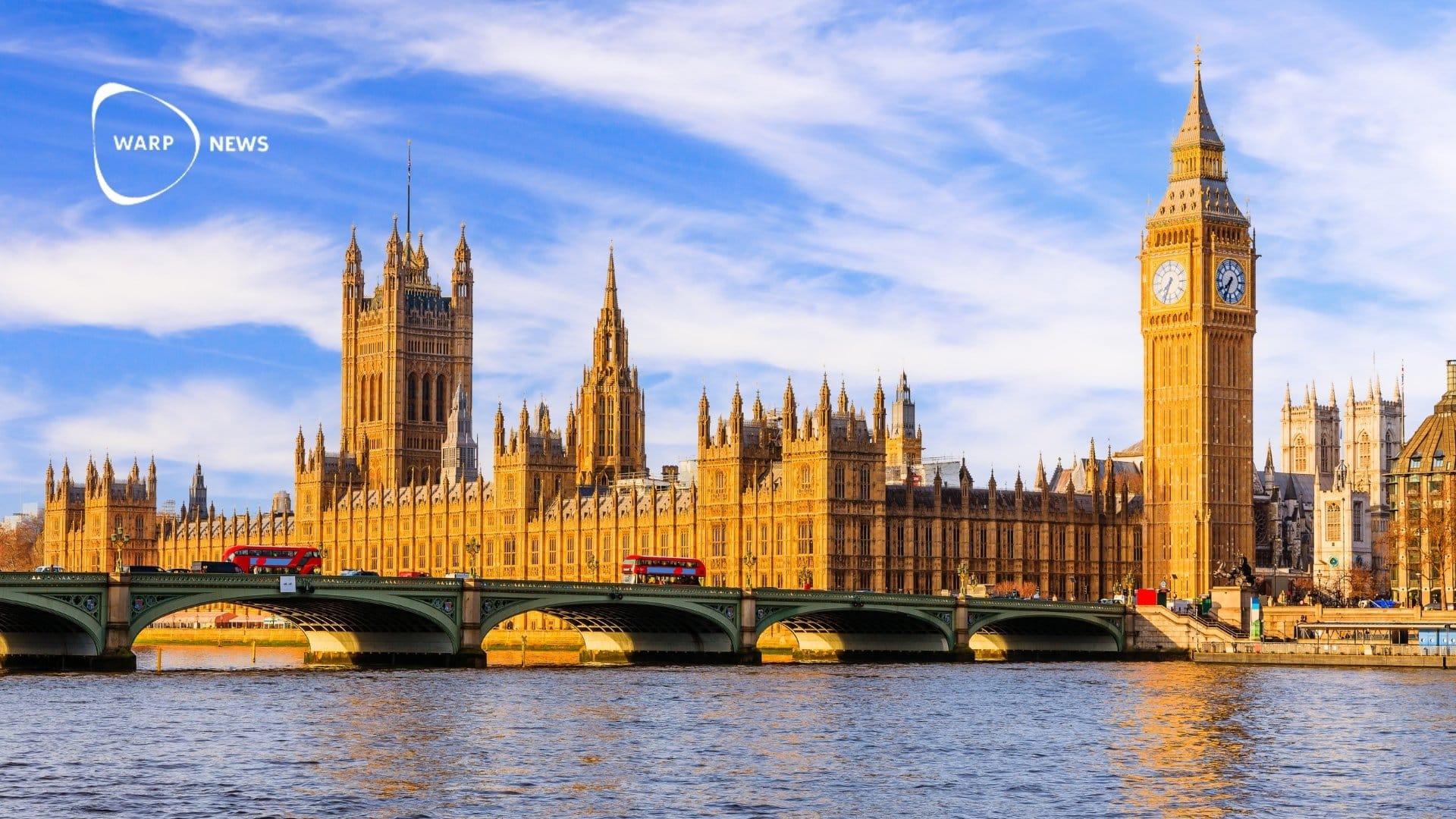
📉 UK emissions at lowest level since 1872
Greenhouse gas emissions fell by 2.4 percent in 2025 and are now 54 percent below 1990 levels. Coal use halved and is at its lowest since 1600, while gas use dropped to the lowest level since 1992.
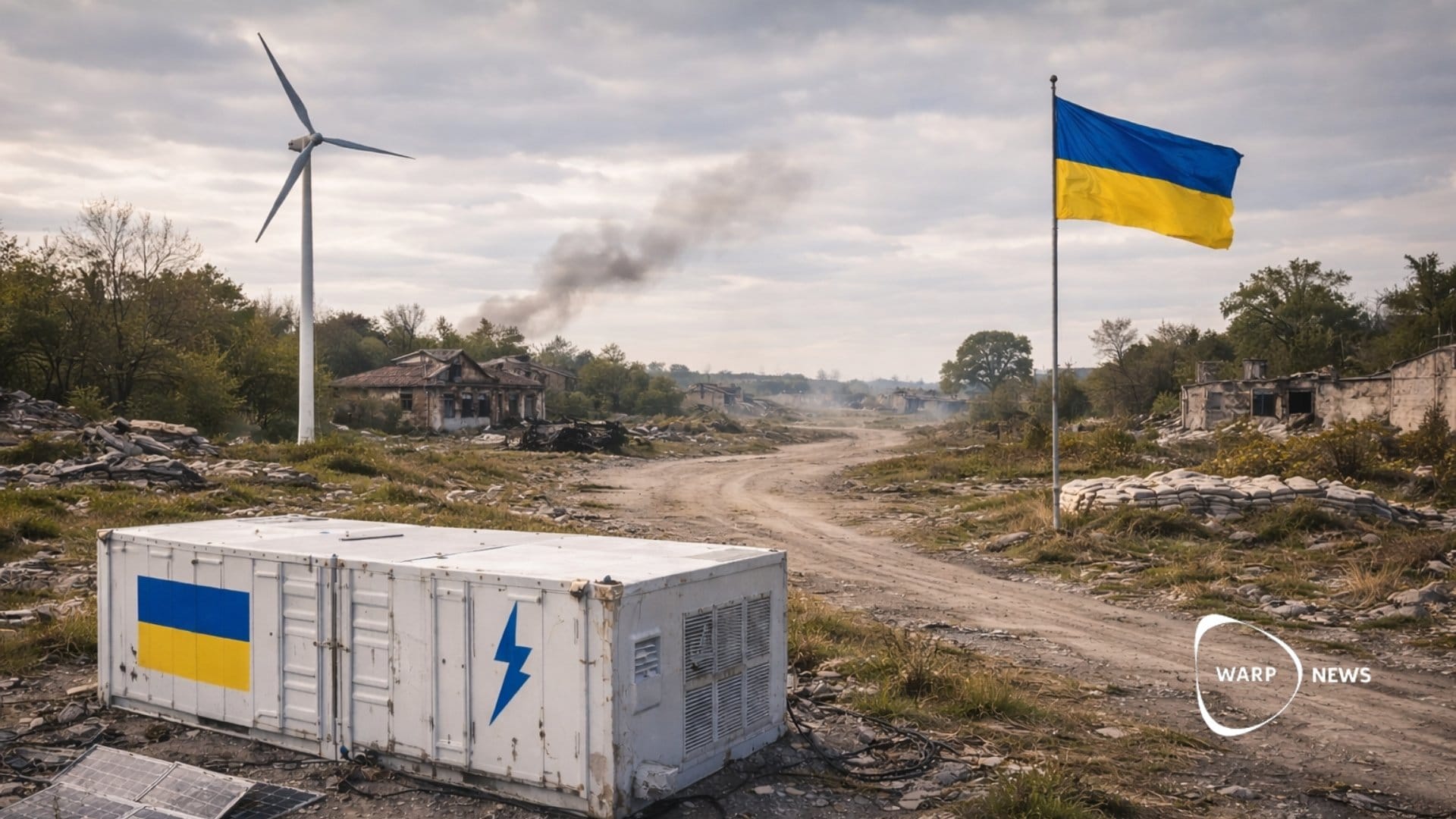
Ukraine builds new power grid with solar, wind and batteries that better withstands Russian attacks
A decentralized power grid with solar, wind and batteries has fewer central points that can be knocked out, unlike the old system with large power plants and centralized transmission lines.
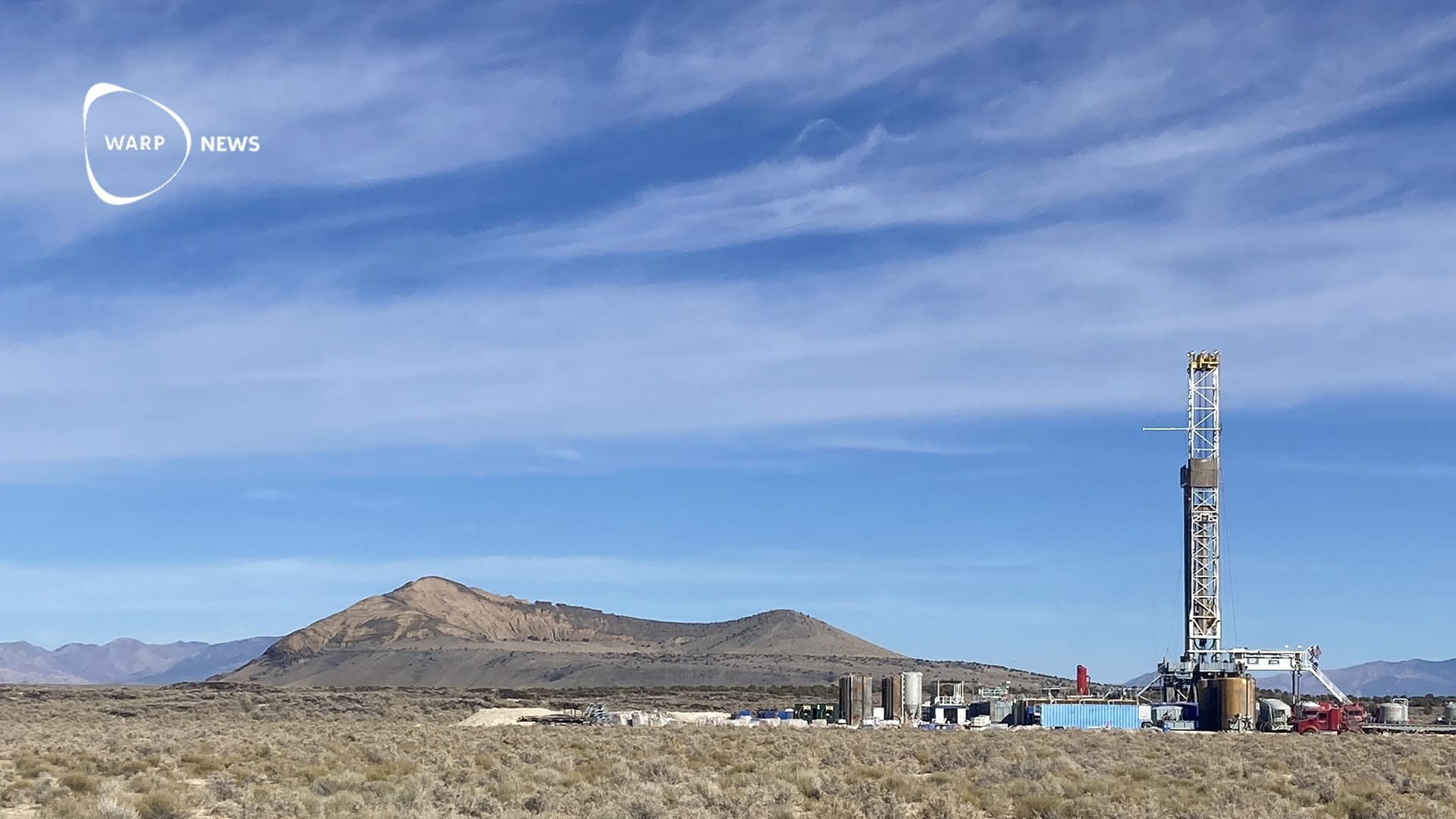
♨️ Geothermal power around the clock: Hot well in Utah shows the technology can scale up
Fervo Energy has drilled its hottest well yet at a new geothermal site in Utah, with measured temperatures exceeding 555°F at approximately 11,200 feet deep. Fervo pumps cold water underground, where it is heated by the Earth's natural heat. The water is then brought back to the surface.
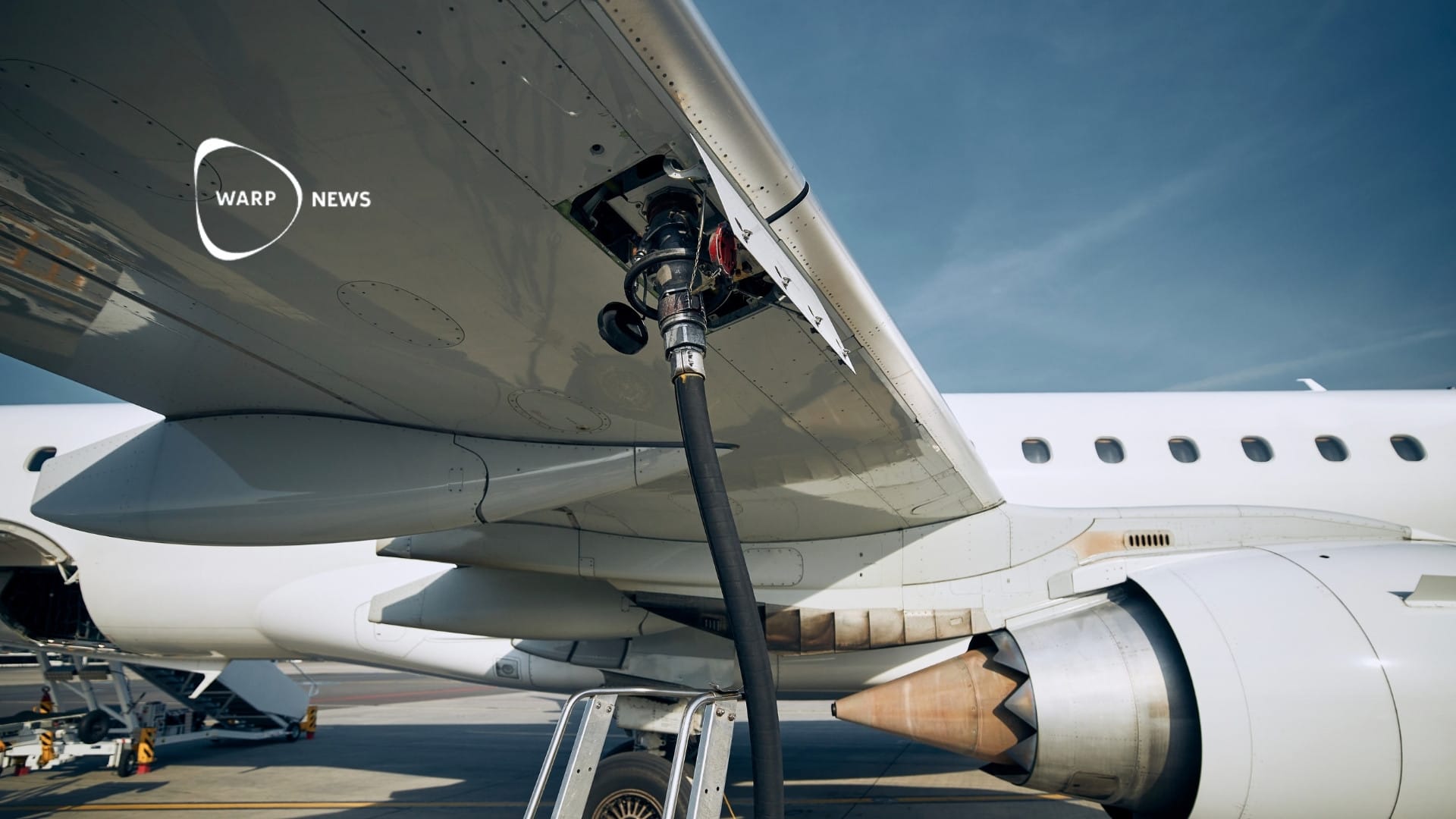
🛫 Fewer obese passengers – thanks to weight loss pills –reduce airlines' fuel needs
Analysts estimate that airlines could reduce fuel costs by up to 1.5% if average passenger weight drops by 10%. The largest American airlines are consuming approximately 16 billion gallons of fuel. Lower fuel consumption also means reduced carbon dioxide emissions from air traffic.
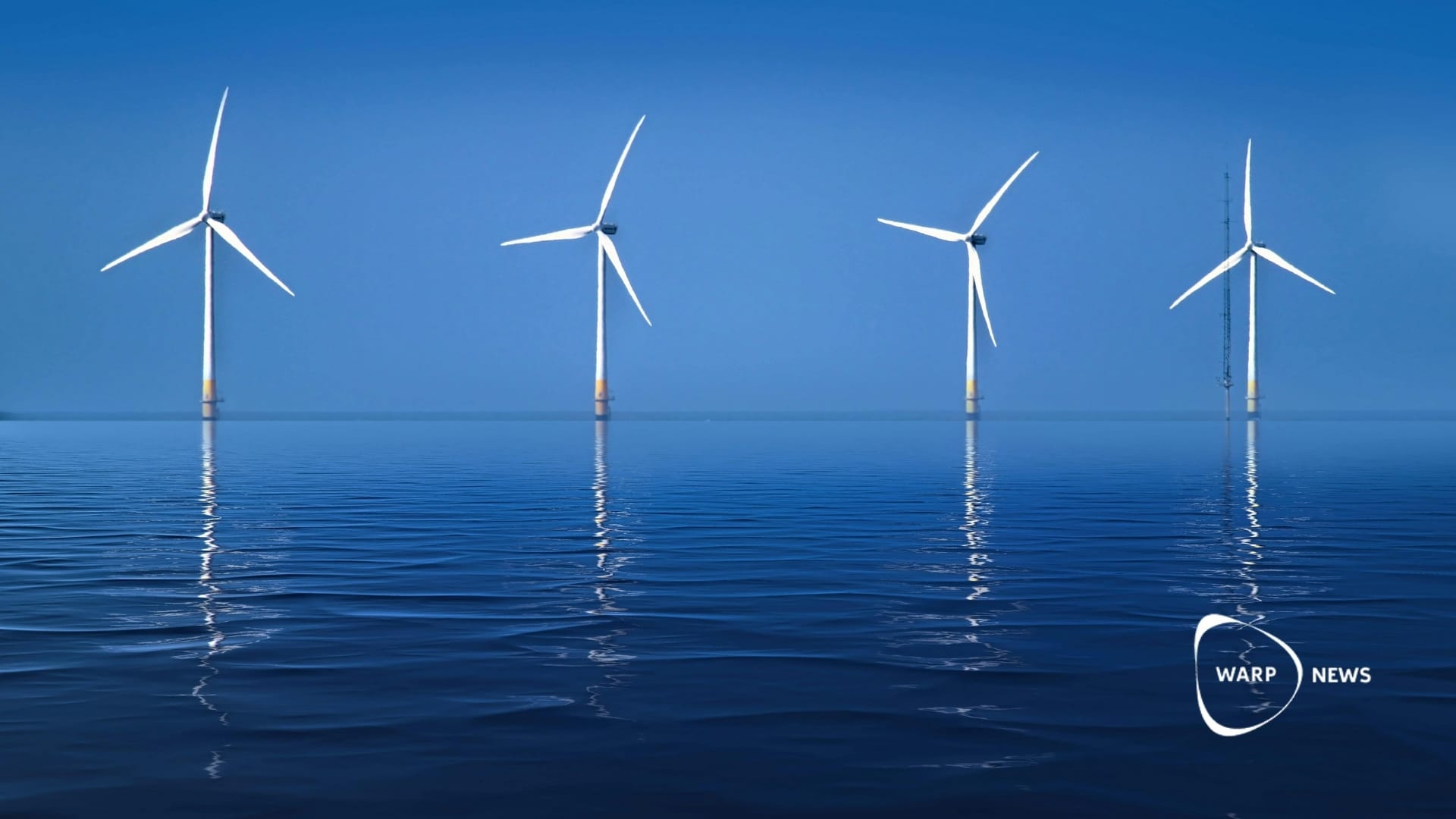
🌬️ Ten countries to build world's largest offshore power grid in the North Sea
The UK and nine other European countries have agreed to build a power grid in the North Sea with 100 gigawatts of offshore wind power, enough to supply 143 million homes. The agreement is expected to attract investments of 867 billion pounds and create 91,000 new jobs.
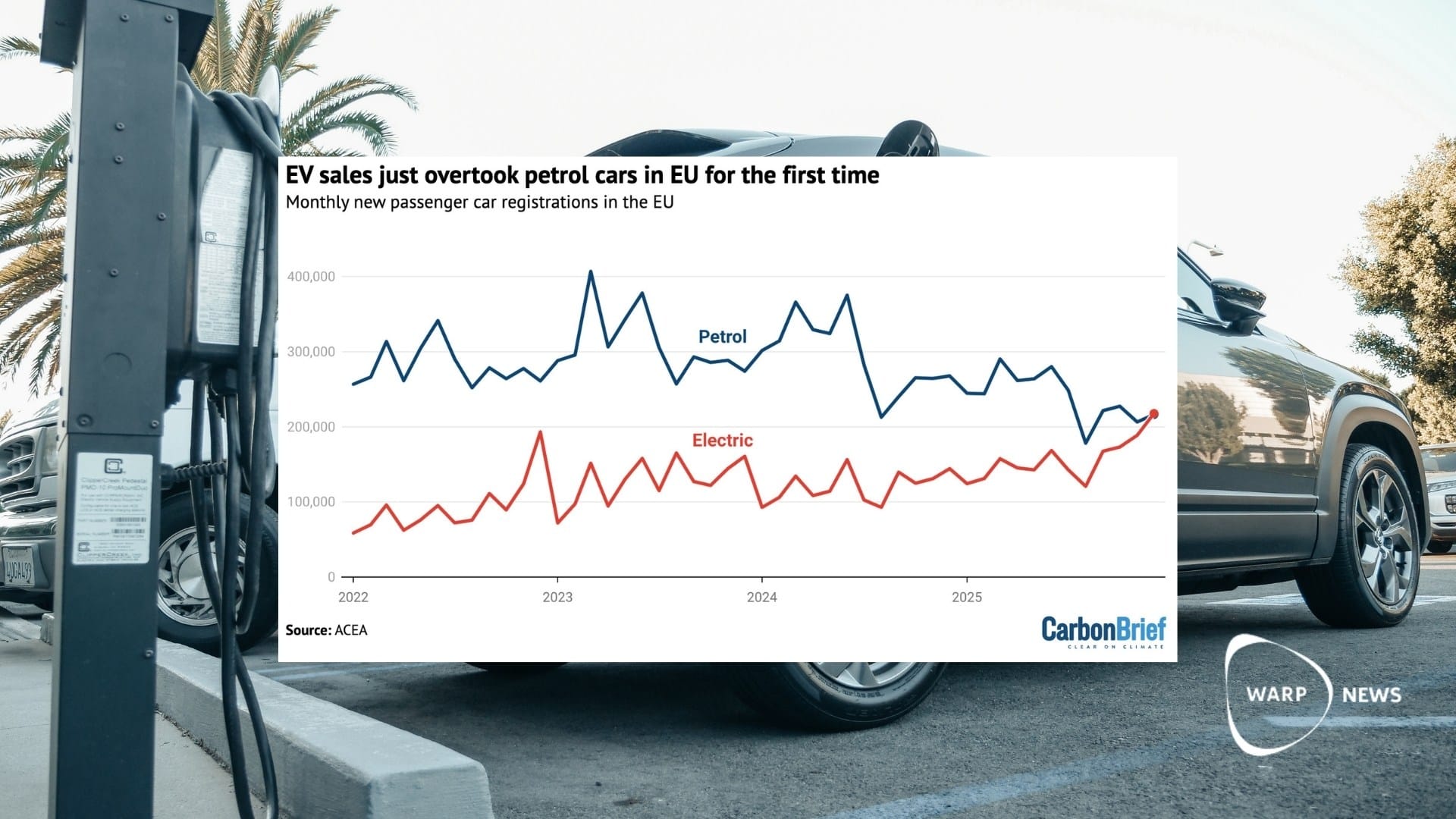
🚘 Electric cars outsold petrol cars in EU for the first time
In December 2025, 217,898 electric cars were registered in the EU, compared to 216,492 petrol cars – the first time electric cars exceed petrol cars in sales. Global electric vehicle sales reached 20.7 million vehicles in 2025, an increase of 20 percent compared to the previous year.

🍽️ The naive optimist who turned out to be right – lunch with Ramez Naam
Two failed hugs framed an interesting conversation with the polymath and renewable energy expert Ramez Naam.
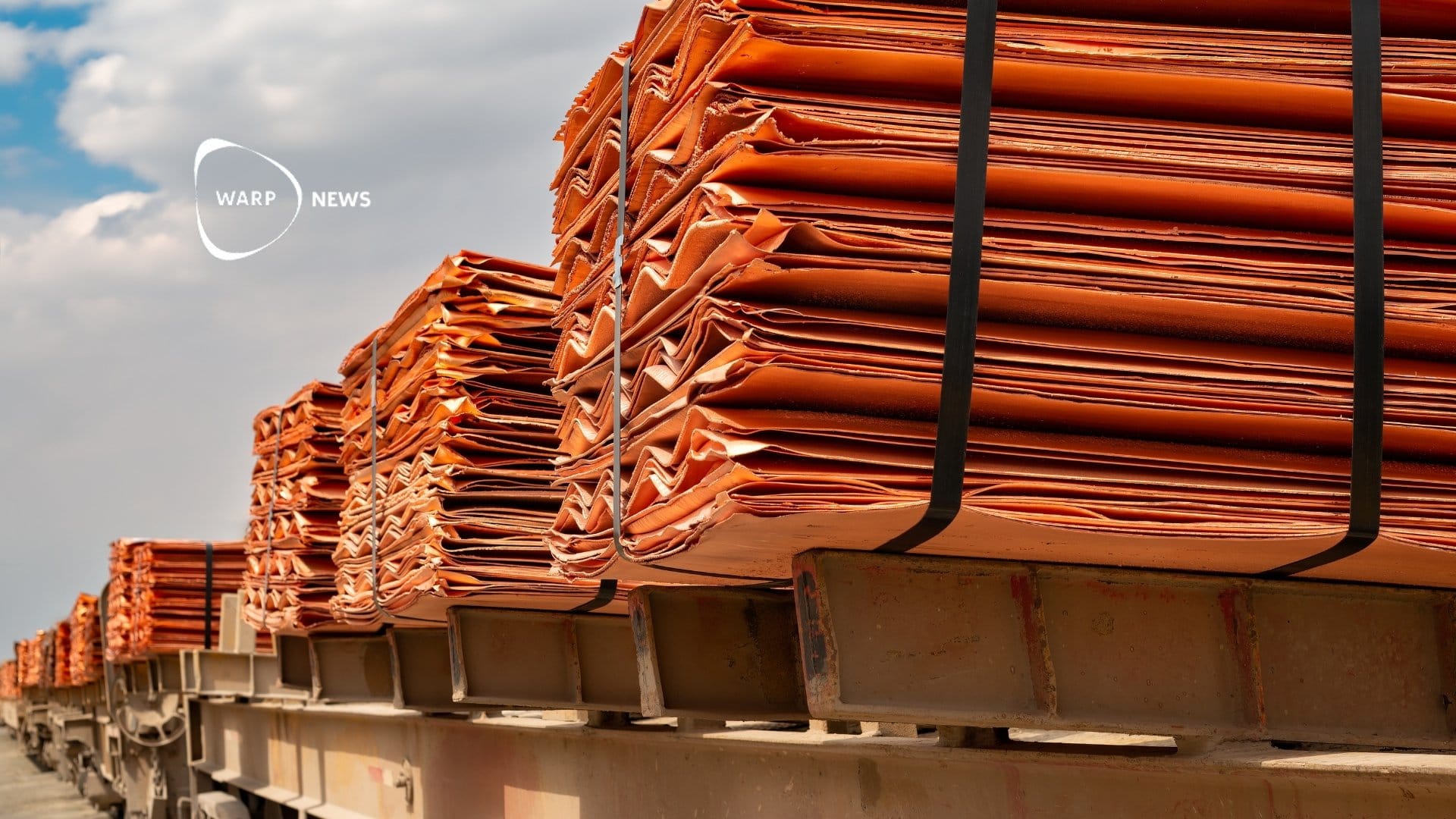
⚗️ Amazon buys copper produced with microorganisms in new climate-friendly process
The process uses microorganisms to extract copper from ore that previously often became waste, eliminating the need for traditional smelters and refineries. The technology can strengthen domestic copper supply without waiting for permits for new mines, a process that normally takes many years.