
❤️ Health Tech
Health Tech, or digital health, helps us understand and take control of our own health. But we also cover more traditional health news like medicines, vaccines and medical procedures.
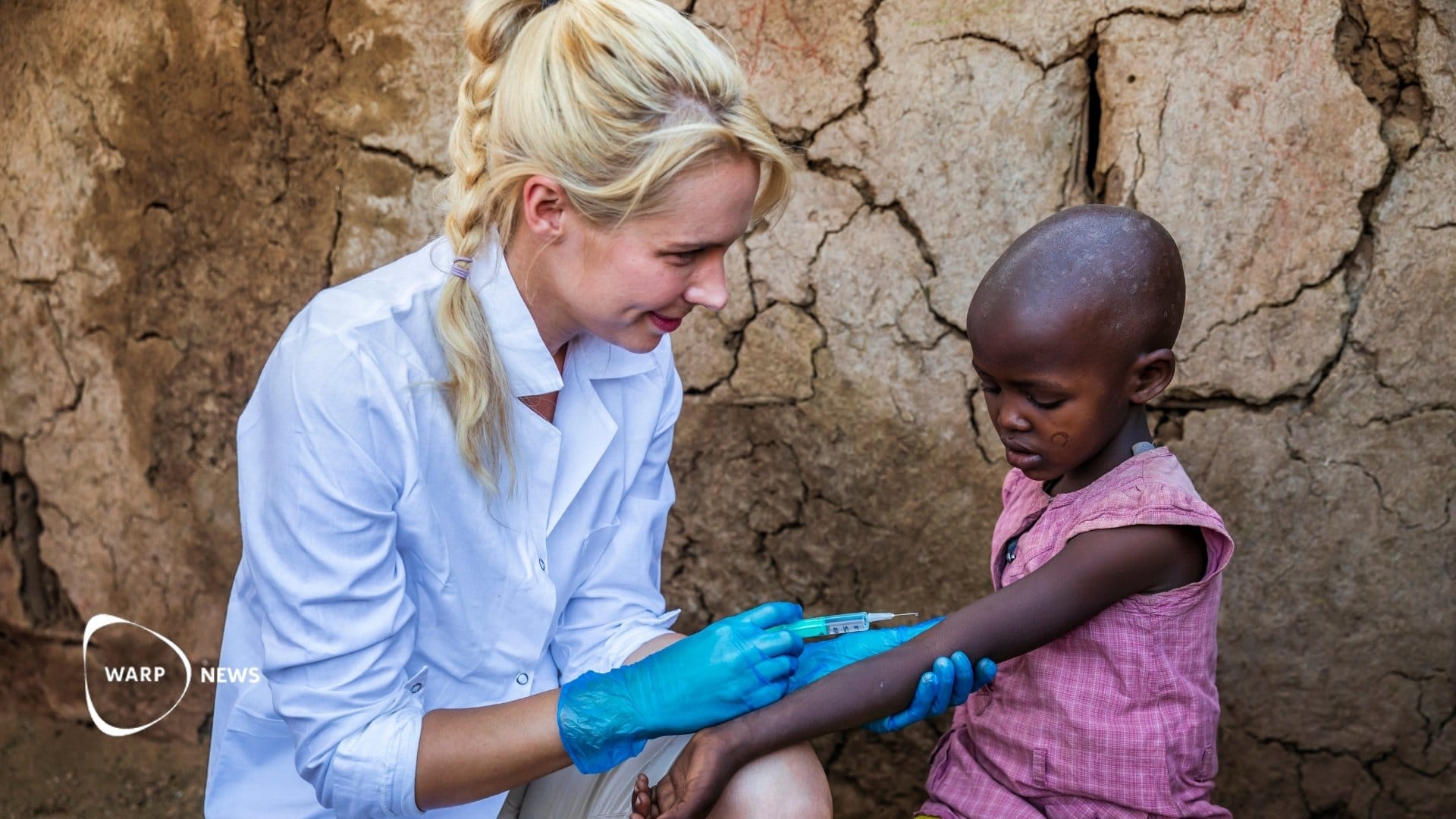
🧒 First vaccine that protects children from deadly E. coli infections
ETVAX is the first vaccine to show significant protection against E. coli infections in humans. The vaccine reduced moderate-to-severe diarrhea in infants under nine months by 68 percent. A phase 3 trial with 5,800 infants from low- and middle-income countries is about to begin.
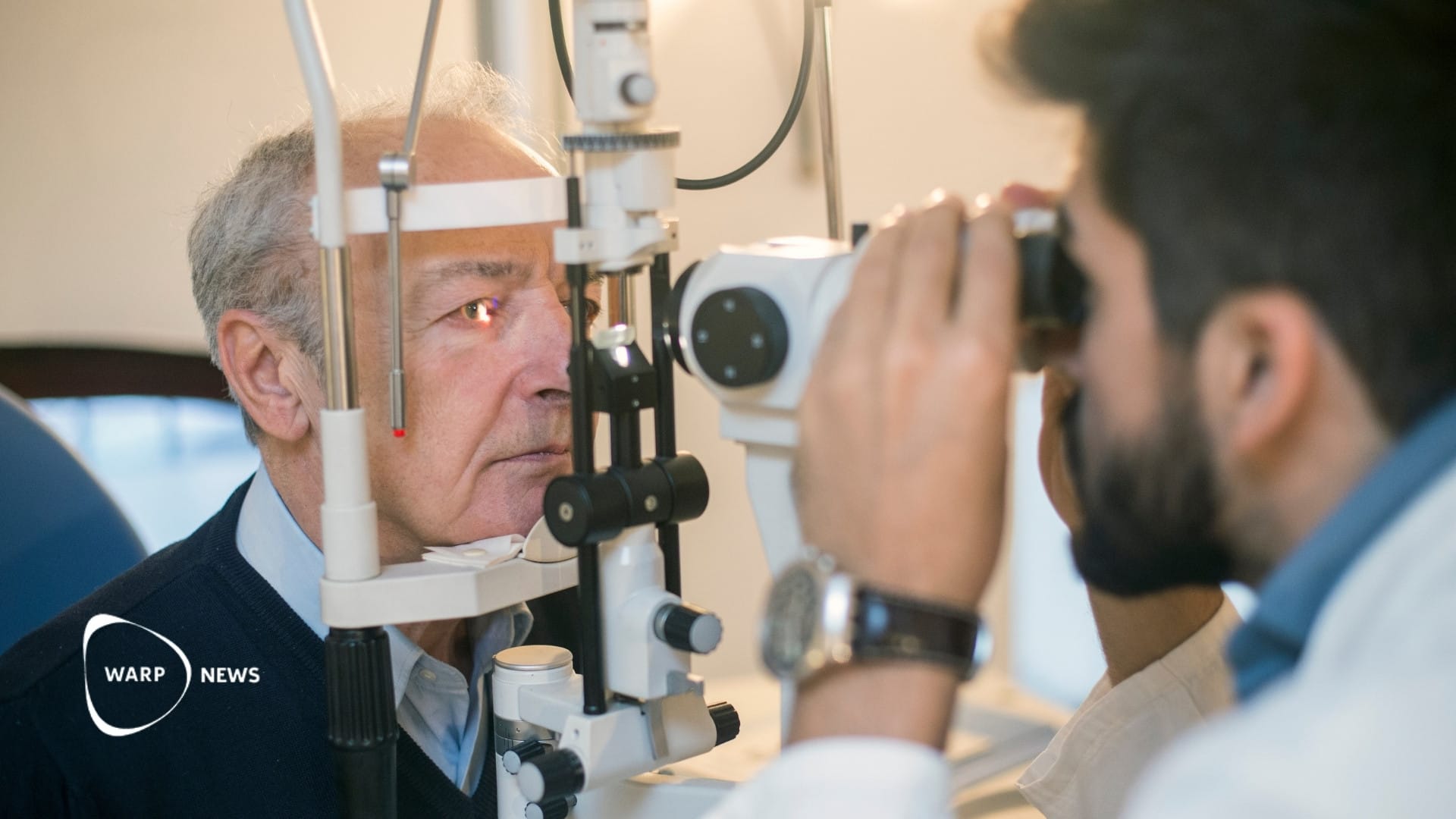
👁️ Small chip in the eye restores sight to the blind
A 2-millimeter implant under the retina has restored vision in 26 of 32 blind patients. European launch is expected later this year, which would make PRIMA the first brain-computer interface product for vision to reach the market.

🔍 AI agent screened nearly 2,000 genes and found new pathways against gut disease
Eubiota is an AI agent system that autonomously studies the gut microbiome. By analyzing over 10,000 scientific papers in hours, it screened 1,945 bacterial genes and discovered a DNA repair mechanism that helps gut bacteria survive inflammatory stress.
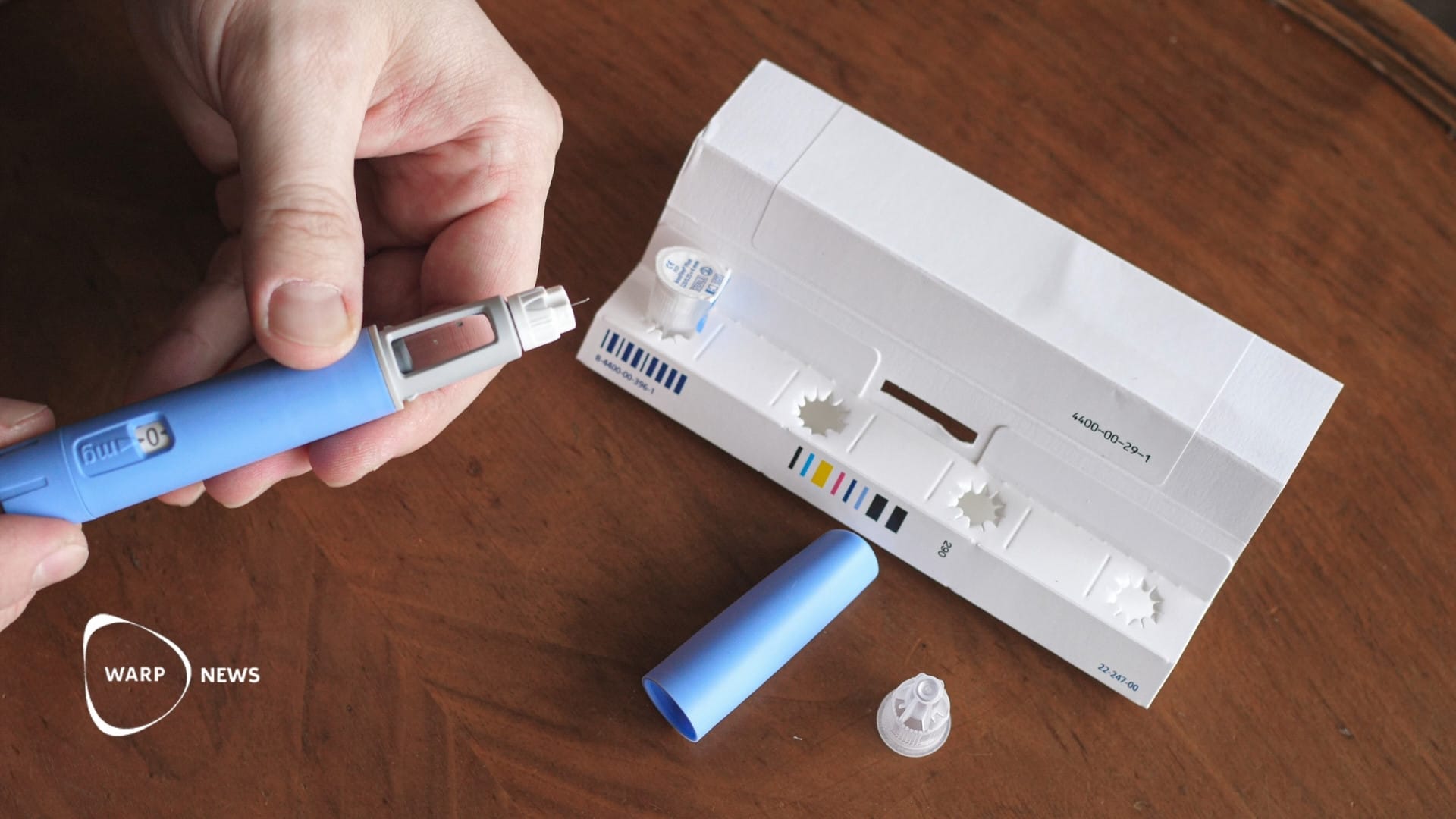
🍻 GLP-1 drugs like Ozempic reduce risk of substance abuse and addiction
A large study of more than 600,000 U.S. veterans shows that GLP-1 drugs were associated with a 14 percent lower risk of developing new substance use disorders. Among people with existing substance use disorders, overdoses dropped by 40 percent and substance-related deaths were cut in half.
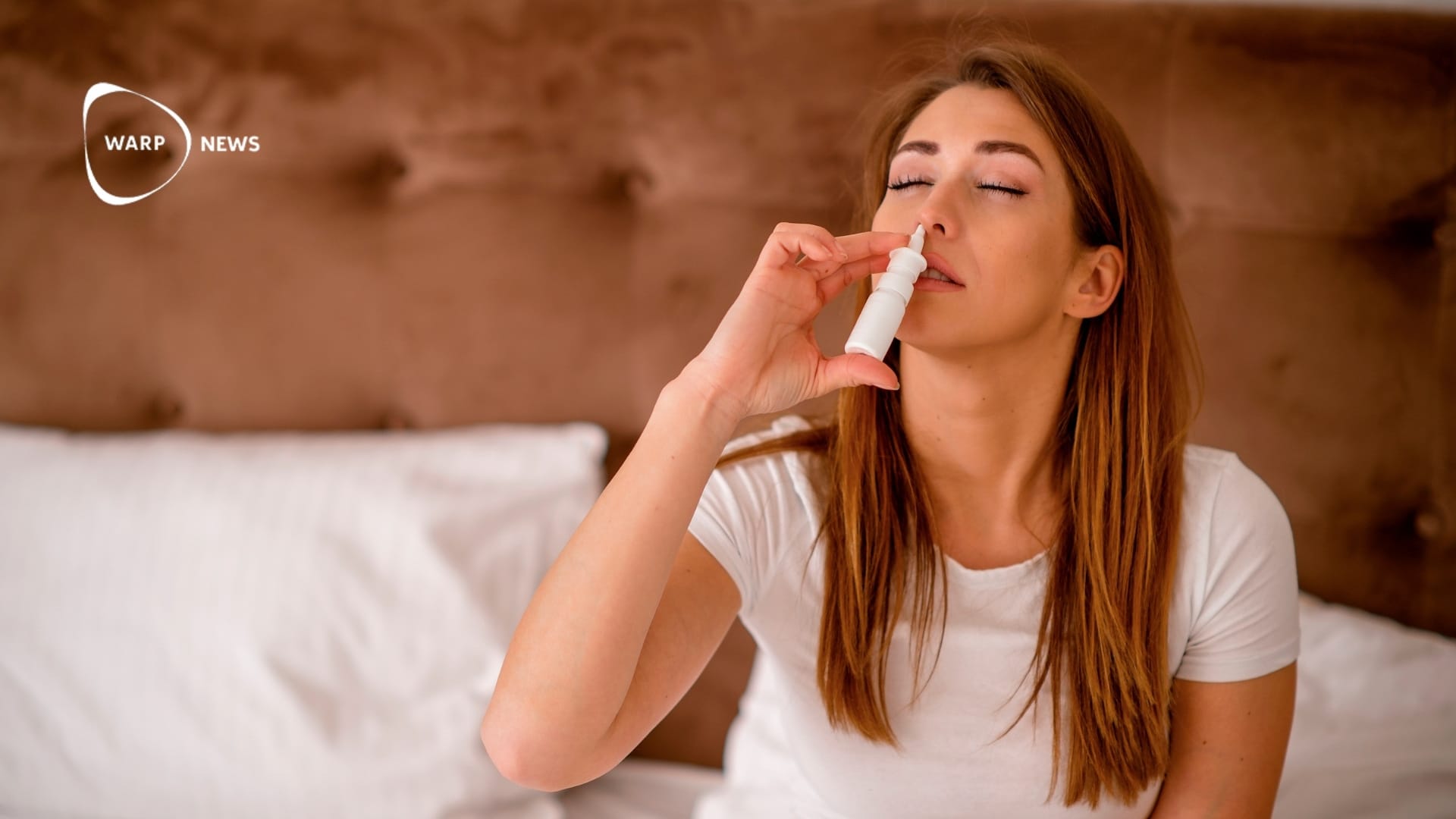
🤧 A single nasal spray vaccine could protect against all coughs, colds and flus
Researchers have developed a "universal vaccine" in the form of a nasal spray that in animal experiments protected against virtually all tested viruses, bacteria and even allergens. The method puts immune cells in the lungs in a heightened state of readiness.
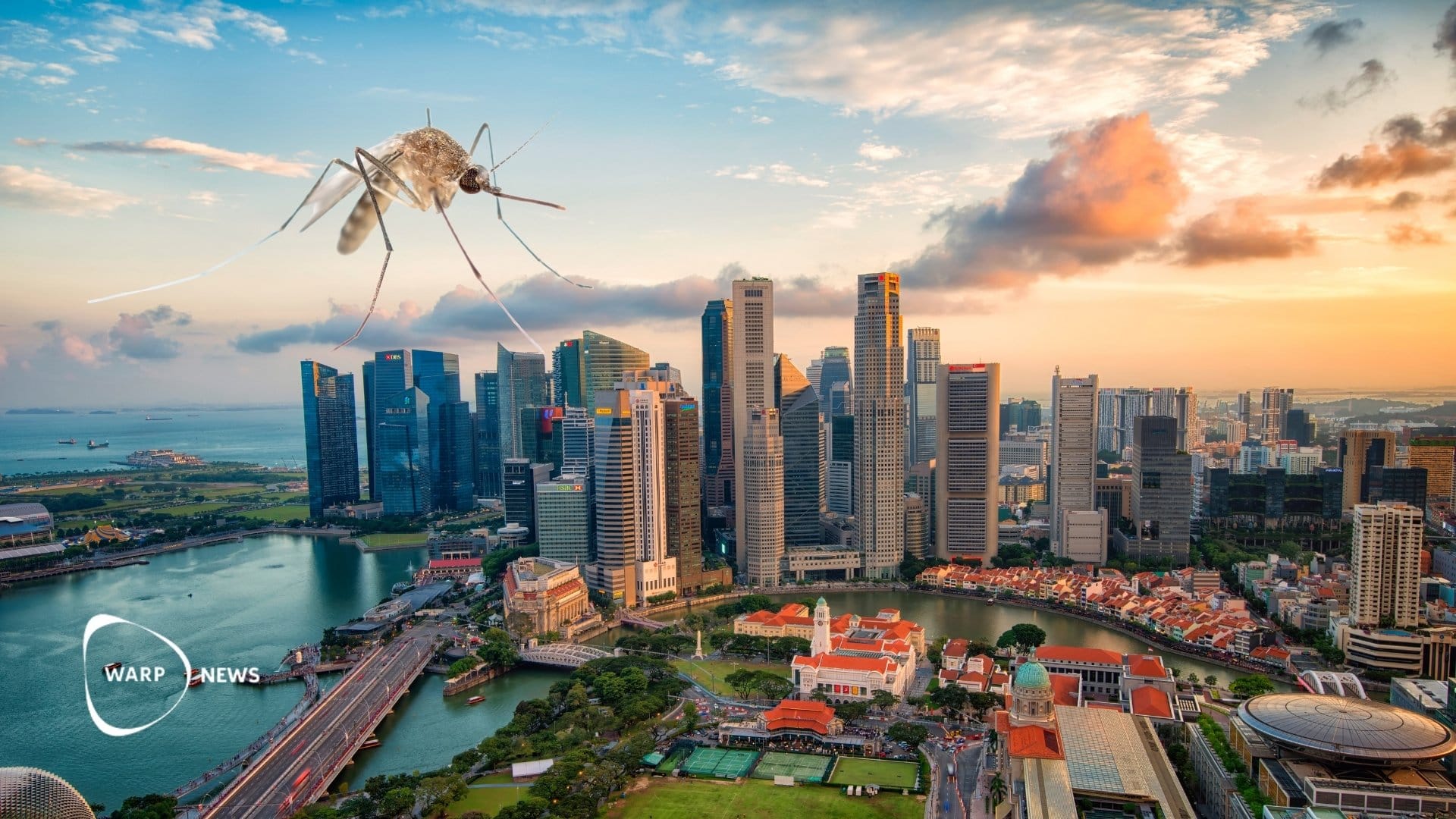
🦟 Bacteria in mosquitoes reduced dengue cases by 70 percent in Singapore
In a two-year experiment in Singapore, the number of wild mosquitoes decreased by 77 percent in areas where Wolbachia-infected male mosquitoes were released. Residents in treated neighborhoods had approximately 70 percent lower risk of developing symptomatic dengue.
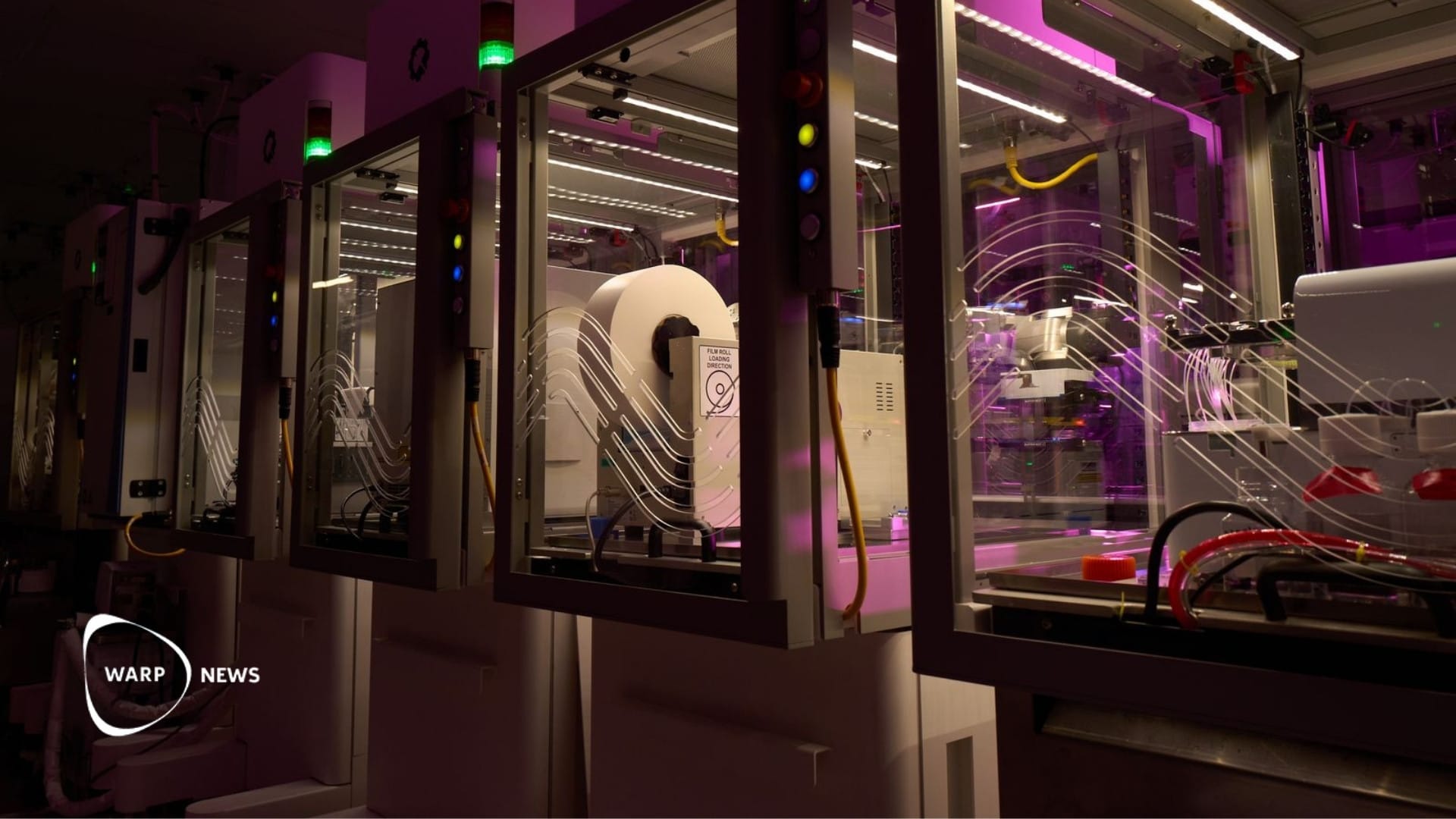
🦾 ChatGPT connected to robot lab and conducted 36,000 experiments to optimize protein production
The system identified new reaction compositions that reduced protein production costs by 40 percent compared to previous methods. Cell-free protein synthesis is used to manufacture proteins for pharmaceuticals, diagnostics, and industrial processes.
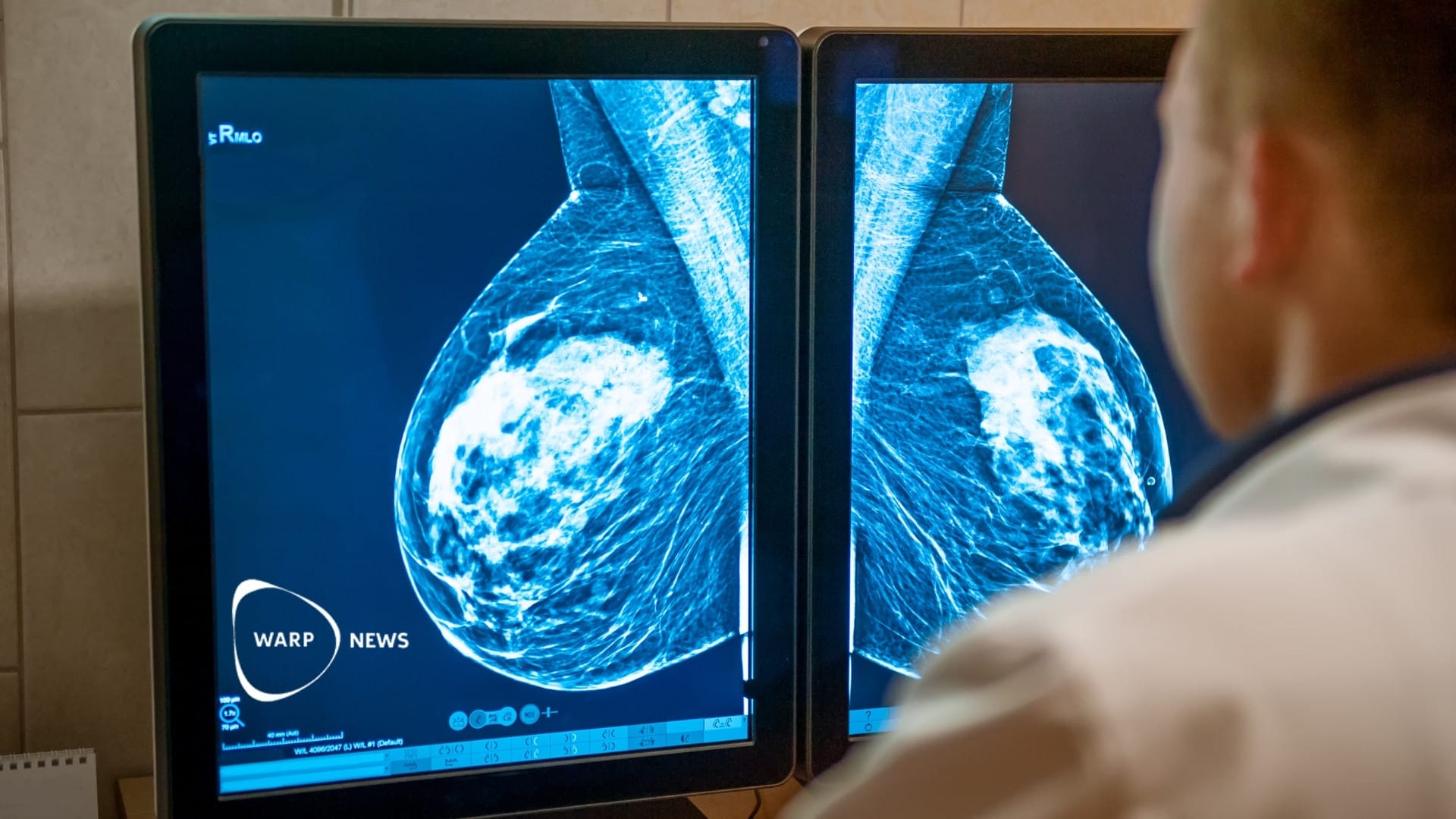
👩⚕️ AI-supported mammography reduces missed cancer cases
A study with over 100,000 women shows that AI-supported mammography screening is equivalent to or better than traditional double reading. Sensitivity increased from 73.8 percent to 80.5 percent with AI support. Fewer cancer cases with unfavorable characteristics were missed in the AI group.
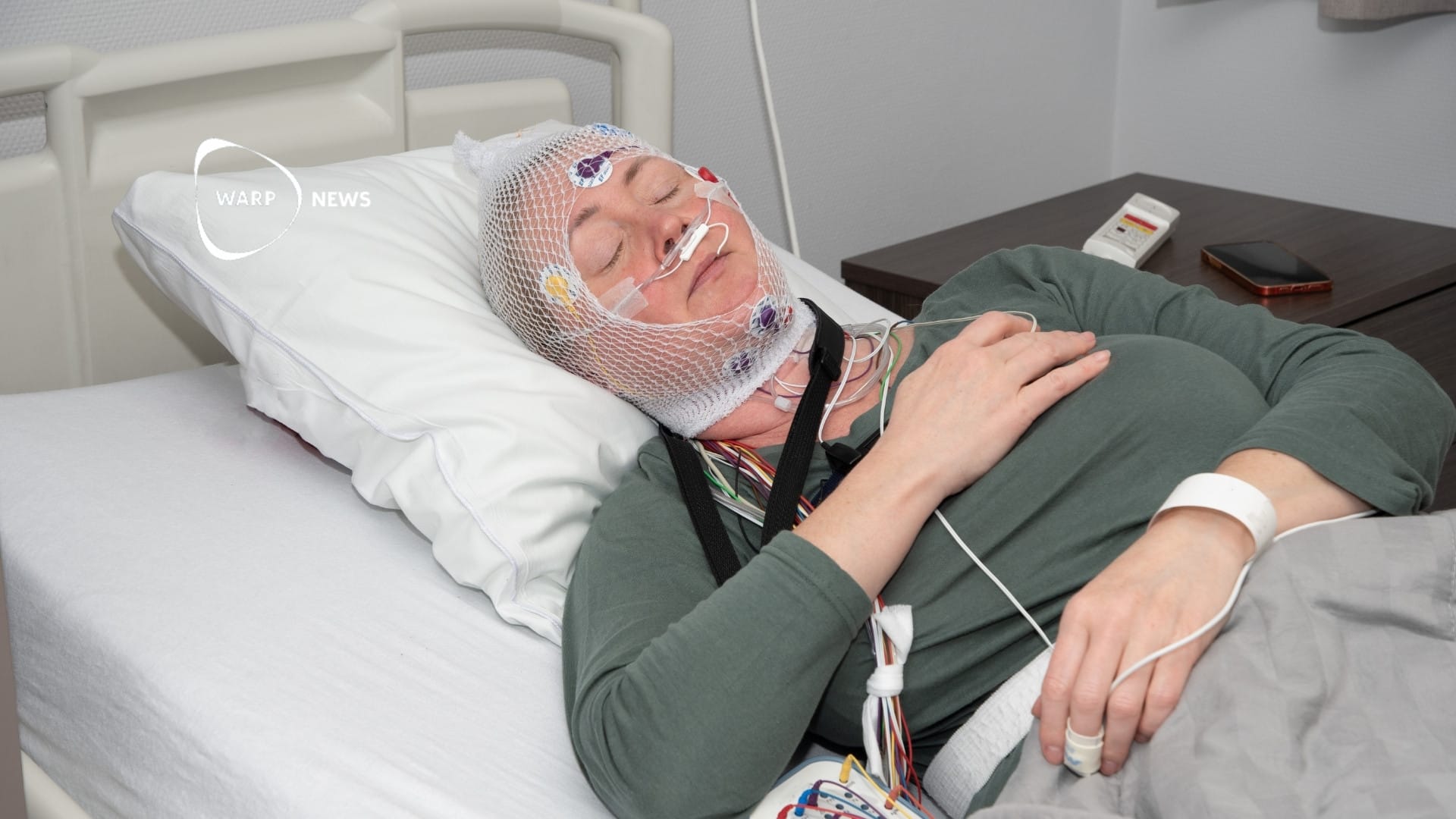
😴 New AI model can predict over 100 diseases from one night's sleep
The model was trained on nearly 600,000 hours of sleep data from 65,000 participants and shows high accuracy for cancer, heart disease, and dementia, among others. The AI model performs as well as or better than today's leading methods for sleep analysis.