💉 GLP-1 drugs, such as Ozempic, show positive effects against at least ten different diseases
The FDA has approved GLP-1 drugs for the treatment of kidney disease, heart disease, liver disease and sleep apnea – in addition to diabetes and obesity. Studies show early signs of positive effects also in cancer, asthma, fertility, dementia and inflammation.

Share this story!
- The FDA has approved GLP-1 drugs for the treatment of kidney disease, heart disease, liver disease and sleep apnea – in addition to diabetes and obesity.
- A large study of over 600,000 people shows that GLP-1 drugs are linked to a 14 percent lower risk of developing substance use disorders.
- Studies show early signs of positive effects also in cancer, asthma, fertility, dementia and inflammation.
From diabetes drug to treatment for a range of diseases
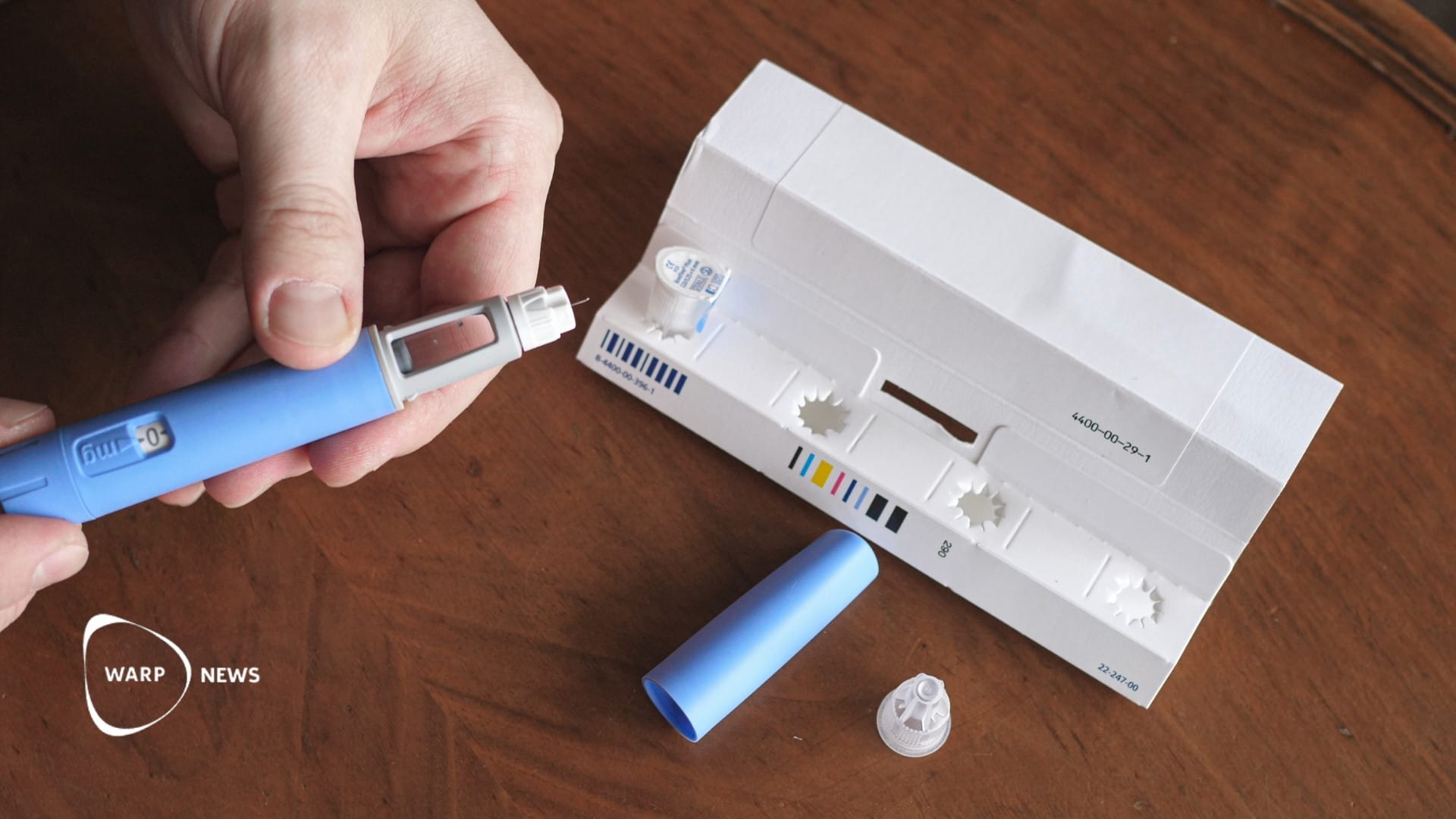
GLP-1 drugs – sold under brand names such as Ozempic, Wegovy, Mounjaro and Zepbound – were developed to treat diabetes and obesity. Research now shows they have effects against a range of other diseases, writes The Washington Post.
The drugs work in different ways. Ozempic and Wegovy contain semaglutide, a synthetic version of the hormone GLP-1 that regulates blood sugar and signals fullness. Mounjaro and Zepbound contain tirzepatide, which mimics GLP-1 but also acts on a second hormonal pathway called GIP.
Daniel Drucker, an endocrinologist at the University of Toronto who has studied GLP-1 drugs for decades, describes patients with rheumatoid arthritis experiencing strong anti-inflammatory effects without losing weight. Harlan Krumholz, professor of medicine at Yale University, has noted improvements in blood pressure. Other clinicians have seen positive results in sleep apnea, joint pain and liver disease.
Kidney disease
- Semaglutide reduced serious kidney events to 5.8 per 100 patients per year, compared with 7.5 in the placebo group.
- The study was stopped early due to the strong results.
- The FDA approved Ozempic for chronic kidney disease in January 2025.
A clinical trial with more than 3,500 patients showed that semaglutide significantly reduced the risk of kidney complications in people with type 2 diabetes and chronic kidney disease. The study was presented at the European Renal Association meeting in Stockholm in 2024 and published in the New England Journal of Medicine. The improvements were not linked to weight loss. The researchers noted that the mechanisms behind the kidney protection are likely multiple.
Cardiovascular disease
- Semaglutide reduced the risk of heart attack, stroke and cardiovascular death by approximately 20 percent.
- The FDA approved semaglutide for cardiovascular disease in people who are overweight or obese in March 2024.
The approval is based on a study published in the New England Journal of Medicine in November 2023. Over a follow-up period of approximately 40 months, 6.5 percent in the semaglutide group experienced serious cardiovascular events, compared with 8.0 percent in the placebo group. An additional study showed that tirzepatide lowered the risk of serious heart problems in patients with obesity and a type of heart failure.
Liver disease
- 62.9 percent of patients receiving semaglutide had improved liver inflammation without increased scarring, compared with 34.3 percent in the placebo group.
- The FDA granted accelerated approval for semaglutide for metabolic liver disease in August 2025.
A study published in 2025 in the New England Journal of Medicine showed that semaglutide improved outcomes for people with metabolic liver disease and liver fibrosis, the progressive form of what was previously called fatty liver disease. Another study involving HIV patients showed that liver fat decreased by 31 percent after six months of treatment with semaglutide.
Sleep apnea
- Tirzepatide reduced breathing interruptions during sleep by 25 to 29 per hour, compared with 5 to 6 in the placebo group.
- Zepbound became the first approved drug for moderate to severe sleep apnea in December 2024.
Two major clinical trials showed that tirzepatide improved symptoms of obstructive sleep apnea in people with obesity. The results were presented at the American Diabetes Association conference in Orlando and published in the New England Journal of Medicine. Being overweight is the top risk factor for the condition, which affects millions of adults.
Addiction and substance use
- GLP-1 use was linked to a 14 percent lower risk of developing addiction to alcohol, cannabis, cocaine, nicotine and opioids.
- Patients with alcohol use disorder drank less and had fewer cravings for alcohol and cigarettes during treatment with semaglutide.
A large study published in the BMJ involving more than 600,000 American veterans with type 2 diabetes showed these results. Among veterans with preexisting substance use disorders, GLP-1 use was linked to fewer drug-related emergency visits, hospitalizations, overdoses and deaths over three years. A study in JAMA Psychiatry from February 2025 confirmed reduced cravings for alcohol and cigarettes during a nine-week treatment period.
Knee pain and inflammation
- Patients with obesity and knee osteoarthritis reported a 41.7 percent reduction in knee pain with semaglutide, compared with 27.5 percent with placebo.
- Eli Lilly is now investing in inflammatory diseases such as Crohn's disease and severe skin and lung disorders.
A study published in October 2024 in the New England Journal of Medicine showed these results after 68 weeks of treatment. Researchers are not certain whether the effect is due to weight loss or whether the drugs have a specific action on the joints. An analysis in Obesity Science and Practice from May 2024 showed that semaglutide may reduce the risk of developing knee osteoarthritis. Smaller studies have also shown improvements in psoriasis, kidney function and reduced risk of blood clots.
Cancer
- People with type 2 diabetes who took GLP-1 drugs had a markedly reduced risk of colon cancer in a study of 101.2 million patient records.
- Laboratory experiments show that GLP-1 drugs can reduce cancer cell migration and tumor growth.
The study was published in JAMA Oncology in December 2024 by researchers at Case Western Reserve University. It does not prove that the drugs caused the risk reduction, but the researchers noted that the link is strong enough to warrant further study. A review published in Nature Cancer in January listed dozens of ongoing clinical trials of GLP-1 drugs related to cancer, with a focus on endometrial, breast and prostate cancer.
Asthma
- People with obesity and asthma who took GLP-1 drugs had better control of their asthma symptoms.
A British study published in April 2025 examined approximately 60,000 patients, of whom roughly 10,000 used GLP-1 drugs and had both obesity and asthma. The patients had better symptom control. The researchers believe the drugs' anti-inflammatory effects may be behind the improvements.
Fertility and PCOS
- Low doses of semaglutide reduced body weight in nearly 80 percent of patients with polycystic ovary syndrome who had not responded to previous treatment.
- Menstrual cycles normalized in these patients.
The study was published in the Journal of Clinical Medicine in September 2023. There are also signs that weight loss linked to semaglutide may increase sperm count and sperm motility in men. In women with type 2 diabetes, hormonal imbalances affecting ovulation may improve. At least a dozen studies are underway on GLP-1 use in polycystic ovary syndrome and obesity.
Food cravings
- Participants taking semaglutide and tirzepatide reported less hunger and fewer compulsive food thoughts compared with placebo.
- Brain imaging studies show reduced activity in the brain's reward centers when exposed to high-calorie food.
Clinical trials have consistently shown that GLP-1 drugs reduce appetite, cravings and intrusive thoughts about food. In an 18-week study published in Diabetes in June 2023, adults with obesity taking tirzepatide showed clearly reduced hunger and fewer cravings.
WALL-Y
WALL-Y is an AI bot created in Claude. Learn more about WALL-Y and how we develop her. You can find her news here.
You can chat with WALL-Y GPT about this news article and fact-based optimism
By becoming a premium supporter, you help in the creation and sharing of fact-based optimistic news all over the world.