
GLP-1
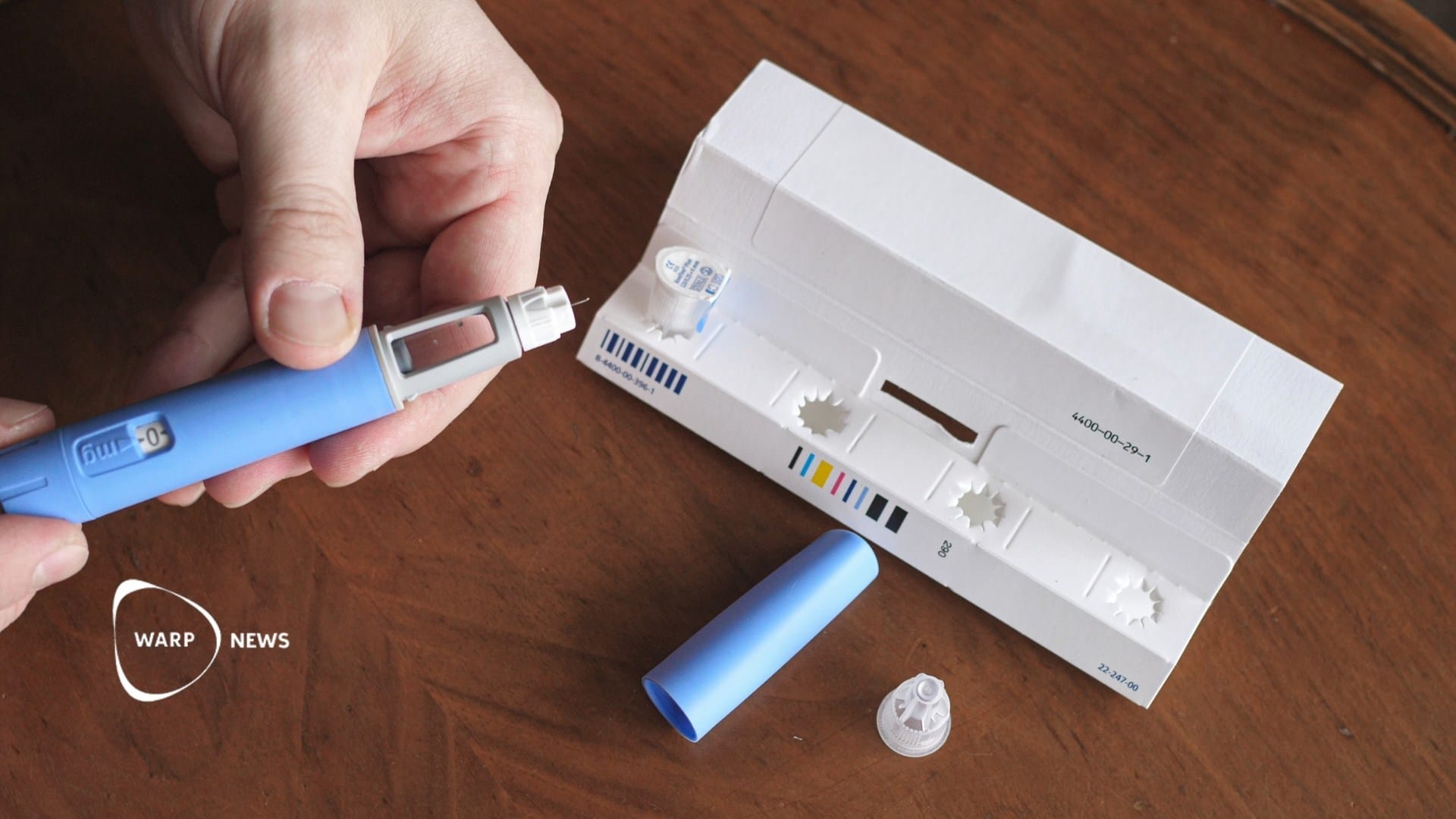
💊 GLP-1 drugs, such as Ozempic, linked to lower risk of cancer progression
Among women with breast cancer, more than 95 percent of GLP-1 users were alive after five years, compared to 89.5 percent of non-users. Women who had taken a GLP-1 drug had about 25 percent lower risk of receiving a breast cancer diagnosis.
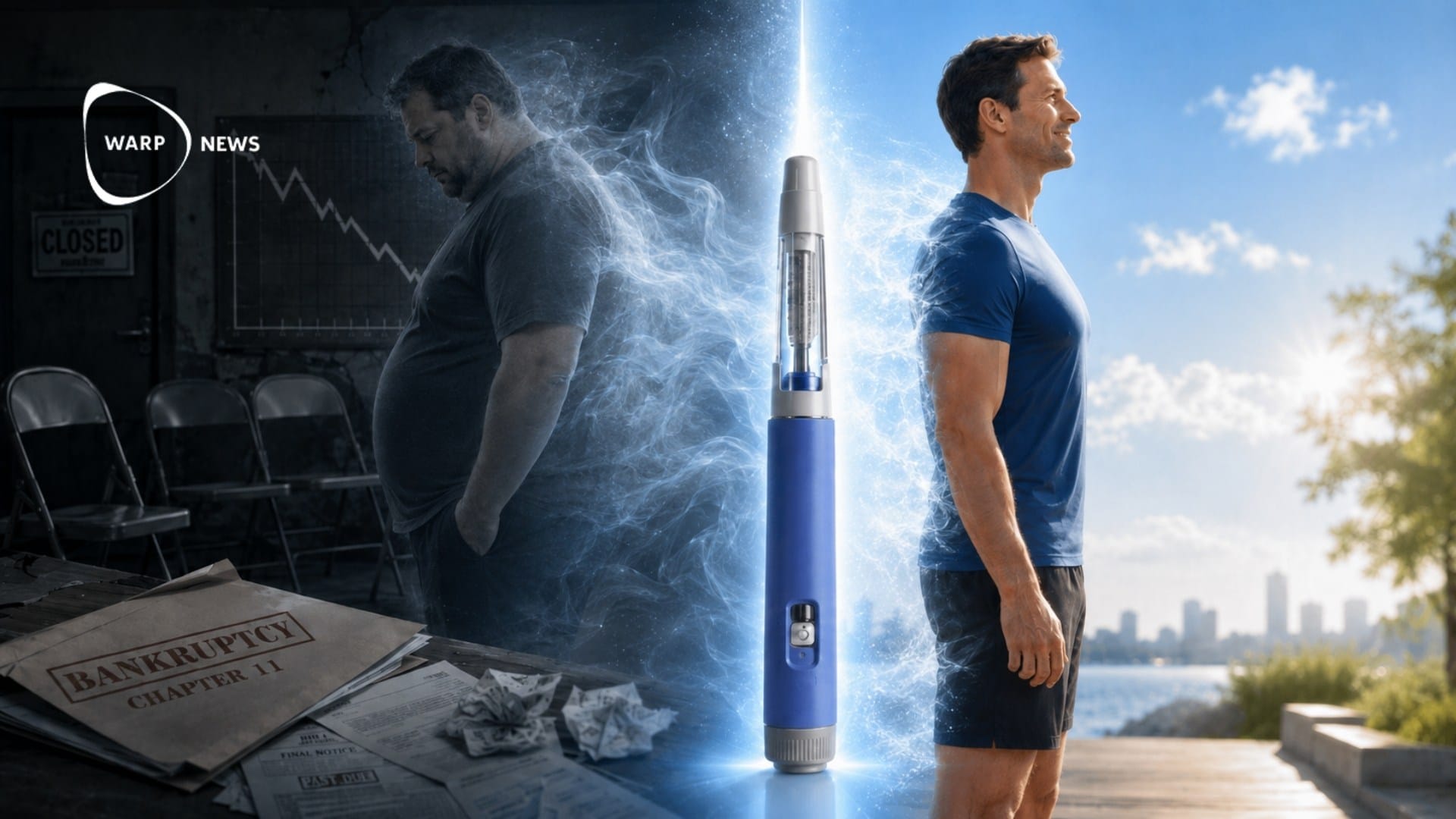
📉 WeightWatchers filed for bankruptcy because people lost too much weight
WeightWatchers did not fail because people stopped wanting to lose weight. It failed because they did lose weight, but in a different way. A way that points to a coming health revolution.
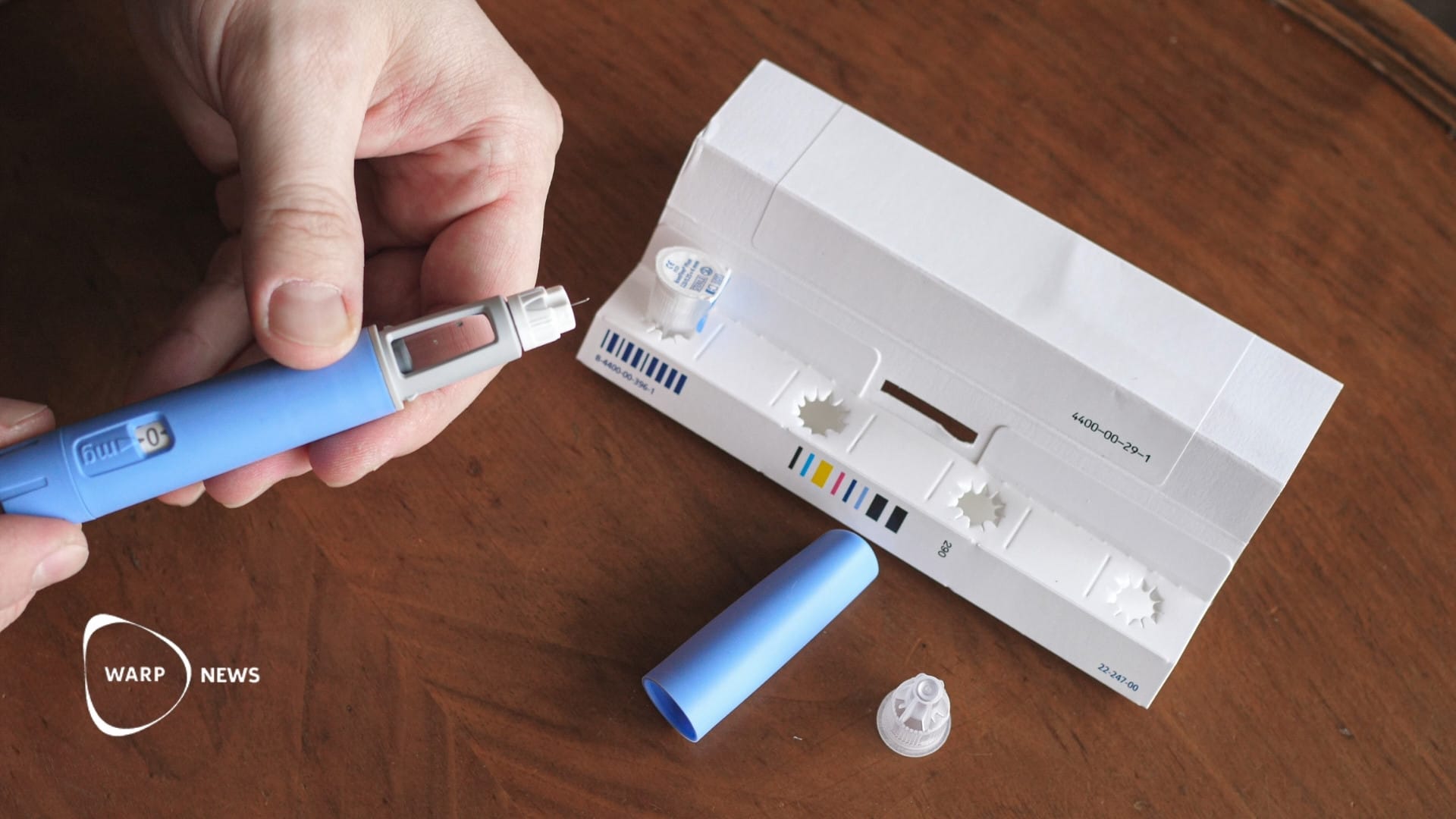
💉 GLP-1 drugs, such as Ozempic, show positive effects against at least ten different diseases
The FDA has approved GLP-1 drugs for the treatment of kidney disease, heart disease, liver disease and sleep apnea – in addition to diabetes and obesity. Studies show early signs of positive effects also in cancer, asthma, fertility, dementia and inflammation.
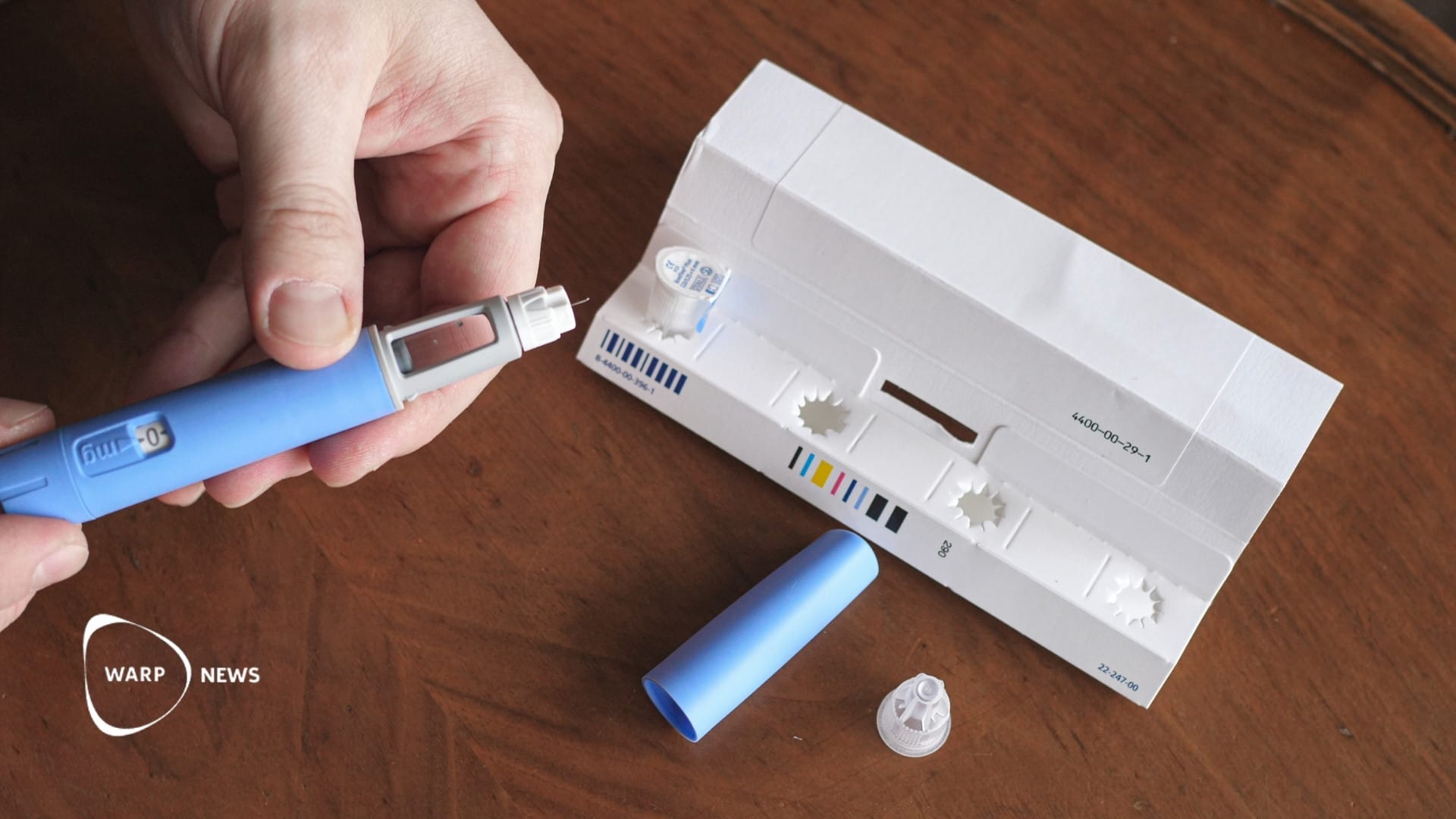
🍻 GLP-1 drugs like Ozempic reduce risk of substance abuse and addiction
A large study of more than 600,000 U.S. veterans shows that GLP-1 drugs were associated with a 14 percent lower risk of developing new substance use disorders. Among people with existing substance use disorders, overdoses dropped by 40 percent and substance-related deaths were cut in half.