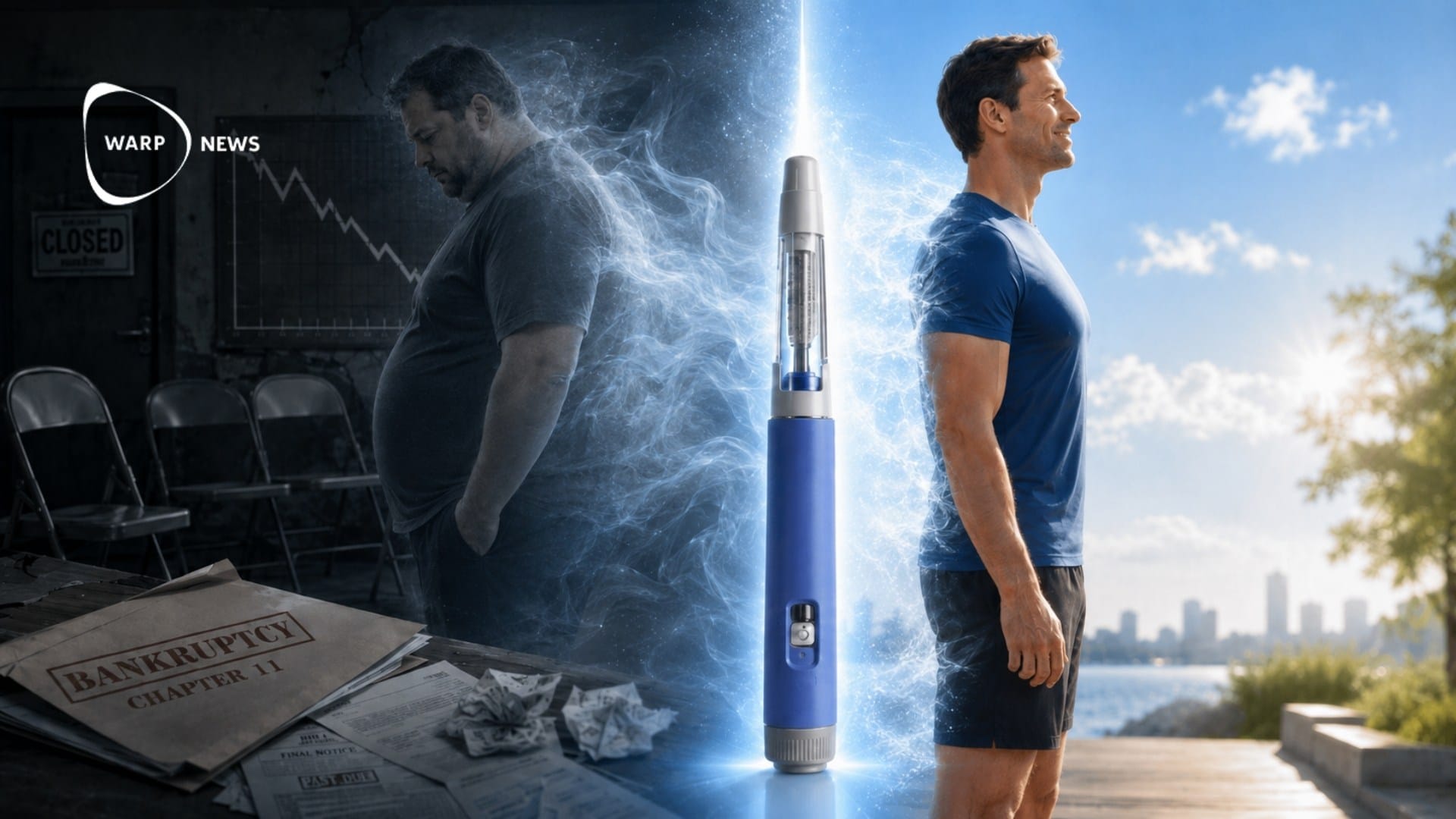
📉 WeightWatchers filed for bankruptcy because people lost too much weight
WeightWatchers did not fail because people stopped wanting to lose weight. It failed because they did lose weight, but in a different way. A way that points to a coming health revolution.

Share this story!
Last year, WeightWatchers in the U.S. filed for bankruptcy.
Have people stopped wanting to lose weight? No. On the contrary, the weight loss market grew.
Something else has happened.
Something that points to a coming health revolution.
The problem for WeightWatchers was that people were losing weight, but in a different way than counting points and attending group meetings. Instead, they used drugs such as Ozempic and Wegovy, GLP-1 drugs based on semaglutide.
The drugs reduce appetite, increase the feeling of fullness, and slow down digestion. Users describe it as “liquid willpower.” The craving for food goes quiet.
GLP-1 drugs also have positive effects on at least eleven other organs and bodily systems. They lower blood pressure, blood sugar, and inflammation. They also reduce cravings for alcohol, nicotine, and other addictive substances.
Ozempic is just the beginning
But this is just the beginning.
Semaglutide produces an average weight loss of 15 to 17 percent. The next generation drug, tirzepatide, produces 22 percent. Retatrutide, which is still under development, shows up to 28 percent.
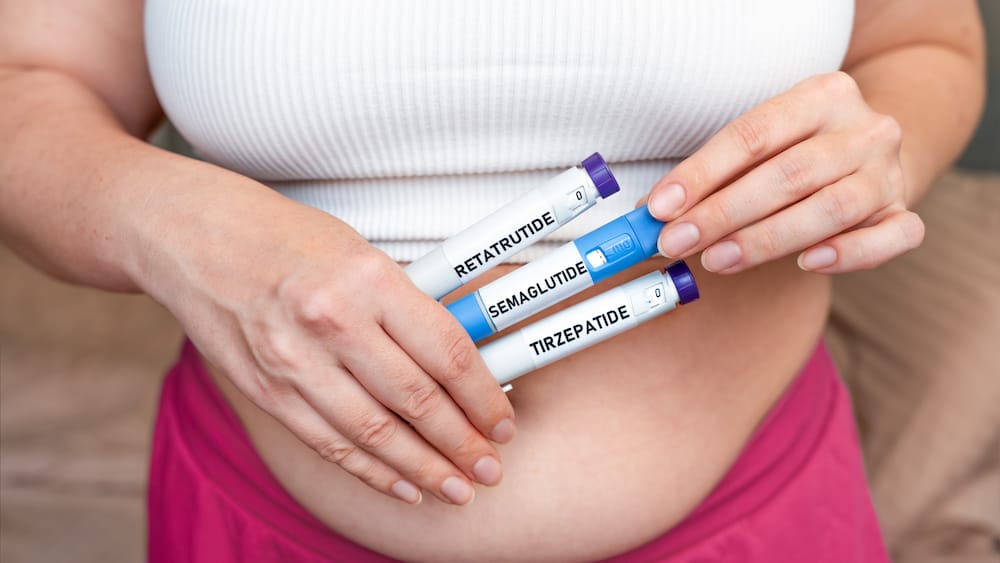
One drawback of GLP-1 is that people lose muscle mass while losing weight. Up to 40 percent of the weight loss can be muscle. The solution is another type of drug that blocks the ActRIIB receptor, which causes muscles to grow even without exercise. The first such drug, apitegromab, is expected to reach the market in mid-2026.
When GLP-1 is combined with muscle-building drugs, the result is simultaneous fat loss and muscle growth.
The think tank RethinkX calls this an “iPhone moment” and believes it will arrive before 2030, possibly as early as 2028.
Drugs to keep the body in good shape
In a report, they describe how we are at the beginning of a health revolution. How drugs are moving from being tools used when something has gone wrong, such as painkillers, antibiotics, or chemotherapy, to tools used continuously to keep the body in good shape.
The patent on semaglutide expires in 2026 in China, India, Brazil, and Canada, opening the door to cheap generic versions. RethinkX predicts prices as low as $10 per month by the mid-2030s.
The report describes how this will affect a wide range of industries. Junk food is expected to lose one-third of its demand. The alcohol industry will be hit hard. About two-thirds of GLP-1 users drink less, and the ten percent who drink the most account for 60 percent of all alcohol sales.
Make the drugs available to everyone
The report ends with a call to policymakers around the world: make these drugs widely available to all adults under medical supervision, in the same way as vaccines and contraceptives.
It is not a bad idea. Drugs that can prevent and reduce diseases and other health problems are obviously good for us humans, but they will also sharply reduce costs in healthcare and health systems.
Mathias Sundin
Angry Optimist
By becoming a premium supporter, you help in the creation and sharing of fact-based optimistic news all over the world.