
❤️ Health Tech
Health Tech, or digital health, helps us understand and take control of our own health. But we also cover more traditional health news like medicines, vaccines and medical procedures.
🦾 AI has designed an entirely new kind of vaccine for the first time
Ordinary vaccines target a current strain of a virus and quickly become outdated when it mutates. The new method instead makes it possible to design a vaccine that protects against an entire virus family at once.This means the vaccine can provide protection even against future mutations.

🧠 Several advances are changing the fight against Alzheimer's
For the first time, simple blood tests can show whether a person has Alzheimer's disease. Two drugs that slow the progression of the disease have been approved by the FDA. The number of patients researchers can screen for clinical trials has risen from a couple per day to several hundred.
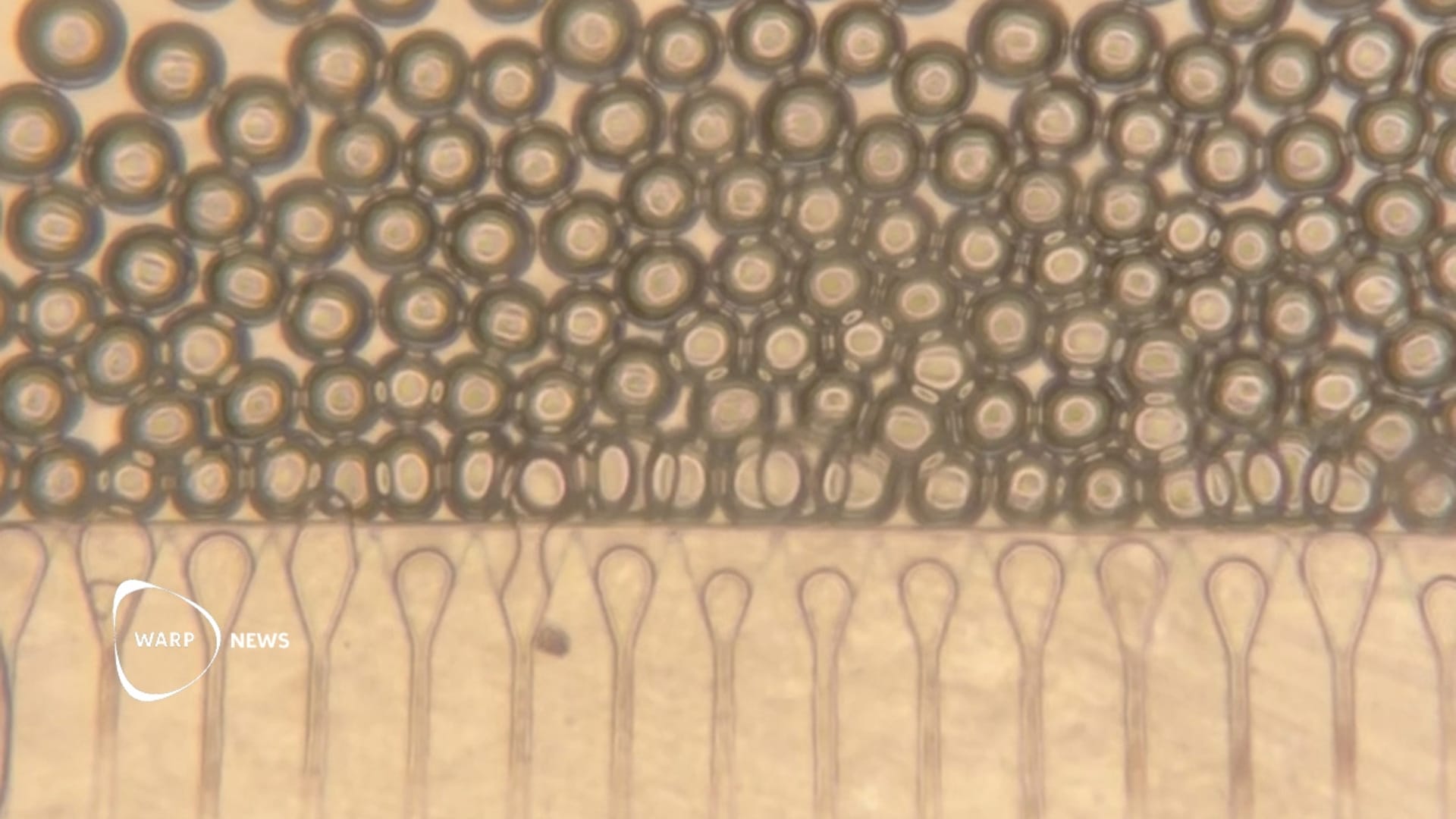
🫘 Injectable mini livers could become an alternative to transplantation
Researchers at MIT have developed mini livers that can be injected into the body and take over functions from a failing liver. The technology could help patients who are currently not healthy enough for a transplant.

🧬 A single gene-therapy dose could replace daily cholesterol medication
A single dose of the gene therapy VERVE-102, given as an infusion, lowered harmful cholesterol as much as today's medications do with repeated treatment. At the highest dose, harmful cholesterol fell by an average of 62 percent.

🎗️ Now cancer vaccines are coming
The immune system can now be used to treat several types of cancer, and more than 2,500 immunotherapies are in development. Cancer vaccines have also started to show results in clinical trials, against melanoma, pancreatic cancer, and brain tumors, among others.
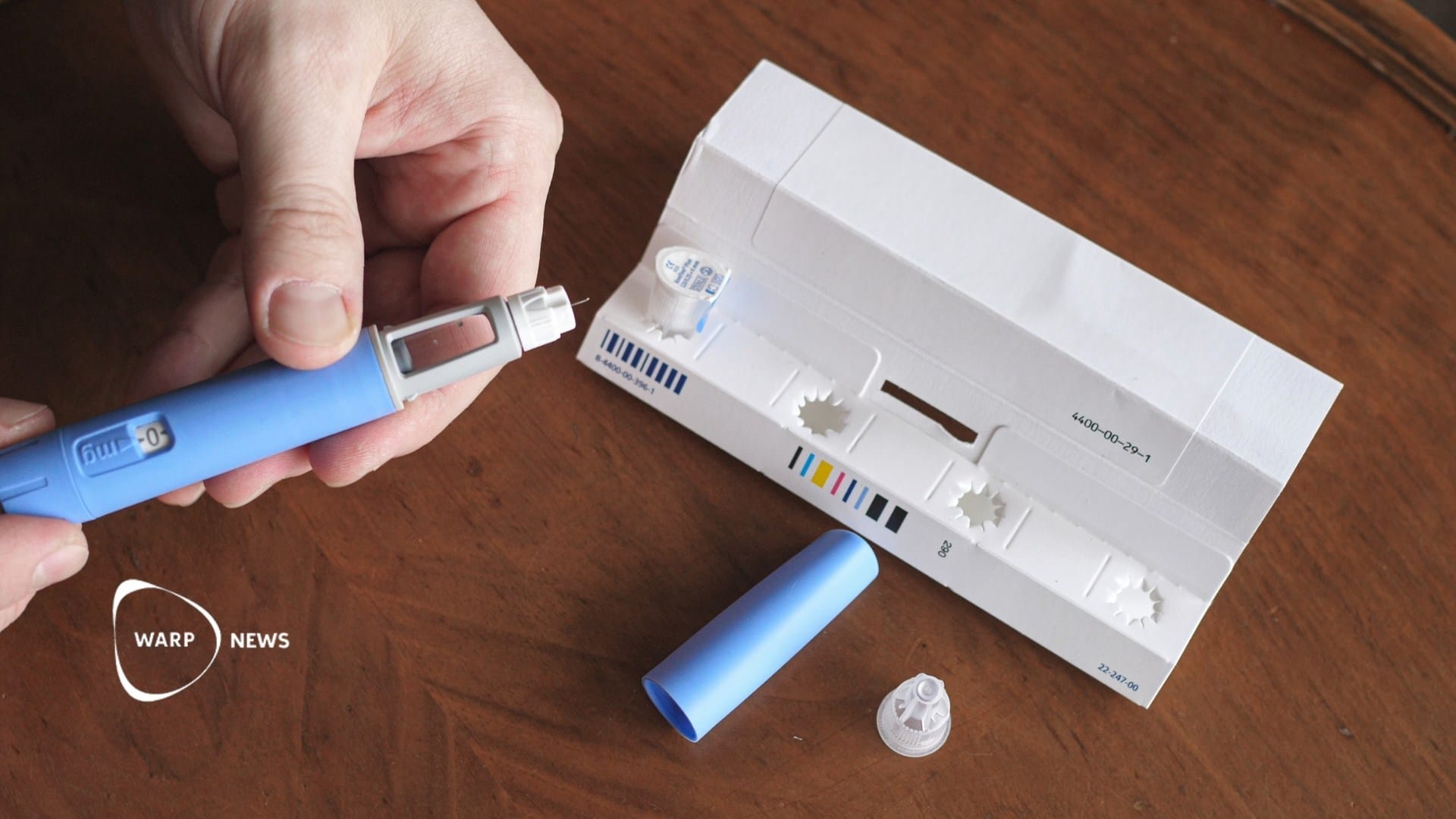
💊 GLP-1 drugs, such as Ozempic, linked to lower risk of cancer progression
Among women with breast cancer, more than 95 percent of GLP-1 users were alive after five years, compared to 89.5 percent of non-users. Women who had taken a GLP-1 drug had about 25 percent lower risk of receiving a breast cancer diagnosis.
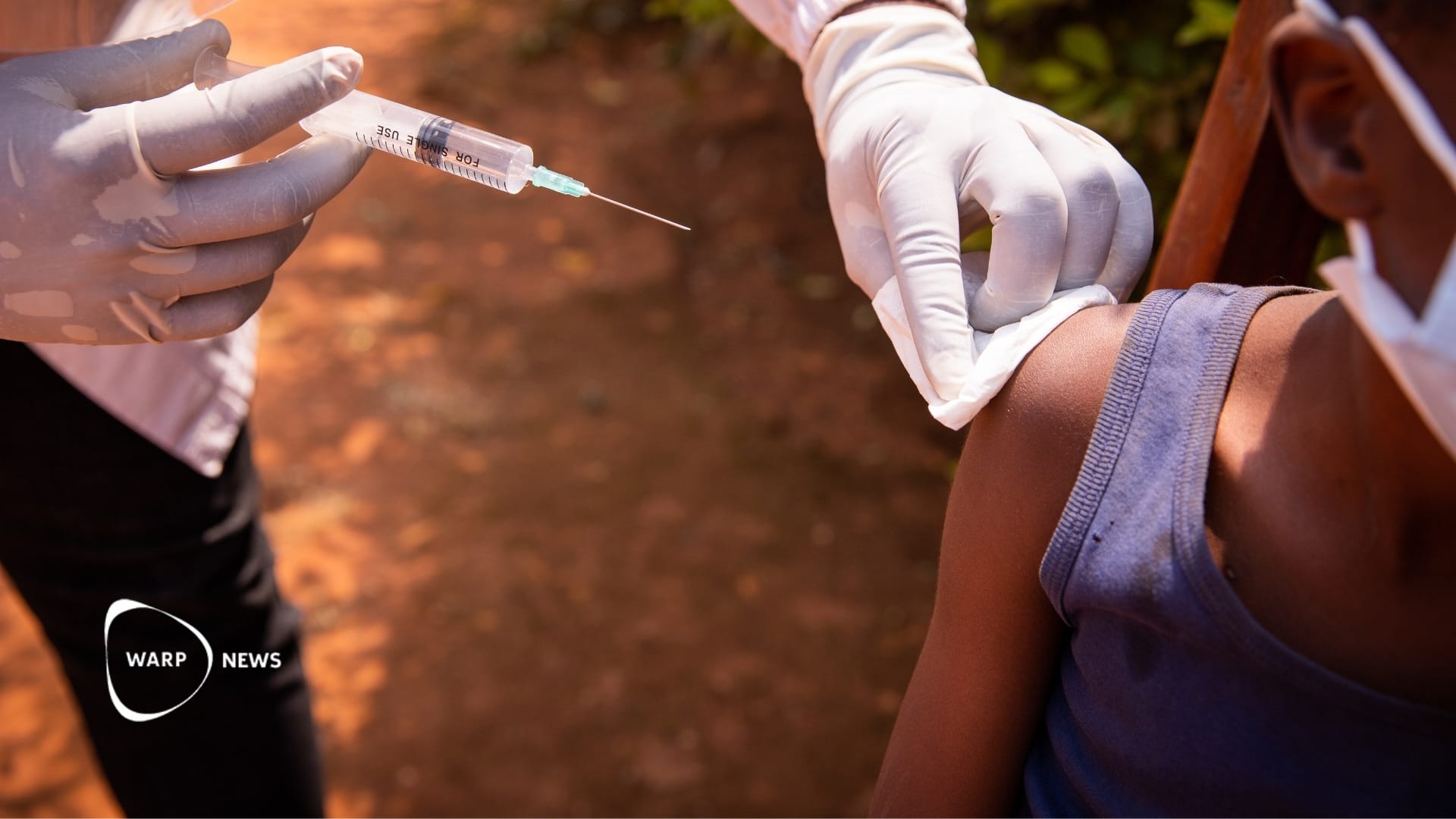
👩💻 Open source helps reach millions of unvaccinated children
Many countries have long collected vaccination data on paper or in Excel, causing delays and gaps. Now the University of Oslo and Gavi have built digital systems in 40 low- and middle-income countries. The result: hundreds of thousands of children vaccinated – in Mozambique and Kenya alone.
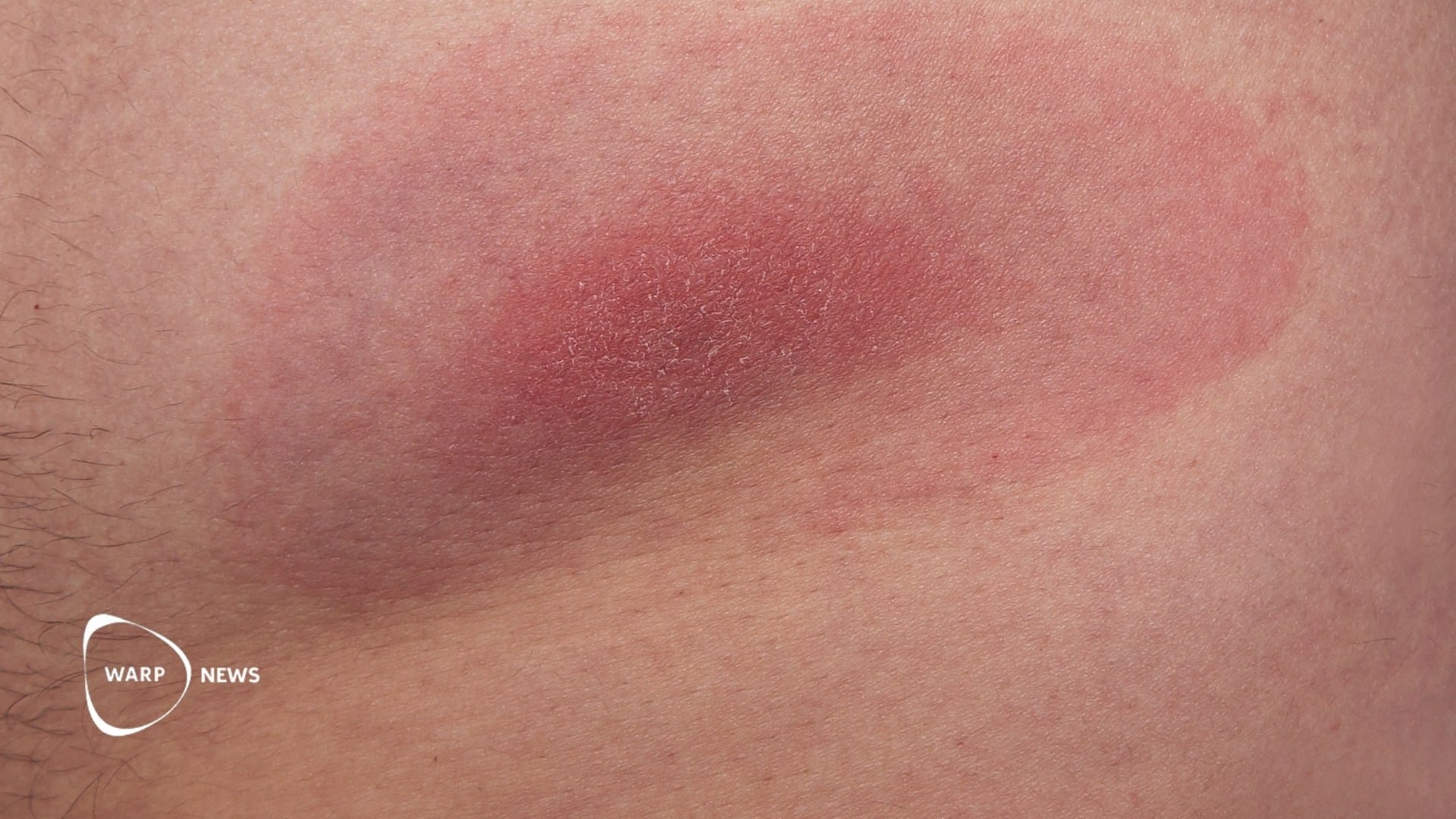
💉 New vaccine reduced Lyme disease cases by 70 percent in clinical trial
Pharmaceutical companies Pfizer and Valneva report that their Lyme disease vaccine LB6V reduced the number of disease cases by around 70 percent compared with placebo. It would become the first approved Lyme disease vaccine for humans in nearly three decades.
🧬 From 13% to 88%: This many survive pancreatic cancer thanks to new vaccine
Pancreatic cancer is one of the deadliest cancers. Fewer than 13 percent of those diagnosed survive more than five years. But after receiving a new mRNA vaccine, nearly 90 percent are still alive six years later.