
❤️ Health Tech
Health Tech, or digital health, helps us understand and take control of our own health. But we also cover more traditional health news like medicines, vaccines and medical procedures.
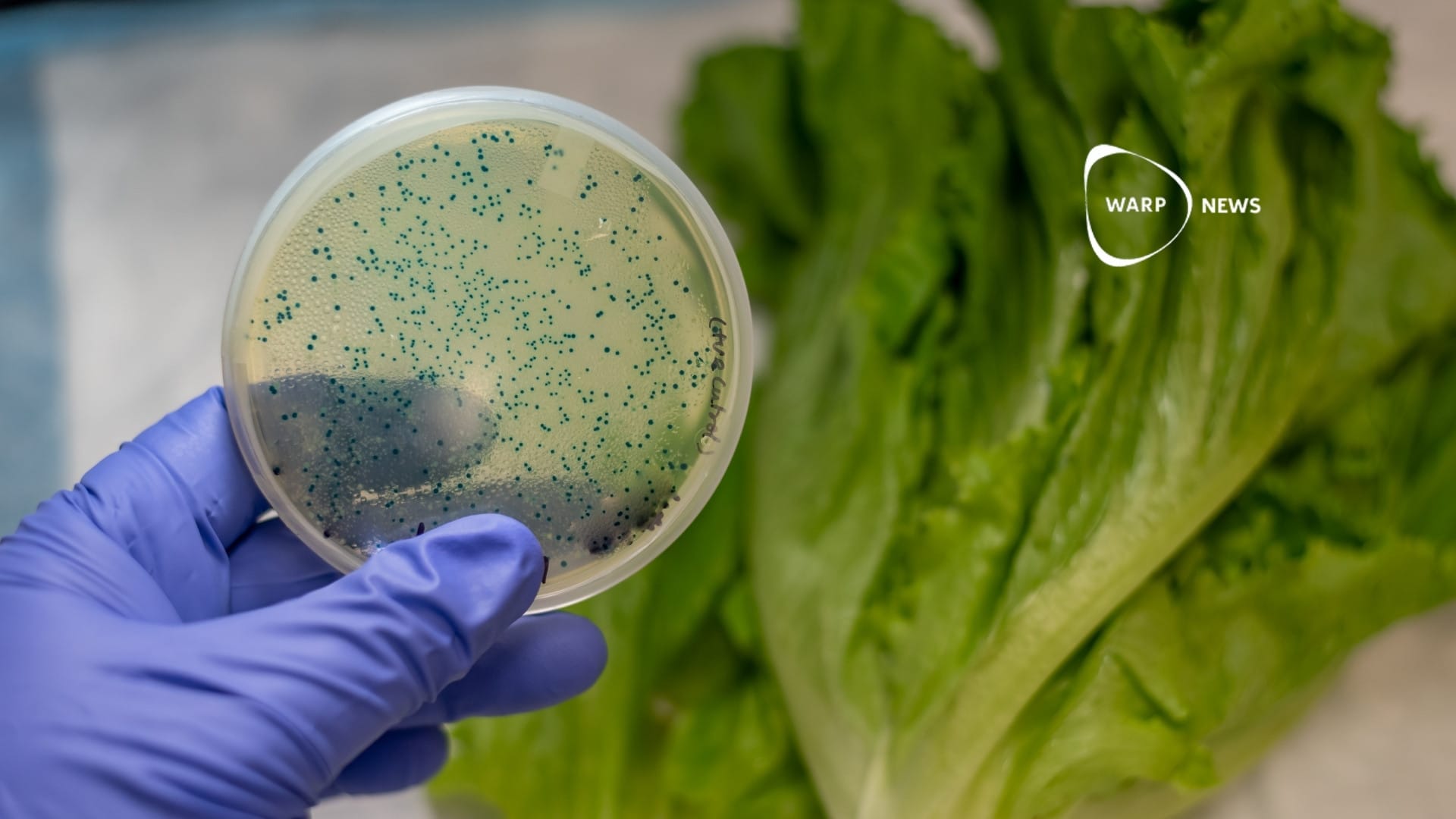
🦠 AI creates viruses that kill E. coli bacteria
AI models have designed 16 working viruses that can attack E. coli bacteria in the laboratory. The development of the technology could lead to new treatments against antibiotic-resistant bacterial infections.

🎗️ Nearly everyone survives prostate cancer
Nearly 98 percent of patients with prostate cancer are alive at least five years after diagnosis in 2021.
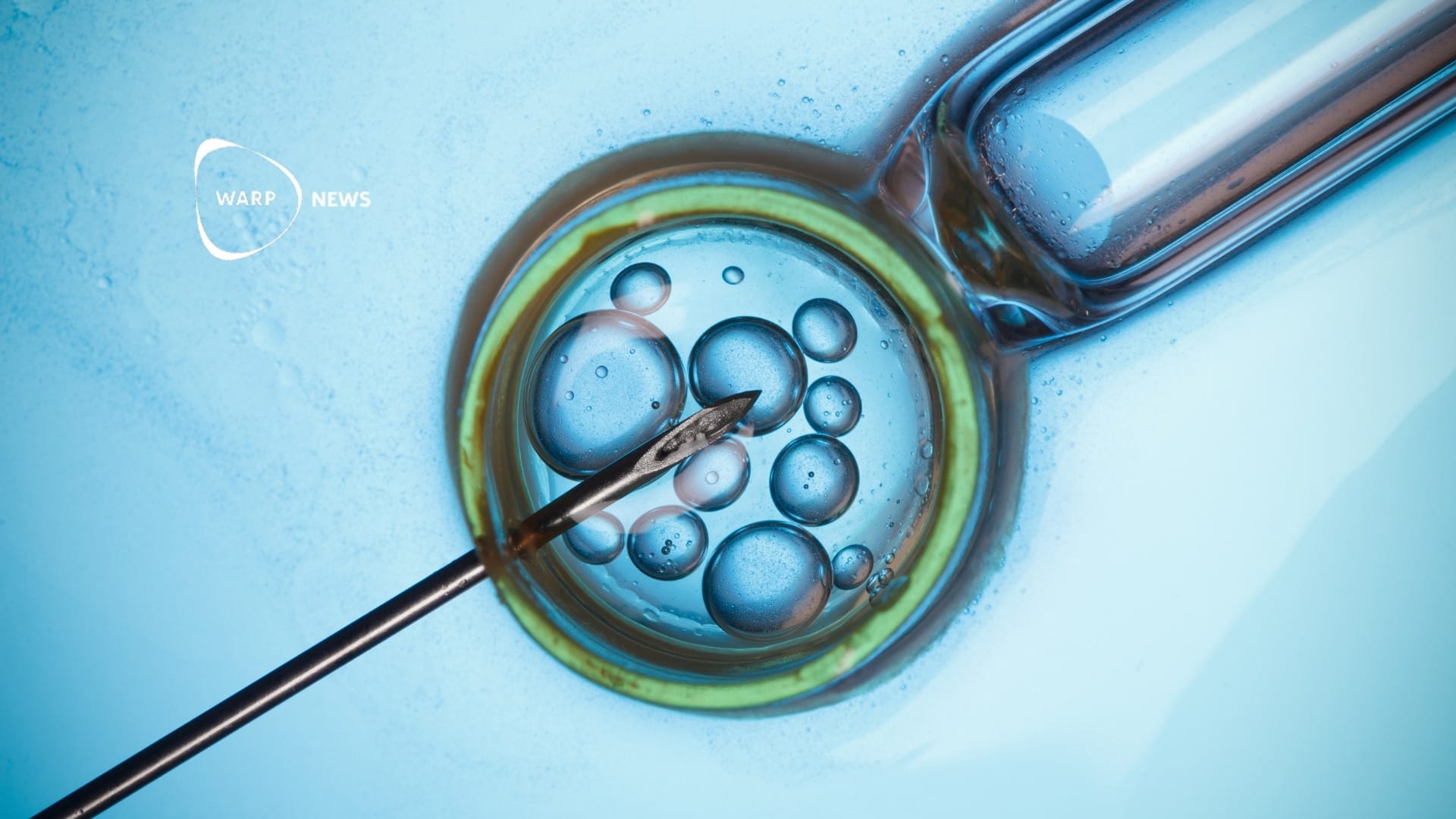
🧫 Robots and AI help couples have children through IVF
At least 20 children have already been born through clinical trials where robots and AI perform IVF treatment with minimal human intervention.
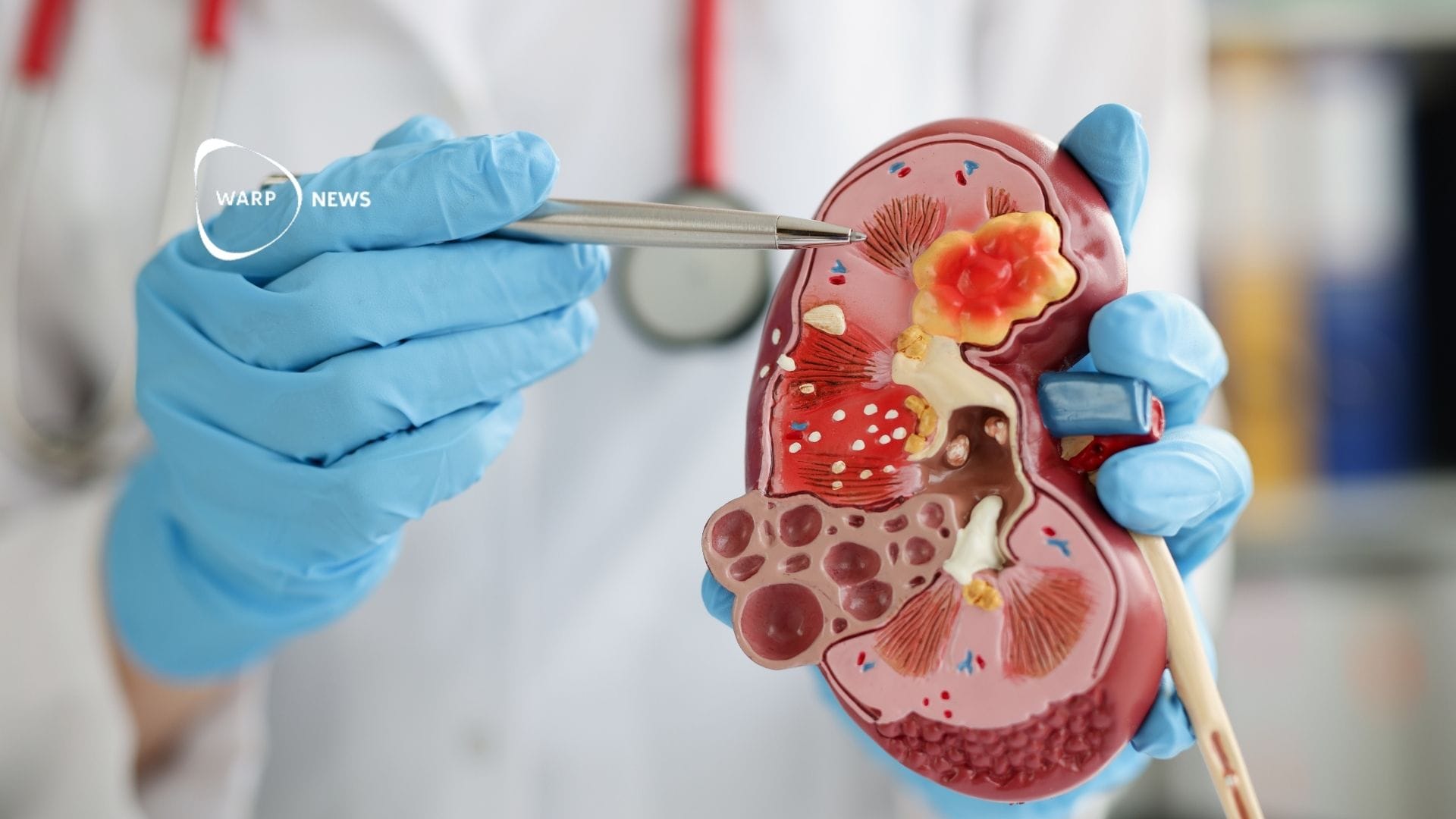
🥼 Lab-grown kidneys getting closer
Researchers have created kidney organoids that develop complex internal structure and produce urine when transplanted in mice.

📱 Headphones and smartphones become medical devices
The FDA has approved AirPods as over-the-counter hearing aids for adults with mild to moderate hearing loss.

💵 HIV medicine price drops from $28,000 to $40
The lower cost applies to 120 low- and middle-income countries and takes effect in 2027.

✂️ New CRISPR technique makes gene editing much safer
Scientists have created a new version of CRISPR gene editing that makes 60 times fewer errors than before.
🧬 For the first time: Gene therapy slows Huntington's disease by 75%
The study shows that patients who received high doses had fewer symptoms and produced 8.2 percent less of a protein that indicates dying nerve cells.
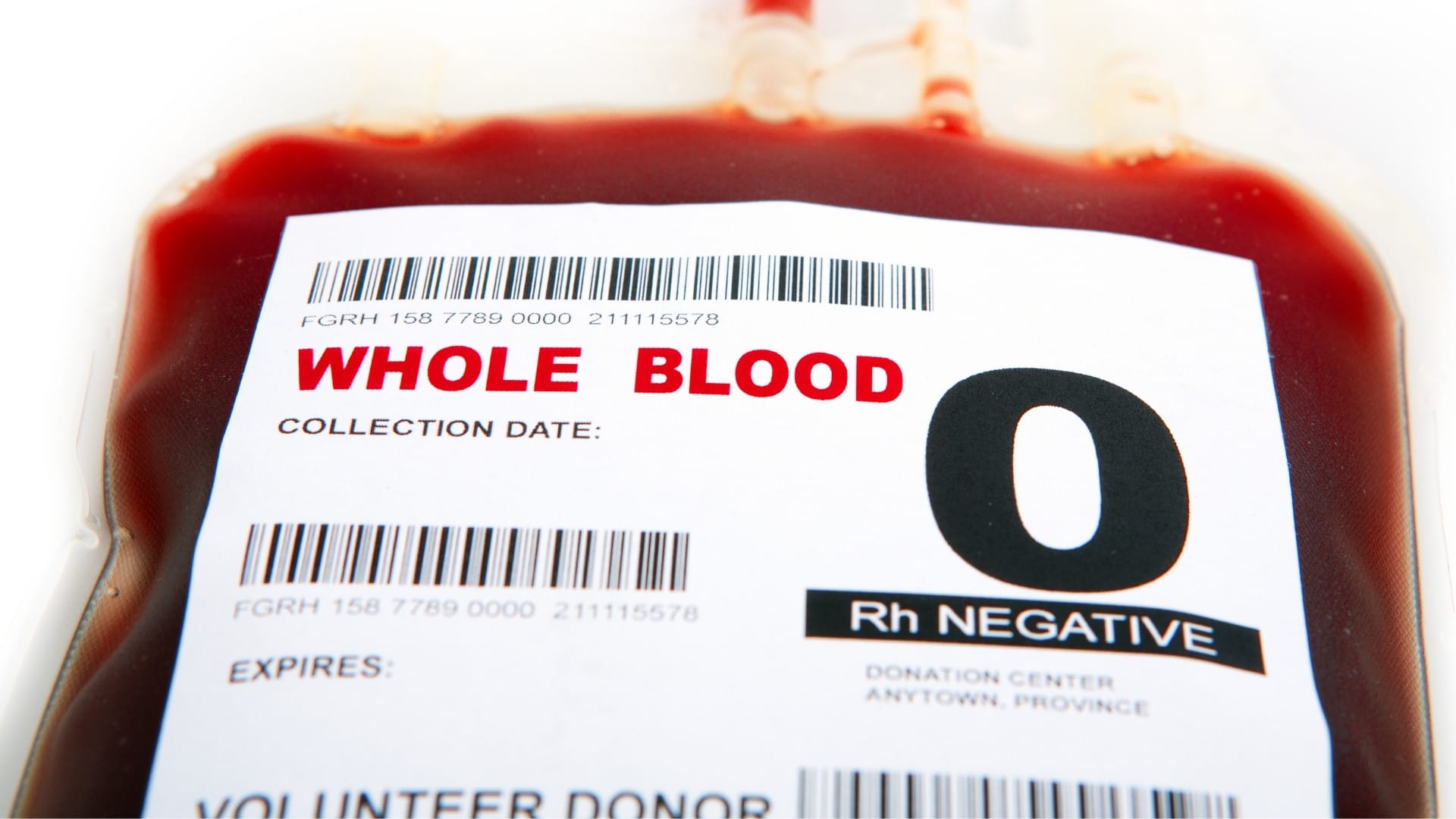
🅾️ Biotech company develops blood type that fits all patients
RedC Biotech develops technology to produce universal red blood cells that can be transfused to all patients. The technology eliminates the need for blood donors by cultivating blood cells from stem cells in large bioreactors.