
📈 Human Progress
In the last decades humanity has made great progress with less extreme poverty, increased health, wealth and democracy. We follow in the tradition of professor Hans Rosling.
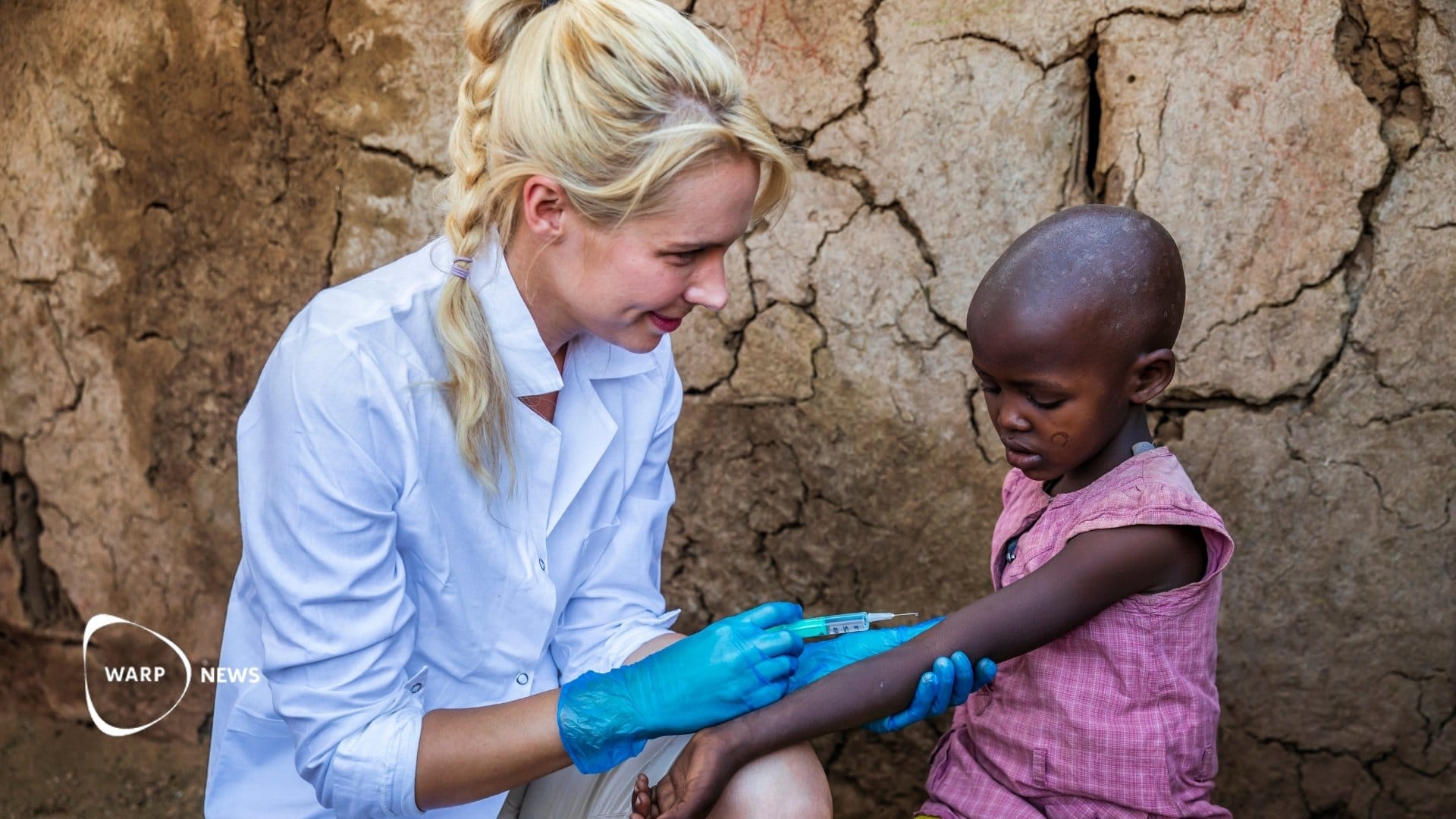
🧒 First vaccine that protects children from deadly E. coli infections
ETVAX is the first vaccine to show significant protection against E. coli infections in humans. The vaccine reduced moderate-to-severe diarrhea in infants under nine months by 68 percent. A phase 3 trial with 5,800 infants from low- and middle-income countries is about to begin.
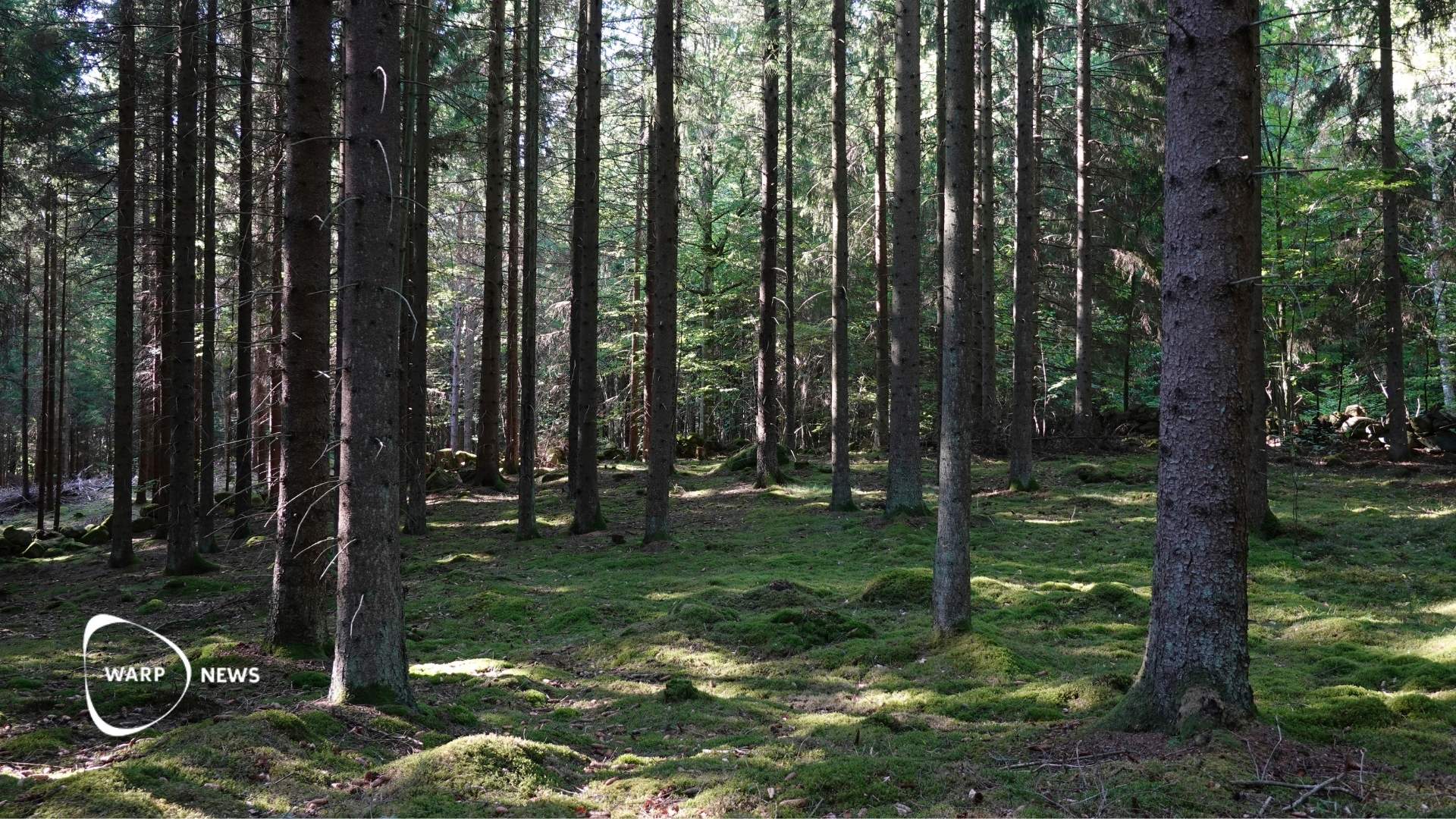
🌲 Sweden's forests are growing – every harvested tree is replaced with two to three new seedlings
Sweden has twice as much old-growth forest compared to 30 years ago, according to the National Forest Inventory. The timber volume in Swedish forests has doubled since the 1920s.

📉 UK emissions at lowest level since 1872
Greenhouse gas emissions fell by 2.4 percent in 2025 and are now 54 percent below 1990 levels. Coal use halved and is at its lowest since 1600, while gas use dropped to the lowest level since 1992.
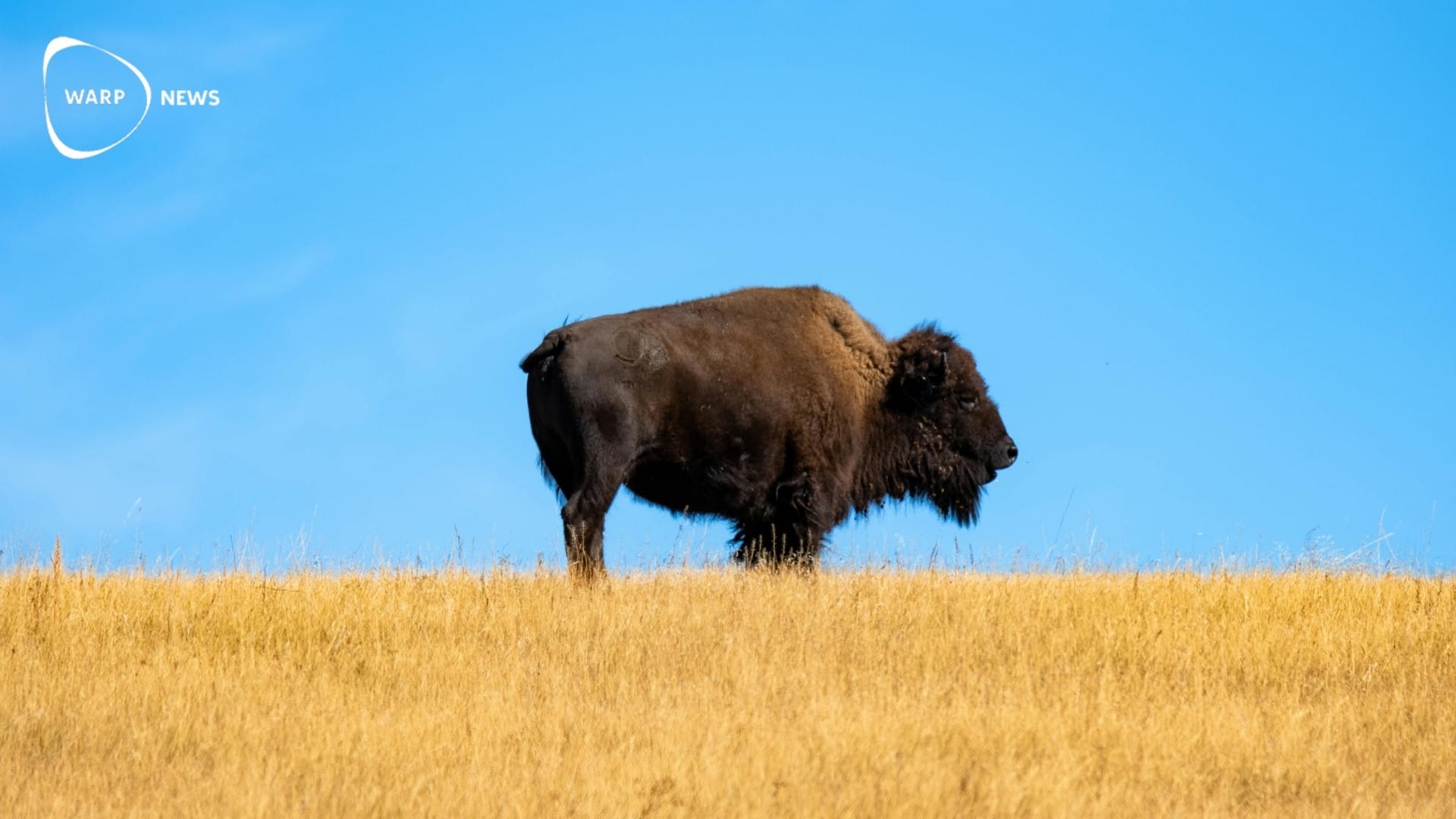
🐂 European bison have increased from 60 to 9,000 – now the species expands in Spain
Nine European bison have been released in the Iberian Highlands in Spain as part of an international research study. The number of European bison has increased from just over 2,500 to around 9,000 individuals over the past decade.

🚯 Over 25 million kilograms of trash removed from oceans and waterways in 2025
The organization's total amount of collected trash has now surpassed 45 million kilograms. A new program, the 30 Cities Program, will tackle a third of all plastic waste reaching the oceans from the world's most polluted urban areas.

🌊 The Soviet Union drained the Aral Sea – now it's filling up again
The Aral Sea was once the world’s fourth-largest lake. When the Soviet Union diverted two rivers for cotton farming, it shrank rapidly. Now the trend has reversed: the North Aral Sea’s surface has grown by 36% in 20 years, water volume has nearly doubled, and 20 fish species have returned.
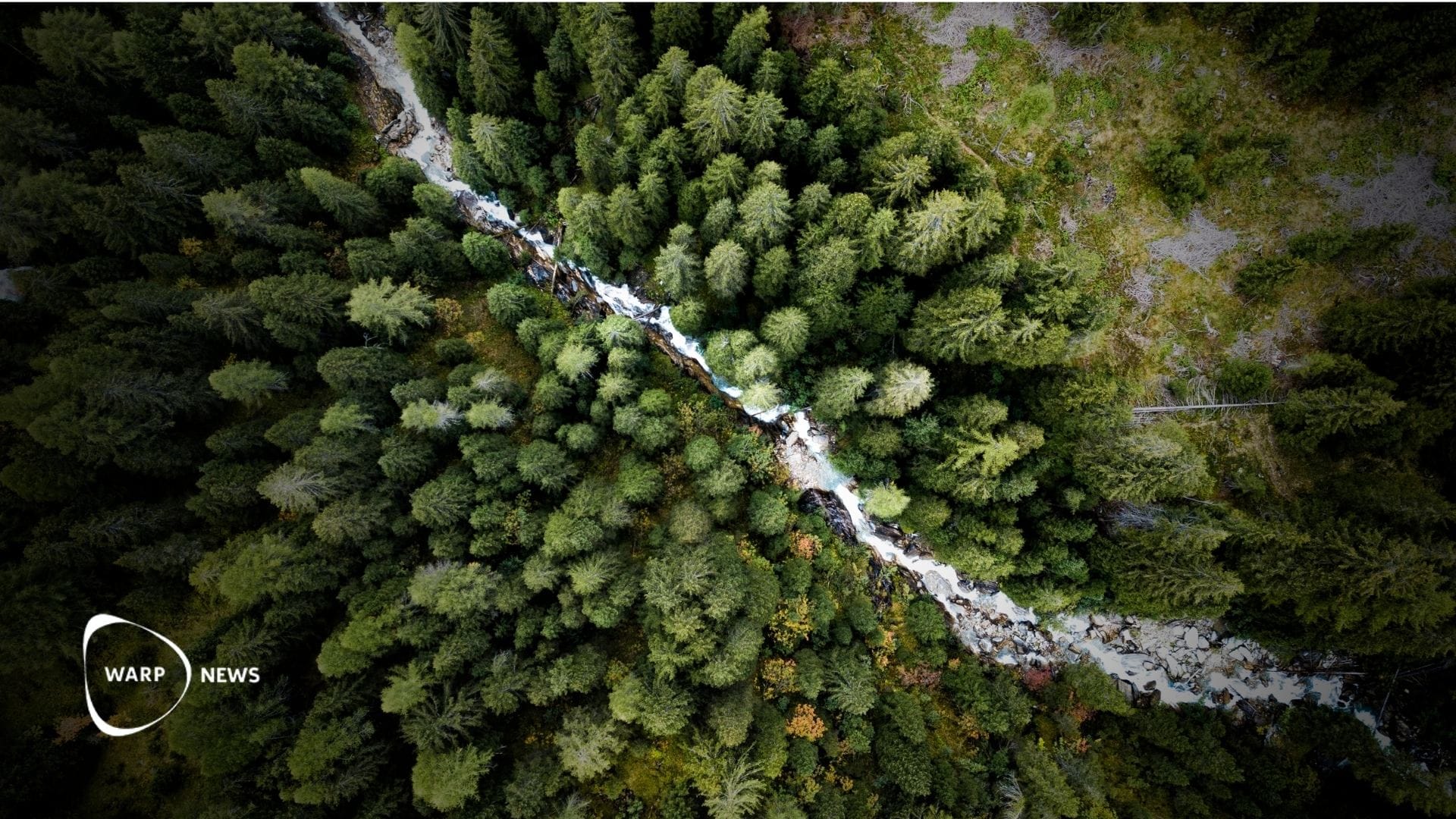
🌲 Deforestation is slowing down – forests are expanding in more and more regions
In the past, forests around the world were cut down on a massive scale. But that has changed in recent decades. Deforestation still continues in some regions, but in others the trend has reversed. Forest area is now increasing in more parts of the world than it is decreasing in.
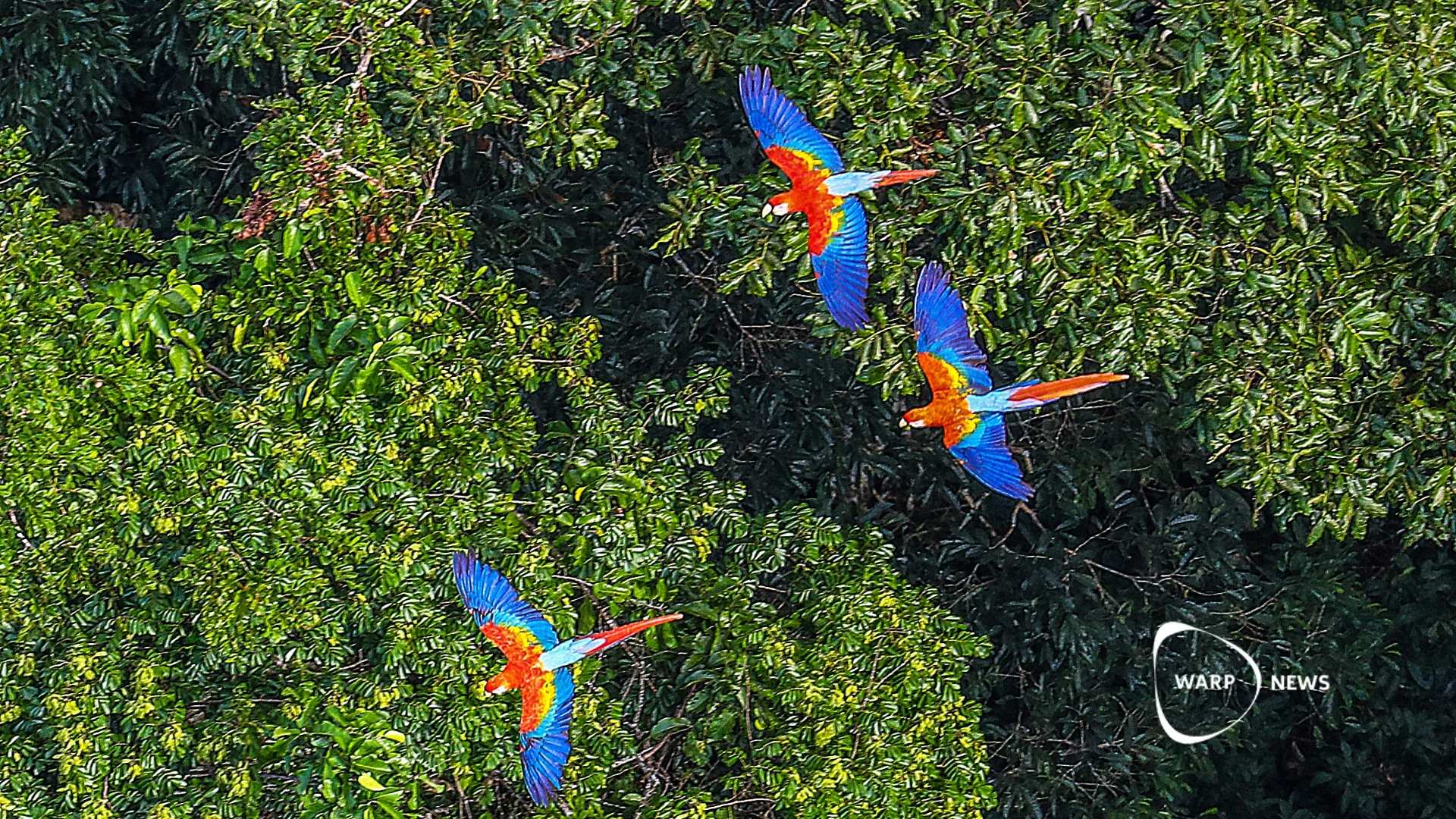
🌳 Amazon deforestation continues to decline – lowest level since 2014
Satellite data shows that deforestation in the Amazon between August 2025 and January 2026 dropped to 1,325 square kilometers, the lowest level for the period since 2014. Total deforestation over the past twelve months decreased to 3,770 square kilometers, also the lowest figure since 2014.

🦟 Bacteria in mosquitoes reduced dengue cases by 70 percent in Singapore
In a two-year experiment in Singapore, the number of wild mosquitoes decreased by 77 percent in areas where Wolbachia-infected male mosquitoes were released. Residents in treated neighborhoods had approximately 70 percent lower risk of developing symptomatic dengue.