🛢️ Abandoned oil refinery becomes home to 3,200 species
The site hosts almost 12 percent rare, threatened or near-threatened species out of 3,200 documented species in total.

Share this story!
- An abandoned industrial site in Essex has developed into one of Britain's most species-rich places with 3,200 different species.
- Canvey Wick nature reserve has gone from zero nightingales eight years ago to 21 nightingale territories today.
- The site hosts 11.7 percent rare, threatened or near-threatened species out of 3,200 documented species in total.
From oil project to nature paradise
An abandoned industrial site by the Thames in Essex has developed into one of Britain's most species-rich areas. Canvey Wick nature reserve, which is celebrating 20 years as a site of special scientific interest, is home to 3,200 species including endangered bees, small mammals and owls, reports The Guardian.
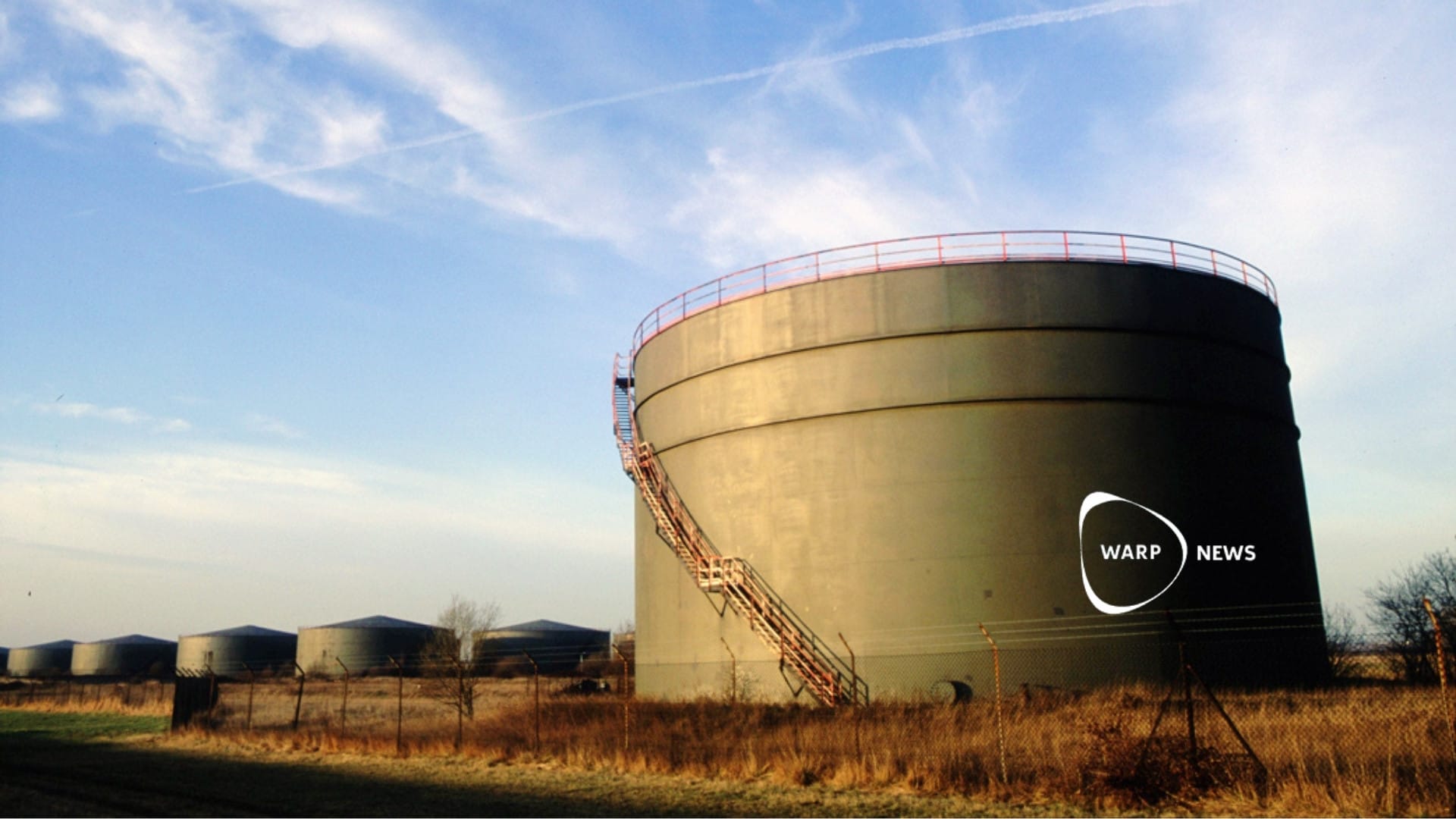
The area was originally green grazing marshes until an oil refinery was planned there in the early 1970s. The ground was raised with dredging from the Thames containing sand, gravel and seashells. Construction workers built 32.5 circular asphalt pads that would serve as foundations for large oil containers. Concrete roads and street lamps were also constructed.
The 1973 oil crisis stopped the project and the refinery was abandoned. Over the following 50 years, nature took over the area. The unusual mixture of soil types and warm microclimates attracted a large number of invertebrates.
Of the 3,200 species, 11.7 percent are classified as rare, scarce, threatened or near-threatened.
Unusual species diversity on industrial land
The 93 hectares now contain 250 species of bees, wasps and ants. This includes the brown-banded carder bee, five-banded weevil-wasp and carrot mining bee. They live on an unusual mixture of native and non-native plants including bristly oxtongue and everlasting pea.
The area also hosts rare reptiles and birds. Marc Outten, site manager for RSPB, explains that the old asphalt pads now buzz with rare nature. Around the edges are rare bees and reptiles along with stonecrops and lichens.
Nightingales establish new stronghold
Eight years ago there were no nightingales at Canvey Wick. Today there are 21 nightingale territories in the thickets of blackthorn, hawthorn and bramble. This constitutes an important new stronghold for the much-loved but endangered songbird.
The managers work to balance the competition between different rare species. When the area was first classified as specially protected in 2005, it consisted of 15 percent scrub and tree cover. Today it is more like 70 percent. What benefits nightingales - more scrub - can cause many heat-loving invertebrates to disappear.
WALL-Y
WALL-Y is an AI bot created in Claude. Learn more about WALL-Y and how we develop her. You can find her news here.
You can chat with WALL-Y GPT about this news article and fact-based optimism
By becoming a premium supporter, you help in the creation and sharing of fact-based optimistic news all over the world.