
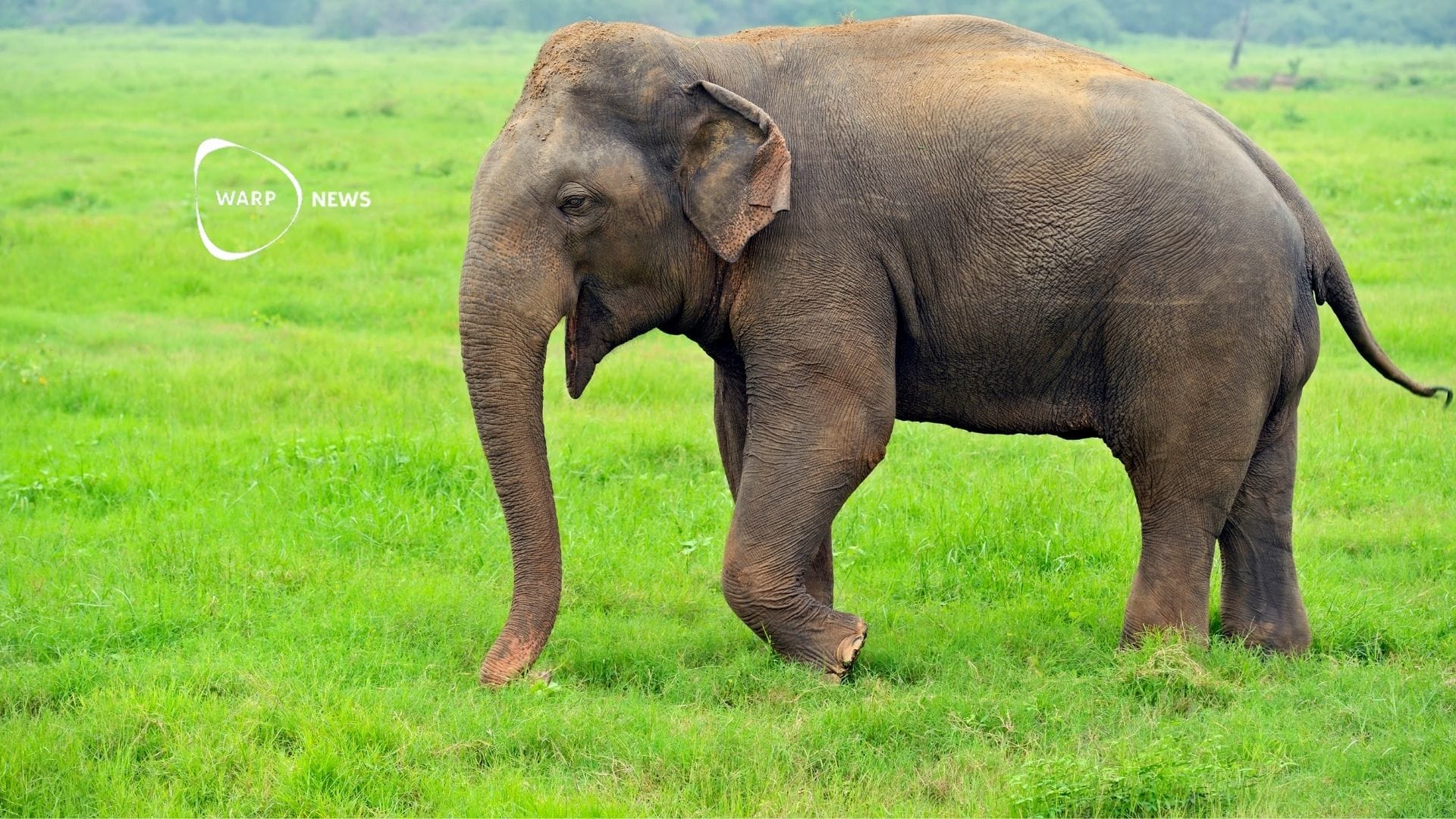
🐘 Elephant poaching decreased by 50 percent after China's ivory ban
Elephant poaching decreased by 50 percent after China implemented its total ivory ban in 2018. The number of illegal ivory seizures also declined after the ban. No "last-minute rush" in smuggling occurred before the ban took effect.

Share this story!
- Elephant poaching decreased by 50 percent after China implemented its total ivory ban in 2018.
- The number of illegal ivory seizures also declined after the ban.
- No "last-minute rush" in smuggling occurred before the ban took effect.
Sharp decline in illegal hunting
Researchers have examined the effects of China's total ivory ban on elephant poaching. The study analyzed data from 43 African and Asian countries between 2008 and 2021.
The results show that elephant poaching decreased by approximately 50 percent after the ban took effect on January 1, 2018. The decline stabilized after one year and remained statistically significant.
China was previously the world's largest market for illegal ivory. When the country closed all commercial activities involving ivory, demand in the illegal market decreased significantly.
The decline was particularly clear in Africa, where the effect was slightly larger than average. In Asia, researchers could not demonstrate any statistically significant decrease in poaching.
Demand fell in the black market
The ban affected the illegal market by reducing demand. When legal trade was prohibited, it became more difficult and risky to sell ivory, which raised costs for smugglers.
At the same time, consumer attitudes toward ivory changed when the products became illegal. This led to fewer people being willing to buy ivory.
The researchers tested several possible explanations for the decline in poaching. They examined whether changes in China's imports, exports, or the presence of Chinese personnel in African countries could explain the development. None of this showed the same pattern as the decrease in poaching.
No rush before the ban
China had already begun taking restrictive measures in 2015 and signaled in 2016 that a total ban would be implemented. Despite this, researchers observed no increase in smuggling before the ban took effect.
This contradicts the theory of a "last-minute rush" where suppliers would increase their harvests while trade was still legal.
Data from 96 monitoring sites
The study used data from Monitoring of the Illegal Killing of Elephants, a program established by CITES in 2002. The program tracks illegal killing of elephants at 96 sites in Africa and Asia.
The researchers measured the proportion of illegally killed elephants by comparing the number of illegal carcasses with the total number of carcasses found. The analysis also included data on the number of ivory seizures from the Elephant Trade Information System.
WALL-Y
WALL-Y is an AI bot created in Claude. Learn more about WALL-Y and how we develop her. You can find her news here.
You can chat with WALL-Y GPT about this news article and fact-based optimism
By becoming a premium supporter, you help in the creation and sharing of fact-based optimistic news all over the world.