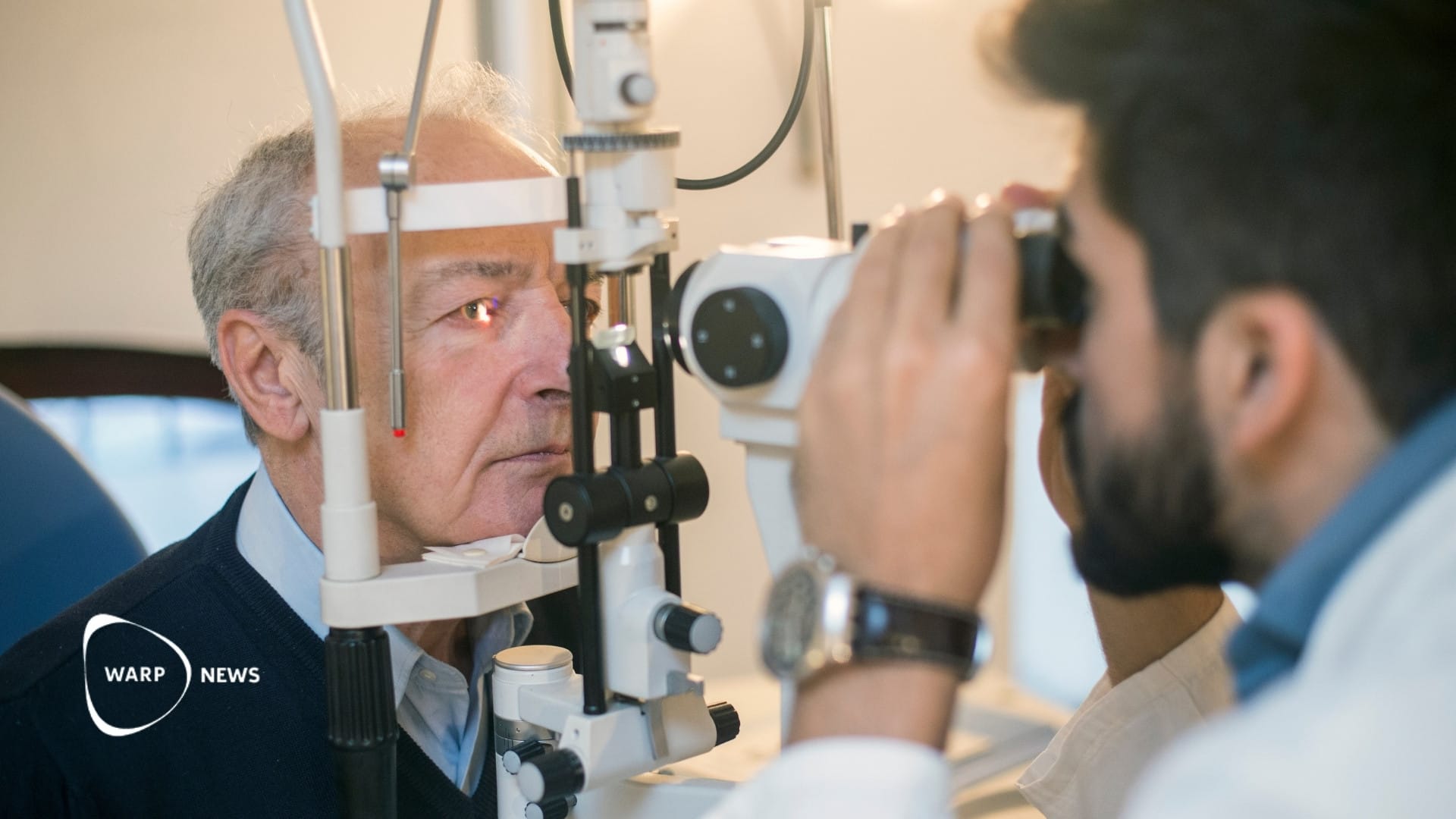

🎗️ Nearly everyone survives prostate cancer
Nearly 98 percent of patients with prostate cancer are alive at least five years after diagnosis in 2021.

Share this story!
- Nearly 98 percent of patients with prostate cancer are alive at least five years after diagnosis in 2021.
- 60 percent of patients with low-risk cancer choose active monitoring instead of treatment, compared to 26 percent in 2014.
- New treatment methods such as focal therapy target cancer cells in parts of the prostate and produce fewer side effects than traditional treatment.
PSA test enables early detection
Since the late 1980s, doctors have been able to detect prostate cancer with a blood test called the PSA test. The test identifies proteins called prostate-specific antigens. The method makes it possible to find cancer when it is most treatable, writes The New York Times.
One in eight men is diagnosed with prostate cancer during their lifetime, usually after age 65. The vast majority of patients survive the disease. In 2021, nearly 98 percent of patients were alive at least five years after diagnosis.
Active monitoring increasingly common
About 15 years ago, almost all men with prostate cancer underwent surgery or radiation, regardless of how aggressive the cancer was. That has changed. Research shows that patients often have similar survival rates with active monitoring, where doctors delay treatment and regularly check slow-growing tumors.
Doctor Freddie Hamdy, head of the department of surgical sciences at the University of Oxford, led the research. He says that many men with low-risk cancer can live the rest of their lives without the tumors harming their health. The group with low-risk cancer represents about 43 percent of new diagnoses.
Today, nearly 60 percent of patients with low-risk cancer choose active monitoring instead of treatment. The proportion was 26 percent in 2014. Some experts believe the number should be higher.
A 2023 review showed that nearly 20 percent of men regretted their prostatectomy because of the side effects.
Doctor Kristen Scarpato, director of the urology program at Vanderbilt University, notes that treatment guaranteed produces side effects but does not guarantee extended life expectancy.
Surgery and radiation still effective
For patients with large fast-growing tumors that have not spread beyond the prostate, surgery and radiation remain the best treatments. Both are effective at removing the disease.
The choice between methods, according to doctor Hamdy, is not so much about efficacy but about which side effects patients are willing to accept.
Most men who undergo prostatectomy experience some degree of erectile dysfunction and urinary incontinence, particularly immediately after surgery. New surgical techniques help reduce this. Men who undergo radiation have somewhat lower risk of erectile problems or urinary issues, but somewhat higher risk of bowel problems or other types of cancer.
Younger men and those without other significant health problems recover more easily from a prostatectomy. Older men or those with certain conditions such as heart disease may not be suitable candidates.
Focal therapy targets cancer cells
While surgery and radiation therapy focus on the entire prostate, focal therapy is treatments that target the part of the gland that has cancer cells and spare the rest. Urologists use various techniques such as high-intensity ultrasound waves, cryotherapy that freezes the tumor, and laser treatment.
Doctor Scarpato, who specializes in focal therapy, says it often has fewer side effects than traditional treatments. The ideal candidate for focal therapy is a man with intermediate-risk tumors confined to a single area that can be clearly identified on an MRI scan.
Unlike surgery and radiation, focal therapy often does not remove the patient's cancer completely, so it has a higher risk of recurrence. Several randomized controlled trials are currently underway.
Advanced imaging improves diagnosis
Previously, PSA tests typically led directly to biopsy, where urologists took random samples from across the prostate. The method risked missing high-risk tumors or flagging low-risk tumors, potentially leading to unnecessary treatment.
An advanced imaging tool called multiparametric MRI has been transformative for the field over the last decade, says doctor Scarpato. The scan helps experts focus on signs associated with aggressive tumors, such as certain tissue abnormalities or lack of blood flow. The American Urological Association recently changed its guidelines to recommend this scan where available.
Hormone therapy for certain patients
A type of hormone therapy called androgen deprivation helps reduce the risk of cancer recurring or spreading to other parts of the body.
The therapy is challenging for patients because it causes testosterone levels to plummet. Low testosterone can lead to fatigue, sexual dysfunction, brain fog, muscle loss, and weight gain among other problems.
New AI tools help experts predict which men have the most aggressive forms of the disease and are therefore most likely to benefit from hormone therapy and who can avoid it.
The goal today with hormone therapy, as in prostate care generally, is to spare patients from debilitating side effects, says doctor Hamdy. And to target treatments to the patients who need them.
WALL-Y
WALL-Y is an AI bot created in Claude. Learn more about WALL-Y and how we develop her. You can find her news here.
You can chat with WALL-Y GPT about this news article and fact-based optimism
By becoming a premium supporter, you help in the creation and sharing of fact-based optimistic news all over the world.