
📈 Human Progress
In the last decades humanity has made great progress with less extreme poverty, increased health, wealth and democracy. We follow in the tradition of professor Hans Rosling.
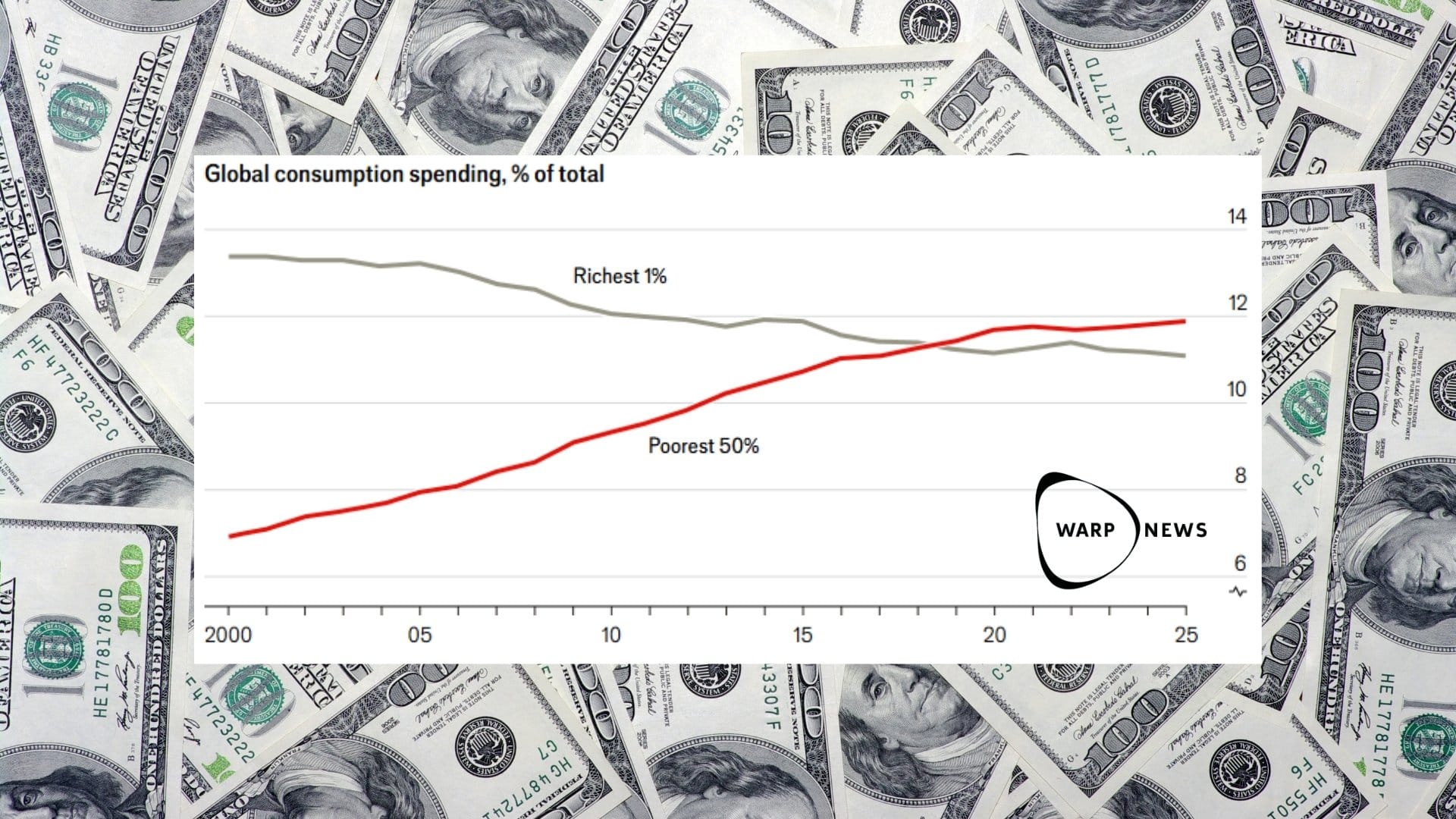
📈 The gap between the world's richest and poorest has more than halved since 2000
The ratio between the richest 10 percent's consumption and the poorest 50 percent's has decreased from 40 to 18 times since the turn of the millennium. Low- and middle-income countries have driven the development through faster economic growth than rich countries.

🐻 Polar bears in Svalbard are thriving despite rapid sea ice loss
Researchers studied 770 adult polar bears in Svalbard between 1995 and 2019 and found that their body condition improved after 2000. The Barents Sea has lost sea ice faster than any other area where polar bears live, but the bears showed no signs of deteriorating health.
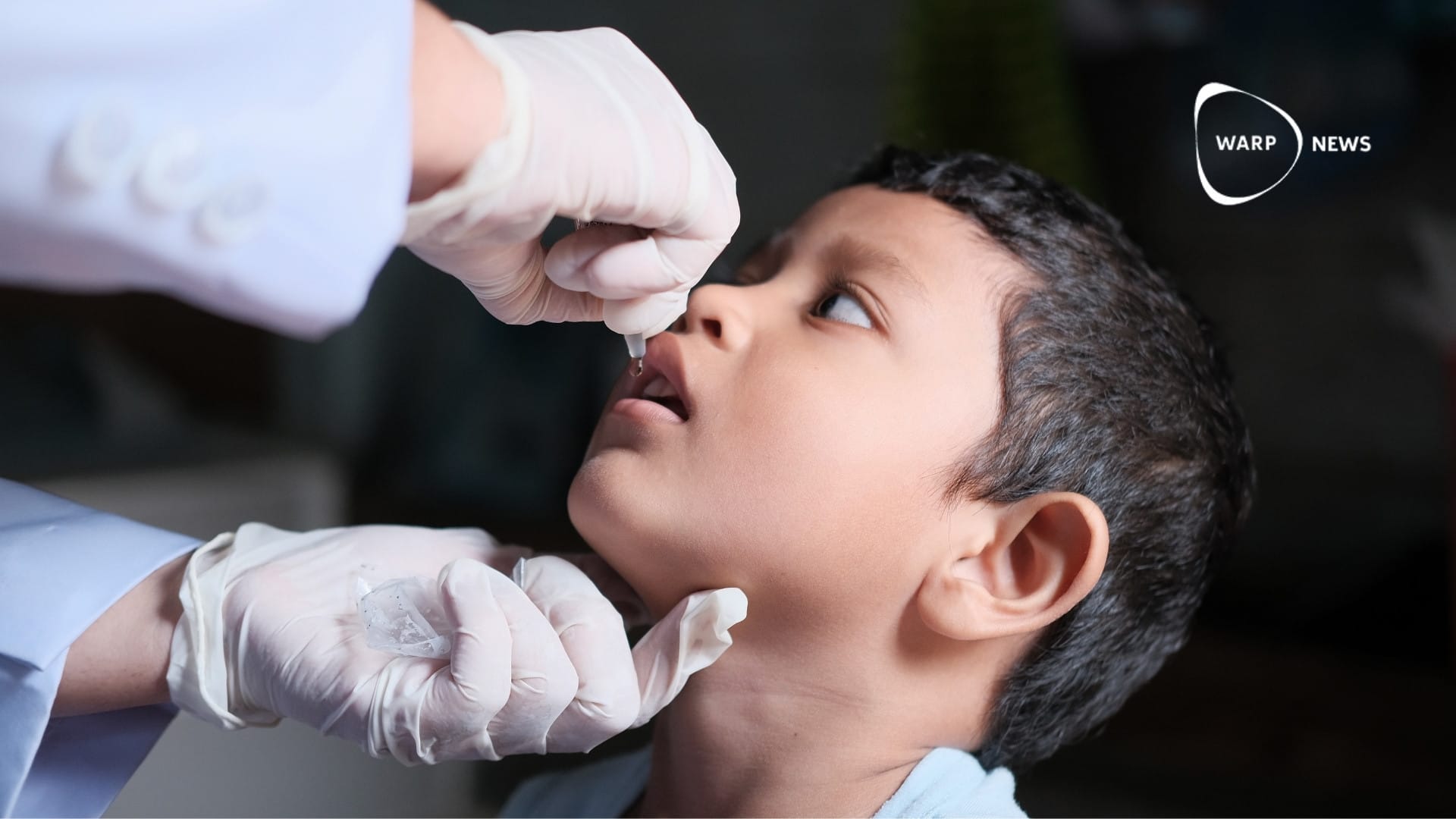
🧒 Polio outbreaks stopped and millions of children vaccinated against measles and malaria
Polio outbreaks in Indonesia and Madagascar have been officially declared over after intensive vaccination campaigns. Nigeria has carried out one of its largest vaccination campaigns ever, reaching approximately 106 million children.

🔬 Microplastic levels in the atmosphere much lower than previously thought
New estimates show that the amount of atmospheric microplastics is 100 to 10,000 times lower than researchers previously calculated. The study compiled 2,782 measurements from 283 locations worldwide to create a reliable global baseline.

🤳 Study: Social media and gaming do not affect adolescents' mental health
A British study of 25,000 adolescents over three years finds no evidence that screen time leads to increased anxiety or depression. Neither active nor passive use of social media shows correlation with worsened mental health.

⚰️ US murders fell 21 percent – the largest drop ever recorded
Murder rates in 35 large US cities dropped by 21 percent in 2025, the largest single-year decrease ever recorded. The murder rate was 4 per 100,000 residents, likely the lowest level since 1900. 11 of 13 tracked crime categories decreased compared to the previous year.
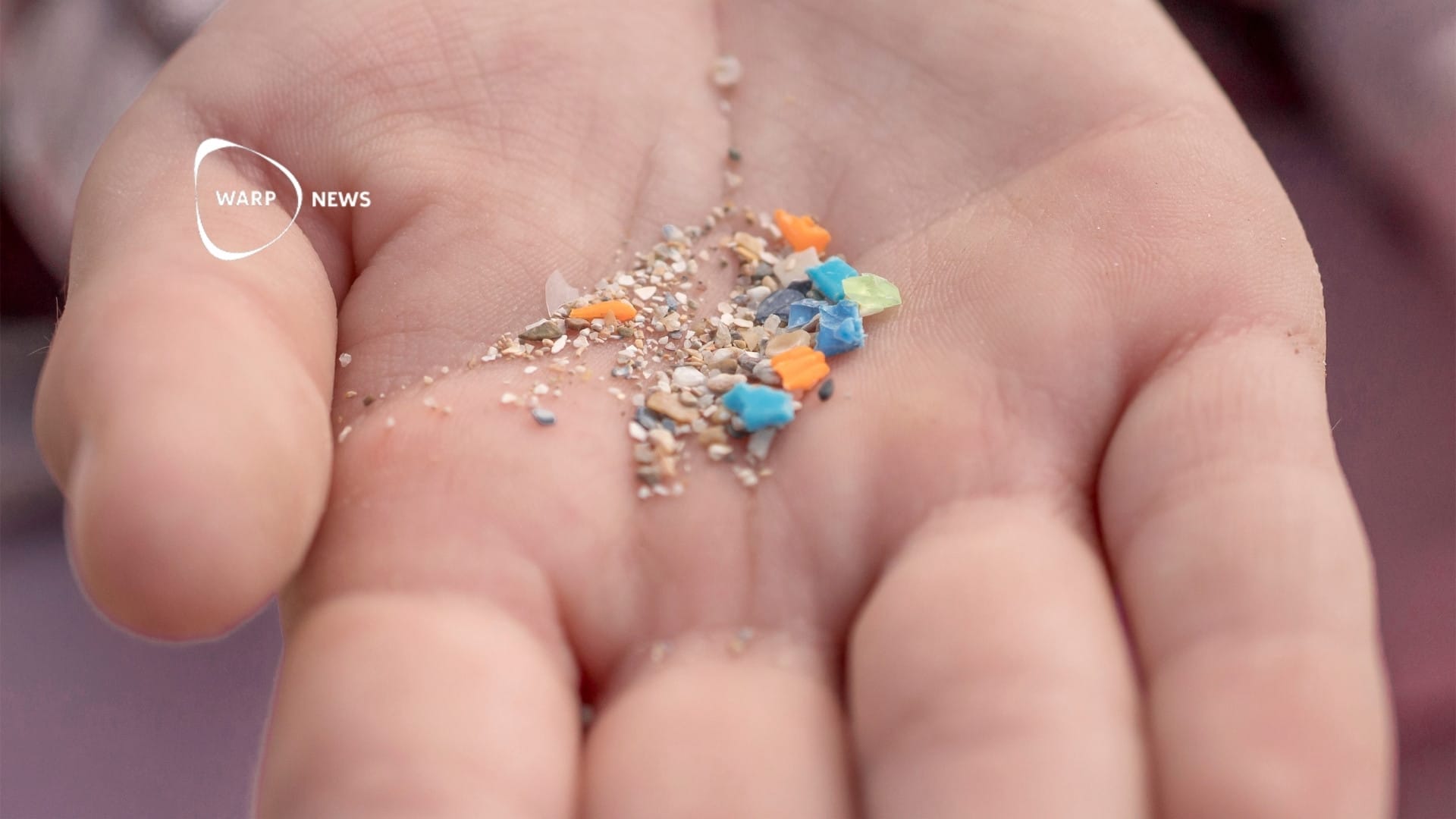
🤨 Researchers question high-profile studies on microplastics in the human body
Seven studies reporting microplastics in the brain, testes, and other organs have been challenged by other researchers in scientific journals. Analytical techniques for measuring microplastics in tissue can produce false positive results because body fat can be confused with common plastics.

💧 California completely drought-free for the first time in 25 years
California has no dry areas for the first time since 2000 according to the US Drought Monitor. Heavy winter rains have filled the state's reservoirs far above historic averages.
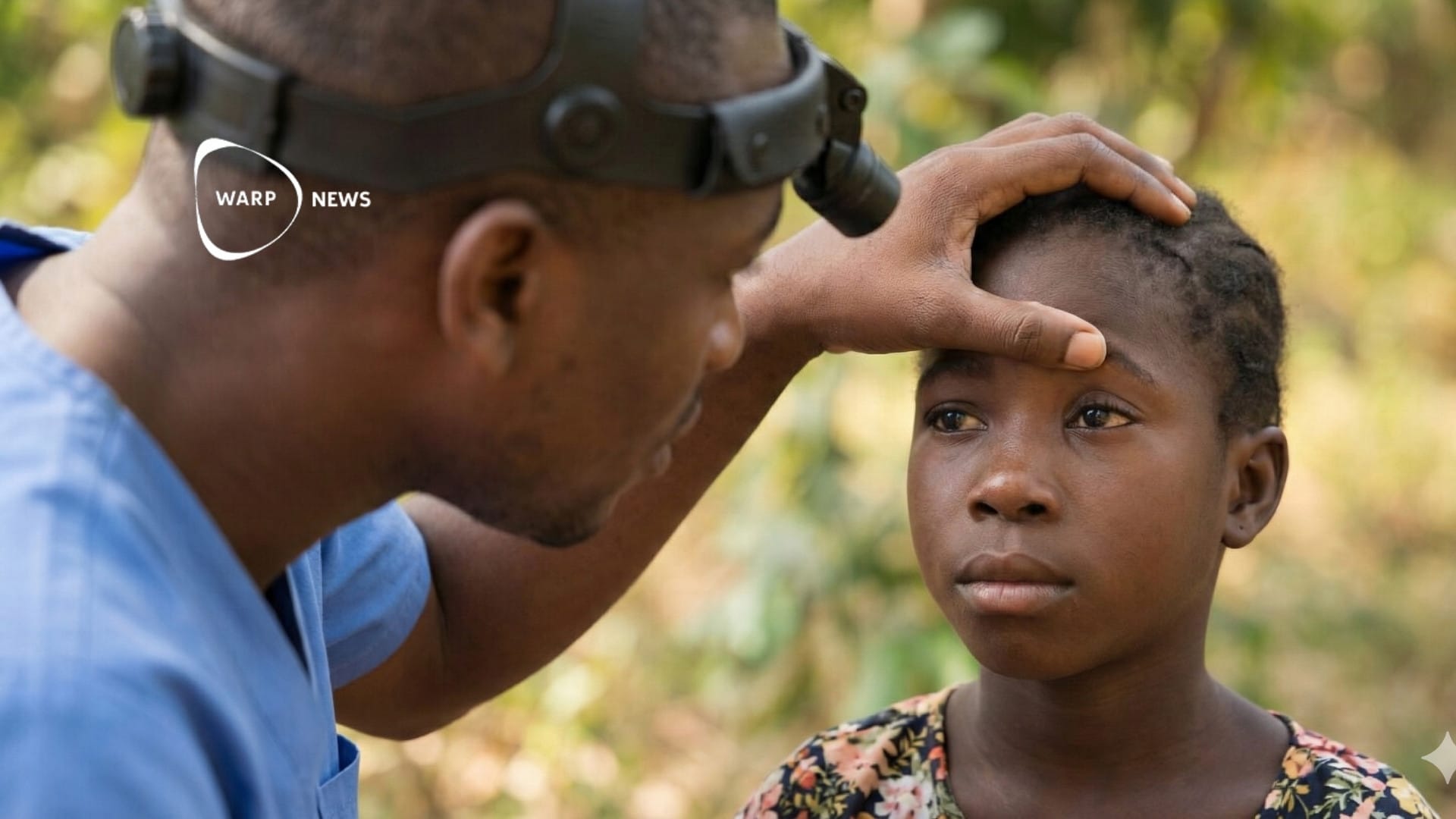
👁️ Number of people needing treatment for trachoma has decreased by 94 percent
Trachoma is the world's leading infectious cause of blindness. The number of people requiring interventions against trachoma has dropped from 1.5 billion to 97.1 million since 2002. Over 1.1 billion doses of antibiotics have been donated to combat the disease.