
📈 Human Progress
In the last decades humanity has made great progress with less extreme poverty, increased health, wealth and democracy. We follow in the tradition of professor Hans Rosling.
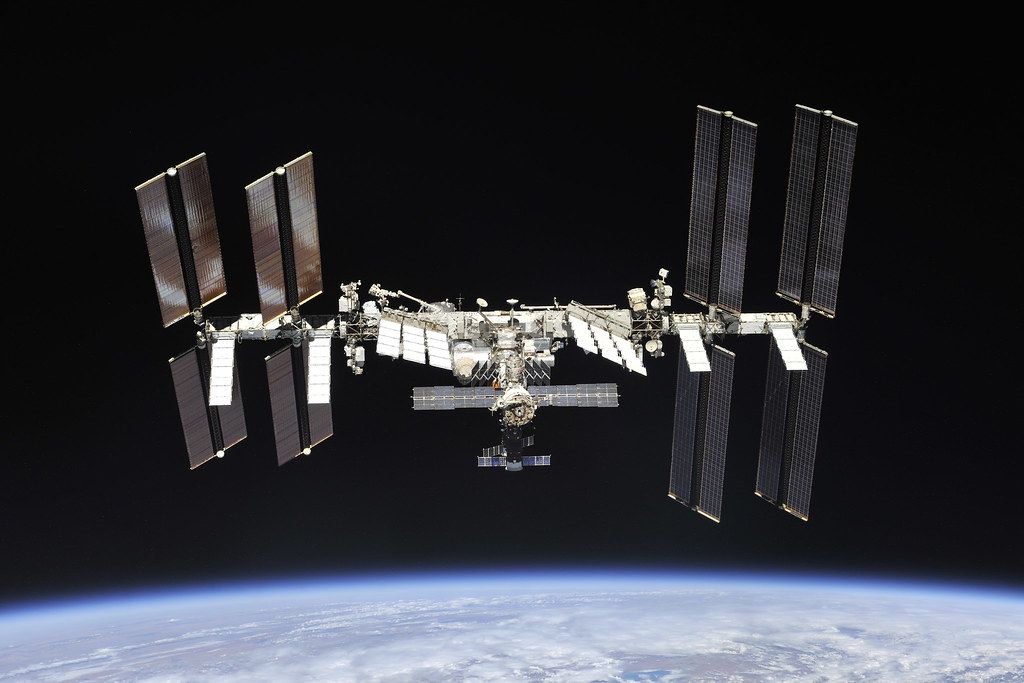
🌟 5 ways ISS has helped push science forward
Every space amateur enjoys watching the International Space Station (ISS) in the sky. But its main function goes way beyond its aesthetics. ISS hosts foremost a wonderful laboratory. Thanks to its unique location, astronauts can perform ground-breaking experiments.
✉️ This company address the address problem
About half of the world's population lacks a real address. In other words, a description of a physical place where you as a person can be found. Why is it so important to have an address then? Isn't it a bit old-fashioned in these digital times?
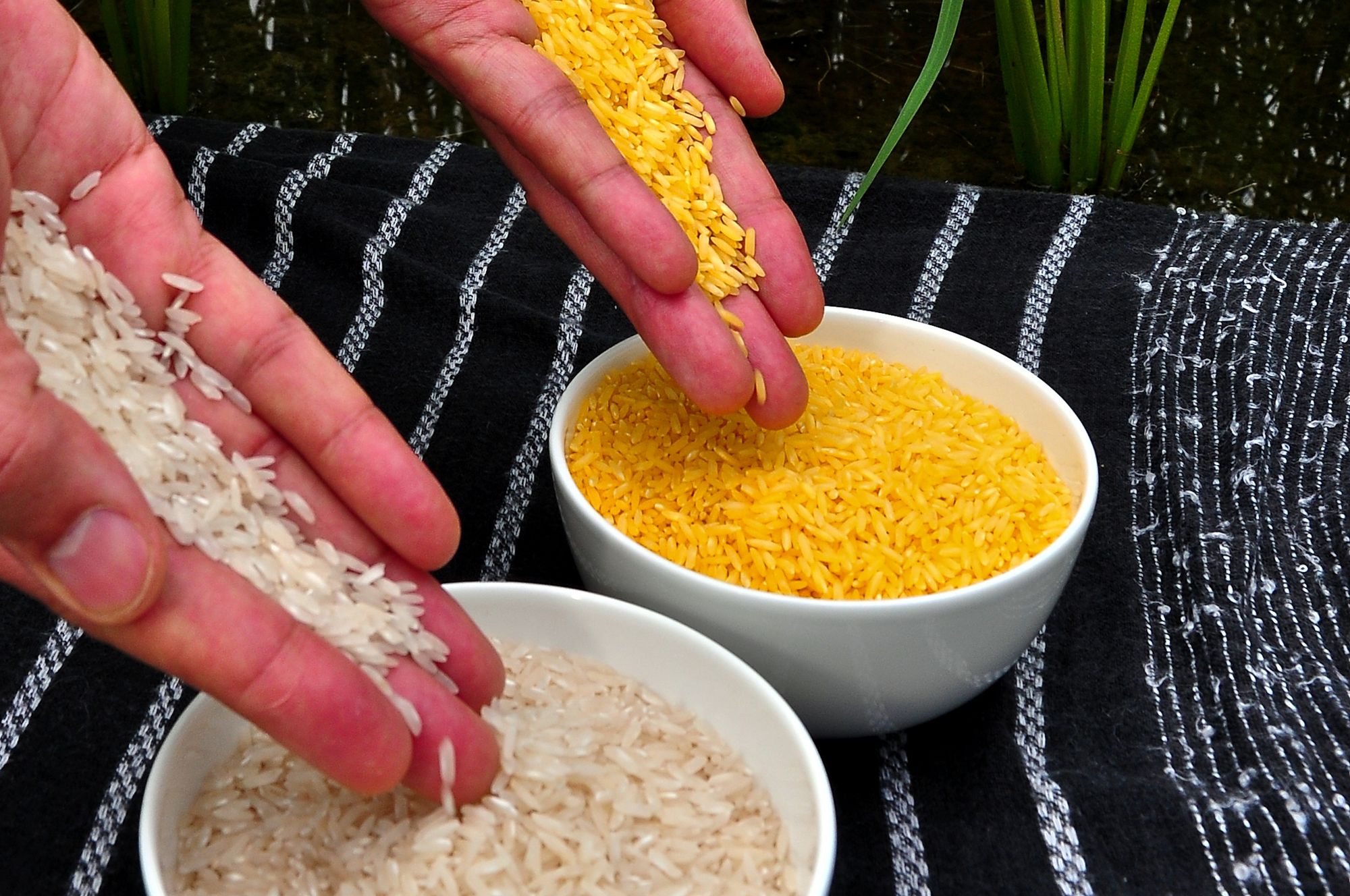
🍚 The Philippines gives GMO "Golden Rice" green light
Vitamin A deficiency affects millions of children worldwide. The Philipines have now become the first country in the region whose authorities have approved a genetically modified nutrient-enriched rice for cultivation.

🛸 "Shields up" - US Air force is developing "energy shields"
Tiny and powerful lasers can automatically shoot down all incoming missiles and thus create a kind of shield around aircraft, ships, and other vehicles. The USAF wants to make a reality of the Star Trek tech.

🧠 A small company beats Elon Musk in the brain-chip race
Neurlink is not the only company trying to merge the man with the machine. Synchron has now got approved by FDA to implant its "brain-computer interface" on patients with severe paralysis, for an early feasibility study.

🌿 C40 cities will tackle climate change with urban greenspaces
Major cities around the world have decided to make their urban areas greener in order to help tackle climate change.
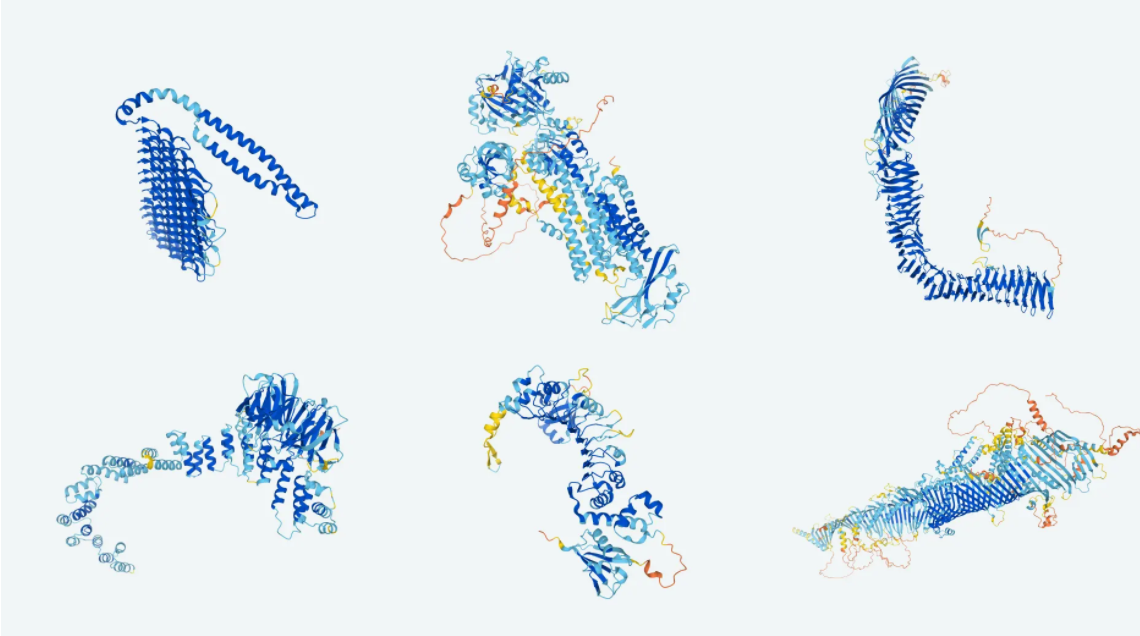
🧬DeepMind plans to releases a database with all known proteins in the world
DeepMind has created an AI that can predict the shape of a protein with the accuracy of a fraction of an atomic width. The company now provides access to the shape of millions of proteins in an open database.
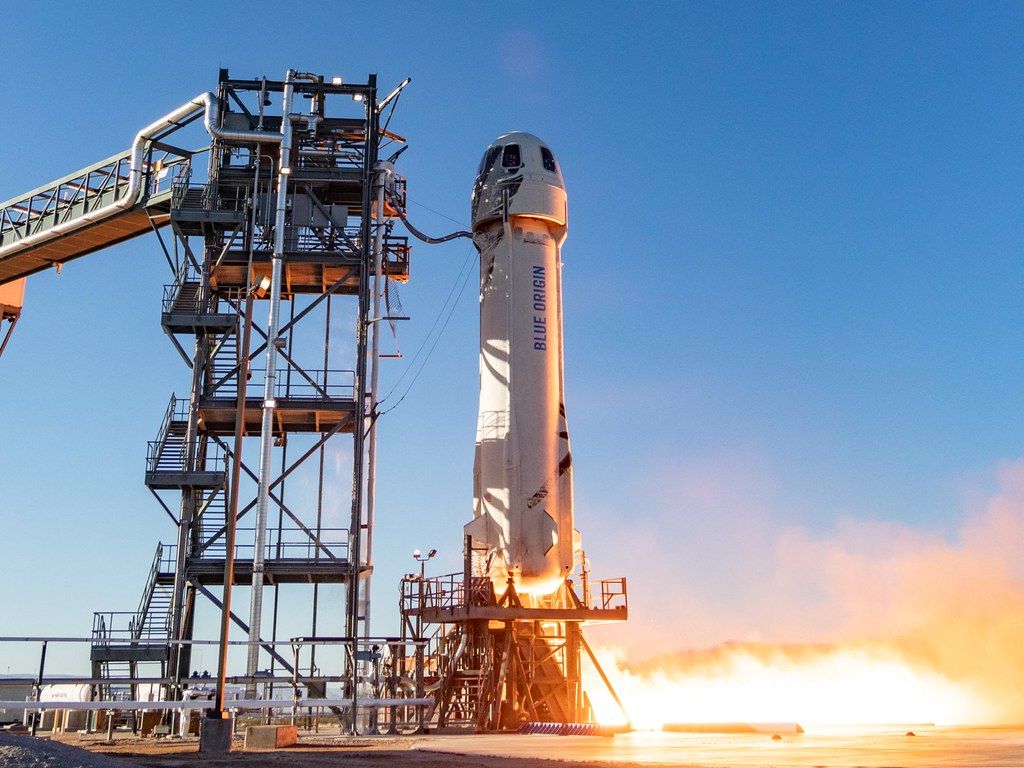
🚀 Bezos’ spaceflight breaks records
We recently covered how Richard Branson changed Virgin Galactic's test schedule to beat Jeff Bezos to space. While Bezos wasn’t first to space, Blue Origin’s flight was impressive in its own right.
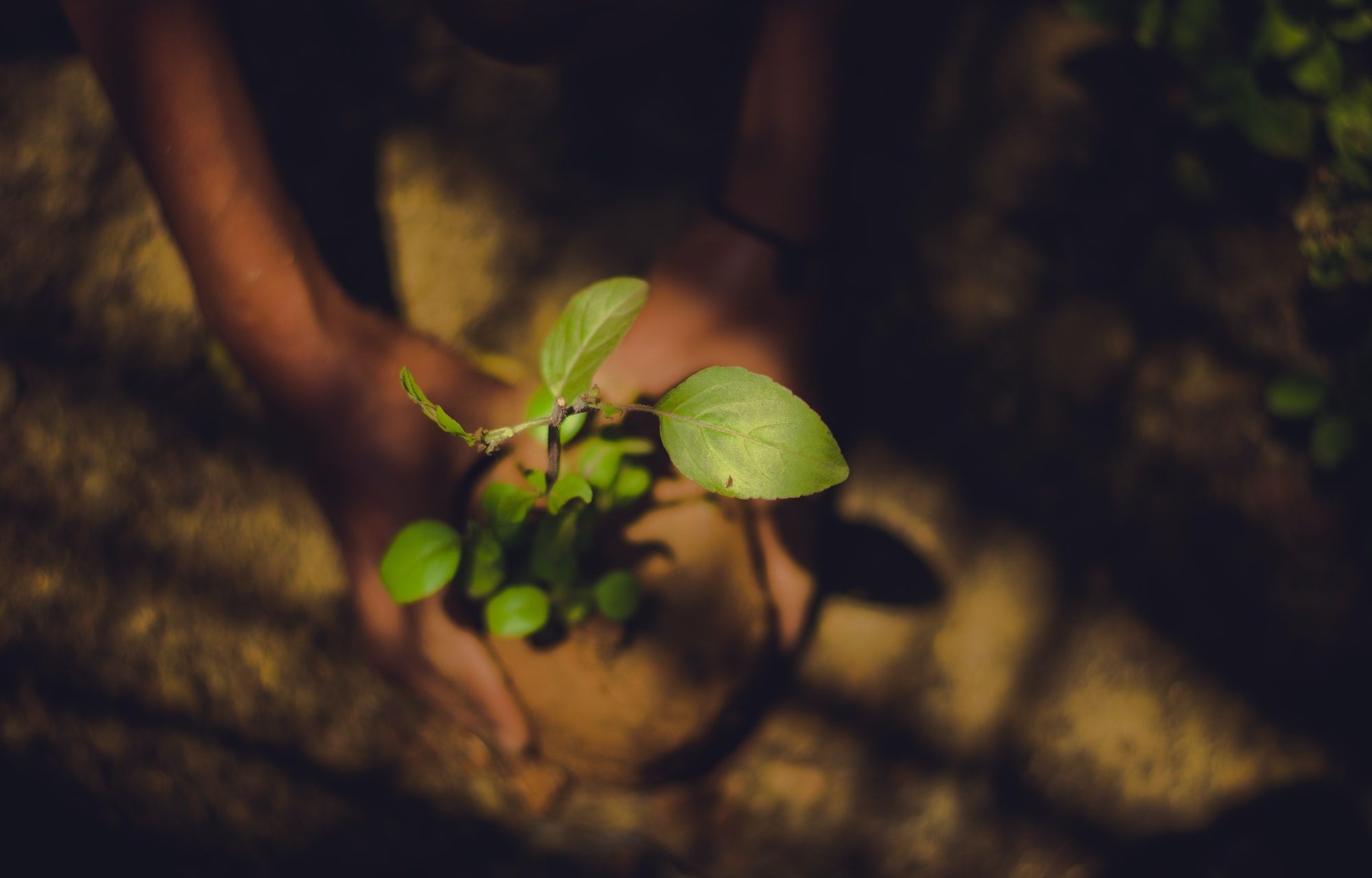
🌳 Ethiopia planted 350 million trees - in 12 hours
But Ethiopia is not satisfied yet. The country has raised the bar and aims to have planted 20 billion trees by 2022.